
 English
 中文简体
中文简体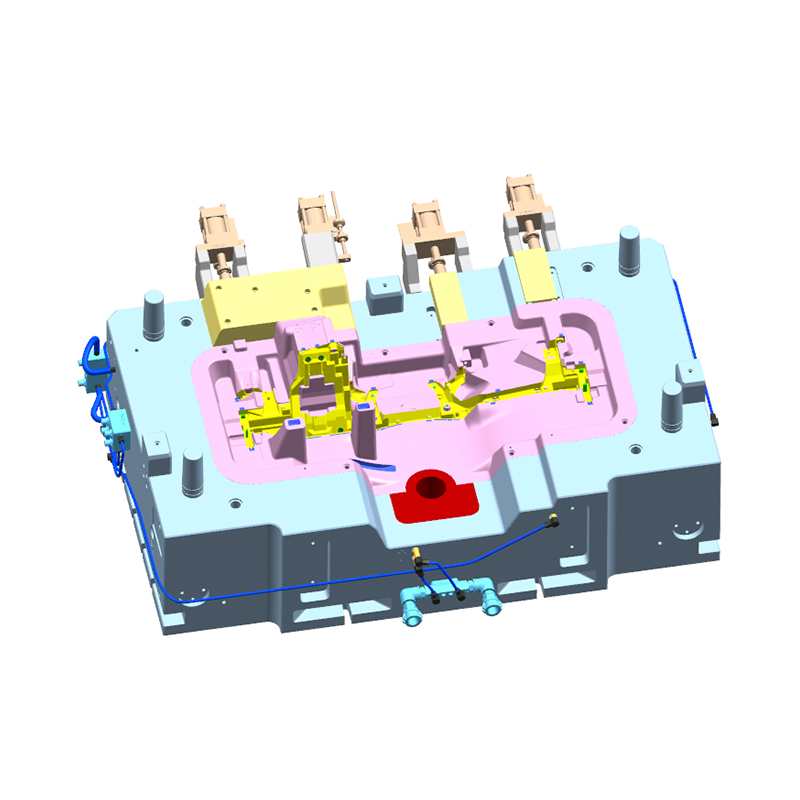



Contact Information
-
 Wangshan Road, Jiangbei District, Ningbo, Zhejiang, China
 -
 86-135-64796935


Get A Quote
Where Can I Find Aluminum Casting Molds? A Practical Sourcing Guide for Buyers
2026-08-06
Content
It starts with a straightforward procurement question. A manufacturing engineer at an automotive parts supplier receives a request from a customer: a new aluminum housing, roughly 300 by 200 millimetres, with a wall thickness of about 2.8 millimetres, a target annual volume of 40,000 units, and a first sample approval deadline ten months from now. The engineer has never sourced tooling before, so the question gets repeated to colleagues, found in online forums, and typed into search engines: Where can I find aluminum casting molds?
The honest, direct answer is that for production-grade aluminum parts, you find aluminum casting molds at a professional die casting mold manufacturer, not at a general machine shop, a sand casting supply store, or a hobbyist marketplace. A production aluminum casting mold is a precise piece of engineering equipment. It controls the part geometry, the dimensional consistency, the surface finish, the cycle time, and the long-term cost per part. The mold is the most influential asset in the entire casting operation, and the search for it should be treated as a supplier selection project rather than a quick online purchase.
This article explains where to find aluminum casting molds in the industrial sense, what the different mold types mean for your project, and how to evaluate the manufacturers that build them. It also walks through the design and build process, the cost and lead-time drivers, and the common mistakes that buyers make when they source tooling for aluminum castings. The goal is to give you a practical framework, so that your first request for quotation produces meaningful answers instead of a pile of vague prices.
For industrial production, aluminum casting molds are designed and manufactured by specialist tooling companies, commonly called die shops, mold makers, or tooling manufacturers. These companies handle the entire process: they analyze the part design, engineer the mold, machine the steel cavity, apply heat treatment, assemble the slides and ejectors, and then trial the mold on a die casting machine until it produces parts that meet the specification. The mold is not a shelf item. It is an engineered product, built to order around a specific casting geometry and production process.
The geographic concentration of mold making follows die casting activity. A major share of the world's aluminum die casting molds is built in China's Yangtze River Delta and Pearl River Delta regions, in Italy, in Germany, in Japan, and in the United States. If you are asking "where can I find aluminum casting molds near me," the answer will usually lead to a regional tool room that serves the local foundry industry. If you are open to global sourcing, the Yangtze River Delta, centered on cities like Ningbo and Shanghai, is one of the densest clusters of mold engineering expertise in the world. Many of the molds used in European and North American casting plants are manufactured there and then shipped for installation.
A reliable starting point is to ask a die casting foundry directly which mold shop it uses. Foundries depend on molds that fit their machines and hold up for hundreds of thousands of cycles. Their process engineers know which suppliers deliver straight machining, honest steel, and practical DFM feedback. This referral route can save you weeks of screening time.
Another path is to contact the mold manufacturer directly, especially if it also has die casting experience in-house. A factory that designs and builds molds, and that can trial them on its own machines, will give you faster feedback and fewer handoff problems. A good example is Ningbo NKT Tooling Co., Ltd., a specialized manufacturer of aluminum, magnesium, and zinc alloy die casting molds. The company was founded in 2009 as a mold design studio, moved into production in 2010, and has since built up a team of more than 80 employees, fifteen senior engineers, and an annual production capacity of more than 300 sets of high-precision molds.
The right channel depends on your situation, but the short version of the answer is consistent: you find aluminum casting molds at a professional manufacturer that builds permanent tooling for die casting, and you choose that manufacturer based on engineering depth, relevant experience, and quality control, not simply on proximity or price.
The term "aluminum casting mold" covers several fundamentally different things, and the confusion between them is one of the reasons why so many sourcing requests start off on the wrong foot. In everyday language, the phrase could mean a mold used to cast aluminum parts, or a mold made of aluminum material for casting other substances. This article is about the former: tooling that casts molten aluminum alloy into finished metal components. Those molds are almost always made from tool steel, not from aluminum. A typical production mold for aluminum die casting is machined from H13 hot-work tool steel or an equivalent such as SKD61, hardened to roughly 44 to 52 HRC, and equipped with a network of water-cooled channels to control the mold temperature during the casting cycle.
The four common mold types for aluminum castings are listed below. Each one answers a different volume and quality requirement.
| Mold type | Typical process | Annual volume range | Typical tolerance | Relative mold cost |
|---|---|---|---|---|
| Sand casting pattern | Sand molding | 1 to 2,000 parts | plus/minus 0.5 to 1.5 mm | Low |
| Permanent mold | Gravity die casting | 1,000 to 50,000 parts | plus/minus 0.2 to 0.5 mm | Medium |
| Low-pressure mold | Low-pressure die casting | 5,000 to 100,000 parts | plus/minus 0.1 to 0.3 mm | Medium-high |
| High-pressure die casting mold | High-pressure die casting | 20,000 to 1,000,000+ parts | plus/minus 0.05 to 0.15 mm | High |
The table is not a rigid decision tree, but it gives you a starting point. If your annual volume is under two thousand parts, sand casting is often the economic route. If you are in the range of a few thousand to tens of thousands, gravity permanent molding offers a balance of tooling cost and repeatability. If you are planning continuous production of fifty thousand or more parts per year, high-pressure die casting is usually the only process that delivers the cycle time and consistency you need for a competitive unit cost.
High-pressure die casting is the dominant process for aluminum components in the automotive and industrial sectors. In this process, the mold is mounted in a cold-chamber die casting machine. First, the aluminum is melted in a separate gas- or electric-heated furnace. Then, a precise shot of liquid aluminum is ladled into the injection shot sleeve, and a hydraulically driven piston pushes the metal into the closed mold cavity at speeds that can exceed two metres per second, followed by an intense intensification pressure. The metal solidifies in a fraction of a second, the mold opens, the casting is ejected, and the cycle repeats.
Because the mold is exposed to liquid metal at around 660 degrees Celsius and then rapidly cooled by water lines, the surface of the cavity must resist thermal fatigue, heat checking, and soldering. This is why the steel grade and the heat treatment are so important. A mold for high-pressure aluminum casting is also a thermodynamic machine: the position, diameter, and flow rate of the cooling channels determine how fast the casting solidifies, where the shrinkage porosity goes, and how many seconds the cycle takes.
For lower volumes, gravity permanent molding is a practical alternative. The mold is a simpler steel tool, mounted on a pivot frame. The operator pours the aluminum by hand, and the metal fills the cavity under gravity. The tooling cost is significantly lower than high-pressure tooling, and gravity castings have less turbulence, which can improve pressure tightness. The trade-offs are longer cycle times, lower yield, and a coarser surface finish.
Sand casting occupies the low-volume end. The mold is a disposable sand cavity, made with a pattern that is removed before pouring. Sand casting is appropriate for prototypes and small batches, but it does not deliver the dimensional consistency or productivity of a permanent mold. Buyers who say they are looking for aluminum casting molds rarely mean sand patterns; they usually need a reusable tool that can run on a die casting machine.
Once you have clarified the mold type, the search for a supplier can proceed through several practical channels.
This is the most reliable route. Use search terms such as "aluminum die casting mold manufacturer," "aluminum casting tooling supplier," or "permanent mold maker" and build a shortlist. Look for companies that clearly present their manufacturing capabilities: the machining equipment they operate, the inspection instruments they use, the industries they serve, and the engineering resources they employ. A factory with published information about its heat treatment, its CNC capacity, and its trial facilities is likely to be a real manufacturer, not a trading intermediary. Contact each candidate with a defined part presentation or a technical questionnaire. Judge the quality of their answers, not just the speed of their quotation.
If you already have a foundry that will run the parts, ask them which mold maker they trust. A foundry that quotes you a casting price based on an existing mold will often have strong opinions about mold reliability and maintenance. If you do not have a foundry, contact a few established die casting houses in your region and ask them who builds their tooling. Most foundries are willing to share this information when they sense a future production opportunity.
Alibaba, Made-in-China, Global Sources, and similar platforms contain thousands of tooling supplier profiles. They are useful for a high-level scan of capabilities and price levels, but they come with real caution flags. A polished profile is not proof of a capable factory. Verify the company's legal status, its export history, and its physical site. Ask for a live video walkthrough of the factory, and request references from customers who have sourced similar molds. Transfer money only after you have confirmed that the manufacturer is who it claims to be.
Die casting trade fairs such as EUROGUSS in Nuremberg, NADCA events in the United States, and the China Die Casting Exhibition in Shanghai are gathering points for mold manufacturers and foundries alike. Walking the exhibition floor, holding actual castings, and speaking directly with engineers is much more informative than reading a website. In addition, the Yangtze River Delta region around Ningbo and Shanghai holds one of the world's highest concentrations of mold-making expertise. If you are sourcing from China, this region is a natural geographic target.
Professional contacts in foundry engineering, materials science, and product design often know which mold suppliers have a reputation for quality and delivery. The die casting industry is compact. A recommendation from a trusted colleague who has managed tooling projects overseas is worth more than dozens of anonymous online reviews.
The mold supplier is a multi-year partner for your production program. The selection should therefore be based on engineering and operational evidence, not on a single quotation page. Experienced buyers use the following criteria.
A mold begins with engineering analysis. The supplier should offer a formal DFM study, looking at the part for where shrinkage porosity is likely to form, whether the draft angles are sufficient, and how the gating system should be laid out. Flow and solidification simulation is a strong plus, especially for parts with complex geometry. If the mold maker simply enters your part number into a quotation system and returns a price without any technical comment, you should worry.
Ask about the factory's equipment list. A serious aluminum casting mold manufacturer will have high-speed CNC machining centers, EDM machines including sinker and wire, a jig grinder for precise bore work, and a coordinate measuring machine for final inspection. In-house heat treatment is also valuable. When heat treatment is outsourced, the supplier loses control over distortion and hardness, and the project loses time through transport and waiting.
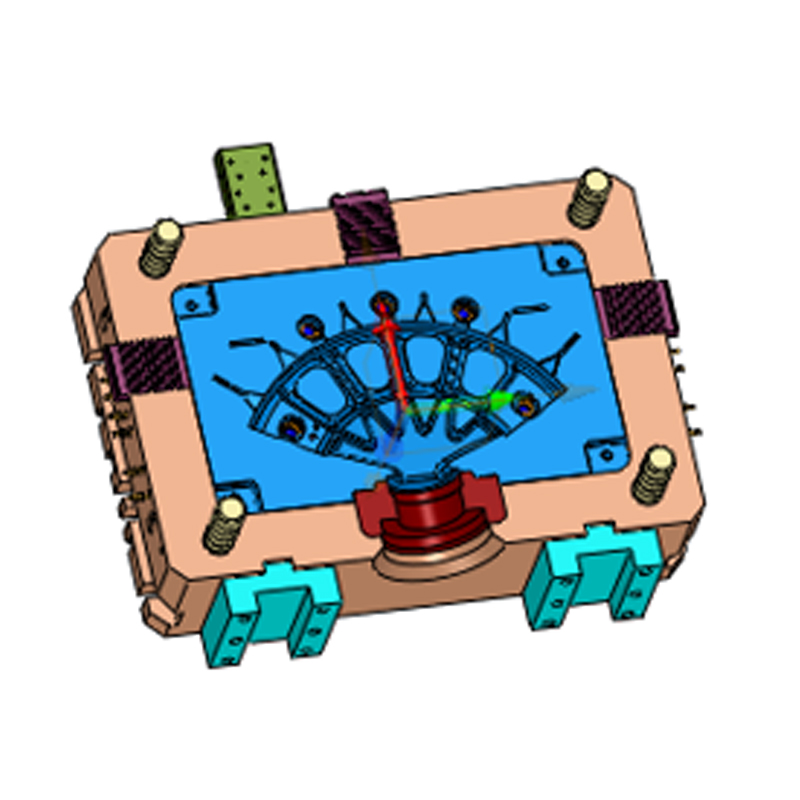
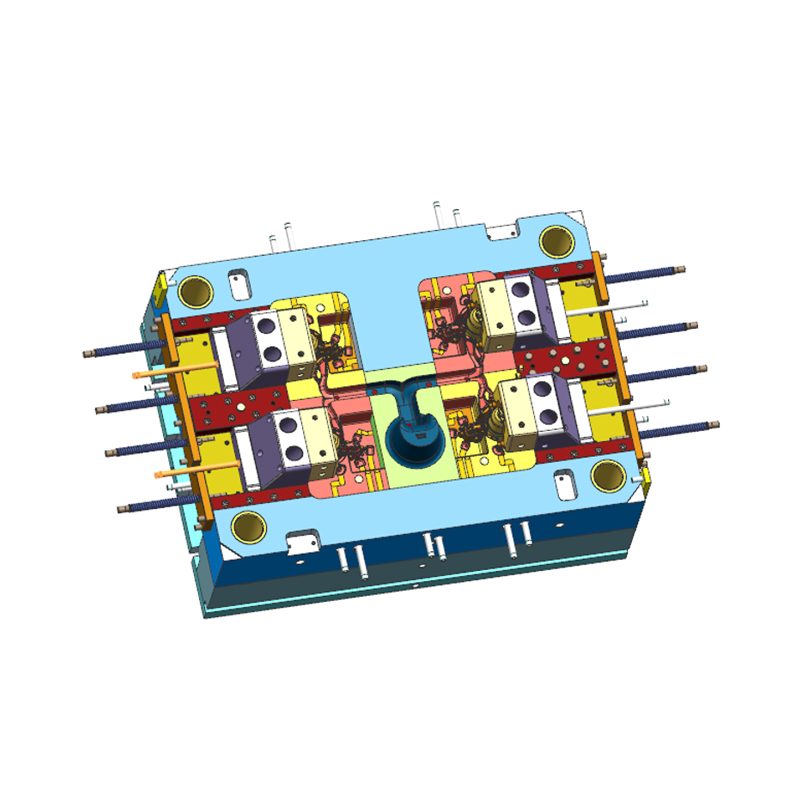
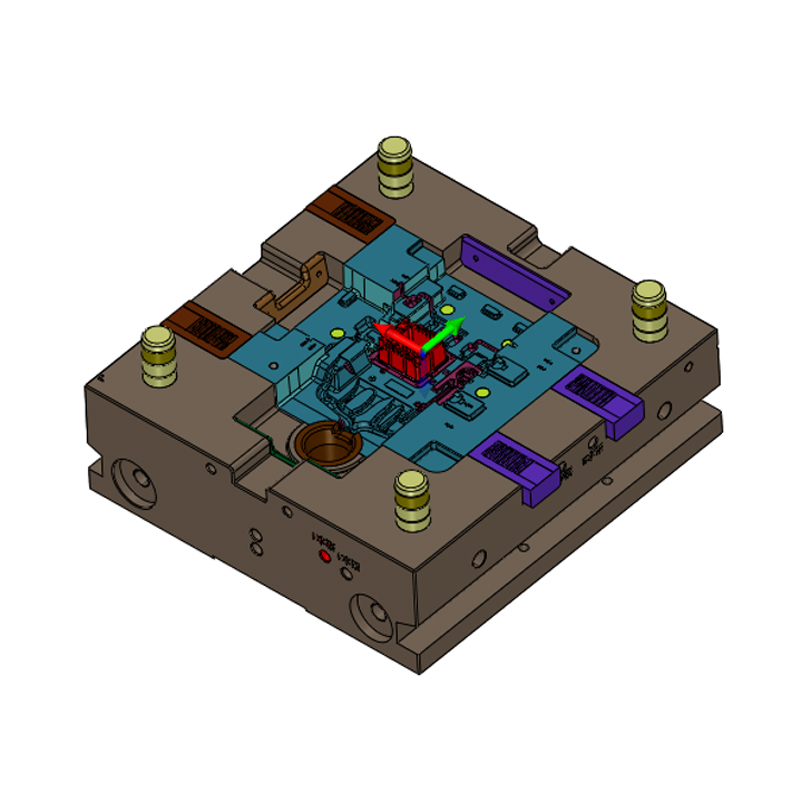
Aluminum, magnesium, and zinc alloys each create distinct challenges for a mold. Aluminum causes soldering and heat checking; magnesium requires handling precautions; zinc is cast in hot-chamber machines with a different mold architecture. Ask how many projects the supplier has completed in each material. A manufacturer that has demonstrated experience with 800 t aluminum alloy die-cast box molds is an example of a company that has dealt with large-format aluminum structural castings, which demand large machines, careful cooling, and heavy slides.
 Custom 800T Aluminum Alloy Die-Cast Box Factory, Manufacturers - Ningbo NKT ToolNingbo NKT Tooling Co., Ltd. is China 800T Aluminum Alloy Die-Cast Box Manufacturers and Custom Factory, details:The aluminum alloy die-c...View Product →
ISO 9001 is a baseline, but the relevant question is how quality control is performed daily. Who reviews the cavity dimensions at the machining stage? Which measurement instrument is used for critical features? How are trial parts evaluated against the drawing? What reports accompany the mold at the final acceptance? The two most important documents are the mold trial report and the final CMM report. Ask to see examples before you order.
A mold maker that owns die casting machines can run the trials internally and adjust the tool within hours. One that sends the mold to an external foundry adds transport and scheduling delays to every iteration. Trial support also includes the development of a starting process parameter set, such as fill speed, pressure profile, and die temperature, which you can hand over to your own production team.
A mold project is a six to sixteen week sequence of defined milestones. The supplier should assign a project engineer, share a timeline, and respond to technical questions in clear language. For overseas sourcing, consider the time difference. A supplier that replies within one business day is usually more reliable than one that disappears for a week after receiving your deposit.
Understanding the mold construction sequence makes you a better buyer. It helps you recognise why certain costs appear and why certain deadlines are realistic. The following ten steps represent a typical project for a high-pressure aluminum die casting mold.
The sequence is not a straight line in practice. There are design reviews, steel schedule delays, unexpected EDM findings, and trial adjustments. Good project management means controlling these variables rather than eliminating them. On average, a small mold can be built in four to six weeks, a medium mold in six to ten weeks, and a large one in ten to sixteen weeks, assuming an approved design and no change requests.
The price of an aluminum casting mold can range from a low five-figure sum for a small single-cavity gravity tool to several hundred thousand dollars for a large high-pressure die casting mold with multiple sliders and complex cooling. Buyers who complain that mold prices are difficult to compare are usually comparing tools with different specifications.
| Mold category | Typical part size | Cavity complexity | Estimated lead time |
|---|---|---|---|
| Small mold | Up to 300 mm | Single cavity, few cores | 4 to 6 weeks |
| Medium mold | 300 to 800 mm | One or two cavities, sliders | 6 to 10 weeks |
| Large mold | Above 800 mm | Multiple sliders and lifters | 10 to 16 weeks |
The tightest controlling factor is the trial capacity. A mold might be machined in six weeks, but if the foundry's trial machine is booked out for four weeks, the project only finishes at the tenth week. Confirm the trial schedule early, and specify your own deadline expectations in the request for quotation.
Aluminum casting molds are used in a wide range of industries, from automotive and aerospace to telecommunications, power tools, and fitness equipment. In practice, automotive applications dominate the engineering requirements. The demand for lighter vehicles, electric drive systems, and structural castings has pushed mold makers toward more complex, larger, and more precise tools.
Typical aluminum casting applications in the conventional vehicle sector include:
The new energy vehicle segment has introduced additional demands, all of which shape the way molds are designed and manufactured:
The material specification adds another layer. ADC12 and A380 are the most common general-purpose aluminum die casting alloys. Structural casting grades such as AlSi10Mg are used when elongation and weldability are required, as in body-in-white structural nodes and battery enclosures. The mold design for structural alloys is more demanding because the molten metal path affects the final elongation value of the part.
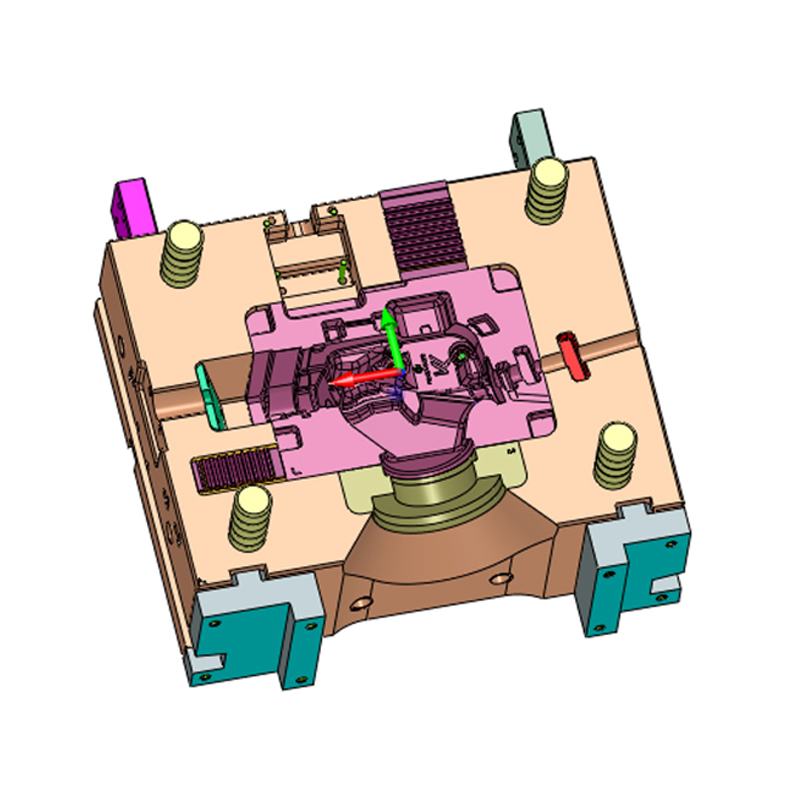
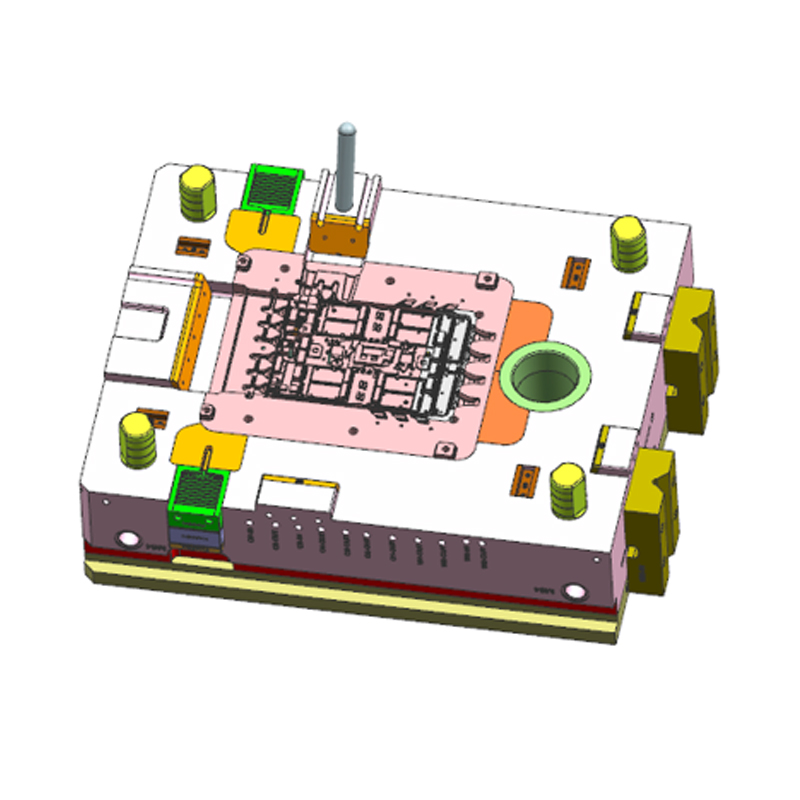
This is one of the reasons why the application range of die casting molds keeps expanding. Each new application imposes new constraints on gating, thermal management, and venting. A battery compartment plate, for example, is a wide, flat casting with thin walls. It requires a low-fill-speed injection profile to avoid gas porosity and a carefully balanced filling pattern to achieve a flat part. A mold maker who has already produced an aluminum alloy die-cast battery compartment plate using a one-mold-two-holes design has direct experience with that challenge.
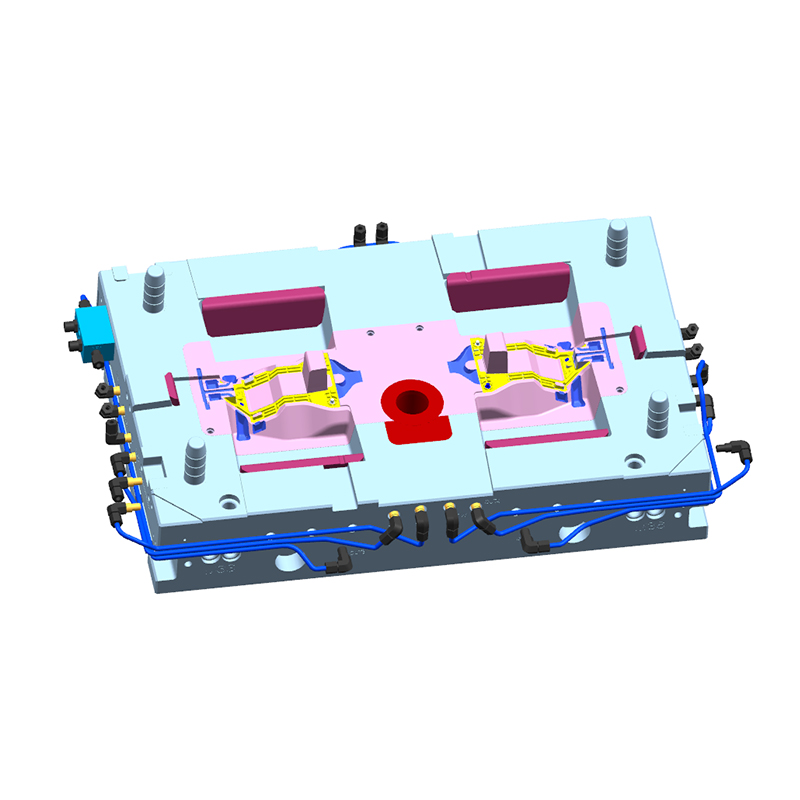
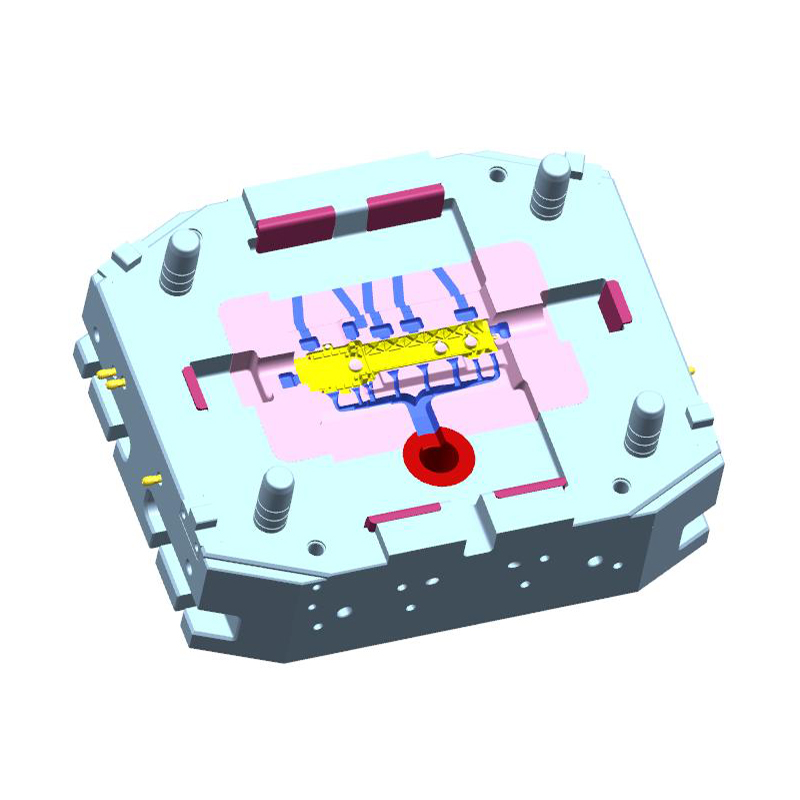
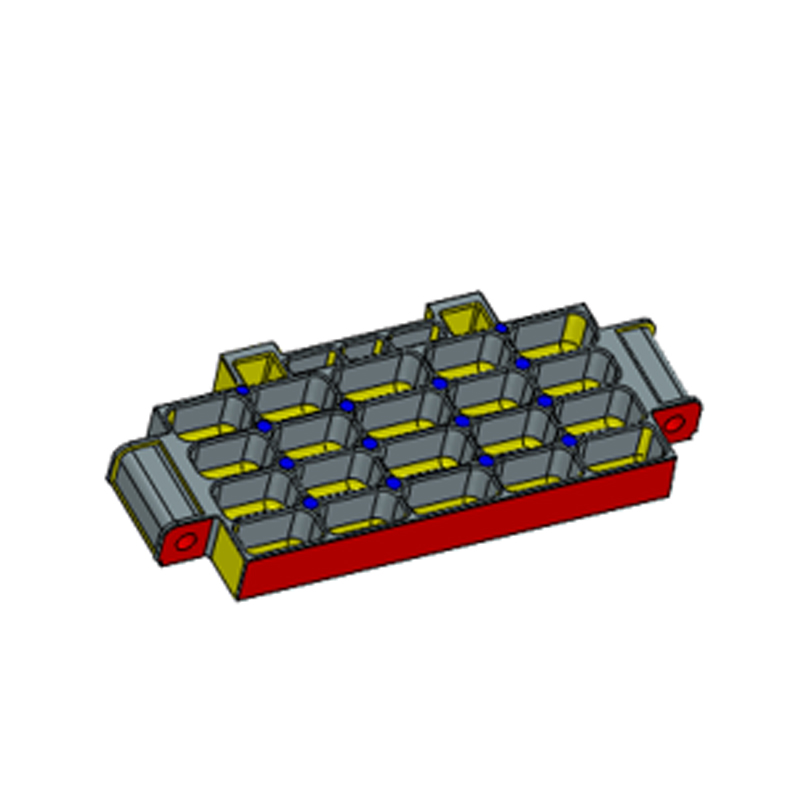 Custom Aluminum Alloy Die-Casting Battery Compartment Plate One Mold Two Holes FNingbo NKT Tooling Co., Ltd. is China Aluminum Alloy Die-Casting Battery Compartment Plate One Mold Two Holes Manufacturers and Custom Fa...View Product →
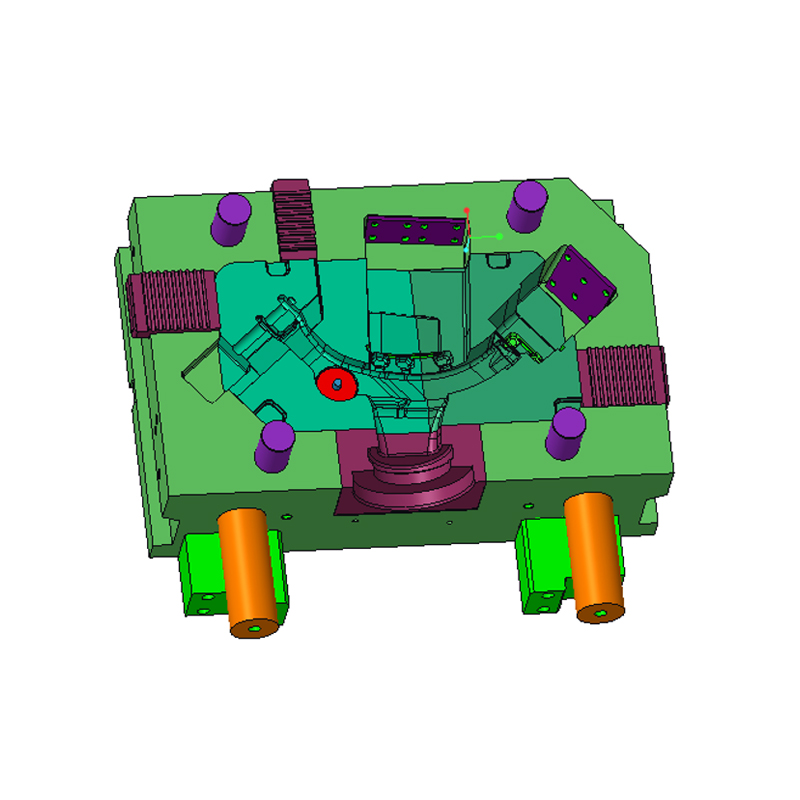
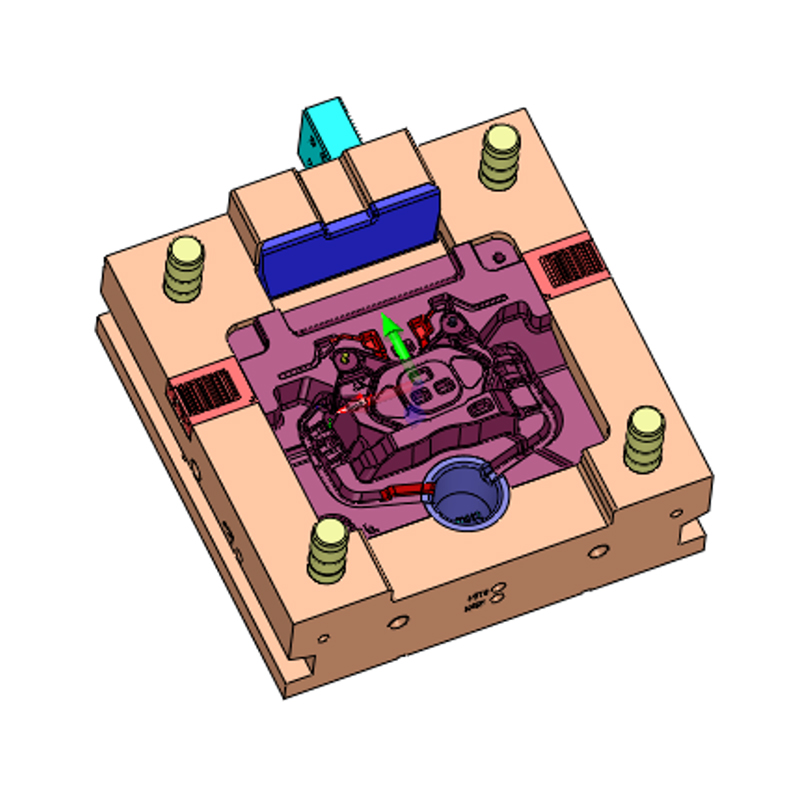
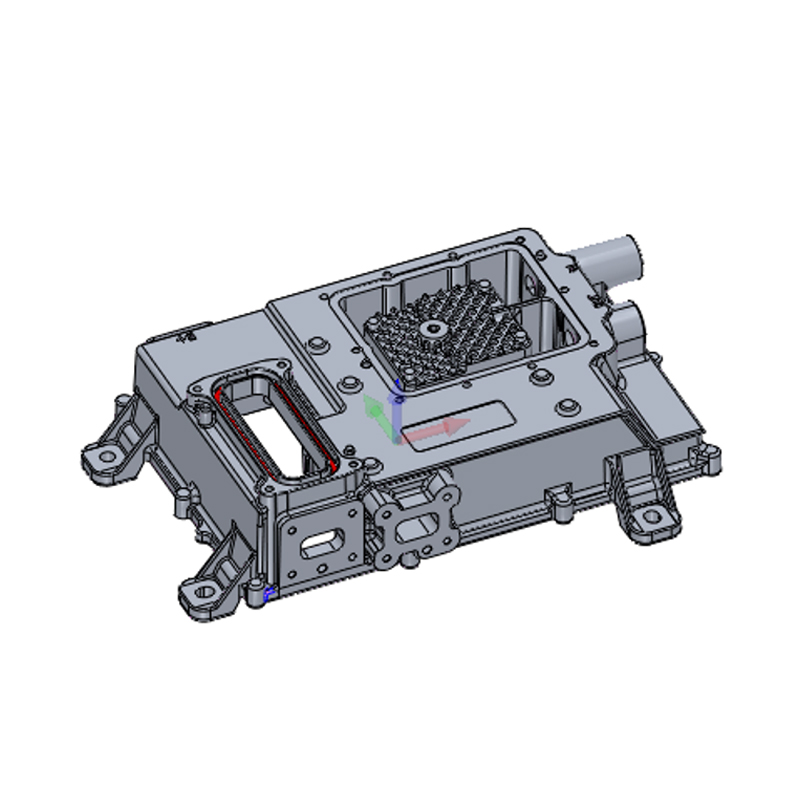
Drive motor housings represent another demanding category. They are large, often close to the maximum envelope of the die casting machine, and they need to be pressure-tight to contain the oil or water flowing through internal channels. The cooling water jacket, which surrounds the outer cylindrical surface of the stator, is often cast using a collapsible core or a complex set of slides. The mold maker must control the core cooling carefully. A high-clamping-force machine such as 2200 tonnes is necessary for the packaging of the tool. The 2200 t aluminum alloy die-cast motor housing mold is an example of tooling engineered for that scale, with slide mechanisms and dimensional control to meet the interface requirements of an electric machine.
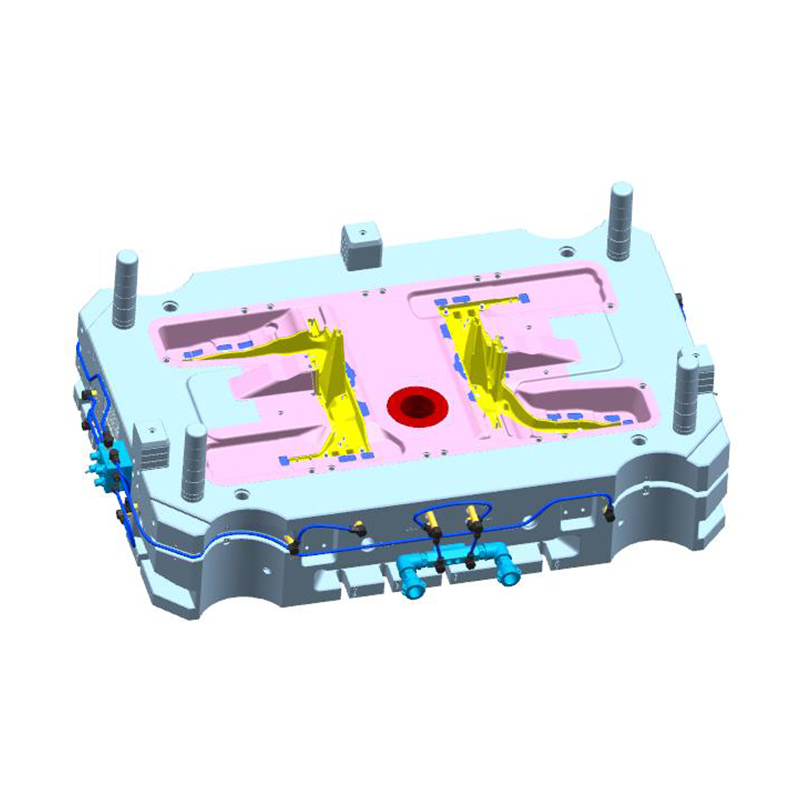
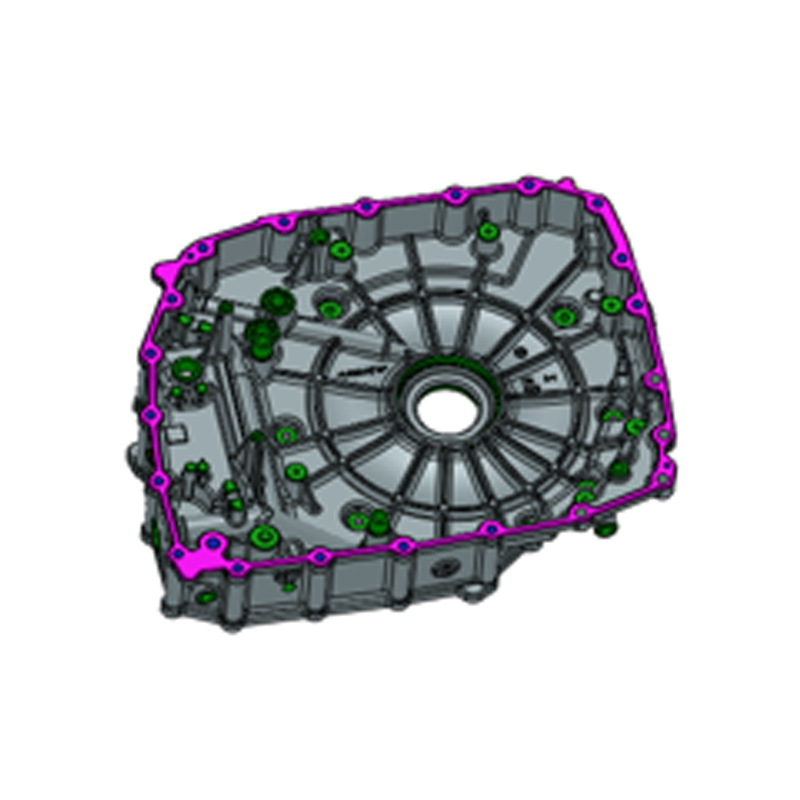 Custom 2200T Aluminum Alloy Die-Casting Motor Housing Factory, Manufacturers - NNingbo NKT Tooling Co., Ltd. is China 2200T Aluminum Alloy Die-Casting Motor Housing Manufacturers and Custom Factory, details:The 2200T ...View Product →
The lesson for a buyer is straightforward. When someone asks "where can I find aluminum casting molds," they are usually asking about a tool that will enter their production line and remain there for years. The correct source is a manufacturer with application-specific references, and the correct time to talk is when you can describe your part function, not just your part shape.
In years of helping customers evaluate mold suppliers, I have seen that most tooling problems are not caused by machining failures. They are caused by decisions made long before the first steel layer was cut. Here are the recurring mistakes.
A mold is a multi-year production asset. A low-priced mold that produces high scrap, slow cycles, and premature die failure will cost more than the savings. Always compare quotations against a detailed specification: the mold steel grade, the number of cavities, the expected die life, the trial services included, and the delivery schedule.
When the mold maker recommends changing a wall thickness or moving a parting line, some buyers assume the supplier is simply trying to save cost. In fact, DFM feedback is the toolmaker's way of protecting your casting from defects that would show up later. Ask for the engineering justification and weigh it with your own team.
A 3D model alone does not define a complete mold requirement. Tolerance blocks, GD and T references, surface roughness values, flash limits, and allowable porosity classes should be documented in the technical agreement. The supplier can meet your expectations only if they are written down.
Cooling is the most underrated part of a die casting mold. A good cooling circuit shortens the cycle time and controls local shrinkage; a poor one creates hotspots and part distortion. Ask the supplier how they plan the cooling for your specific casting.
Almost every new mold requires at least two trial rounds. The first trial verifies the gating, the second fine-tunes the process. Buyers who schedule only one trial are surprised when the project exceeds the deadline. Include trial lead time in your project plan from the beginning.
Trading companies sometimes present themselves as manufacturers. If your mold has a problem during approval, you want to talk directly to the people who machined the cavity and ran the trial. Verify the factory address, the registration, and the physical assets before you commit.
So, where can you find aluminum casting molds? The answer, in practical terms, is this: identify a specialist manufacturer of die casting tooling with engineering in-house, a working factory, quality processes, and relevant experience in casting aluminum parts. Send them your part data and your production requirements, not just a request for a price. Listen to their DFM analysis. Visit their operation or request a thorough virtual walkthrough. Then compare the full technical proposals, not only the total price.
A professional mold builder will ask about the part function, the alloy, the production volume, the machine capacity available, and the quality requirements before committing to a price. When you receive those questions, you know you are speaking to an engineer, not a broker. That is exactly the kind of supplier that will deliver a mold capable of producing thousands and tens of thousands of consistent aluminum castings.
The search takes time. It requires several conversations and some patience during the engineering review. But the mold you select today will shape your production efficiency, part quality, and program margins for the next several years. Spending the effort to find the right aluminum casting mold manufacturer is one of the highest-return investments you can make in a casting program.
Wangshan Road, Jiangbei District, Ningbo, Zhejiang, China
86-135-64796935
Copyright © Ningbo NKT Tooling Co., Ltd. All Rights Reserved.
 Login
Custom Automotive Aluminum/Zinc Die Casting Molds Manufacturers
Login
Custom Automotive Aluminum/Zinc Die Casting Molds Manufacturers
