
 English
 中文简体
中文简体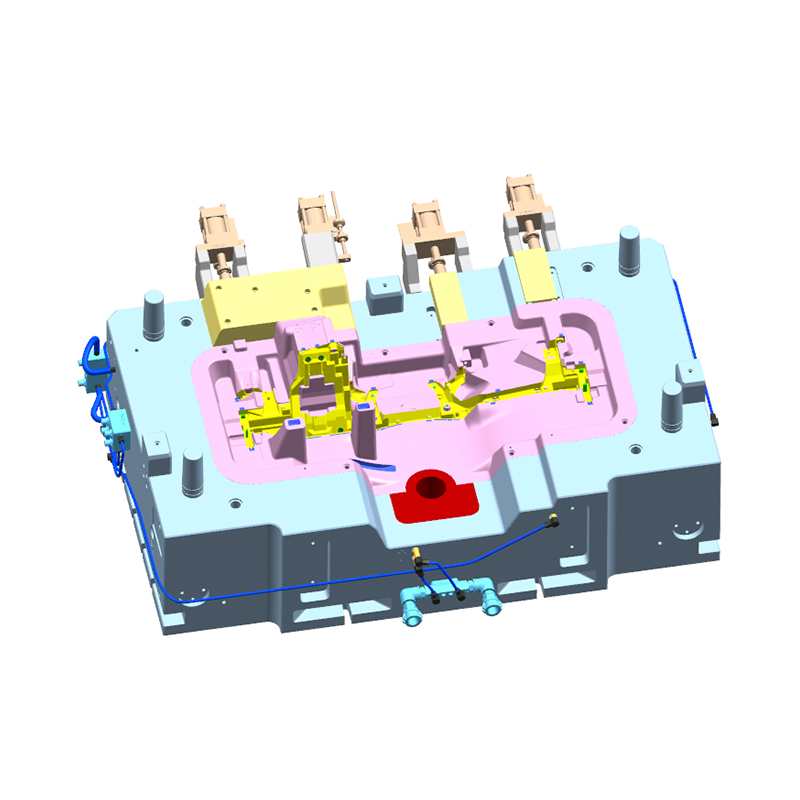



Contact Information
-
 Wangshan Road, Jiangbei District, Ningbo, Zhejiang, China
 -
 86-135-64796935

Get A Quote
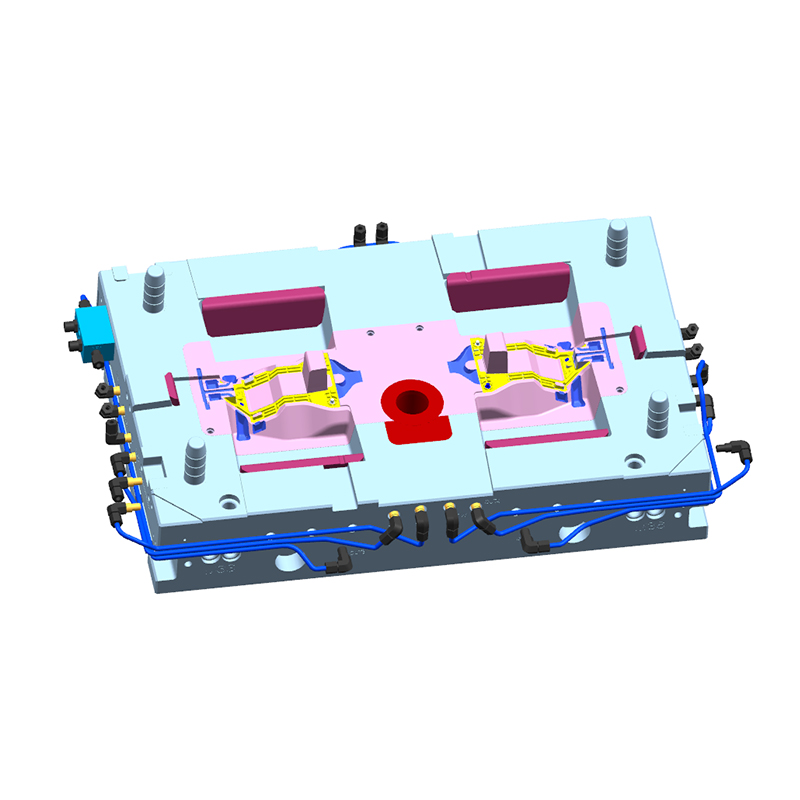
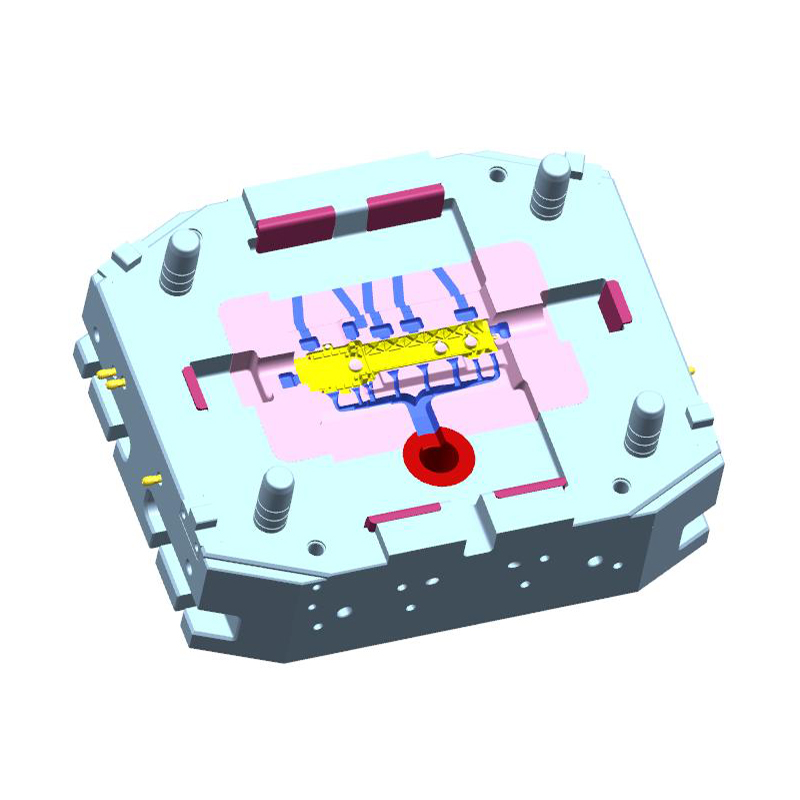
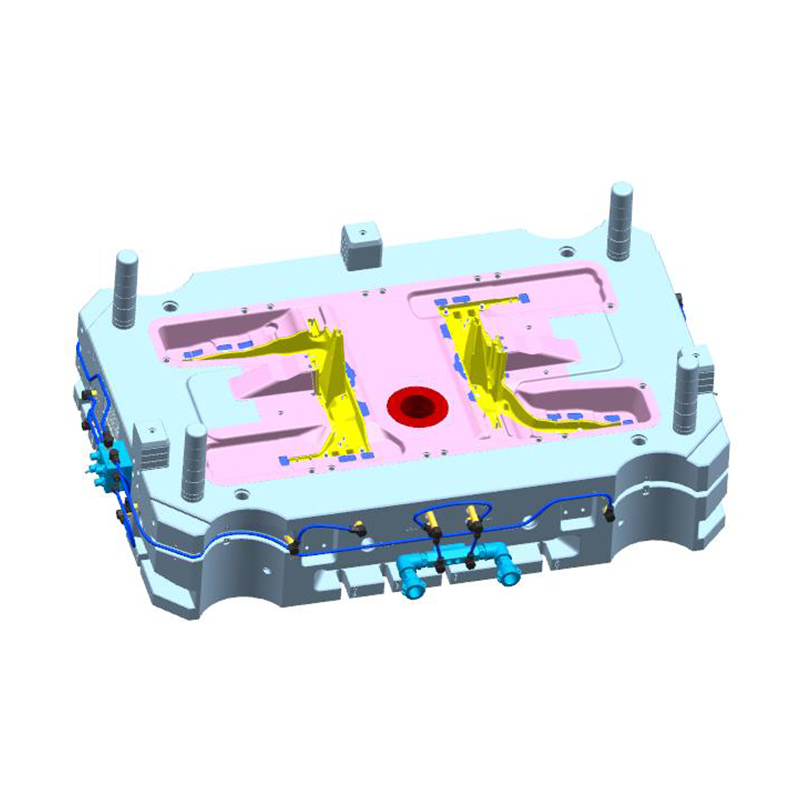
Die Casting vs Injection Molding: Complete Guide to New Energy Vehicle Die Casting Molds
2026-07-23
Content
Die casting and injection molding represent distinct manufacturing processes each offering unique advantages and limitations for producing complex metal and plastic components, with die casting utilizing high pressure metal injection into steel molds enabling rapid production of dimensional precise metal parts while injection molding forces melted plastic polymer into precision tooling creating complex geometry plastic components. Die casting excels in automotive applications requiring metal components with superior dimensional stability, thermal conductivity, and mechanical strength, while injection molding dominates plastic component production where cost efficiency, design flexibility, and aesthetic appearance drive material selection. New energy vehicle manufacturing increasingly employs die casting technology for motor housings, battery enclosures, and drivetrain components requiring lightweight construction, superior heat dissipation, and exceptional dimensional accuracy achieving production tolerances of plus or minus 0.1 millimeter compared to plus or minus 0.3 millimeter typical of injection molding processes.
Die casting process involves melting aluminum, magnesium, or zinc alloys to molten state temperatures ranging from 600 to 700 degrees Celsius then injecting liquefied metal into hardened steel molds under pressure between 1000 and 3000 bar enabling rapid solidification and precise geometry replication of mold cavity. Process control and material selection fundamentally influence component quality and production efficiency.
High pressure injection systems forcing molten metal into dies at velocities between 1 to 3 meters per second enable rapid mold cavity filling preventing premature solidification that would create dimensional defects or incomplete geometry formation. Pressure profile management throughout injection cycle enables controlled metal flow preventing air entrapment and porosity formation. Sophisticated hydraulic systems enable precise pressure variation during cycle optimizing component density and mechanical properties.
Temperature control throughout die casting process critically influences component quality with mold cooling water channels maintaining die temperature between 150 to 300 degrees Celsius enabling optimal metal solidification rate preventing thermal shock and die degradation. Inadequate cooling extends cycle time while excessive cooling causes die stress and premature failure. Modern dies incorporate conformal cooling channels following cavity geometry enabling uniform temperature distribution and reduced cycle times by 15 to 25 percent.
Injection molding heats thermoplastic polymers to softening temperatures between 180 to 300 degrees Celsius then forces molten polymer into precision molds under pressures between 50 to 200 bar enabling complex geometry replication in single production cycle. Polymer flow behavior influenced by temperature, pressure, and material viscosity requires careful process parameter control ensuring complete mold filling and consistent component quality.
| Parameter | Die Casting | Injection Molding | Key Difference |
|---|---|---|---|
| Material | Aluminum, magnesium | Thermoplastic polymer | Metal vs plastic |
| Temperature | 600 to 700 degrees C | 180 to 300 degrees C | Metal hotter |
| Injection Pressure | 1000 to 3000 bar | 50 to 200 bar | DC higher pressure |
| Cycle Time | 20 to 60 seconds | 30 to 120 seconds | DC typically faster |
Electric vehicle motor manufacturing increasingly depends on die casting technology for producing aluminum motor housings, stator frames, and heat dissipation components requiring superior thermal conductivity, dimensional precision, and weight efficiency enabling extended vehicle driving range and improved thermal management.
Die cast aluminum motor housings provide superior thermal conductivity dissipating motor generated heat directly to surrounding environment enabling efficient motor operation at elevated power levels without thermal degradation of internal components. Thermal conductivity of aluminum at 160 watts per meter Kelvin compared to plastic alternatives at 0.2 to 0.5 watts per meter Kelvin enables 300 to 800 times better heat transfer capability. Lightweight aluminum construction reducing total motor weight by 30 to 50 percent compared to cast iron alternatives enables improved vehicle acceleration and extended driving range.
Die casting enables production of precision bearing surfaces supporting motor shaft rotation with dimensional tolerances of plus or minus 0.05 millimeter enabling minimal bearing clearances reducing mechanical friction and extending bearing service life to 5000 to 8000 operating hours. Geometric complexity of bearing support surfaces including angular contact surfaces and load distribution features achievable through die casting enables superior bearing performance compared to secondary machining operations.
Advanced die casting mold designs incorporate integrated cooling channels enabling circulation of cooling fluid through motor housing removing generated heat preventing temperature rise above 120 degrees Celsius maintaining optimal motor efficiency and winding insulation preservation. Channel geometry optimization through computational fluid dynamics simulation enables 40 to 60 percent improvement in cooling efficiency compared to conventional parallel channel designs.
New energy vehicle manufacturing demands specialized die casting mold designs addressing unique requirements of electric propulsion systems including thermal management, weight reduction, electromagnetic compatibility, and production efficiency enabling rapid scaling to meet growing EV market demand.
Modern die casting mold designs integrate multiple structural functions into single castings reducing component count by 30 to 50 percent and assembly labor by 40 to 60 percent compared to traditional welded or bolted assemblies. Integrated boss features, threaded inserts, and mounting surfaces eliminate secondary machining and assembly operations accelerating production timelines and reducing total manufacturing cost.
New energy vehicles demanding extended driving range and rapid acceleration require motors producing 100 to 200 kilowatt continuous power requiring specialized cooling approaches with die cast aluminum housings incorporating optimized cooling channel networks enabling motor operation at sustained high power levels without thermal limitation.
Die cast aluminum housings provide electromagnetic compatibility shielding reducing electromagnetic interference affecting vehicle electronics and radio reception, while mass and internal geometry features attenuate motor noise reducing cabin noise levels by 5 to 10 decibels compared to alternative construction methods.
EV market expansion requiring production volume scaling from thousands to millions of units annually demands rapid mold development and modification capability where die casting tooling enables design changes and production scaling within 4 to 8 week timeframe compared to 12 to 16 weeks for alternative manufacturing methods.
Battery enclosure and thermal management systems represent critical components for new energy vehicles requiring robust design preventing environmental exposure, managing thermal stress, and maintaining structural integrity during vehicle collision and impact conditions with die casting molds enabling precision production meeting demanding requirements.
Die cast aluminum battery housings seal electrochemical cell assemblies from moisture, salt, and chemical contaminants requiring precision sealing surface design with dimensional tolerances of plus or minus 0.1 millimeter enabling effective gasket compression and environmental protection throughout battery lifespan spanning 8 to 10 years.
Battery thermal management during charging and discharging cycles requires dedicated cooling surfaces where die cast aluminum housings incorporate integrated mounting surfaces for cooling plates achieving thermal conductance of 1000 to 2000 watts per degree Celsius enabling effective heat removal from cell assemblies maintaining operating temperature below 45 degrees Celsius preserving battery performance and cycle life.
Die cast battery enclosures incorporating ribbed internal structure and integrated crush zones provide impact protection during vehicle collision events distributing impact energy over large area preventing cell rupture or short circuit from mechanical damage. Strategic material distribution through die casting enables optimal strength to weight ratio exceeding welded steel designs by 15 to 25 percent.
Battery enclosure design incorporating electrical isolation provisions including non conductive gasket materials, isolated terminal bushings, and insulating coating systems prevent high voltage current flow during fault conditions protecting vehicle occupants and service personnel from electrical hazard.
Electric drive transmission and power distribution components require specialized die casting molds enabling production of complex aluminum housings for gearboxes, motor controllers, and power electronics assemblies combining multiple functional requirements within compact space envelope.
Single speed reduction gearboxes in electric vehicles require precision aluminum housings with internal bearing bores, oil passages, and thermal management surfaces where die casting enables integrated design eliminating multiple separate components and assembly steps. Internal oil passages cast directly into housing structure reduce pressure drop by 20 to 30 percent improving lubrication efficiency and reducing parasitic power loss.
Motor controller and power inverter components generating significant heat during rapid acceleration and charging duty require specialized die cast aluminum housings incorporating direct thermal contact surfaces for power semiconductor devices enabling continuous operation without thermal throttling. Integrated mounting provisions accommodate diverse power switch configurations optimizing performance across vehicle platform variants.
Die cast aluminum housings integrate high current connector passages and bus bar mounting surfaces eliminating separate connector assemblies and reducing electrical connection resistance by 20 to 40 percent compared to conventional bolt mounted designs. Integrated design reduces electromagnetic interference and improves overall powertrain efficiency by 1 to 3 percent.
Modern die casting mold designs supporting multiple platform variants through modular cavity configuration enable single toolset producing different housing configurations reducing total tooling investment by 30 to 50 percent while maintaining rapid production capability and design flexibility.
Injection molding dominates production of plastic components for electric vehicles including air ducts, cable management components, sensor housings, and cosmetic trim where design flexibility, cost efficiency, and aesthetic appearance drive material and process selection.
Common injection molding polymers including polypropylene, nylon, and polyurethane offer design flexibility and cost advantages where lightweight plastic components reduce overall vehicle weight improving driving range and acceleration performance. Reinforced polymer variants incorporating 20 to 40 percent fiber loading provide mechanical properties approaching lightweight metals enabling structural component applications.
Injection molding enables production of complex geometry plastic components with thin wall sections, undercuts, and intricate features infeasible through alternative manufacturing methods, enabling integrated design consolidating multiple parts into single molded component reducing assembly labor by 30 to 50 percent.
Injection molding accommodates diverse surface finishes including gloss, matte, textured, and colored appearance customization enabling design differentiation without post manufacturing finishing operations. Texture and color integration during production cycle reduces manufacturing cost compared to secondary painting and finishing processes.
Injection molding cost structure favors high volume production with per unit material and labor cost declining 50 to 70 percent from initial pilot production volumes to mature high volume manufacturing, making plastic components economical choice for widely used design elements across vehicle platforms.
Optimal process selection between die casting and injection molding requires systematic evaluation of component function, performance requirements, production volume, and cost targets ensuring manufacturing process aligns with product design and business objectives.
Thermal management demands and electrical conductivity requirements favor die casting aluminum production, while dimensional precision and complex geometry prefer injection molding plastic alternatives when thermal requirements permit plastic material selection. Hybrid approaches combining die cast aluminum structural components with injection molded plastic surfaces optimize performance and cost.
Die casting tooling cost of 50000 to 200000 USD per mold justifies investment for components produced in volumes exceeding 100000 units annually, while injection molding tooling cost of 20000 to 80000 USD enables profitability at volumes as low as 50000 units annually. Startup production costs and mold development timelines influence technology selection for new vehicle programs.
Die casting aluminum material cost averaging 3 to 5 USD per kilogram combined with 5 to 15 percent scrap rate results in total material cost of 0.50 to 1.50 USD per component, while injection molding plastic material cost averaging 1 to 3 USD per kilogram with 10 to 20 percent scrap rate results in comparable per unit material cost despite lower material prices.
Die casting forces molten metal at 600 to 700 degrees Celsius into hardened steel dies under 1000 to 3000 bar pressure enabling rapid metal component production, while injection molding forces melted polymer at 180 to 300 degrees Celsius into precision molds under 50 to 200 bar pressure producing plastic components. Metal die casting provides superior thermal conductivity and mechanical strength while plastic injection molding offers design flexibility and lower tooling cost.
Die cast aluminum provides 300 to 800 times superior thermal conductivity compared to plastic alternatives enabling efficient heat dissipation from high power electric motors, while aluminum construction reduces weight 30 to 50 percent compared to cast iron extending vehicle driving range and improving acceleration performance. Superior dimensional precision of plus or minus 0.05 millimeter enables minimal bearing clearances improving motor efficiency.
Specialized battery housing molds incorporate integrated cooling surface mounting provisions and internal passages enabling effective heat transfer from battery cells maintaining operating temperature below 45 degrees Celsius preserving battery cycle life and performance. Precision sealing surfaces with plus or minus 0.1 millimeter tolerances enable effective gasket compression preventing environmental moisture penetration.
Die casting tooling cost of 50000 to 200000 USD per mold justifies investment for components produced in volumes exceeding 100000 units annually, while injection molding tooling at 20000 to 80000 USD enables profitability at lower volumes. Rapid production scaling enabling 5 to 10 million components annually becomes economically optimal for high volume vehicle production.
Conformal cooling channels optimized through computational fluid dynamics enable 40 to 60 percent improvement in cooling efficiency directing coolant flow directly across heat generation areas maintaining motor operating temperature enabling sustained high power operation without thermal throttling. Optimized channel geometry reduces coolant pressure drop by 20 to 30 percent improving lubrication and heat transfer efficiency.
Aluminum die cast housings provide electromagnetic compatibility shielding reducing electromagnetic interference from high power motor and controller circuits affecting vehicle electronics and radio reception, while internal geometry features attenuate motor noise reducing cabin noise levels by 5 to 10 decibels. Integrated shielding eliminates separate shielding components reducing cost and complexity.
Injection molding enables production of complex geometry plastic components with thin wall sections, undercuts, and intricate features consolidating multiple parts into single molded component reducing assembly labor by 30 to 50 percent and total manufacturing cost. Surface finish customization including texture and color integration during production cycle eliminates secondary finishing operations.
Modern die casting achieves dimensional tolerances of plus or minus 0.05 millimeter for critical bearing surfaces enabling minimal bearing clearances reducing mechanical friction by 10 to 20 percent compared to conventionally machined alternatives extending bearing service life to 5000 to 8000 operating hours. Tight tolerance control requires advanced process monitoring and die temperature control systems.
Modern mold designs incorporating modular cavity configuration enable single toolset producing different housing configurations supporting multiple vehicle platform variants reducing total tooling investment by 30 to 50 percent while maintaining rapid production capability and design flexibility. Quick change cavity systems enable tooling investment amortization across multiple product generations.
Die cast aluminum gearbox housings incorporate integrated oil passages reducing pressure drop by 20 to 30 percent improving lubrication efficiency, while internal bearing bores and thermal management surfaces achieve plus or minus 0.1 millimeter tolerances enabling precision bearing installation and optimal load distribution. Integrated design reduces component count and assembly labor by 40 to 60 percent compared to welded or bolted assemblies.
Wangshan Road, Jiangbei District, Ningbo, Zhejiang, China
86-135-64796935
Copyright © Ningbo NKT Tooling Co., Ltd. All Rights Reserved.
 Login
Custom Automotive Aluminum/Zinc Die Casting Molds Manufacturers
Login
Custom Automotive Aluminum/Zinc Die Casting Molds Manufacturers
