
 English
 中文简体
中文简体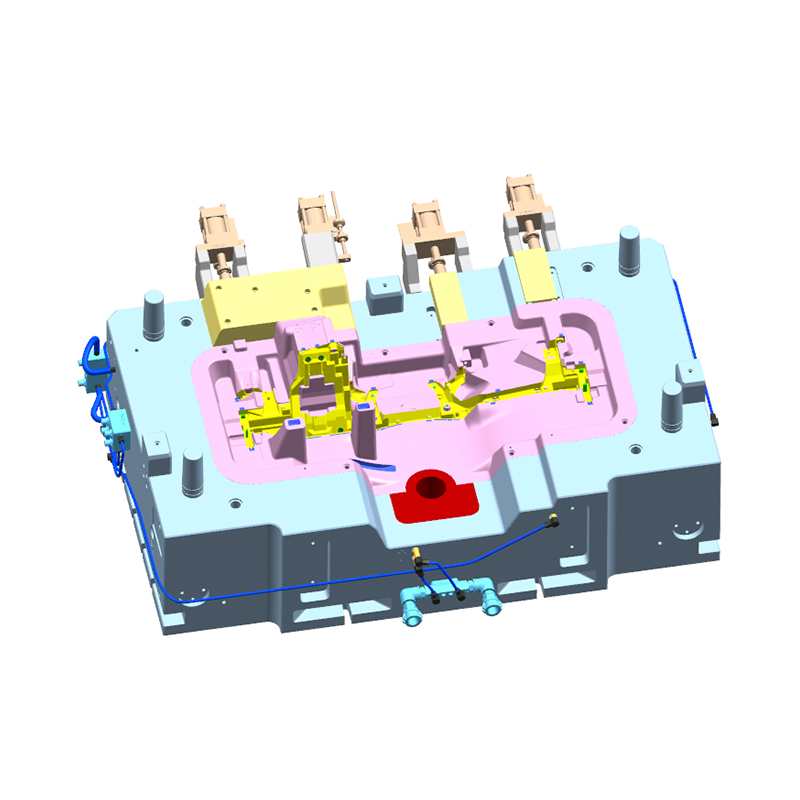



Contact Information
-
 Wangshan Road, Jiangbei District, Ningbo, Zhejiang, China
 -
 86-135-64796935


Get A Quote
Why Are Die Casting Molds for Motors Critical for Electric Vehicle Performance and Reliability?
2026-07-16
Content
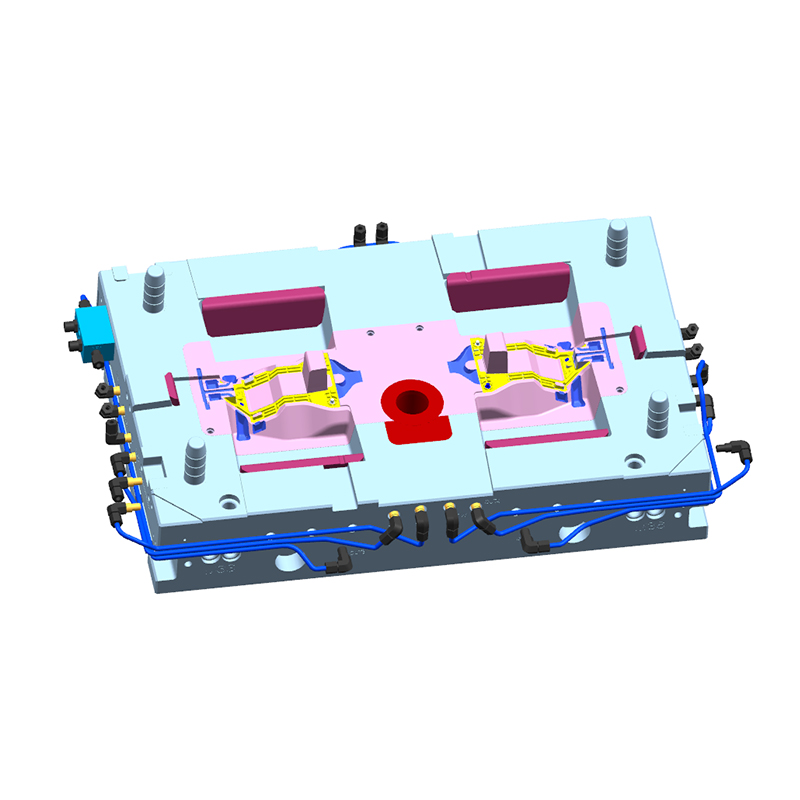
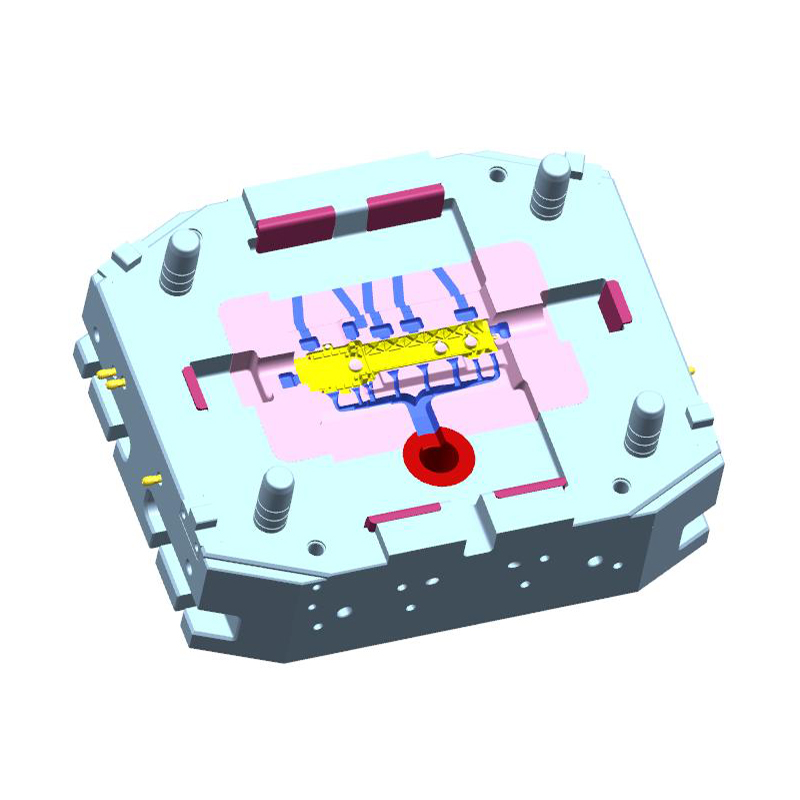
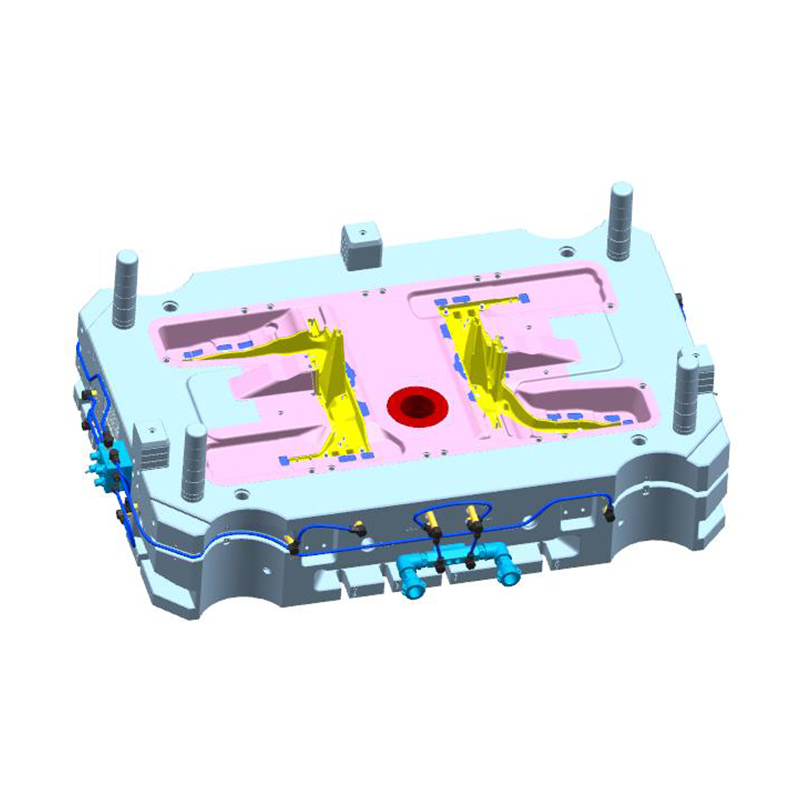
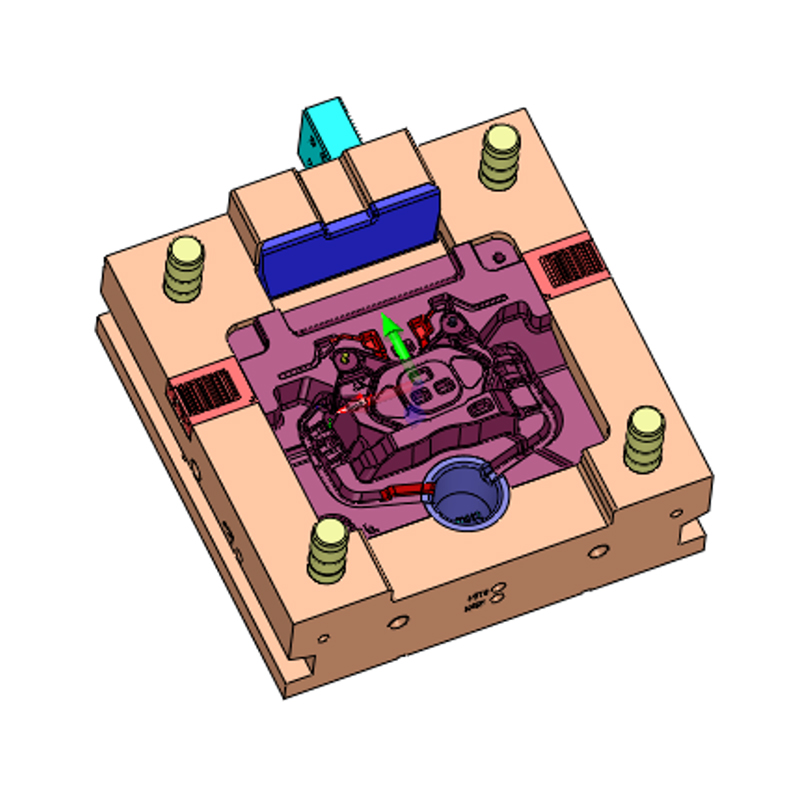
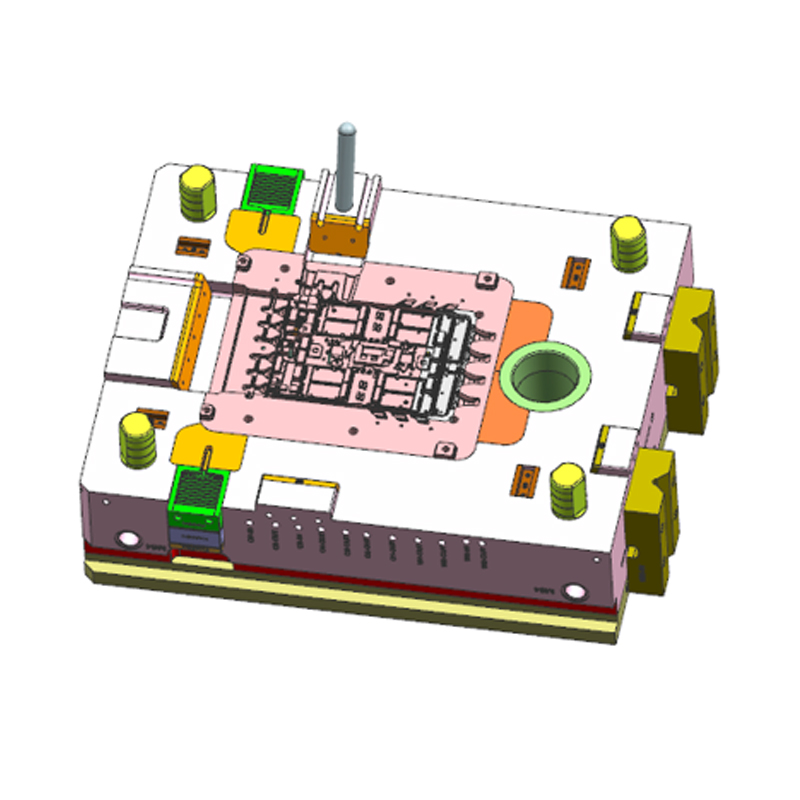
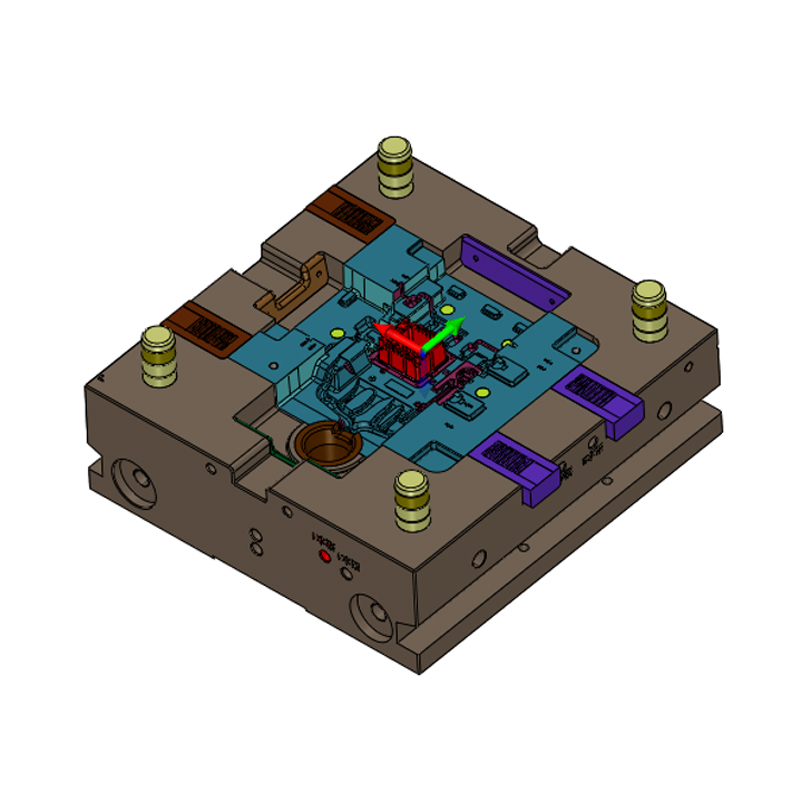
Die casting molds for motors are specialized tooling systems used to produce motor housings, covers, end caps, and other structural components through the high-pressure die casting process. A die casting mold for a motor housing typically consists of two main halves: the fixed mold half and the movable mold half, which together form the cavity that shapes the molten aluminum alloy into the final part.
The mold incorporates several critical systems: a runner and gate system that delivers molten metal to the cavity, a cooling system that controls solidification, an ejection mechanism that removes the finished part, and a venting system that allows trapped air to escape. For motor housings, which often feature complex internal geometries, thin walls, and integrated cooling channels, the mold design must accommodate these demanding requirements with exceptional precision.
Die casting molds for motors are typically made from premium hot-work tool steels, with H13 being the most common choice due to its excellent wear resistance, high strength, and good thermal conductivity. These materials enable the mold to withstand the extreme conditions of the die casting process—molten aluminum temperatures around 650°C, injection pressures ranging from 1,000 to 30,000 psi, and rapid thermal cycling that would quickly degrade lesser materials.
The importance of die casting molds for motors cannot be overstated. A well-designed mold directly impacts product quality, production efficiency, and manufacturing costs. Conversely, a poorly designed or worn mold can lead to defects, excessive downtime, and scrapped parts.
Quality and Performance: The mold determines the dimensional accuracy, surface finish, and structural integrity of the motor housing. For electric vehicle motors, which require extreme airtightness, complex internal cooling passages, and tight dimensional tolerances, the mold design must be exceptionally precise. Research on motor housing produced by the HPDC process has shown that filling behavior simulation results can be reflected in optimal mold design.
Production Efficiency: An effective cooling system is one of the main factors to reduce cycle time and increase cost effectiveness in mass production. The mold's cooling channels control the solidification rate, and by optimizing their layout and flow path, temperature imbalance can be reduced and production efficiency improved. Proper cooling system design also helps prevent aluminum sticking to the mold and improves the internal quality of castings.
Cost-Effectiveness: While die casting molds represent a significant capital investment, they enable high-volume production with low per-part costs. A standard H13 mold can achieve a minimum of 100,000 shots, and with proper maintenance, some molds can produce over one million parts. This longevity makes die casting the most economical choice for large-scale motor housing production.
Thermal Management: Motor housings function as critical heat exchangers for electric motors. The mold must facilitate casting integrated features like intricate cooling channels, heat sinks, and flow guides, ensuring uniform heat transfer from the casting and preventing thermal stresses within the mold itself.
Designing a die casting mold for a motor housing is a multi-faceted engineering challenge that demands a deep understanding of both the casting process and the end-use application. Here are the essential design considerations.
The parting line determines how the mold splits into two halves. For motor housings, the parting line is typically selected on the symmetry plane of the housing, with sliders designed on both sides to form flange surfaces. The inner cavity is often designed on the movable mold side to facilitate ejection, but for complex geometries, sliders may be used to form internal features and reduce deformation during demolding.
The layout of the cavity must account for draft angles—typically 1.5° for pre-die casting holes and 2° to 3° for the rest of the part—to ensure smooth demolding. For motor housings with thin walls (as low as 4 mm) and complex reinforcement ribs, the cavity design must balance structural integrity with weight reduction.
The runner and gate system is designed to efficiently deliver molten metal to the mold cavity. The gate is positioned in the wide area of the motor housing outline, with slag bags and exhaust channels designed on the opposite side. For motor housings with long filling distances—such as a 500 mm long cylindrical portion—the gate design must ensure uniform filling and minimize turbulence to avoid defects.
The cross-sectional area of the inner gate is calculated based on the volume of the casting and overflow tank, typically around 202 mm² for medium-sized motor housings. This calculation helps determine the appropriate die casting machine pressure, often initially selected at 3.50 × 10⁵ kN.
An effective cooling system is essential to control mold temperature and ensure uniform solidification. The cylindrical portion of a motor housing, which can be 500 mm long and only 4 mm thick, presents significant cooling challenges. The long distance of molten aluminum filling the cavity inevitably leads to a sharp rise in mold temperature.
Advanced cooling solutions include 3D-printed conformal cooling channels that follow the contour of the part. For complex areas where traditional machining is impossible, mold inserts with 3D-printed channels are used. These inserts, fabricated from high-purity alloy powders using laser melt deposition, achieve cooling channel diameters as small as 1 mm at sharp corners, ensuring that the outer wall of the channel is less than 8 mm from the mold surface.
This precise conformal cooling resolves the issue of uneven thermal conductivity on complex mold surfaces. Sensors and solenoid valves connected to the die-casting equipment control system intelligently manage mold operating temperature.
Proper venting is crucial to allow air to escape from the mold cavity during filling, preventing the formation of porosity and other defects. For motor housings, slag bags and exhaust channels are designed on the hollow flange side to meet filling requirements and obtain better quality castings.
When motor housing features weak structural areas—such as large hollow flanges—bridge structures are designed at the filling end to enhance casting strength and prevent poor molding.
Computer-aided engineering (CAE) mold flow analysis has become standard practice in motor housing mold design. Software such as Anycasting simulates the filling process, allowing engineers to observe flow distribution, turbulence, and vortex states. The analysis identifies hot spots—areas where solidification is slower—so that cooling structures can be optimized.
Finite element method simulations enable confirmation of filling patterns and product defects before any steel is cut. The analysis results obtained from filling behavior agree with experimental results, allowing optimal mold design to be achieved.
The choice of material for die casting molds directly affects durability, performance, and cost. Several materials are commonly used, each with specific advantages.
H13 Tool Steel: This is the most commonly used material for die casting molds due to its excellent wear resistance, high strength, and good thermal conductivity. H13 is a chromium-based hot work die steel designed for increased production rates and longer tool life. It can be used for tool temperatures up to about 540°C with brief exposures up to 595°C. Standard H13 molds achieve a hardness of HRC 46-50 after vacuum heat treatment and can deliver a minimum of 100,000 shots.
Premium H13: For demanding applications, premium grades produced by electroslag remelting (ESR) or vacuum arc remelting (VAR) offer superior cleanliness and uniformity, reducing the risk of defects and extending mold life.
P20 Tool Steel: This material is preferred for its good machinability and lower cost compared to H13. However, it has lower wear resistance and strength.
Beryllium Copper: Used for specific components within the mold, such as cores and inserts, due to its excellent thermal conductivity and wear resistance.
Stainless Steel: Used in applications where corrosion resistance is required, although it is less common due to higher cost and lower thermal conductivity.
Advanced mold materials are also emerging. Some manufacturers use steel with enhanced properties for water-cooled plunger tips, significantly increasing longevity. The selection of mold material must balance wear resistance, strength, thermal conductivity, machinability, and cost.
The production of die casting molds for motors is a precision-intensive process that involves multiple stages.
Design and Engineering: The process begins with 3D CAD design, often using software such as UG or CATIA. Design includes detailed part geometry, cooling channels, gating, and ejection features. CAE simulation tools like Anycasting and Magmasoft are used to optimize the design before manufacturing.
Material Selection and Preparation: The chosen tool steel is procured in blocks or rounds, often pre-hardened for machinability.
Rough Machining: CNC milling removes excess material to create the basic shape of the mold.
Heat Treatment: The mold undergoes vacuum heat treatment to achieve the desired hardness, typically HRC 46-50 for H13 molds. This step minimizes distortion and surface oxidation.
Finish Machining: Precision CNC machining, EDM (Electrical Discharge Machining), and grinding achieve final dimensions and surface finish. The cavity surface is polished to ensure good part release and surface quality.
Assembly and Fitting: Mold components—cavity inserts, cores, sliders, lifters, ejector pins, and cooling lines—are assembled and fitted.
Testing and Validation: The finished mold is mounted in a die casting machine for trial runs. Process parameters are adjusted to achieve the desired part quality.
Surface Treatment: Nitriding or PVD coatings may be applied to improve wear resistance and reduce soldering.
Defects in die-cast motor housings can compromise performance, safety, and reliability. Understanding these defects helps mold designers implement preventive measures.
Porosity: The most common problem affecting mechanical strength. Porosity occurs when air or gas is trapped during filling, or when moisture from die lubricant remains in the cavity. Prevention includes proper venting, optimized gate design, and vacuum assistance. High-vacuum die casting removes air before injection. For water jackets, trapped air creates porosity in the aluminum walls, which can cause leaks.
Shrinkage Defects: Shrinkage and porosity defects occur in thick wall sections. Proper feeding through gating and risering, along with appropriate cooling channel placement, mitigates this issue.
Cold Shuts and Misruns: These occur when molten metal fails to fill thin sections or complex features completely. Thin walls (often less than 2 mm) require extremely fast filling to avoid cold shuts. Mold flow simulation helps optimize filling patterns to prevent these defects.
Soldering and Washout: Aluminum sticking to the mold surface can cause soldering. Surface coatings, proper steel selection, and controlled injection parameters reduce these effects.
Warpage and Dimensional Instability: Inconsistent solidification leads to parts that don't meet tight tolerances. Advanced cooling systems with conformal cooling channels ensure uniform thermal distribution.
Water Jacket Leaks: Porosity in water jacket walls compromises cooling efficiency. High-vacuum die casting and rigorous flow simulation are essential for zero-defect production.
Zero-defect production is a primary goal in the automotive industry, and achieving this requires investment in research, development, and advanced mold design.
The die casting industry is rapidly evolving with new technologies that enhance mold performance, reduce costs, and improve sustainability.
3D-Printed Conformal Cooling: Additive manufacturing enables cooling channels that follow the part contour, dramatically improving heat dissipation. Using high-purity alloy powders in laser melt deposition, 3D-printed inserts achieve cooling channel diameters as small as 1 mm. After hot isostatic pressing, vacuum quenching, and surface laser coating, these inserts achieve mechanical properties comparable to wrought materials.
Intelligent Temperature Control: Sensors and solenoid valves connected to die-casting equipment control systems intelligently manage mold operating temperature. This reduces aluminum sticking and improves casting quality.
Advanced Simulation: The use of mold flow simulation software such as Anycasting, Magmasoft, and other CAE tools has become standard. These tools predict defects and optimize designs before manufacturing.
High-Vacuum Die Casting: Vacuum technology removes air from the cavity before injection, dramatically reducing porosity. This is particularly important for water jacket cooling channels that require near-perfect sealing.
Lightweighting: Finite element analysis enables wall thickness reduction while maintaining strength. Motor housing weight can be reduced from 15 kg to 8 kg through optimized structural design.
Integrated Castings: The trend toward integrated die-casting body structures for electric vehicles is accelerating. Large-scale integrated forming technologies, with machines up to 16,000 metric tons, enable production of unified chassis sections, battery housings, and motor frames.
Die casting molds for motors are essential across multiple industries, with the automotive sector being the largest driver of demand.
Electric Vehicles: Battery-electric vehicles demand larger, integrated castings for motor frames, battery housings, and unified chassis sections. The electrification of automotive powertrains is shifting demand toward lightweight, high-precision die cast components such as e-motor housings and integrated control units. Motor housings are manufactured using vacuum die casting with single-cavity die designs, often applying 3000T to 3500T die casting machines.
Industrial Equipment: Motors for pumps, compressors, and industrial machinery rely on die-cast housings for durability and thermal management.
Consumer Electronics: Die-cast motor components are used in appliances, power tools, and consumer goods.
The global motor housing casting market is projected to grow at a CAGR of 3.6% from 2025 to 2035, driven by increased demand for electric vehicles and lightweight materials. The automotive powertrain aluminum die casting market demonstrates robust growth, propelled by rising regulatory demands for weight reduction and lower emissions.
The broader automotive parts die casting market is projected to grow significantly, with major manufacturers investing in ultra-large intelligent die-casting production lines capable of producing integrated front cabins, rear floors, and battery housings.
Die casting molds for motors are precision-engineered tooling systems used to produce motor housings, covers, and other components through high-pressure die casting. They consist of fixed and movable mold halves that form the cavity shaping molten aluminum into the final part.
H13 tool steel is the most commonly used material due to its excellent wear resistance, high strength, and good thermal conductivity. Premium grades and specialty materials like beryllium copper are used for specific applications.
A standard H13 mold can achieve a minimum of 100,000 shots. With proper maintenance, some molds can exceed one million production cycles.
Key considerations include parting line selection, runner and gate system design, cooling system optimization, venting, ejection mechanisms, and CAE mold flow analysis. Thermal management is particularly critical for motor housings.
Common defects include porosity, shrinkage, cold shuts, soldering, warpage, and dimensional instability. Porosity is the most common problem affecting mechanical strength.
Porosity is prevented through proper venting, optimized gate design, vacuum assistance, and advanced cooling systems. High-vacuum die casting removes air before injection.
Conformal cooling uses cooling channels that follow the contour of the part, enabling faster and more uniform cooling. 3D-printed conformal cooling channels can be as small as 1 mm in diameter.
Motor housings function as critical heat exchangers for electric motors. The mold must ensure uniform heat transfer and prevent thermal stresses. Poor thermal management leads to aluminum sticking, porosity, and reduced casting quality.
Modern motor housings feature thin walls, often reduced to 4 mm through finite element analysis. Some designs go below 2 mm for specific applications.
The market is growing rapidly, driven by electric vehicle adoption. The global motor housing casting market is projected to grow at a CAGR of 3.6% from 2025 to 2035, with automotive die casting expected to grow significantly.
High-vacuum die casting removes air from the cavity before molten metal is injected, dramatically reducing porosity. This is essential for water jacket cooling channels that require near-perfect sealing.
Mold flow simulation software like Anycasting and Magmasoft predicts filling patterns, identifies defects, and optimizes gate and runner designs before manufacturing, reducing costly trial-and-error.
Yes, minor repairs like welding cracks, polishing, and recoating can extend mold life. Extensive repairs may weaken the mold and shorten its service life.
Key trends include 3D-printed conformal cooling, intelligent temperature control, high-vacuum die casting, lightweighting, and integrated castings for electric vehicles.
Look for experience in motor housing applications, design and simulation capabilities, advanced manufacturing facilities, quality certifications (ISO 9001, IATF 16949), and material quality. Evaluate lead times, support, and cost transparency.
Wangshan Road, Jiangbei District, Ningbo, Zhejiang, China
86-135-64796935
Copyright © Ningbo NKT Tooling Co., Ltd. All Rights Reserved.
 Login
Custom Automotive Aluminum/Zinc Die Casting Molds Manufacturers
Login
Custom Automotive Aluminum/Zinc Die Casting Molds Manufacturers
