
 English
 中文简体
中文简体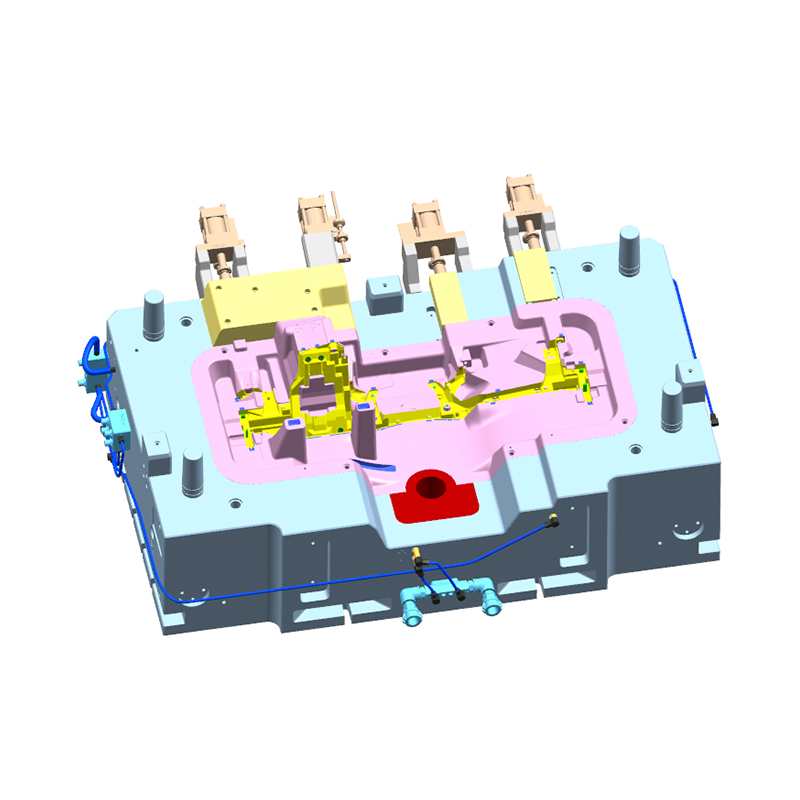



Contact Information
-
 Wangshan Road, Jiangbei District, Ningbo, Zhejiang, China
 -
 86-135-64796935


Get A Quote
What Are Aluminum Alloy Die Casting Molds and How Do They Impact Manufacturing Efficiency?
2026-07-09
Content
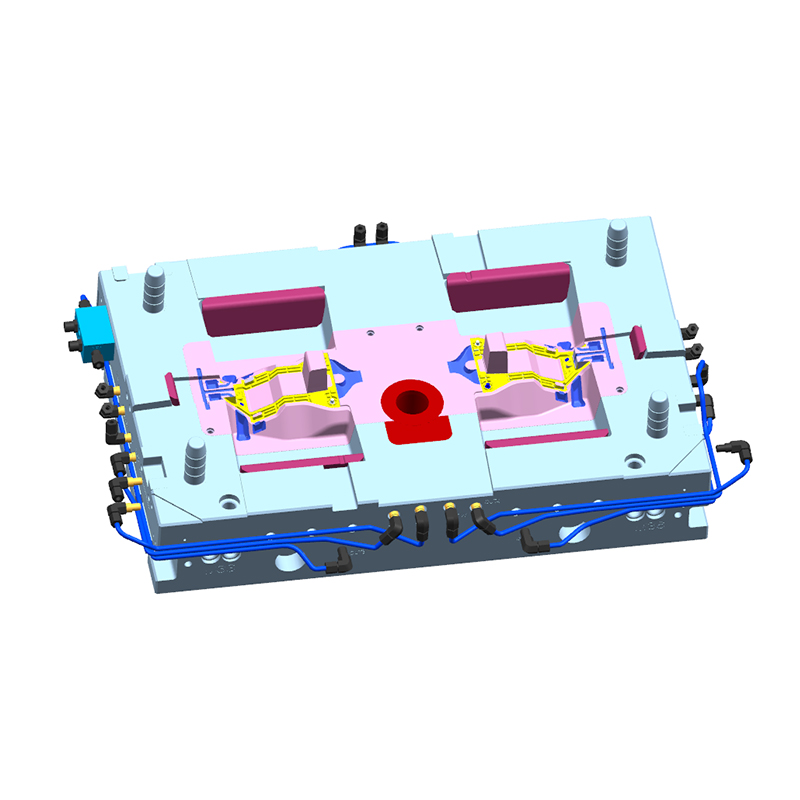
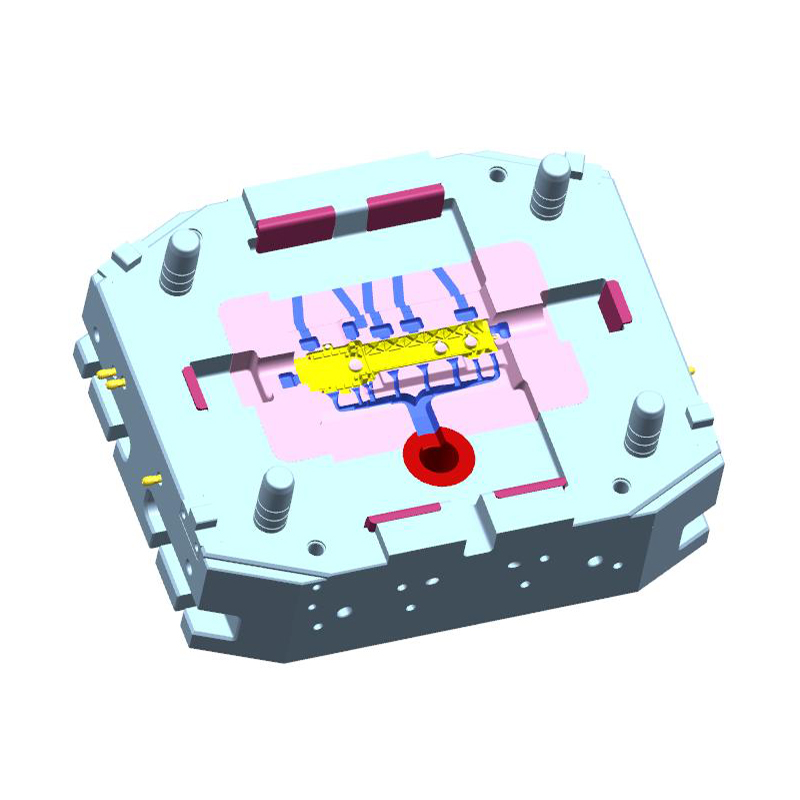
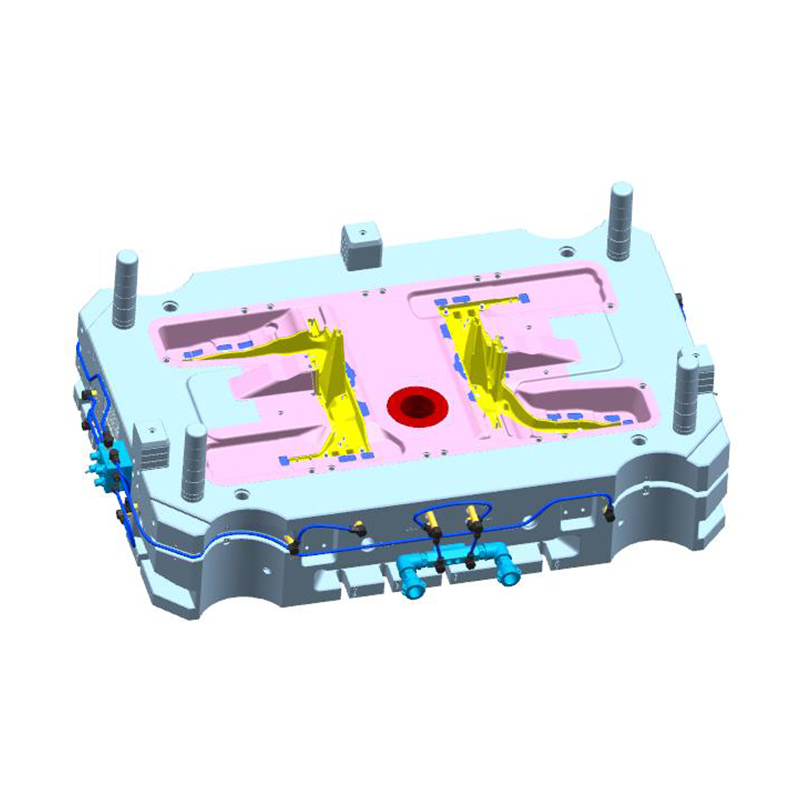
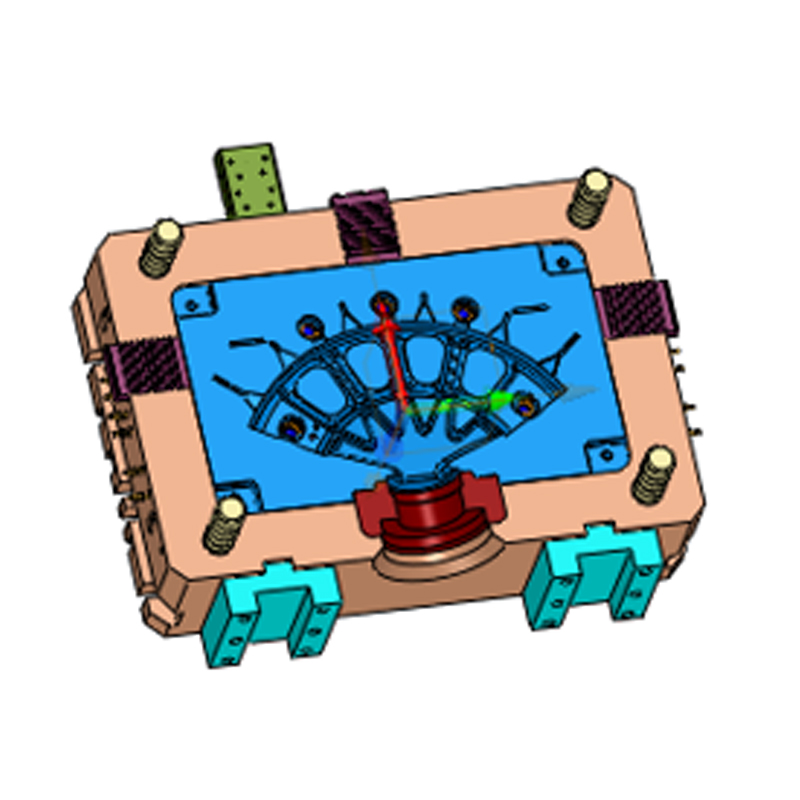
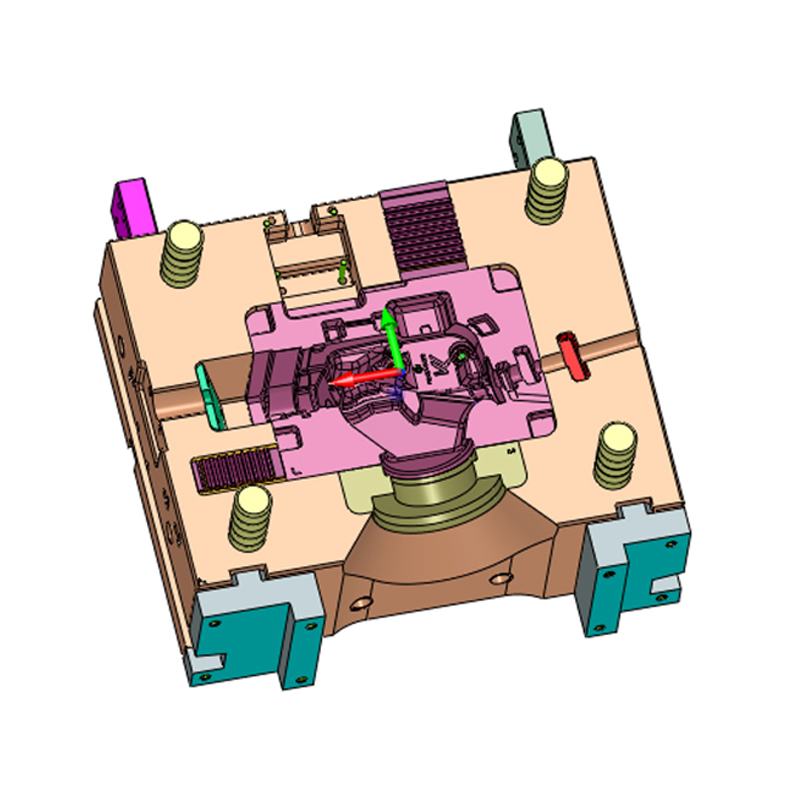
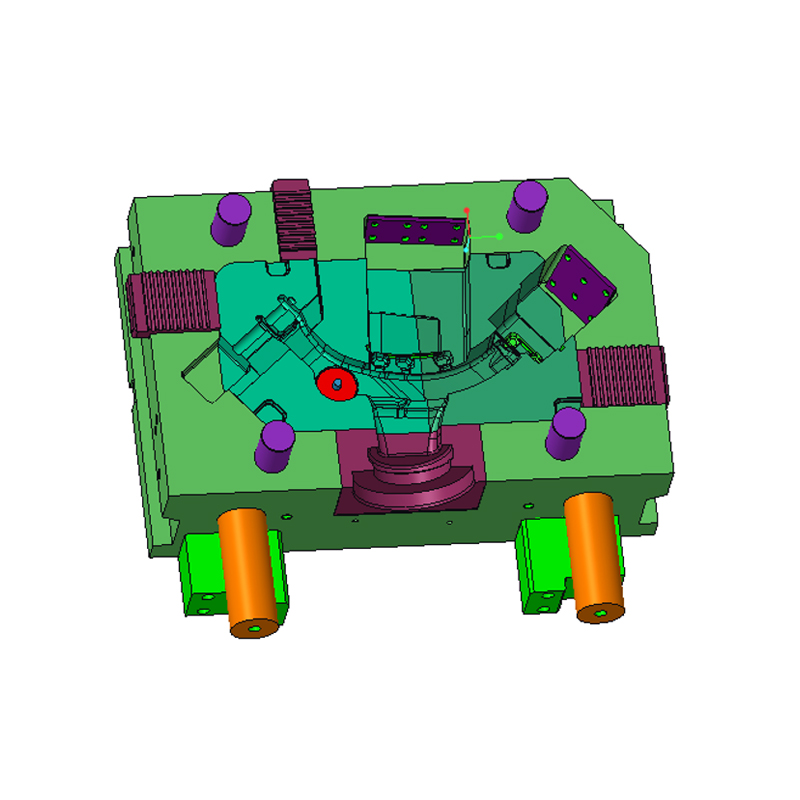
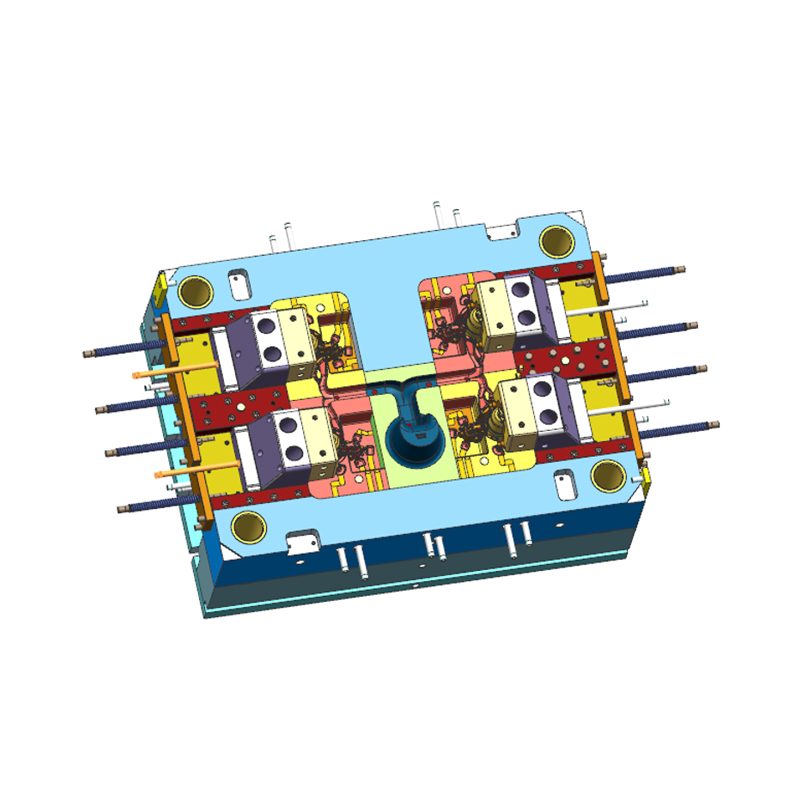
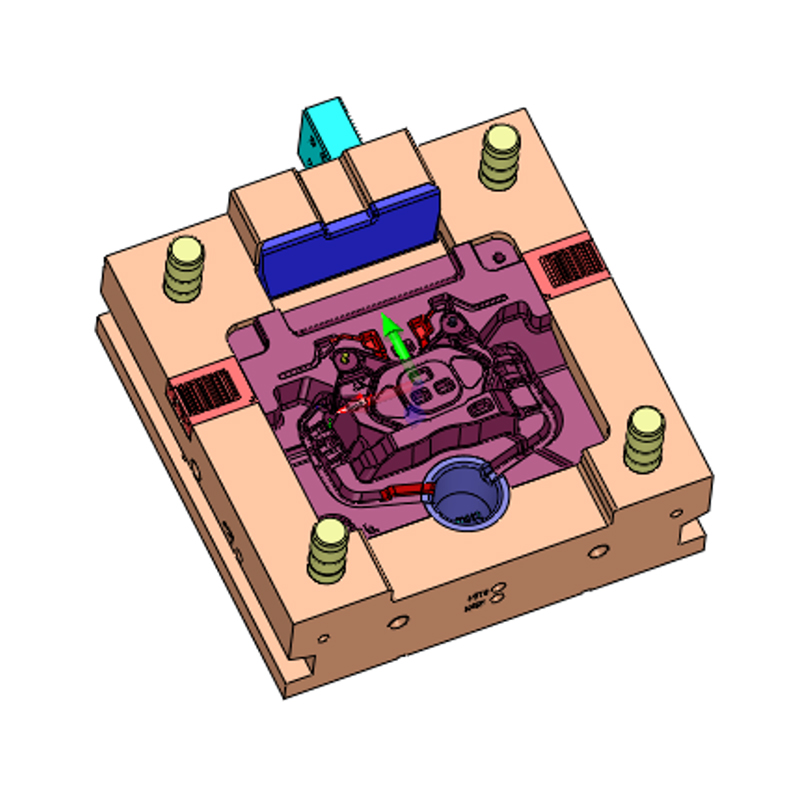
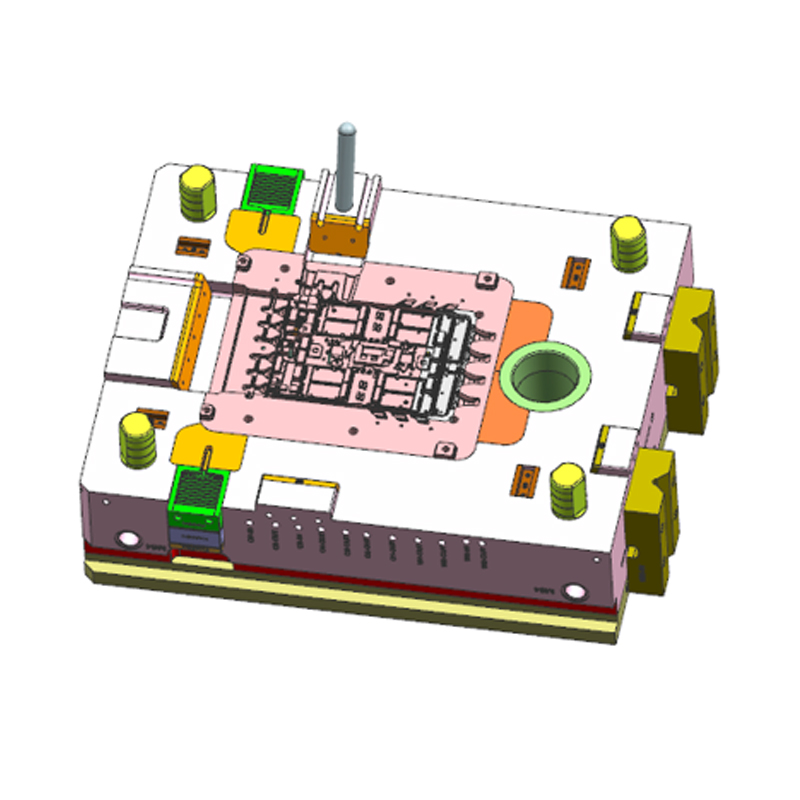
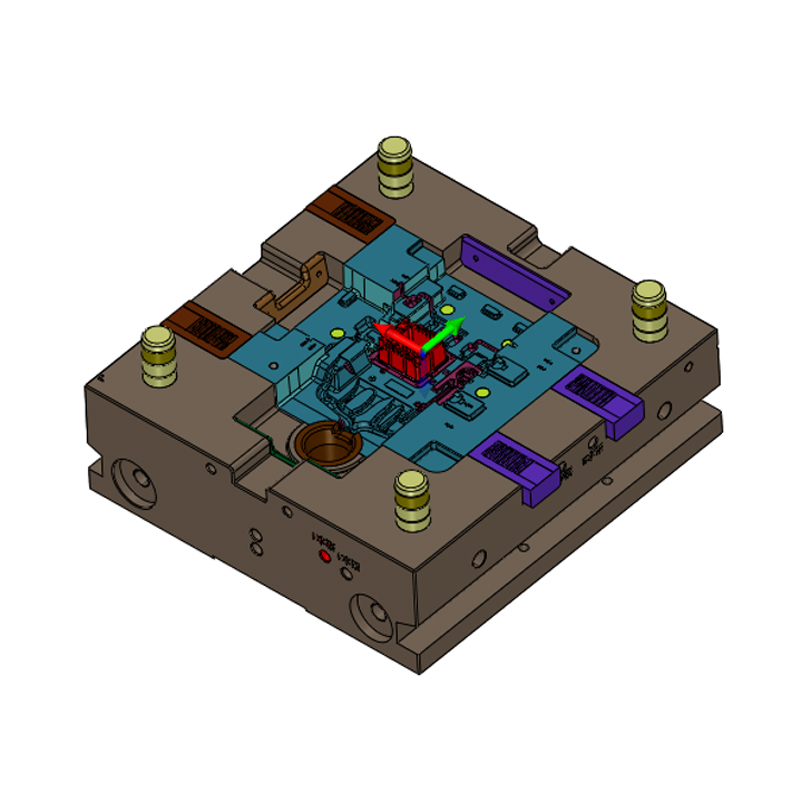
Aluminum alloy die casting molds, also known as dies or tooling, are precision‑engineered metal forms used in the die casting process to produce parts from molten aluminum alloys. The mold consists of a cavity in the shape of the desired part, along with a system of gates, runners, and overflows that guide the flow of molten metal. The mold is mounted in a die casting machine, where the molten aluminum is injected into the cavity under high pressure, typically ranging from 1,000 to 30,000 psi. Once the metal cools and solidifies, the mold opens, and the part is ejected.
The mold itself is typically made from specialized hot‑work tool steels, such as H13, which offer excellent heat resistance, toughness, and wear resistance at the elevated temperatures (around 650°C) encountered in the process. The mold must also be designed with proper cooling channels to control the solidification rate, reducing cycle times and preventing thermal distortion. Surface treatments, such as nitriding or PVD coatings, are often applied to the mold surface to improve release properties and extend tool life.
Aluminum alloy die casting molds are used to produce a vast array of parts, including engine blocks, transmission housings, electronic enclosures, LED lighting heatsinks, and structural components for aerospace and automotive applications. The ability to produce complex shapes with thin walls, tight tolerances, and excellent surface finish makes aluminum die casting an economical choice for high‑volume production.
The performance of aluminum alloy die casting molds directly affects the productivity, quality, and cost‑effectiveness of the entire casting operation. A well‑designed mold enables faster cycle times, reduces scrap rates, minimizes downtime for maintenance, and ensures consistent part quality. Conversely, a poorly designed or worn mold can lead to defects, excessive downtime, increased rework costs, and premature failure, ultimately impacting profitability.
Key factors that influence mold performance include thermal management, gating design, venting, and ejection systems. Effective cooling channels are essential to achieve uniform solidification, reducing residual stresses and porosity. Proper gating ensures smooth, turbulent‑free metal flow, minimizing air entrapment and surface defects. Adequate venting allows trapped gases to escape, preventing gas porosity. Robust ejection mechanisms ensure that parts are ejected cleanly without distortion. Furthermore, the surface finish of the mold cavity directly transfers to the cast part, so precision machining and polishing are essential.
In recent years, the use of simulation software for mold flow analysis has become standard practice. Engineers can predict how the molten alloy will fill the cavity, identify potential defects, and optimize gate and runner designs before the mold is even manufactured. This reduces costly trial‑and‑error and accelerates time‑to‑market.
While the cast part is made of aluminum alloy, the mold itself is almost always constructed from steel. The choice of steel grade is critical to withstand the high temperatures, thermal cycling, and mechanical stresses of the die casting process.
H13 Tool Steel: The most widely used material for aluminum die casting molds. It is a chromium‑molybdenum‑vanadium alloy steel that offers excellent hardenability, toughness, and resistance to thermal fatigue and erosion. H13 can be heat‑treated to achieve hardness between 44 and 48 HRC, providing a good balance of wear resistance and toughness.
Premium H13 (ESR/VAR): For demanding applications, premium grades of H13 produced by electroslag remelting (ESR) or vacuum arc remelting (VAR) are used. These materials have superior cleanliness and uniformity, reducing the risk of defects and extending mold life.
Modified H13 Steels: Some manufacturers use modified versions, such as H11 or H13 with higher nickel or molybdenum content, to improve specific properties like toughness or heat resistance.
Copper Alloys (Mold Inserts): In some cases, copper alloys are used for areas that require rapid heat transfer, such as cores and inserts. Copper’s high thermal conductivity helps to reduce cycle times by efficiently removing heat from critical regions.
Coatings and Surface Treatments: To further extend mold life, various surface treatments are applied, including nitriding, PVD coatings (e.g., TiN, CrN), and other advanced coatings that reduce friction, improve release, and resist soldering and erosion.
Selecting the right material and surface treatment is essential to achieving the desired mold life and part quality, especially for high‑volume production.
Designing an aluminum alloy die casting mold is a multidisciplinary engineering task that requires careful consideration of part geometry, material flow, thermal management, and mechanical constraints. Here are key design principles.
Parting Line Selection: The parting line determines how the mold splits into two halves. It should be chosen to minimize the complexity of slides and lifters, reduce flash, and allow easy ejection. The parting line also influences the orientation of the part and the location of the gate and runner system.
Gate and Runner Design: The gate is the entry point of molten metal into the cavity. Its size, shape, and location affect filling speed, pressure, and flow pattern. A properly designed gate minimizes turbulence and ensures complete filling of the cavity. Runners feed the molten metal to the gate, and their design must balance flow and reduce pressure drop.
Cooling System Design: Efficient cooling is critical for cycle time and part quality. Cooling channels should be placed close to the cavity surface to extract heat uniformly. Advanced designs use conformal cooling, where the channels follow the contour of the part, enabling faster and more uniform cooling, reducing cycle times by up to 30%.
Venting System: During filling, the cavity must be vented to allow air and gases to escape, preventing porosity and incomplete filling. Venting slots and vacuum systems are often employed.
Ejection System: Ejector pins, sleeves, and plates must be positioned to push the part out of the mold without distorting it. The number and placement of ejectors should be sufficient to overcome the adhesion forces.
Slides and Lifters: For parts with undercuts or side holes, slides and lifters are required. They move perpendicular to the mold opening direction, allowing the part to be released. Their design must account for locking angles, travel distances, and clearances.
Thermal Expansion: The mold expands and contracts with each cycle. Therefore, the design must accommodate thermal expansion to prevent binding or premature wear of moving parts.
Modern mold design heavily relies on CAD and CAE tools to simulate filling, solidification, and thermal behavior, allowing iterative optimization before steel is cut.
The production of aluminum alloy die casting molds is a precision‑intensive process that involves multiple steps.
Design and Engineering: The process begins with the design of the mold using 3D CAD software, often with input from simulation tools. The design includes detailed part geometry, cooling channels, gating, ejection, and other features.
Material Preparation: The selected steel (e.g., H13) is purchased in blocks or rounds, and is often pre‑hardened to facilitate machining.
Rough Machining: The raw steel block is rough‑machined using CNC milling machines to remove excess material and create the basic shape. This step is done with larger cutting tools and faster feeds.
Heat Treatment: After rough machining, the mold undergoes heat treatment to achieve the desired hardness. This usually involves hardening and tempering, sometimes multiple cycles. The mold is often vacuum‑heat‑treated to minimize distortion and surface oxidation.
Finish Machining: After heat treatment, the mold undergoes precision finishing using CNC milling, EDM (Electrical Discharge Machining), and grinding to achieve final dimensions and surface finish. The cavity surface is polished to a mirror finish to ensure good part release and surface quality.
Assembly and Fitting: The mold components—cavity insert, core, slides, lifters, ejector pins, and cooling lines—are assembled and fitted together. The mold is tested for fit and function.
Testing and Validation: The finished mold is mounted in a die casting machine and undergoes trial runs. The process parameters are adjusted to achieve the desired part quality, and the mold is fine‑tuned if necessary.
Throughout this process, strict quality control measures, including dimensional inspections, hardness testing, and non‑destructive testing, ensure the mold meets specifications.
Aluminum alloy die casting molds are a significant capital investment, and their longevity is critical for cost‑effective production. Regular maintenance and proper handling can dramatically extend their service life.
Preventive Maintenance: This involves regular cleaning of the mold to remove aluminum residues, oxides, and debris. The mold should be inspected for cracks, wear, and thermal fatigue after each production run. Cooling channels should be flushed to remove scale deposits.
Lubrication: Moving parts such as slides, pins, and guide elements should be lubricated with high‑temperature grease to reduce friction and wear.
Surface Reconditioning: Over time, the cavity surface may degrade due to soldering, erosion, or thermal cracking. Surface treatments, such as polishing, nitriding, or coating, can be reapplied to restore surface quality.
Repair and Welding: For minor cracks, welding can be performed using proper filler materials and procedures. However, extensive repairs may weaken the mold and shorten its life.
Storage: When not in use, molds should be stored in a dry, temperature‑controlled environment, with a protective rust‑inhibiting coating applied to the cavity surfaces.
Proper maintenance not only extends mold life but also ensures consistent part quality and reduces unexpected downtime. Many manufacturers implement predictive maintenance programs using sensors and data analytics to monitor mold condition in real time.
Mold design has a direct impact on the occurrence of casting defects. Understanding these defects helps mold designers implement preventive measures.
Porosity: Caused by trapped air or gases, porosity can be minimized by proper venting, optimizing gate design, and using vacuum assistance. Conformal cooling also helps reduce solidification shrinkage.
Cold Shuts: These occur when two streams of molten metal fail to fuse properly. This is avoided by ensuring adequate metal temperature, proper gate location, and sufficient injection pressure.
Shrinkage Defects: Shrinkage voids or sink marks result from inadequate feeding during solidification. Feeding through proper gating and risering, along with appropriate cooling channel placement, helps mitigate this.
Erosion and Soldering: At high injection speeds, the molten aluminum can erode the mold surface or cause soldering (adhesion of aluminum). Surface coatings, proper steel selection, and controlled injection parameters reduce these effects.
Flash: Excess material that escapes at the parting line due to insufficient clamping force or mold wear. Maintaining proper clamping pressure and ensuring the mold halves are properly aligned prevents flash.
By addressing these potential issues during the design phase, mold engineers can produce reliable molds that consistently yield high‑quality parts.
The field of die casting is evolving with new technologies that enhance mold performance, reduce costs, and improve sustainability.
Additive Manufacturing for Conformal Cooling: 3D printing of mold inserts with conformal cooling channels allows for intricate cooling paths that follow the part contour. This dramatically improves heat dissipation, reducing cycle times by 20‑50% and extending mold life.
Simulation and Digital Twins: Advanced simulation software now enables real‑time monitoring and digital twins of molds, predicting wear and optimizing maintenance schedules.
Smart Molds: Sensors embedded in molds monitor temperature, pressure, and strain, providing data for process control and predictive maintenance.
Advanced Coatings: New PVD and CVD coatings with improved adhesion and wear resistance are being developed, further extending mold life and reducing soldering.
Recycled Steels and Sustainability: The use of recycled tool steels and eco‑friendly machining processes is gaining traction, reducing the carbon footprint of mold manufacturing.
These innovations are making aluminum alloy die casting molds more efficient, durable, and environmentally friendly, ensuring their continued importance in the manufacturing landscape.
Selecting the right mold supplier is crucial for project success. Here are key criteria to consider:
Experience and Track Record: Look for suppliers with extensive experience in aluminum die casting and a portfolio of similar parts.
Design and Engineering Capability: The supplier should offer comprehensive design services, including simulation and optimization.
Manufacturing Facilities: Advanced CNC machines, EDM, and heat treatment capabilities are essential for precision and quality.
Quality Management System: ISO 9001, IATF 16949, or similar certifications indicate a commitment to quality.
Material Quality: Ensure they use high‑grade tool steels and proper heat treatment.
Lead Time and Support: Consider their ability to meet deadlines and provide after‑sales support, maintenance, and repairs.
Cost Transparency: Request detailed quotes that break down material, machining, heat treatment, and assembly costs.
Evaluate suppliers through site visits, reference checks, and initial trial projects before committing to large orders.
It is a precision tool made from high‑strength steel, used to shape molten aluminum alloys under high pressure into complex, high‑quality parts.
Mostly H13 tool steel, with occasional use of premium H13 (ESR/VAR), modified steels, or copper alloys for inserts.
With proper design and maintenance, a mold can last from 50,000 to over 1,000,000 cycles, depending on the part complexity and casting conditions.
Die casting molds are designed for molten metals (like aluminum), while injection molds are used for plastics. They differ in thermal management, wear resistance, and operating pressures.
Consider part geometry, gate and runner design, cooling channels, venting, ejection, and slides. Use simulation tools to optimize before manufacturing.
Porosity, cold shuts, shrinkage, flash, and soldering are typical defects that can be minimized with proper mold design.
Yes, minor repairs like welding cracks, polishing, and recoating can extend mold life. Severe wear may require more extensive refurbishment or replacement.
Conformal cooling refers to cooling channels that follow the part contour, enabling faster and more uniform cooling, reducing cycle times and improving part quality.
Depending on complexity, lead times can range from 4 to 12 weeks, including design, manufacturing, and testing.
Regular cleaning, lubrication, cooling channel flushing, and inspection for cracks or wear. Apply protective coatings and store properly.
Due to high tooling costs, it is typically more cost‑effective for high‑volume production. Low‑volume runs may consider alternative processes.
Nitriding, PVD coatings (TiN, CrN, etc.), and other specialized coatings improve wear resistance and reduce soldering.
Higher pressures require stronger, thicker mold sections to prevent deflection and wear. Design must accommodate clamping forces.
Aluminum offers lightweight, good strength‑to‑weight ratio, corrosion resistance, and excellent thermal and electrical conductivity.
Proper design, high‑quality materials, regular maintenance, controlled process parameters, and prompt repair of minor damage.
Wangshan Road, Jiangbei District, Ningbo, Zhejiang, China
86-135-64796935
Copyright © Ningbo NKT Tooling Co., Ltd. All Rights Reserved.
 Login
Custom Automotive Aluminum/Zinc Die Casting Molds Manufacturers
Login
Custom Automotive Aluminum/Zinc Die Casting Molds Manufacturers
