
 English
 中文简体
中文简体
Mold Casting, Die Casting Molds, and the Aluminum vs Magnesium Decision
Mold casting is any manufacturing process that produces a solid part by pouring or injecting liquid material into a shaped cavity (the mold), allowing it to solidify, and then removing the finished part. Die casting is the high-speed, high-pressure variant of mold casting where molten metal is injected into a reusable steel mold under pressures of 1,500 to 25,000 psi, producing near-net-shape parts with tight tolerances and excellent surface finish at high production rates.
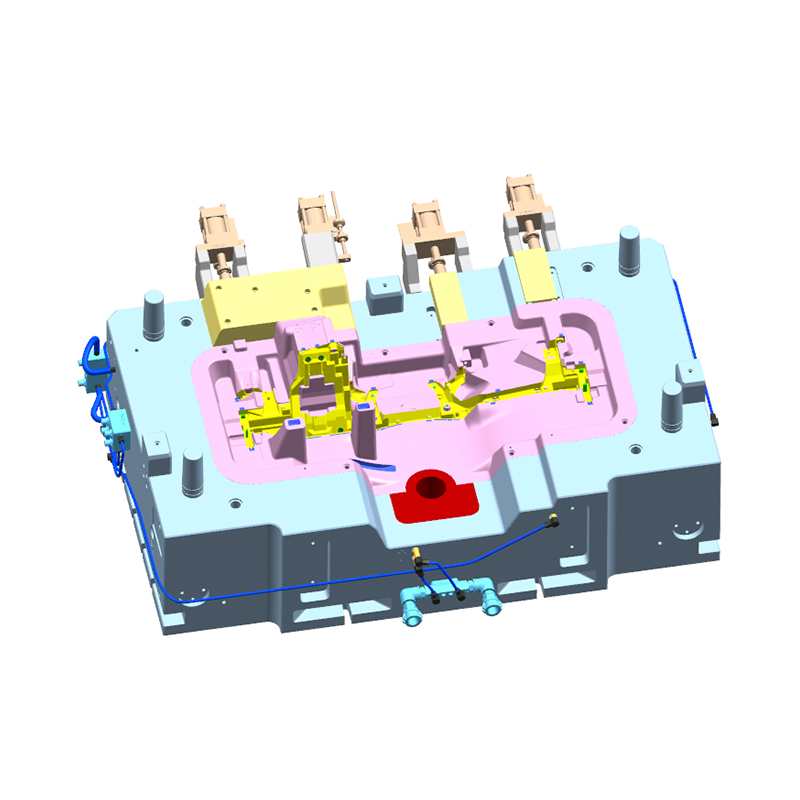
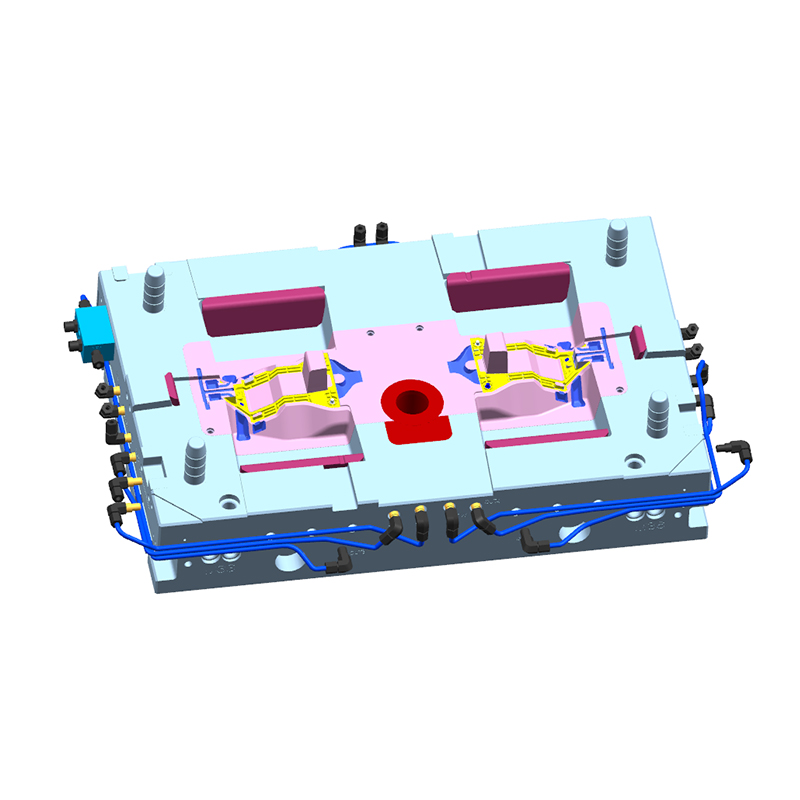
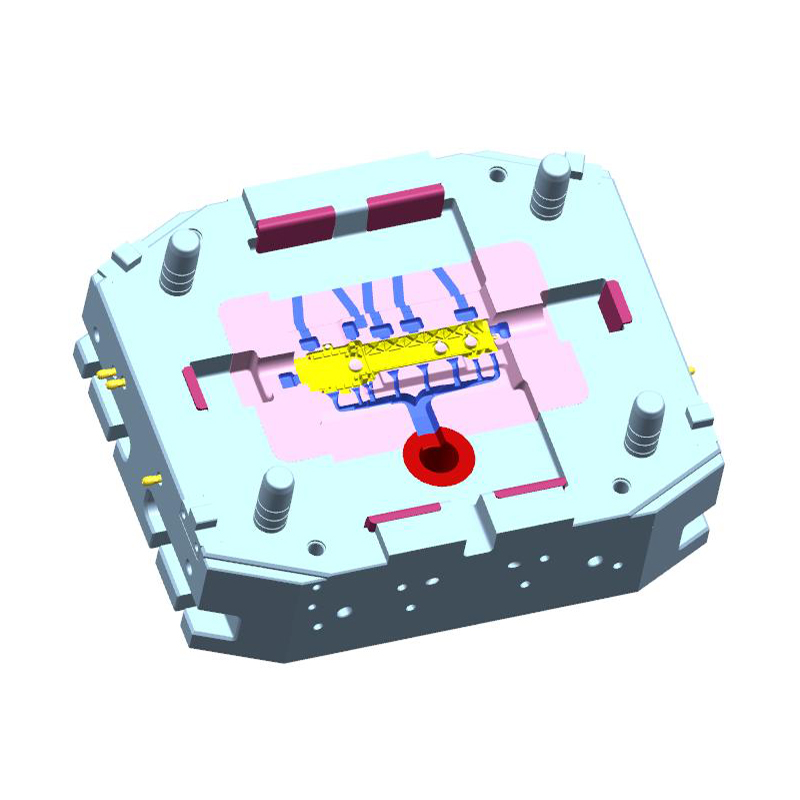
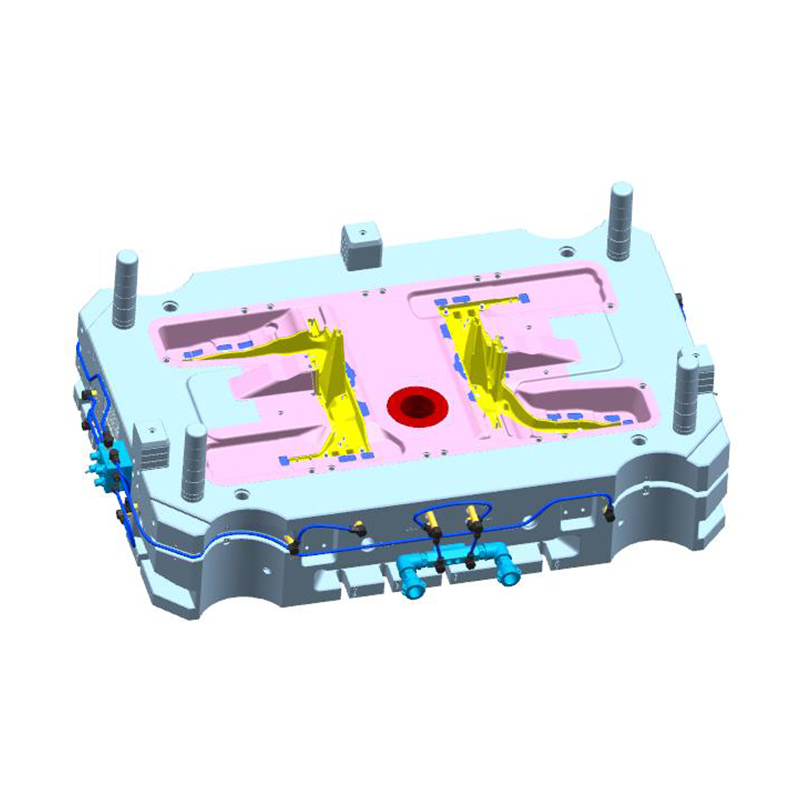
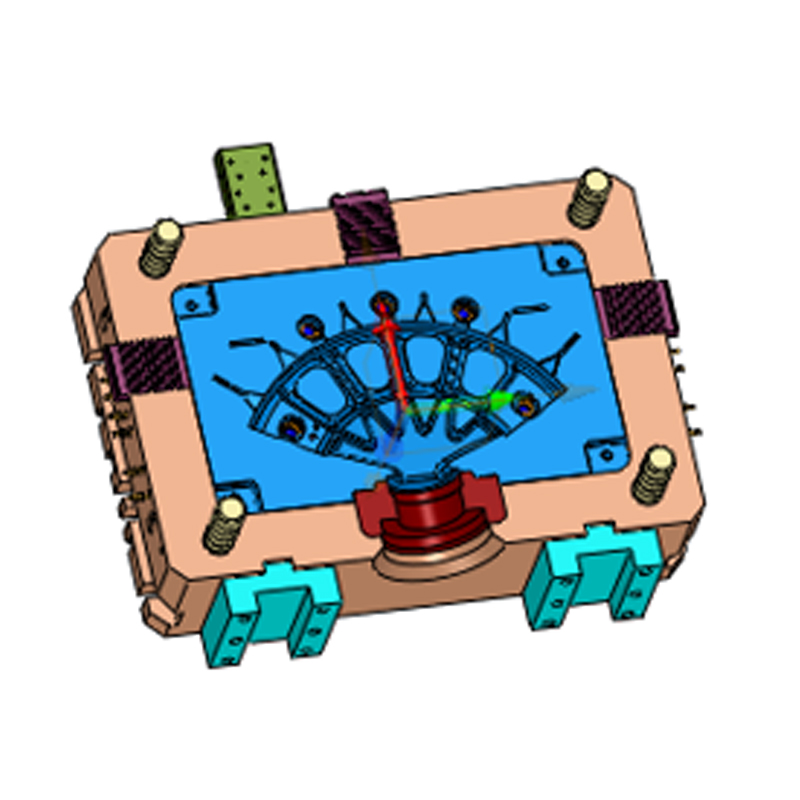
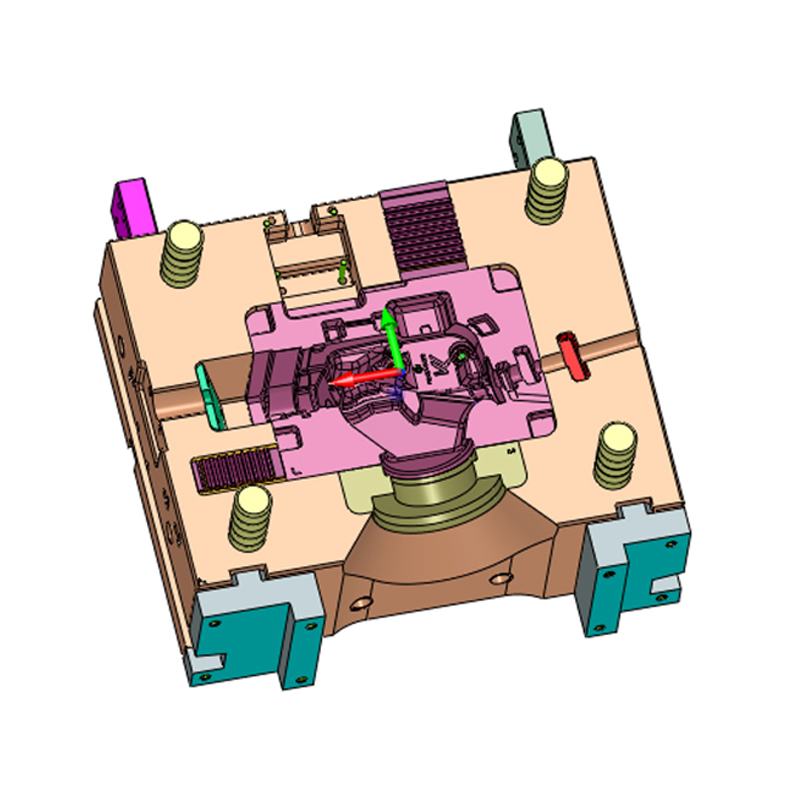
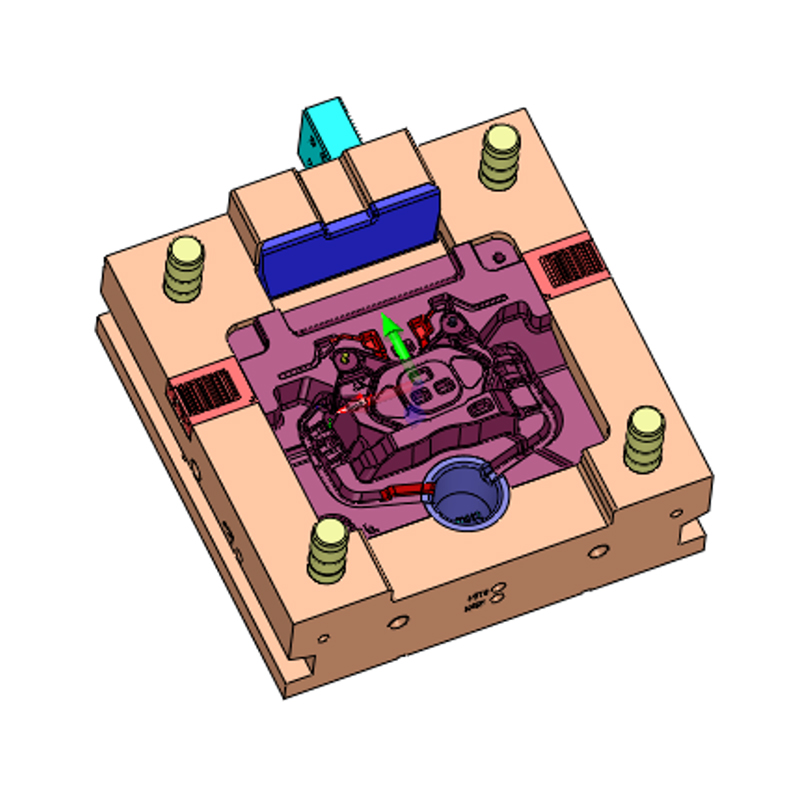
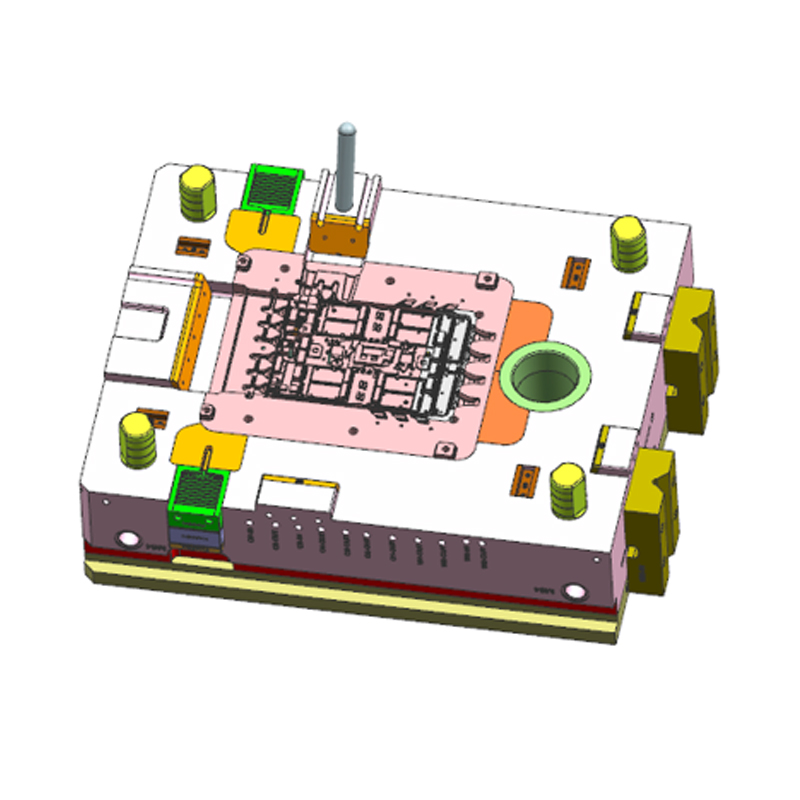
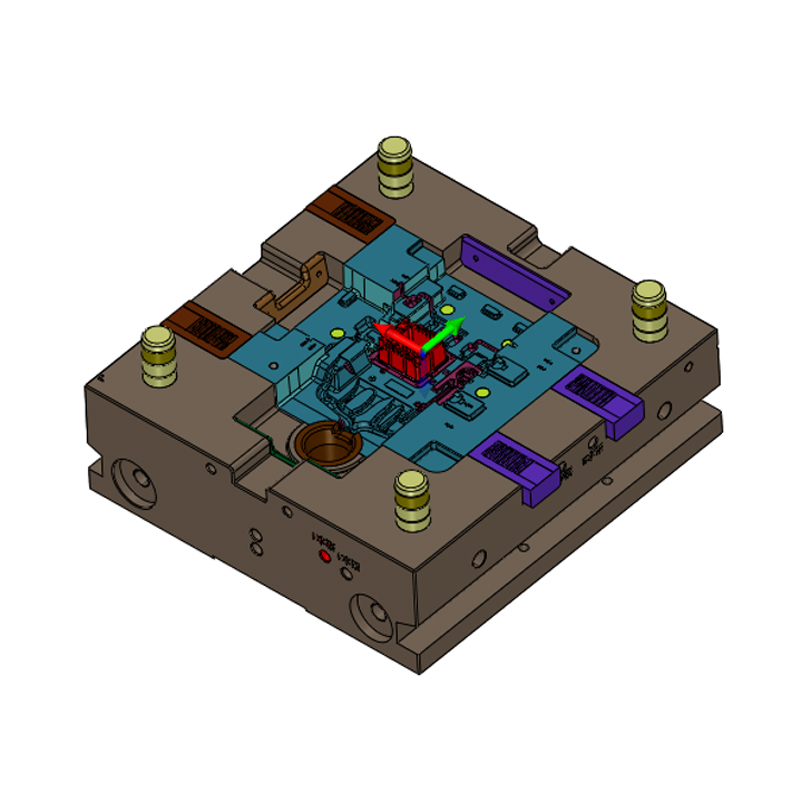
Die casting molds (also called dies or tooling) are manufactured from premium hot-work tool steels such as H13 (AISI H13) that can withstand the repeated thermal and mechanical shock of tens of thousands to hundreds of thousands of production cycles without catastrophic failure. An aluminium die casting mold typically lasts 100,000 to 1,000,000 shots depending on the part geometry, alloy being cast, and process parameters, making the tooling investment amortizable across large production volumes.
In the comparison of Aluminum Die Casting vs Magnesium Die Casting, the practical decision rule is: choose aluminum when structural strength, corrosion resistance, and thermal performance are priorities; choose magnesium when minimum part weight is the overriding requirement and the part operates in a protected interior environment away from moisture and corrosive agents. Magnesium is approximately 35% lighter than aluminum by volume, but it requires more careful corrosion protection and is more expensive per kilogram of alloy.
What Is Mold Casting: Processes, Types, and Industrial Significance
What is mold casting in its broadest definition is the process of shaping a material by filling a pre-formed cavity. This definition encompasses everything from ancient sand casting of bronze tools to modern High Pressure Die Casting Mold injection of aluminum automotive components at rates of hundreds of parts per hour. What unites all mold casting processes is the fundamental sequence: prepare the mold, fill it with material, allow solidification, and extract the part.
The Major Categories of Mold Casting
- Sand casting: The oldest and most flexible mold casting process, using bonded sand mixtures packed around a pattern to create a mold cavity. Sand molds are expendable (destroyed when the part is extracted) and can be made for parts of virtually any size from grams to tons. Sand casting tolerances are relatively loose (plus or minus 0.5 to 2 mm typical) and surface finish is coarse (Ra 6.3 to 25 micrometers) compared to die casting. Used for large structural parts, engine blocks, and complex single-piece castings in small to medium quantities.
- Investment casting (lost-wax casting): A precise form of mold casting where a wax pattern of the desired part is coated with ceramic slurry, the wax is melted out, and molten metal is poured into the resulting ceramic shell mold. Investment casting produces parts with extremely fine surface detail (Ra 1.6 to 3.2 micrometers) and tight tolerances (plus or minus 0.1 to 0.25 mm) and is used for complex aerospace, surgical, and jewelry components where die casting tooling cost cannot be justified for the production volume.
- Permanent mold casting (gravity die casting): Molten metal is poured by gravity into a reusable metal mold without applied pressure. The mold is made from cast iron or steel and is used repeatedly. Tolerances are tighter than sand casting and surface finish is better, but productivity is lower than high-pressure die casting because fill time is longer and more manual intervention is required.
- High Pressure Die Casting: Molten metal is injected into a High Pressure Die Casting Mold under 1,500 to 25,000 psi pressure in a fraction of a second. This is the process used for aluminium die casting mold and magnesium die casting production. It achieves the best combination of dimensional accuracy, surface quality, production rate, and thin-wall capability of any metal casting process and is the dominant production method for automotive, consumer electronics, and industrial aluminum and magnesium components.
Why High Pressure Die Casting Dominates Industrial Metal Parts Production
The commercial success of High Pressure Die Casting in modern manufacturing reflects a combination of productivity, quality, and economics that no other mold casting process matches for mid-to-high volume metal components:
- Cycle times of 30 to 120 seconds per part for typical automotive components, enabling production rates of 30 to 120 parts per hour from a single die casting cell
- Dimensional tolerances of plus or minus 0.05 to 0.15 mm achievable without secondary machining on critical surfaces
- Wall thickness as thin as 0.8 to 1.5 mm for aluminum and 0.5 to 1.0 mm for magnesium, enabling lightweight part designs impossible in sand or gravity casting
- Complex internal features achievable through movable cores and multi-slide tooling designs that would require expensive secondary machining operations in other processes
Die Casting Molds: Construction, Materials, and Design Principles
Die casting molds are precision-engineered tools that must perform reliably across tens of thousands to millions of production cycles under conditions that impose extraordinary thermal and mechanical demands. Understanding die casting molds at the engineering level enables better communication between part designers and tooling engineers, and provides the context needed to evaluate tooling cost quotations and service life expectations.
Structure of Die Casting Molds: Main Components
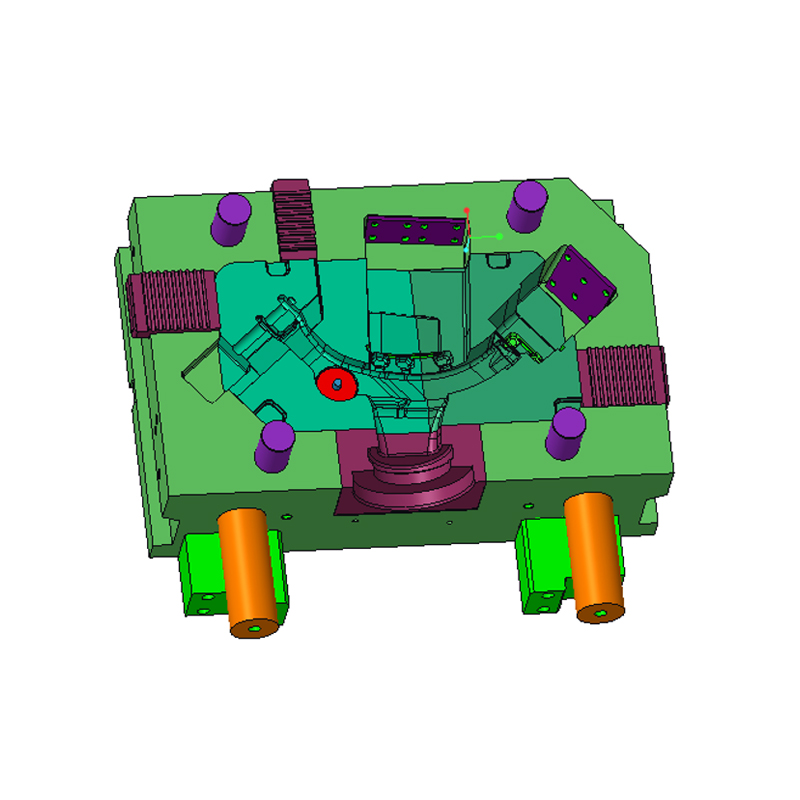
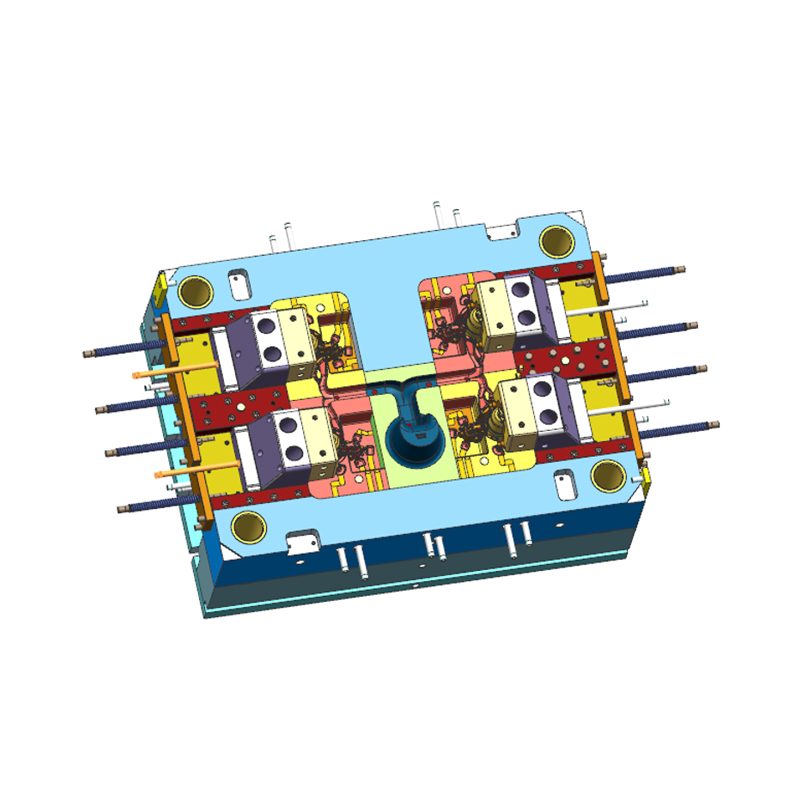
- Cover die (fixed half): The stationary half of the die casting molds assembly that is bolted to the fixed platen of the die casting machine. The cover die contains the sprue (the entry point where molten metal enters the die from the injection system), the runner system that distributes metal to the gate locations, and the fixed-side cavity geometry. In most High Pressure Die Casting Mold designs, the cover die contains fewer complex features than the ejector die because access to the ejection system is on the moving side.
- Ejector die (moving half): The moving half of the die casting molds assembly attached to the moving platen. Contains the ejection system (ejector pins and plate) that pushes the solidified casting out of the cavity when the die opens, the core pins that create internal features and holes in the part, and typically the more complex cavity geometry including undercuts managed by side actions (slides) or lifters.
- Cavity inserts: The precision machined steel blocks fitted into the master die shoe that define the exact shape of the part. Cavity inserts are typically made from H13 tool steel hardened to 44 to 48 HRC for aluminum alloys and 42 to 46 HRC for magnesium alloys. Using insertable cavities rather than machining cavities directly into the die shoe allows worn or damaged inserts to be replaced without discarding the entire die shoe, significantly reducing maintenance cost over the tool's life.
- Cooling and heating channels: Drilled or EDM-machined passages through the die blocks that circulate temperature-control fluid (water or thermal oil) to manage the die surface temperature during production. Proper thermal management maintains die surface temperature in the 150 to 250 degrees Celsius range for aluminum die casting, balancing the need to extract heat quickly enough for fast cycle times while maintaining the die surface warm enough to prevent premature metal solidification during fill and to minimize thermal fatigue damage to the tool steel.
- Vents and overflows: Thin channels at the parting line and cavity extremities that allow air and gases trapped in the cavity to escape as the metal fills. Insufficient venting is the most common cause of porosity defects in die casting. Overflow pockets adjacent to the cavity collect the first, coldest metal and any oxide or contamination that enters the cavity at the leading edge of the fill, improving the metallurgical quality of the part proper.
- Slides and lifters: Movable tooling elements that create undercut features in the casting (features that are not in the primary mold open direction and would otherwise lock the part in the die). Slides move perpendicular to the die opening direction, driven by angle pins or hydraulic cylinders. Lifters move at an angle during ejection to release internal undercuts. These moving elements add mechanical complexity to die casting molds and are significant contributors to tooling maintenance requirements over the die's service life.
Tool Steel Selection for Die Casting Molds
H13 (AISI H13, DIN 1.2344) is the dominant tool steel for die casting molds in aluminium die casting mold and magnesium die casting applications globally. H13 is a chromium-molybdenum-vanadium hot work tool steel that combines the properties needed for die casting tooling: high hot hardness (resistance to softening at elevated temperature), good thermal conductivity (essential for uniform temperature management in the die), and resistance to thermal fatigue cracking (heat checking) from repeated heating during metal injection and cooling during the spray-and-quench lubrication cycle between shots.
Premium H13 with controlled sulfur content below 0.003% and isotropic microstructure from electroslag remelting (ESR) or vacuum arc remelting (VAR) achieves significantly longer service life than standard H13, particularly in aluminium die casting mold applications where the tool steel is in direct contact with aluminum at 660 degrees Celsius injection temperature. ESR or VAR H13 cavity inserts typically last 2 to 3 times longer than standard H13 before requiring replacement due to heat checking and washout damage, justifying the 30% to 60% premium cost of the premium grade steel for medium and high volume productions.
Aluminium Die Casting Mold: Design Requirements and Process Specifics
An aluminium die casting mold has specific design requirements that differentiate it from molds used for zinc, magnesium, or other alloys, reflecting the particular thermal, chemical, and mechanical characteristics of aluminum alloys during high-pressure injection.
Thermal Challenges in Aluminium Die Casting Mold Design
Aluminum alloys are injected at 650 to 700 degrees Celsius, transferring significant thermal energy to the die surface with every shot. The die surface temperature rises from the inter-shot temperature (maintained between 150 and 250 degrees Celsius by the cooling system) to over 500 degrees Celsius at the gate and first-fill zones during the injection event, then is rapidly cooled by the applied die release spray between shots. This thermal cycling imposes severe fatigue loading on the tool steel:
- Heat checking: A network of fine surface cracks that develops progressively from thermal fatigue cycling, creating a crazing pattern on the die surface that transfers to the casting as a network of fine raised lines. Heat checking is the primary die failure mechanism in aluminium die casting mold applications and is managed by correct die steel selection, proper heat treatment, controlled die preheat procedures, and optimized die surface temperature management through the cooling channel design.
- Soldering and washout: At the gate and runner areas where metal velocity and temperature are highest, aluminum alloy can weld to the die steel surface (soldering) or erode the steel by mechanical and chemical action (washout). This is managed by maintaining gate velocity below 50 to 55 meters per second, using hard surface coatings (TD coating, PVD CrN, or nitriding) on gate and runner inserts, and optimizing the die release lubrication system.
- Die preheating: All aluminium die casting mold assemblies must be preheated to 150 to 200 degrees Celsius before the first production shot to prevent thermal shock cracking of the tool steel when the first hot aluminum injection contacts a cold die surface. Inadequate preheating is a common cause of premature die failure and can crack even premium H13 inserts in the first production day if the die has not been brought up to temperature correctly.
Runner and Gate Design for Aluminium Die Casting Mold
The runner and gate system in an aluminium die casting mold controls the velocity, direction, and thermal state of the metal as it fills the cavity. Critical design parameters include:
- Gate velocity of 35 to 55 meters per second for most aluminum alloys and part geometries, producing the atomized, dispersed fill pattern needed to achieve dense, low-porosity casting walls
- Runner cross-sectional area reduction from the biscuit (shot sleeve residue) toward the gates, accelerating the metal through the narrowing runner to achieve gate velocity from the lower shot sleeve velocity
- Cavity fill time of 10 to 80 milliseconds depending on wall thickness and part volume, fast enough to fill the cavity before premature solidification freezes thin sections but not so fast as to cause excessive entrapped air
High Pressure Die Casting Mold: Machine Integration and Process Parameters
A High Pressure Die Casting Mold is not used in isolation but is integrated with a die casting machine (hot chamber or cold chamber depending on the alloy) that provides the clamping force to keep the die halves closed during injection, the injection system that accelerates the molten metal into the die, and the control system that orchestrates the sequence of injection phases, solidification dwell, die opening, part extraction, and die lubrication.
Cold Chamber vs Hot Chamber High Pressure Die Casting Mold Applications
| Feature | Cold Chamber Machine | Hot Chamber Machine |
|---|---|---|
| Primary alloys | Aluminum, magnesium, copper | Zinc, some magnesium |
| Injection pressure range | 5,000 to 25,000 psi | 1,500 to 5,000 psi |
| Cycle time | 30 to 120 seconds | 10 to 45 seconds |
| Shot size typical | 0.1 to 50 kg | 0.01 to 5 kg |
| Aluminium die casting mold suitability | Yes, primary method | No (aluminum attacks components) |
Clamping Force and Machine Tonnage for High Pressure Die Casting Mold
The clamping force of the die casting machine must exceed the force trying to open the die during metal injection. This opening force equals the injection pressure multiplied by the projected area of the cavity (the area of the part as seen from the direction of die opening). For a typical automotive component with a 400 cm2 projected area and 800 bar injection pressure, the opening force is approximately 3,200 kN (320 tonnes), requiring a machine with at least 3,500 to 4,000 kN clamping force to safely hold the die closed. Machine selection is one of the first steps in High Pressure Die Casting Mold project planning and directly affects the maximum part size achievable on any given machine.
Aluminum Die Casting vs Magnesium Die Casting: The Complete Material Comparison
The decision between Aluminum Die Casting vs Magnesium Die Casting is one of the most commercially significant material selection decisions in the automotive, electronics, and aerospace component industries. Both materials are processed through cold chamber High Pressure Die Casting, and both produce high-quality, complex, thin-wall parts at high production rates. The choice between them depends on the part's functional requirements, operating environment, and overall program economics.
Material Properties: Aluminum Die Casting vs Magnesium Die Casting
| Property | Aluminum (ADC12 / A380) | Magnesium (AZ91D) | Advantage |
|---|---|---|---|
| Density (g/cm3) | 2.65 to 2.75 | 1.80 to 1.83 | Magnesium (35% lighter) |
| Tensile strength (MPa) | 310 to 340 | 230 to 260 | Aluminum |
| Specific strength (MPa per g/cm3) | 115 to 125 | 126 to 142 | Magnesium (marginally) |
| Thermal conductivity (W/mK) | 96 to 113 | 51 to 72 | Aluminum |
| Corrosion resistance (uncoated) | Good | Poor to moderate | Aluminum |
| Machinability | Good | Excellent | Magnesium |
| Thin wall capability (mm) | 0.8 to 1.5 | 0.5 to 1.0 | Magnesium |
| Alloy cost (approximate relative) | Baseline | 1.5 to 2.5x aluminum | Aluminum |
Applications: Aluminum Die Casting vs Magnesium Die Casting
The differing property profiles of aluminum and magnesium lead to distinct application domains where each material dominates:
- Aluminum die casting applications: Engine components (transmission housings, valve covers, pump bodies), structural automotive parts (door frames, cross-car beams, suspension brackets), thermal management components (heat sinks, inverter housings for electric vehicles), consumer electronics enclosures, and any application requiring outdoor exposure or contact with moisture where aluminum's good corrosion resistance is needed without protective coating.
- Magnesium die casting applications: Laptop computer casings and frames (where the combination of minimum weight, thin walls, and excellent machinability for precision feature creation is commercially decisive), steering column components, instrument panel carriers, seat frames, power tool housings, and other applications where components are enclosed in dry interior environments and weight reduction is the primary engineering driver. Approximately 20 kg of magnesium components are used per vehicle in premium European automobiles, primarily in interior structural applications where corrosion protection is manageable and weight reduction contributes to fuel economy and handling targets.
Tooling Differences: Aluminum Die Casting vs Magnesium Die Casting
The aluminium die casting mold and the equivalent magnesium die casting mold share the same basic H13 tool steel construction but have some important differences:
- Die service life: Magnesium is less thermally aggressive than aluminum (lower injection temperature of 620 to 680 degrees Celsius versus 650 to 700 degrees Celsius for aluminum, and lower soldering tendency), so magnesium die casting molds typically achieve 30% to 50% longer service life than equivalent aluminium die casting molds before cavity insert replacement is needed.
- Safety systems: Magnesium is flammable when in fine particulate form and burns intensely if ignited. Magnesium die casting facilities require inert gas (SF6 or CO2) blanketing over the melt, specialized fire suppression systems that do not use water (which reacts violently with molten magnesium), and operator training on magnesium fire procedures that differ fundamentally from standard metal fire protocols.
- Runner and gate design: Magnesium's lower viscosity and faster solidification rate require narrower gates and higher injection velocities than equivalent aluminum parts, and the die venting system must be carefully designed to prevent ignition of the magnesium vapor that is present at the cavity during fill.
Frequently Asked Questions
1. What is mold casting and how does it differ from machining?
Mold casting is a manufacturing process that produces a solid part by filling a shaped cavity (the mold) with liquid material and allowing it to solidify into the cavity shape. Machining, by contrast, produces a part by removing material from a solid workpiece using cutting tools. Mold casting is typically more economical for complex shapes produced in medium to high volumes because the cost of the mold is amortized across many parts and each part requires little or no secondary processing. Machining is more economical for simple shapes in small quantities or for creating precise features in mold cast parts that require tolerances tighter than the casting process can achieve directly.
2. What materials are die casting molds made from?
Die casting molds are primarily made from H13 (AISI H13 or DIN 1.2344) hot work tool steel, hardened to 44 to 48 HRC for aluminum and magnesium applications. H13 is selected for its combination of high hot hardness, thermal fatigue resistance, and toughness at the hardness levels needed for die casting tooling. Premium die casting molds for high-volume production use H13 from electroslag remelted (ESR) or vacuum arc remelted (VAR) steelmaking processes that produce a more homogeneous microstructure with fewer inclusions, achieving significantly longer service life than standard-grade H13. The die shoe (master holder) is typically made from P20 or 4140 steel at lower hardness than the cavity inserts.
3. What is the typical service life of an aluminium die casting mold?
The typical service life of an aluminium die casting mold ranges from 100,000 to 1,000,000 shots (production cycles) depending on the part geometry, alloy composition, process parameters, die steel grade, and maintenance program. Simple parts with generous wall thickness and no thin projections or sharp corners in the die cavity reach the upper end of this range. Parts with complex geometry, thin walls below 1.5 mm, and aggressive gate designs that produce high metal velocity at the die surface reach the lower end or below. Proper die preheating, optimized die temperature management, regular preventive maintenance (cleaning, polishing, recoating), and immediate repair of minor damage when first observed all significantly extend service life toward the upper range.
4. What is the difference between High Pressure Die Casting Mold and gravity die casting?
A High Pressure Die Casting Mold is used in machines that inject molten metal under 1,500 to 25,000 psi pressure in a fraction of a second, producing dense, fine-grained castings with tight tolerances, smooth surfaces, and thin wall capability. Gravity die casting (permanent mold casting) pours metal into the mold by gravity without applied pressure, producing coarser microstructure, lower dimensional precision, and thicker minimum wall sections than high pressure die casting. High Pressure Die Casting Mold tooling is more expensive and requires more complex engineering than gravity die molds, but produces better parts faster and is economically superior for production volumes above approximately 10,000 to 30,000 parts per year depending on part complexity and size.
5. How does the Aluminum Die Casting vs Magnesium Die Casting comparison affect automotive design?
In the Aluminum Die Casting vs Magnesium Die Casting comparison for automotive applications, aluminum dominates structural exterior and powertrain applications (engine blocks, transmission cases, suspension components, EV battery housings) where structural strength, thermal performance, and corrosion resistance in harsh underbody environments are priorities. Magnesium is specified for interior structural components (instrument panel carriers, seat frames, steering column brackets, door inner frames) where parts are protected from direct moisture and corrosion exposure and where the 35% density advantage over aluminum translates directly to reduced vehicle mass. A steering column bracket weighing 1.0 kg in aluminum would weigh approximately 0.65 kg in magnesium, a 350-gram saving that accumulates meaningfully across the dozens of interior structural parts in a modern vehicle.
6. Can an aluminium die casting mold be used for magnesium alloys?
In principle, the same H13 tool steel construction used for an aluminium die casting mold can be used for magnesium die casting, and some facilities do run both alloys in the same tooling with appropriate process parameter adjustments. However, dedicated magnesium die casting molds are preferred for volume production because the lower injection temperature and different thermal profile of magnesium allows optimization of the cooling channel layout and temperature control strategy that differs from aluminum requirements. Additionally, running magnesium in a mold designed for aluminum may produce suboptimal results because the gate sizes and runner geometry optimized for aluminum's higher viscosity may not provide the ideal fill pattern for magnesium's lower viscosity, which fills faster and can cause turbulence and porosity if the gating is oversized.
7. What are the most common defects in High Pressure Die Casting Mold production?
The most common defects in High Pressure Die Casting Mold production are: porosity (trapped gas and shrinkage voids in the casting, caused by insufficient venting, excessive injection velocity, improper fill sequence, or inadequate intensification pressure); cold shuts (incomplete fusion between two metal flow fronts that meet but do not fuse, caused by metal that has cooled too much before meeting); soldering (aluminum alloy bonding to the die steel surface, causing surface tears in the casting and die damage); heat checking marks transferred from the die surface cracking to the casting surface; dimensional variation from die thermal expansion and wear; and misruns from incomplete cavity fill due to premature solidification in thin sections.
8. What is the typical tooling cost for an aluminium die casting mold?
Aluminium die casting mold tooling costs vary enormously with part complexity, size, number of cavities, and required tolerances. A single-cavity mold for a small to medium complexity automotive component (typical projected area 100 to 400 cm2) costs approximately USD 50,000 to USD 200,000 in North American and European markets. Larger or more complex parts with multiple slides, complex core geometry, or high cosmetic surface requirements reach USD 200,000 to USD 500,000 per tool. Multi-cavity molds that produce 2 to 4 parts per shot for smaller components may cost USD 80,000 to USD 300,000 but reduce the per-part tooling amortization cost significantly for high-volume programs. Chinese and Southeast Asian tooling suppliers typically quote 30% to 60% below these ranges, with the trade-off of longer lead times and variable quality that requires careful supplier qualification.
9. How is a High Pressure Die Casting Mold maintained during production?
A High Pressure Die Casting Mold in production receives three levels of maintenance: between-shot maintenance during production (applying die release spray for lubrication and thermal management, monitoring die temperature, clearing vent channels of accumulated oxide buildup); preventive maintenance during planned downtime intervals (cleaning cavity surfaces, polishing gate and runner areas, inspecting and replacing worn ejector pins, checking slide mechanisms for wear, verifying cooling channel flow rates); and repair maintenance when defects appear in the castings or inspection finds die surface damage (welding and re-machining of worn or cracked cavity areas, replacement of damaged inserts, correction of heat checking by cavity re-polishing and re-coating). A well-maintained High Pressure Die Casting Mold reaches the upper end of its service life range; a poorly maintained tool may fail at 20% to 30% of the potential service life with significant unplanned downtime cost.
10. What determines the minimum wall thickness achievable in die casting molds?
The minimum achievable wall thickness in die casting molds is determined by five factors: alloy type (magnesium achieves thinner walls than aluminum due to lower viscosity, with minimums of 0.5 to 1.0 mm vs 0.8 to 1.5 mm); part projected area (larger parts require thicker minimum walls to maintain adequate fill velocity across the full cavity before premature solidification); distance from the gate (sections far from the gate see cooler, more viscous metal and require more wall thickness than sections near the gate); surface quality requirements (very thin walls produce rougher surfaces from turbulent fill); and die temperature management (higher and more uniform die temperature enables thinner fills by slowing metal solidification during cavity fill). Designing parts near the absolute minimum wall thickness limits requires simulation-validated gating design and close collaboration between the part designer and the die casting mold tooling engineer.