
 English
 中文简体
中文简体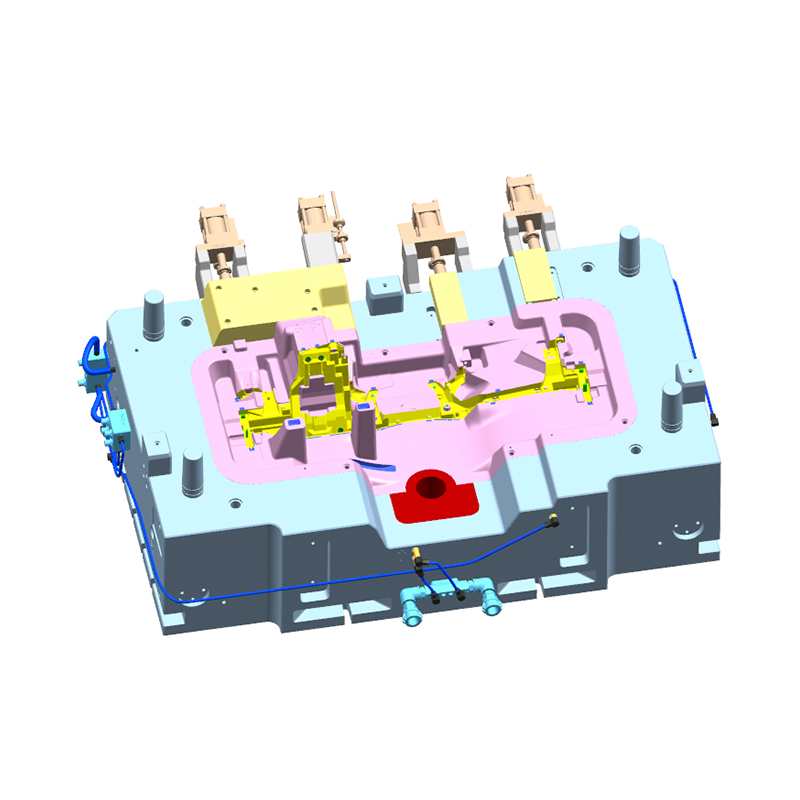



Contact Information
-
 Wangshan Road, Jiangbei District, Ningbo, Zhejiang, China
 -
 86-135-64796935

Get A Quote
What is the new technology in die casting?
2026-06-25
Content
The manufacturing landscape has experienced a profound shift driven by the rapid growth of sustainable mobility and the global demand for lighter, more efficient vehicles. At the center of this transformation is high pressure die casting, a process that has evolved from producing small, simple brackets to creating massive, integrated structural components. This technological progression is altering how engineers conceptualize vehicle architecture, factory floor layouts, and assembly lines.
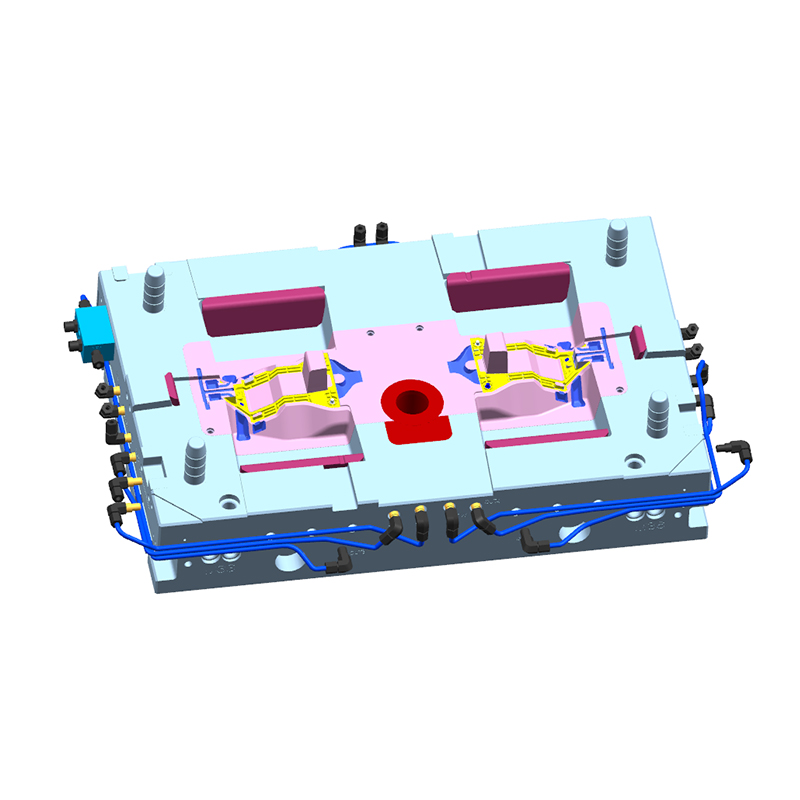
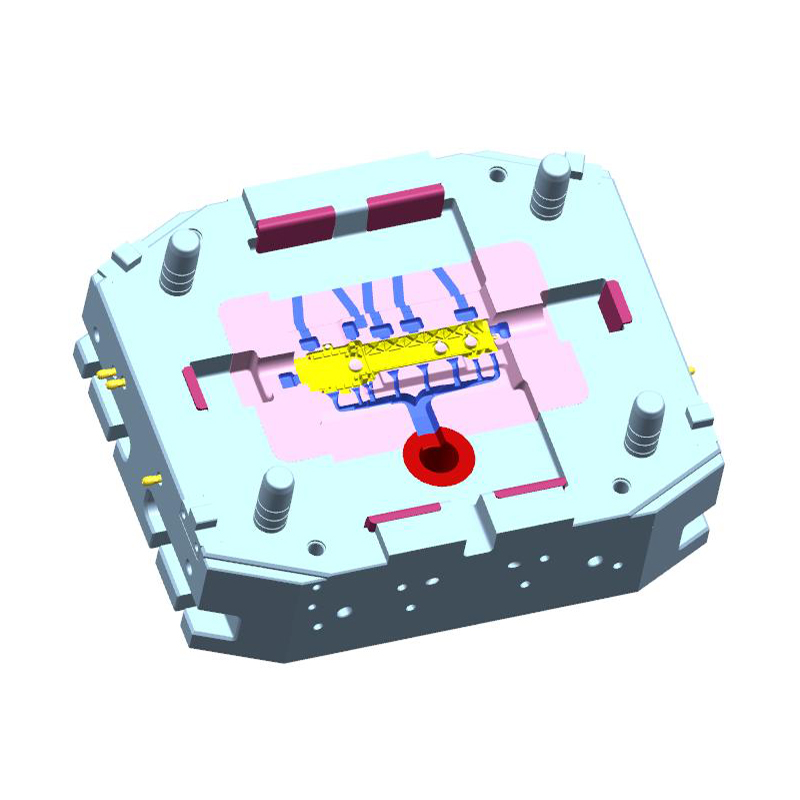
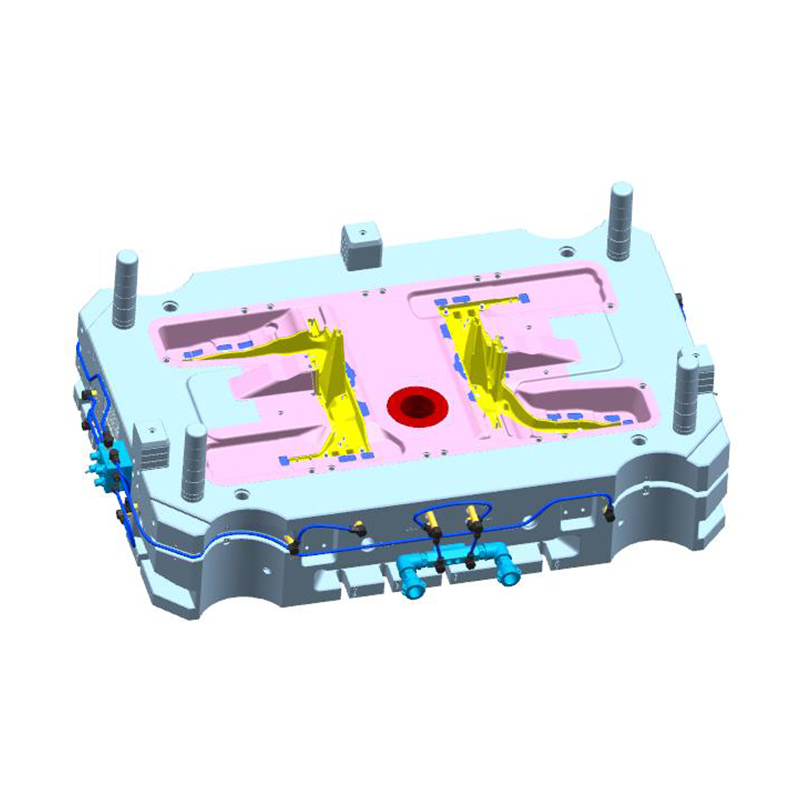
The primary catalyst for these changes is the development of ultra large scale manufacturing systems, which require highly specialized tooling. Within this context, the design and production of New Energy Vehicle Die Casting Molds have emerged as critical areas of focus. These massive molds must withstand unprecedented thermal loads and closing pressures, making them the ultimate test of modern metallurgical and mechanical engineering.
The automotive industry has traditionally relied on stamping, welding, and riveting hundreds of small steel sheets together to form a vehicle chassis. This conventional assembly method is not only labor intensive but also adds significant weight to the vehicle. As the industry transitions toward electric mobility, reducing structural weight is essential to offset the mass of heavy battery packs and maximize driving range. High pressure die casting has stepped in to replace these complex assemblies with single, highly integrated aluminum components.
The concept of integrated casting involves consolidating dozens of separate stamped steel components into a single, cohesive aluminum casting. For instance, a traditional rear vehicle floor structure that once required over seventy individual stamped parts can now be produced as a single cast piece. This transition eliminates the need for extensive welding robots, simplifies the assembly supply chain, and significantly reduces the physical footprint of automotive manufacturing plants.
To achieve this level of integration, die casting machinery has scaled up dramatically. Clamping forces that once topped out at four thousand tons have now reached nine thousand tons, and even twelve thousand tons in some advanced facilities. Managing these massive forces requires a profound understanding of mold mechanics, as the mold must remain perfectly aligned under the immense pressure of molten aluminum traveling at high velocities. This requirement has pushed the engineering of New Energy Vehicle Die Casting Molds to the absolute limits of structural durability.
Casting large structural parts is not merely a challenge of scale, but also one of material properties. Traditional aluminum die castings often require heat treatment after solidification to achieve the necessary strength and ductility. However, when dealing with giant integrated castings, heat treatment can cause severe thermal distortion, rendering the part useless due to geometric warping.
To solve this challenge, metallurgists have developed novel aluminum alloys that achieve excellent mechanical properties directly from the casting process without requiring subsequent heat treatment. These non heat treated alloys maintain high yield strength and elongation, ensuring that vital safety structures can absorb impact energy in a collision. The behavior of these advanced alloys during flow and solidification must be precisely controlled within the mold, placing extreme demands on the thermal management systems embedded in the tool.
The terms mega casting and giga casting refer to the practice of casting entire sections of a vehicle chassis in a single operation. This pioneering manufacturing method has redefined the expectations of production efficiency, allowing carmakers to assemble vehicles much faster and with lower capital investment in stamping dies and welding cells.
The sheer size of mega castings means that the molds used to shape them are among the largest precision tools ever created. A typical mold designed for a rear underbody or a battery pack housing can weigh over one hundred tons and measure several meters in height and width. At this scale, the physical behavior of the tool steel changes under thermal and mechanical load.
Engineers designing New Energy Vehicle Die Casting Molds must account for substantial thermal expansion. When the mold is heated to operating temperatures, the metal expands by several millimeters. If this expansion is not carefully managed through flexible mounting systems and strategic gap placements, the mold components can bind, crack, or leak molten aluminum. Additionally, the structural rigidity of the mold frame must be sufficient to prevent the cavity from flexing under the force of the molten metal injection, which would result in parting line flash and dimensional inaccuracies in the final part.
With traditional casting, minor defects in a small component can often be managed or the part can be discarded with minimal financial loss. In mega casting, discarding a massive, complex component due to a filling defect is highly costly. Therefore, computer aided engineering simulation has become an indispensable phase of the mold design process.
Advanced simulation software utilizes multi core processing arrays to model the behavior of the molten aluminum as it enters the mold. The simulation tracks the flow front, identifies potential areas of air entrapment, and predicts the exact locations where shrinkage porosity might occur during solidification. For New Energy Vehicle Die Casting Molds, these simulations must be incredibly precise, modeling not only the aluminum flow but also the thermal transfer between the liquid metal and the mold cooling channels. This level of predictive accuracy allows engineers to optimize the gating system and venting channels before any metal is cut, saving millions of dollars in prototyping costs.
The successful production of large, defect-free structural castings depends on several highly sophisticated subsystems built directly into the mold structure. These subsystems ensure that air is removed, temperatures are regulated, and the complex geometry of the part can be released safely.
Porosity is the primary enemy of structural die castings. When molten metal is injected into a mold at high speed, it tends to trap any air remaining in the cavity, creating tiny gas pockets that weaken the part and prevent successful welding. To eliminate this issue, modern high pressure die casting utilizes ultra high vacuum systems.
These vacuum systems are connected directly to the mold cavity via specialized venting blocks. Before the shot sleeve plunges the molten metal into the mold, the vacuum system evacuates the air from the cavity, reducing the internal pressure to extremely low millibar levels. The vacuum valves within the mold must be engineered to close within milliseconds of detecting the oncoming liquid aluminum, preventing the metal from entering and damaging the vacuum equipment. This precise synchronization is a critical feature of New Energy Vehicle Die Casting Molds, allowing for the consistent production of weldable, high strength structural parts.
The thermal load on a mega casting mold is immense. A single shot can introduce dozens of kilograms of molten aluminum at temperatures exceeding six hundred and fifty degrees Celsius. To keep the mold at a stable operating temperature and ensure rapid solidification, an intricate network of cooling channels is required.
Traditional cooling channels are drilled in straight lines, which limits their ability to follow the complex, curved surfaces of modern automotive components. The new technology in die casting addresses this by utilizing conformal cooling channels. These channels are manufactured using additive manufacturing techniques, such as selective laser melting, allowing the cooling paths to curve and wrap around the contours of the mold cavity. By placing the cooling liquid exactly where it is needed, conformal cooling achieves uniform heat extraction, minimizes thermal stress within the mold, and significantly reduces the cycle time required for the casting to solidify.
Modern vehicle designs feature complex geometries with multiple undercuts, hollow sections, and reinforcement ribs. To cast these features in a single piece, New Energy Vehicle Die Casting Molds utilize complex multi slide architectures. These slides are large, hydraulically driven blocks of tool steel that move into position before the injection cycle to form the intricate side features of the part, and then retract to allow the solidified casting to be ejected.
Managing the movement of these massive slides requires high precision. The sliding mechanisms must operate smoothly under extreme heat, and the locking systems must withstand the injection pressure without allowing the slides to back off even a fraction of a millimeter. Precision venting must also be integrated along the slide parting lines to ensure that air does not become trapped in the deep cavities created by the slides, adding another layer of complexity to the mechanical design of the tool.
The hostile environment inside a high pressure die casting mold requires tool steels that possess an exceptional combination of toughness, thermal conductivity, and resistance to thermal fatigue. As casting sizes increase, the demands on these materials have multiplied.
Every time a casting cycle occurs, the surface of the mold experiences a violent thermal shock, heating rapidly as the aluminum is injected and then cooling as the part solidifies and is ejected. This rapid cycling causes thermal fatigue, which leads to the formation of fine cracks on the mold surface, a phenomenon known as heat checking.
To combat heat checking, New Energy Vehicle Die Casting Molds are constructed from premium hot work tool steels, such as specialized grades of H13 or advanced proprietary steels like Dievar. These steels undergo rigorous electroslag remelting processes to achieve high metallurgical cleanliness and uniform isotropic properties. This structural uniformity ensures that the steel can expand and contract evenly in all directions, significantly reducing the rate of crack propagation and extending the operational lifespan of these expensive tools.
Even with premium tool steels, the aggressive nature of molten aluminum can cause chemical wear on the mold surface. Molten aluminum has a high affinity for iron, and over time, it can chemically erode the mold steel, leading to a defect known as soldering, where the casting sticks to the mold surface and ruins the part during ejection.
To prevent soldering and chemical erosion, modern molds are treated with advanced surface coatings. Physical vapor deposition is utilized to apply thin, ultra hard layers of chromium nitride or titanium aluminum nitride to the cavity surfaces. These coatings act as a thermal and chemical barrier, preventing direct contact between the molten aluminum and the underlying steel. Additionally, specialized nitriding processes are used to case harden the runner gates and high wear areas, ensuring that the high velocity metal flow does not wash away the mold details over hundreds of thousands of cycles.
To understand the practical impact of these technological advancements, it is helpful to compare the operational characteristics of modern mega casting systems with traditional high pressure die casting methods. The table below outlines these distinctions without referencing specific manufacturer parameters or using prohibited punctuation.
|
Operational Aspect |
Traditional High Pressure Die Casting |
Advanced Mega Casting and Giga Casting |
|---|---|---|
|
Component Complexity |
Single purpose parts requiring post casting assembly |
Highly integrated structural assemblies cast as a single unit |
|
Tooling Scale and Weight |
Small to medium molds manageable with standard shop cranes |
Ultra large molds requiring specialized heavy lift infrastructure |
|
Thermal Management |
Straight line drilled cooling channels with localized hot spots |
Conformal cooling networks that match part contours precisely |
|
Air Evacuation Method |
Standard passive venting with moderate gas porosity risk |
Active high vacuum extraction down to millibar levels |
|
Metallurgical Treatment |
Post casting heat treatment required for structural strength |
Non heat treated aluminum alloys designed for instant ductility |
|
Mechanical Slide Systems |
Simple mechanical slides with low to moderate locking force |
Complex multi slide hydraulic systems with massive locking blocks |
|
Risk of Thermal Fatigue |
Distributed across multiple small tools |
Concentrated on a single massive tool surface |
The successful implementation of new technology in die casting goes beyond the design and manufacture of the mold. It requires strict adherence to precise operational protocols and real time quality control monitoring during the casting cycle.
Because of the massive size and weight of the slides used in New Energy Vehicle Die Casting Molds, keeping them perfectly aligned is a constant operational challenge. Even a slight misalignment can cause uneven wear on the guide rails, damage the locking surfaces, or lead to catastrophic mold binding during the closing sequence.
To prevent these issues, facilities must implement rigorous maintenance schedules that include daily inspections of the guide systems, continuous lubrication with high temperature synthetic greases, and the use of electronic proximity sensors to monitor slide position. These sensors are integrated directly into the machine control system, preventing the injection cycle from starting if any slide is out of alignment by even a fraction of a millimeter.
Modern die casting cells are equipped with highly advanced sensor networks that monitor every aspect of the casting process in real time. These networks include cavity pressure sensors, thermocouple arrays embedded in the mold steel, and flow meters on each cooling channel.
The data from these sensors is analyzed instantly by advanced computer algorithms to ensure that each shot remains within the specified process window. If the sensor detects a sudden drop in cavity vacuum, an unusual temperature spike, or a deviation in plunger speed, the system can instantly flag the part as potentially defective, allowing the operator to inspect it before it moves to the next stage of production. This closed loop control system is essential for maintaining high yield rates when producing massive, expensive integrated structural components, ensuring that any process drift is corrected before it can cause scrap.
By focusing on the precise control of thermal expansion, utilizing ultra high vacuum air evacuation, and applying conformal cooling directly where heat is most intense, the modern die casting industry has unlocked the ability to produce structures that were previously considered impossible to cast. These engineering achievements continue to push the boundaries of what can be accomplished with molten metal, defining the current state of advanced manufacturing.
Wangshan Road, Jiangbei District, Ningbo, Zhejiang, China
86-135-64796935
Copyright © Ningbo NKT Tooling Co., Ltd. All Rights Reserved.
 Login
Custom Automotive Aluminum/Zinc Die Casting Molds Manufacturers
Login
Custom Automotive Aluminum/Zinc Die Casting Molds Manufacturers
