
 English
 中文简体
中文简体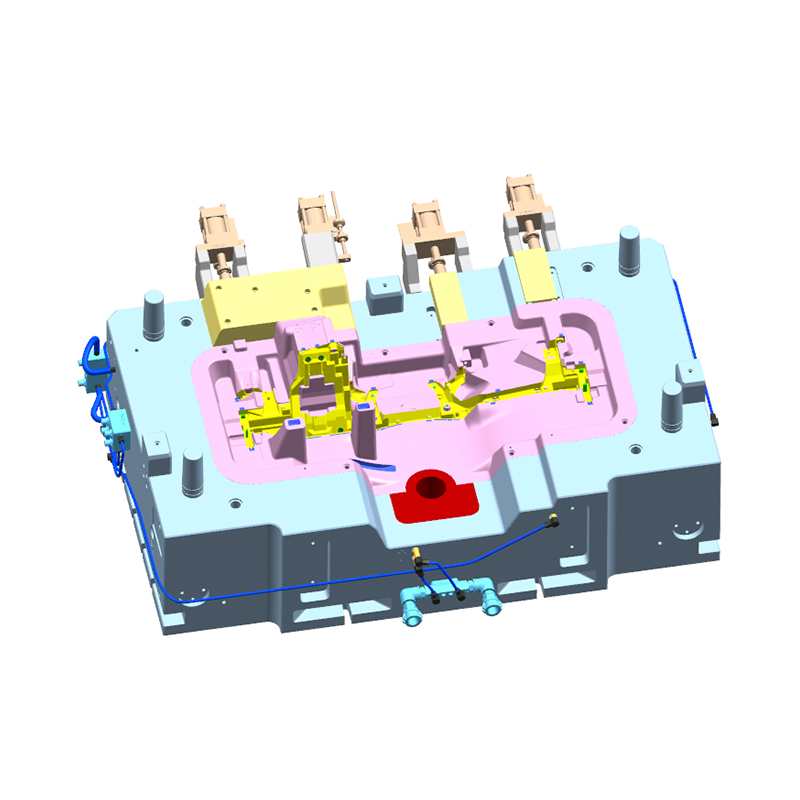




Contact Information
-
 Wangshan Road, Jiangbei District, Ningbo, Zhejiang, China
 -
 86-135-64796935


Get A Quote
What is the difference between die cast aluminium and aluminum alloy?
2026-06-18
Content
In the modern manufacturing and engineering landscape, aluminum is celebrated as one of the most versatile, lightweight, and corrosion resistant metals available. However, when sourcing components or designing new products, professionals frequently encounter terms that seem overlapping yet distinct, particularly die cast aluminum and aluminum alloy. Understanding the exact relationship and differences between these two concepts is essential for making informed decisions regarding material selection, manufacturing efficiency, and overall product performance.
To clear up the common confusion, it is vital to establish that these two terms do not represent mutually exclusive categories. Instead, they describe different aspects of metallurgy and manufacturing. Aluminum alloy refers to the chemical composition of the metal, representing a mixture of aluminum with other elements to enhance its raw properties. Die cast aluminum, on the other hand, refers to a specific manufacturing process where an aluminum alloy is melted and injected into high precision molds under immense pressure.
By exploring the chemical structures, manufacturing methodologies, and mechanical properties of these materials, this guide provides a detailed analysis of how they differ and how they interact in industrial production.
Before comparing manufacturing techniques, one must first examine the metallurgical foundation of aluminum alloys. Pure aluminum is relatively soft, ductile, and lacks the mechanical strength required for most structural applications. To overcome these limitations, metallurgists combine pure aluminum with other elements to create alloys.
An aluminum alloy is formed by melting pure aluminum and blending it with precise percentages of other metallic or non metallic elements. The most common alloying elements include silicon, copper, magnesium, manganese, and zinc. Each of these additions serves a specific purpose in modifying the physical and chemical characteristics of the base metal.
For instance, adding copper significantly increases the mechanical strength and hardness of the alloy, making it suitable for aerospace applications, though it slightly reduces corrosion resistance. Magnesium increases tensile strength and weldability, whereas zinc improves the overall strength and heat treatability of the material. Silicon is added to lower the melting point and dramatically increase the fluidity of the molten metal, which is a critical factor for casting processes. Through precise alloy grade selection, manufacturers can tailor the material to meet exact engineering specifications.
The vast family of aluminum alloys is divided into two primary categories based on how the material will be processed into its final shape, namely wrought alloys and casting alloys.
Wrought alloys are designed for mechanical working processes such as rolling, extrusion, forging, and drawing. These alloys possess excellent ductility and work hardening properties, allowing them to be shaped while in a solid state. Wrought alloys are commonly categorized under the four digit numbering system, ranging from the one thousand series for super pure aluminum to the seven thousand series, which represents high strength zinc alloys utilized in aircraft structures.
Casting alloys are specifically formulated for liquid metal processing. These materials must have excellent fluidity, low shrinkage rates during solidification, and high resistance to hot cracking while inside the mold. Casting alloys are categorized under a different numbering system, often using a three digit system with a decimal point. Because casting alloys must flow easily into intricate mold cavities, they typically contain much higher percentages of silicon compared to wrought alloys.
Die cast aluminum is not a unique material on its own, but rather a term used to describe a casting alloy that has undergone the high pressure die casting process. This method is highly favored for producing complex, thin walled components with exceptional dimensional accuracy.
The manufacturing process of die cast aluminum begins by melting a suitable casting alloy in a furnace. Once the metal reaches its liquid state at a temperature usually hovering around seven hundred degrees Celsius, it is transferred into a shot sleeve. A hydraulic piston then forces the liquid metal under extreme pressure into the sealed cavity of a reusable steel mold.
The pressure utilized in this process is immense, often ranging from several hundred to over a thousand bars. This high pressure ensures that the liquid aluminum fills every microscopic crevice of the mold cavity before it begins to solidify. Once the metal cools and solidifies, which happens very quickly due to the water cooling systems embedded within the steel mold, the mold halves open, and ejector pins push the finished aluminum part out. This cycle can be repeated thousands of times, making it a highly efficient method for high volume production.
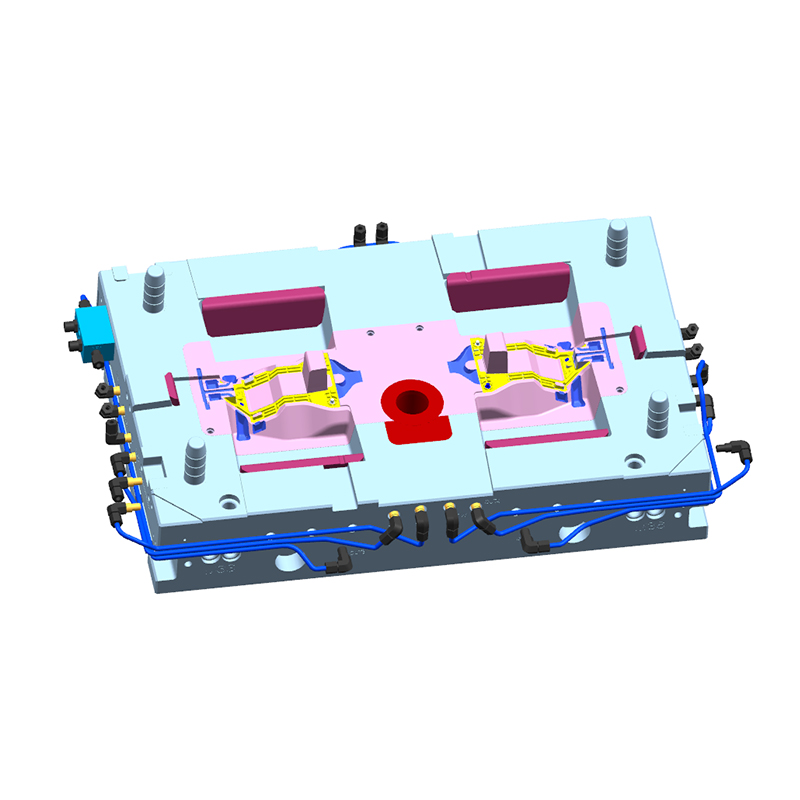
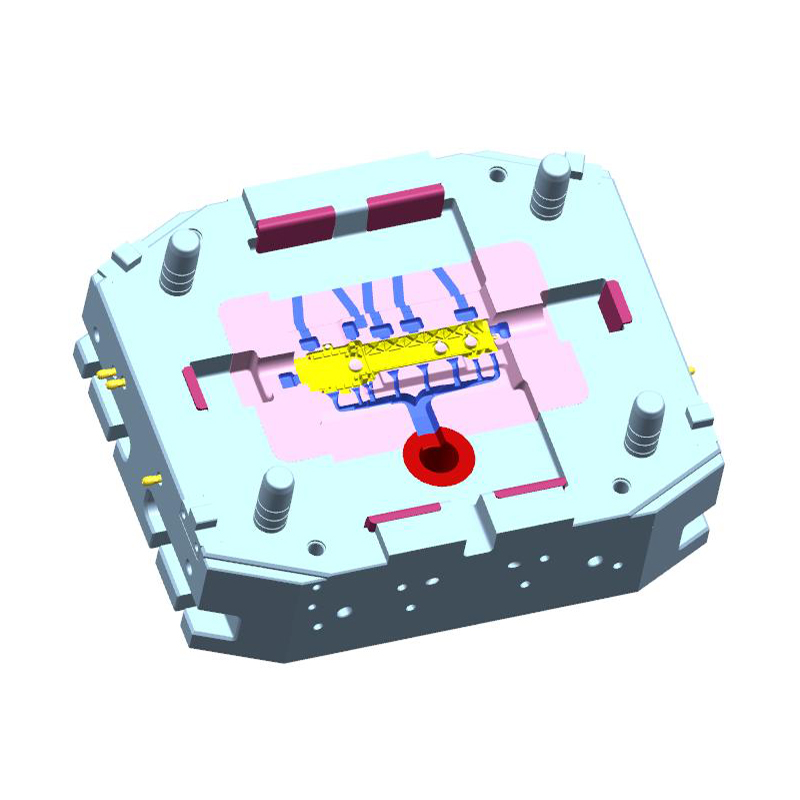
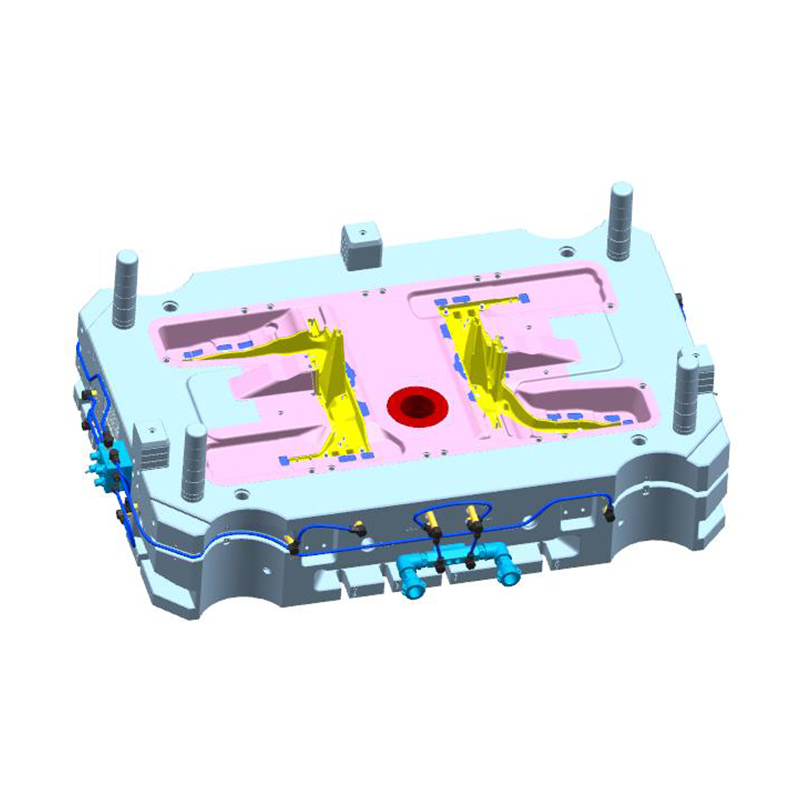
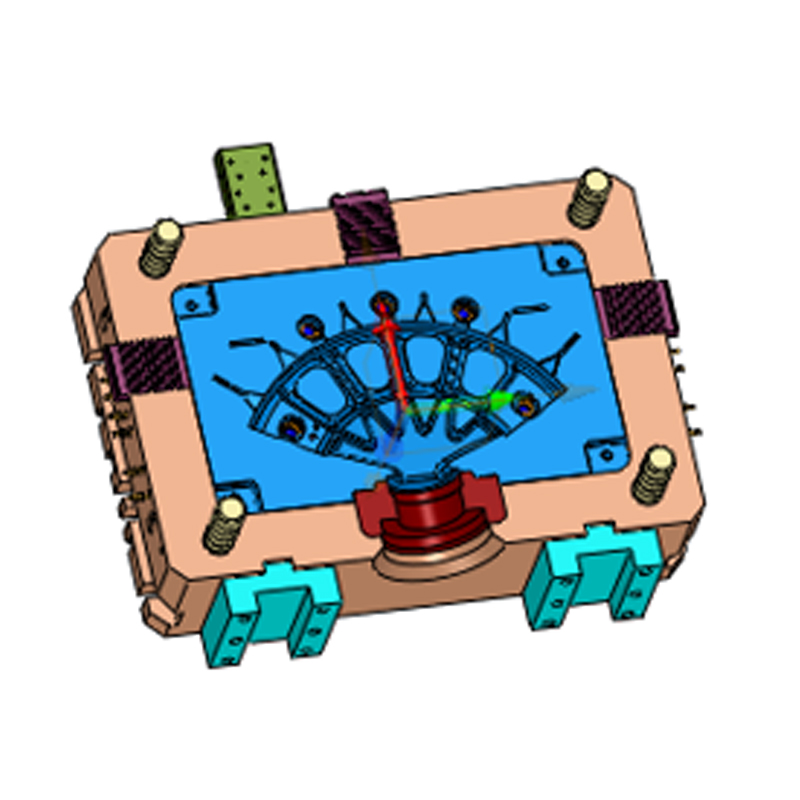
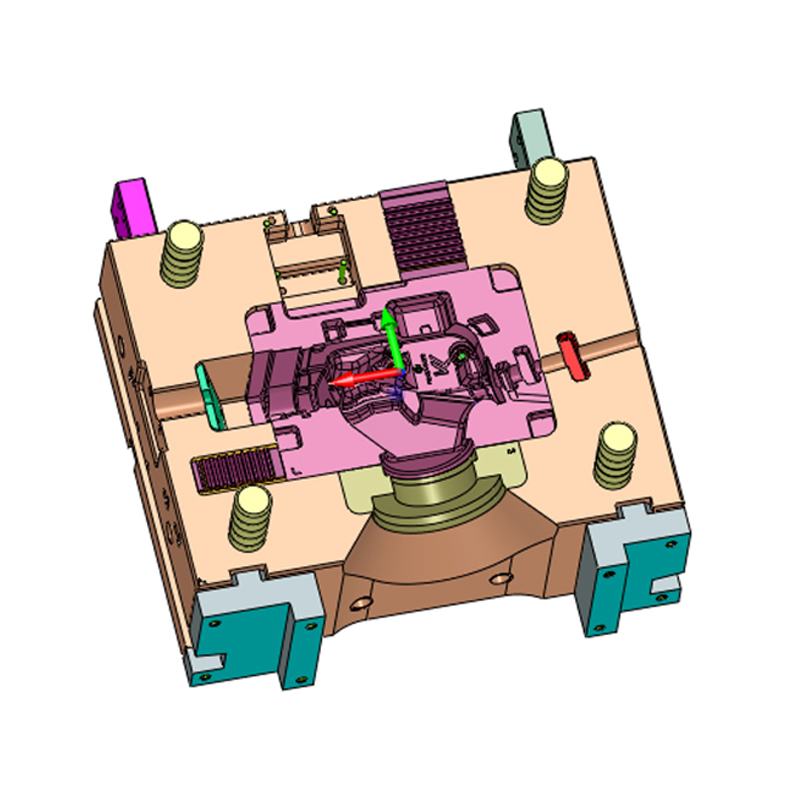
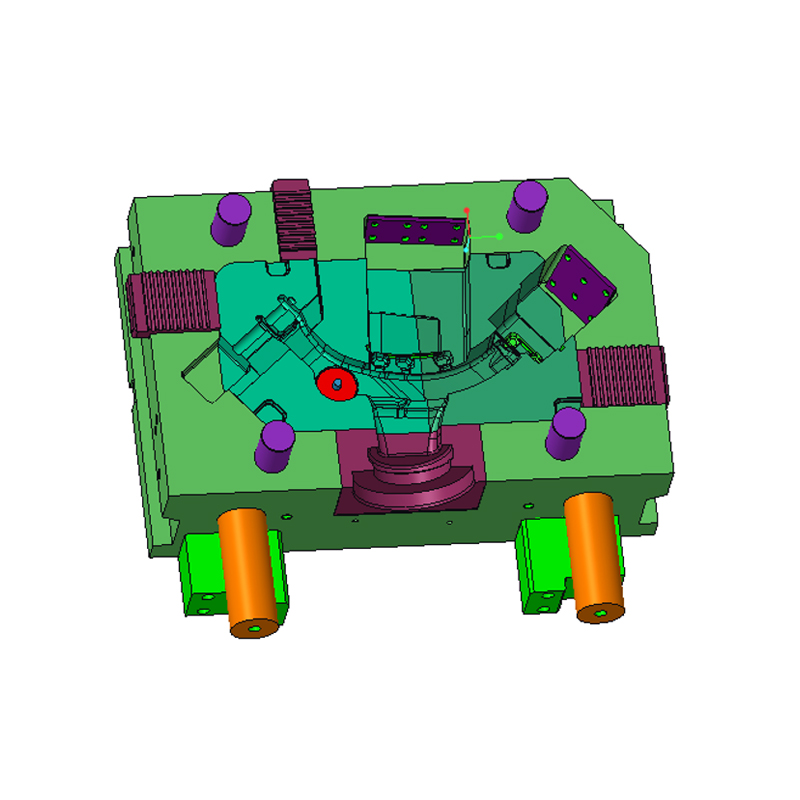
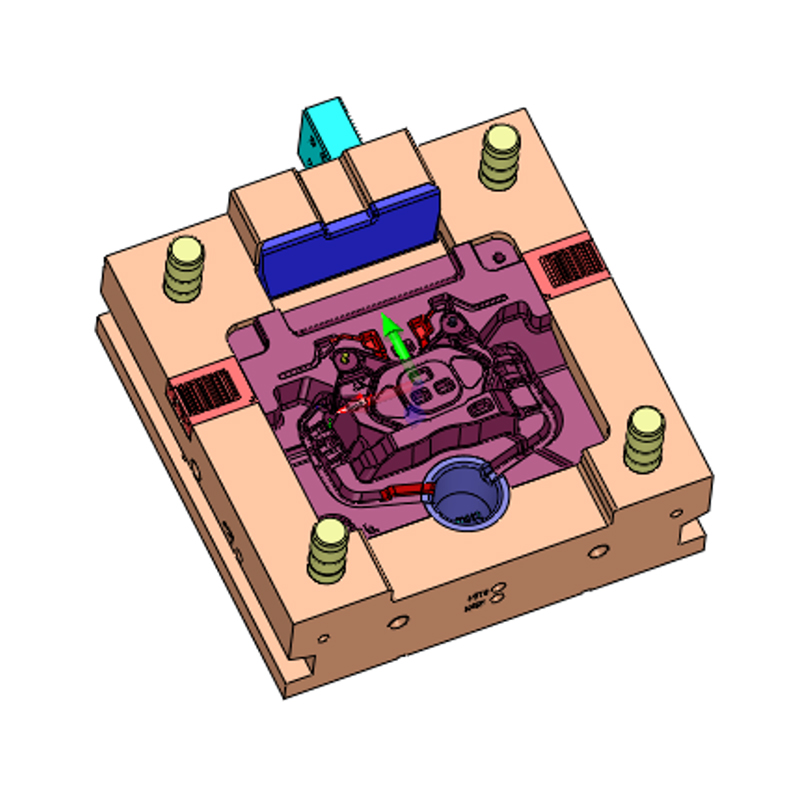
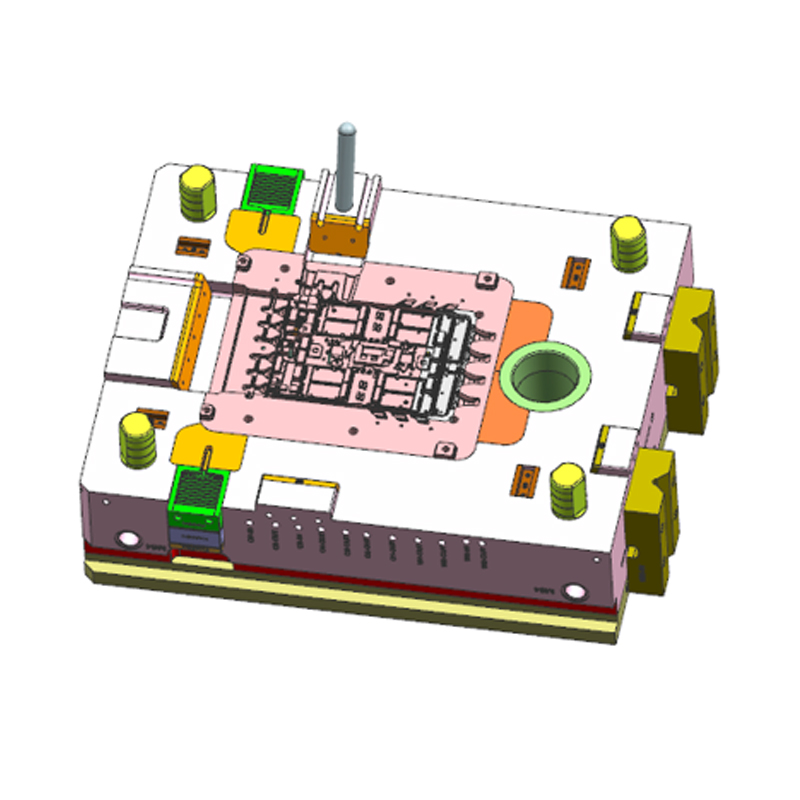
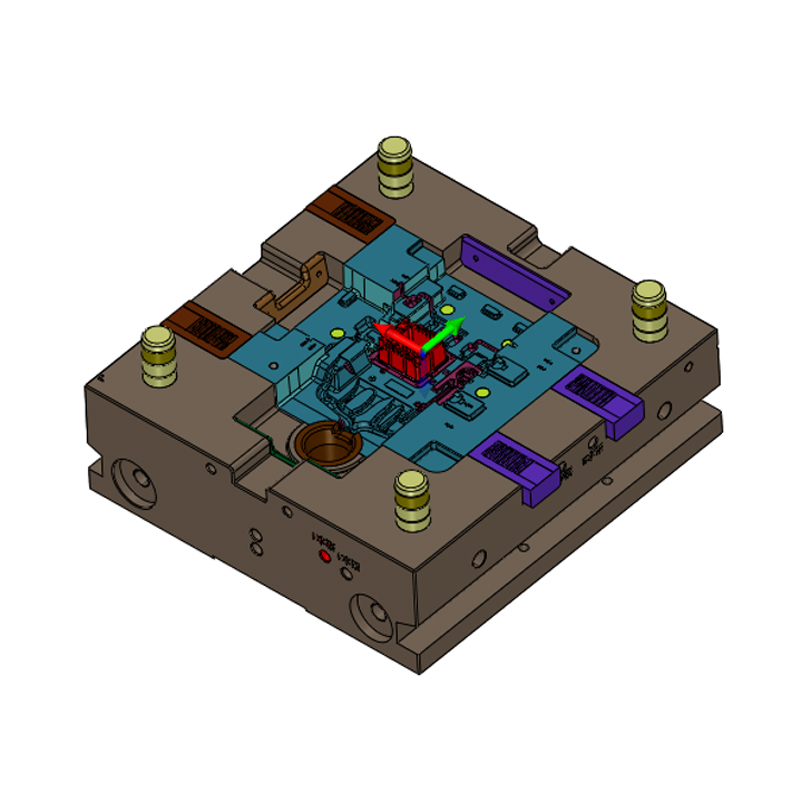
The success of the high pressure die casting process depends entirely on the design and durability of the tooling, which are known as Aluminum alloy Die Casting Molds. These molds are highly engineered systems crafted from premium, heat resistant tool steels such as H13 hot work steel.
Because molten aluminum is highly corrosive to steel at elevated temperatures, the surface of these molds must be treated with specialized coatings to prevent the liquid metal from soldering or sticking to the mold walls. Furthermore, Aluminum alloy Die Casting Molds must feature complex internal networks of cooling channels to regulate the temperature of the steel during rapid production cycles. Proper thermal management within the mold prevents defects such as thermal cracking, shrinkage porosity, and surface blemishes on the final die cast parts. Designing these molds requires advanced computer simulations to predict metal flow, solidification patterns, and potential air entrapment points.
When comparing a standard aluminum alloy, especially a wrought alloy like 6061, with a die cast aluminum part, several structural and mechanical distinctions become apparent. These differences arise directly from the manufacturing methods and chemical compositions used.
The most significant chemical difference lies in the silicon content. Standard wrought aluminum alloys used for extrusion or CNC machining contain very low amounts of silicon, usually well under one percent. High silicon levels in wrought alloys would make the material brittle and difficult to extrude or forge.
In contrast, die cast aluminum alloys, such as the widely used A380 or ADC12 grades, contain high levels of silicon, often ranging between eight and twelve percent. This high silicon concentration is necessary to reduce the viscosity of the molten metal, allowing it to flow smoothly through the narrow gates and thin sections of the Aluminum alloy Die Casting Molds. While silicon dramatically improves castability and reduces shrinkage defects, it also alters the crystalline structure of the metal, making die cast parts harder but significantly less ductile than their wrought alloy counterparts.
The internal structure of die cast aluminum is fundamentally different from that of wrought or forged aluminum alloys. During high pressure die casting, the liquid metal is injected into the mold at high velocities, which can cause turbulent flow. This turbulence often traps small amounts of air and gases inside the mold cavity, resulting in micro porosity within the solidified part. While advanced mold venting and vacuum systems help minimize this issue, almost all die cast parts contain some degree of internal porosity, particularly in the thicker sections of the component.
Wrought aluminum alloys undergo heavy mechanical working such as rolling or extrusion. This intense physical pressure crushes any internal voids and refines the grain structure of the metal, resulting in a completely dense, uniform, and defect free internal structure. Because of this high structural density, wrought alloys exhibit much higher consistency in strength and are far better suited for critical structural applications where unexpected failure cannot be tolerated.
The mechanical performance of these materials varies widely due to their grain structures and alloying elements. Wrought aluminum alloys generally offer superior tensile strength, yield strength, and elongation. For example, 6061 aluminum that has been heat treated to a T6 temper shows high yield strength and can bend significantly before fracturing, demonstrating excellent ductility.
Die cast aluminum parts exhibit decent tensile strength and high hardness, but they have very low elongation properties, often under three percent. This means that if a die cast part is subjected to an overload force, it will tend to snap or fracture suddenly rather than bending or deforming. This brittle behavior is a direct consequence of both the high silicon content and the rapid solidification rate of the casting process, which creates a fine but rigid crystalline matrix.
To help engineers choose the best option, the table below compares the typical characteristics of die cast aluminum against other common aluminum alloy formats, focusing on manufacturing characteristics and structural capabilities.
|
Performance Criteria |
Die Cast Aluminum |
Extruded Aluminum Alloy |
Forged Aluminum Alloy |
|---|---|---|---|
|
Common Alloy Grades |
A380, A360, ADC12 |
6061, 6063, 6082 |
7075, 6061, 2024 |
|
Dimensional Complexity |
Exceptionally high; supports thin walls and integrated features |
Moderate; limited to consistent cross sectional shapes |
Low to moderate; limited to simpler, solid geometries |
|
Internal Structural Density |
Contains micro porosity from high velocity air entrapment |
High density; virtually free of voids and internal pockets |
Maximum density; refined grain flow lines for extreme loads |
|
Material Ductility |
Low; brittle behavior with minimal elongation before failure |
High; can be bent, formed, and machined easily |
Outstanding; resists fatigue and sudden structural fractures |
|
Tooling Cost Investment |
Very high due to complex steel dies and ejector systems |
Moderate; extrusion dies are relatively inexpensive |
High; requires heavy forging dies and hydraulic presses |
|
Post Processing Needed |
Low; parts are produced near net shape with smooth finishes |
Moderate; requires cutting, drilling, and surface treatments |
High; typically requires extensive machining to achieve final shape |
Understanding the relationship between the molten alloy and the mold steel is critical for achieving high quality production runs. The engineering behind Aluminum alloy Die Casting Molds is a sophisticated discipline that directly influences the mechanical properties of the finished die cast aluminum component.
Die casting molds are subjected to extreme thermal and mechanical stresses during every single cycle. When the molten aluminum enters the mold at seven hundred degrees Celsius, the surface of the steel expands rapidly.
Once the part solidifies and is ejected, the mold is sprayed with water based lubricants to cool it down, causing the steel surface to contract. This rapid heating and cooling cycle, known as thermal cycling, leads to a phenomenon called heat checking, which manifests as tiny networks of cracks on the mold surface. Over time, these cracks will transfer onto the cast parts, ruining their surface finish. To combat this, mold makers must select premium tool steels, perform precise heat treatments, and maintain the molds at a stable operating temperature using oil heater systems.
The pathway through which the liquid metal enters the mold cavity is known as the runner and gating system. Designing this pathway is a balancing act of fluid dynamics.
If the metal enters too slowly, it may cool down and solidify before completely filling the mold, causing cold shut defects. If it enters too quickly, excessive turbulence will trap air, resulting in high porosity. The mold must also feature strategically placed vents and overflow wells to allow air inside the cavity to escape ahead of the advancing liquid metal. In high end production, vacuum valves are connected to the mold to suck the air out of the cavity split seconds before the injection stroke, resulting in exceptionally dense, high quality die cast parts that can even undergo heat treatment without bubbling.
Choosing between using a standard aluminum alloy for CNC machining, an extrusion profile, or investing in die cast aluminum depends on several technical and financial variables.
The financial feasibility of the project is often the deciding factor in material and process selection. Utilizing standard aluminum alloys for CNC machining or fabrication requires minimal upfront tooling costs, as parts are cut directly from readily available sheet, plate, or bar stock. This makes machining the ideal choice for prototypes, low volume production runs, and custom projects.
However, if you need to produce tens of thousands of identical, complex parts, CNC machining becomes too slow and expensive due to high labor and machine time costs. For high volume runs, die cast aluminum is far more cost effective. Although the upfront investment for Aluminum alloy Die Casting Molds can be very high, the cost per individual part is incredibly low, and the rapid cycle times allow for the production of millions of parts per year with minimal labor.
The design of the part itself will often dictate which manufacturing route is physically possible. Extruded aluminum alloys are restricted to shapes with a uniform cross section, such as tubes, channels, and brackets.
If your component requires complex three dimensional geometries, such as internal mounting bosses, cooling fins, thin walls, and integrated threads, die casting is highly superior. High pressure die casting can produce incredibly thin walls, sometimes down to one millimeter, while maintaining structural integrity. Achieving similar levels of geometric complexity through CNC machining would require multi axis machines, result in massive material waste, and take a long time, whereas a die casting machine can produce the same complex geometry in a matter of seconds.
Depending on the operating environment of your final product, corrosion resistance and finishing capabilities may be critical requirements. Wrought aluminum alloys such as the 5000 and 6000 series offer excellent natural resistance to atmospheric and chemical corrosion because they form a stable, protective oxide layer on their surface. These alloys are also perfect candidates for anodizing, an electrochemical process that thickens the natural oxide layer, allowing for vibrant color dyes and a highly durable, scratch resistant surface finish.
Die cast aluminum alloys contain high levels of silicon and copper, which interfere with the anodizing process. Anodizing a die cast part typically results in a dull, patchy, and dark gray appearance rather than a clean, decorative finish. Therefore, if a premium aesthetic or specific color finish is required for a die cast component, manufacturers usually opt for powder coating, liquid painting, or electroplating, which provide excellent coverage and environmental protection without relying on the underlying metallurgy of the alloy.
Wangshan Road, Jiangbei District, Ningbo, Zhejiang, China
86-135-64796935
Copyright © Ningbo NKT Tooling Co., Ltd. All Rights Reserved.
 Login
Custom Automotive Aluminum/Zinc Die Casting Molds Manufacturers
Login
Custom Automotive Aluminum/Zinc Die Casting Molds Manufacturers
