
 English
 中文简体
中文简体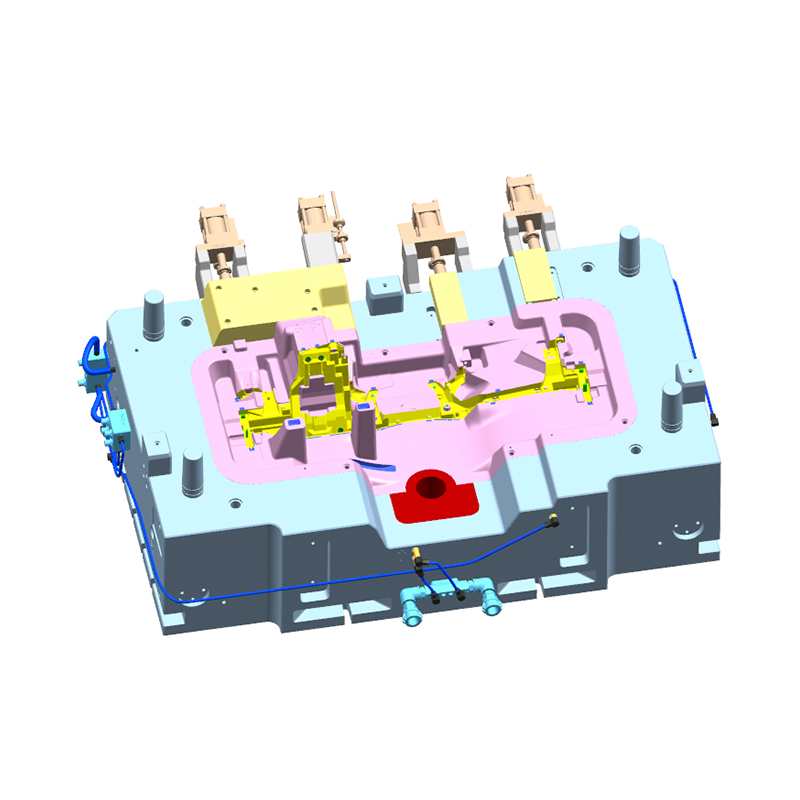



Contact Information
-
 Wangshan Road, Jiangbei District, Ningbo, Zhejiang, China
 -
 86-135-64796935

Get A Quote
Typical Cost of a Die Casting Mold: What Buyers Should Expect and Why It Varies
2026-08-20
Content
Imagine you are sourcing a die cast part for a new automotive component. You send the same CAD file to three mold suppliers, and their quotes for the tool come back at $8,500, $22,000, and $46,000. Which one is right? The truth is that none of them can be judged on the number alone. The typical cost of a die casting mold is a range, not a point: simple zinc alloy tools may start around $3,000, while a complex aluminum or magnesium die with multiple slides, inserts, and internal cooling can easily reach $100,000 or more.
The reason for this spread is that a die casting mold is a custom-engineered piece of production equipment, not a commodity. Its price reflects the part's geometry, the alloy being cast, the expected production volume, the number of cavities, the lifetime required from the tool, and the level of process control needed to hold tight tolerances. This article explains how mold costs are structured, what drives the numbers up or down, and how buyers can budget realistically and avoid costly mistakes.
Understanding how mold prices are built is the first step toward a realistic budget. A $5,000 mold and a $90,000 mold may both be called “die casting tools,” but they are different in almost every physical and engineering sense. Let’s break down the main cost drivers.
The physical size of the mold is the most obvious factor. A small electronic controller housing might fit in a 300 mm by 300 mm mold base, while a full transmission housing or motor housing could require a mold base that measures more than 1,200 mm in one direction. Steel volume grows with the square of the footprint and roughly linearly with thickness. A larger mold means more mold steel, more machining hours, larger CNCs, and, often, a bigger die casting machine for sampling. It is not unusual for a small mold to weigh under 300 kg and a large automotive mold to weigh over 5 tons.
For a typical product such as an automotive bracket, the mold footprint might be moderate, but for structural components like a shock tower or a battery tray, the part envelope alone can double the tooling cost compared to a similarly complex small part. Buyers often underestimate the impact of overall dimensions because they focus on the number of features rather than the base size.
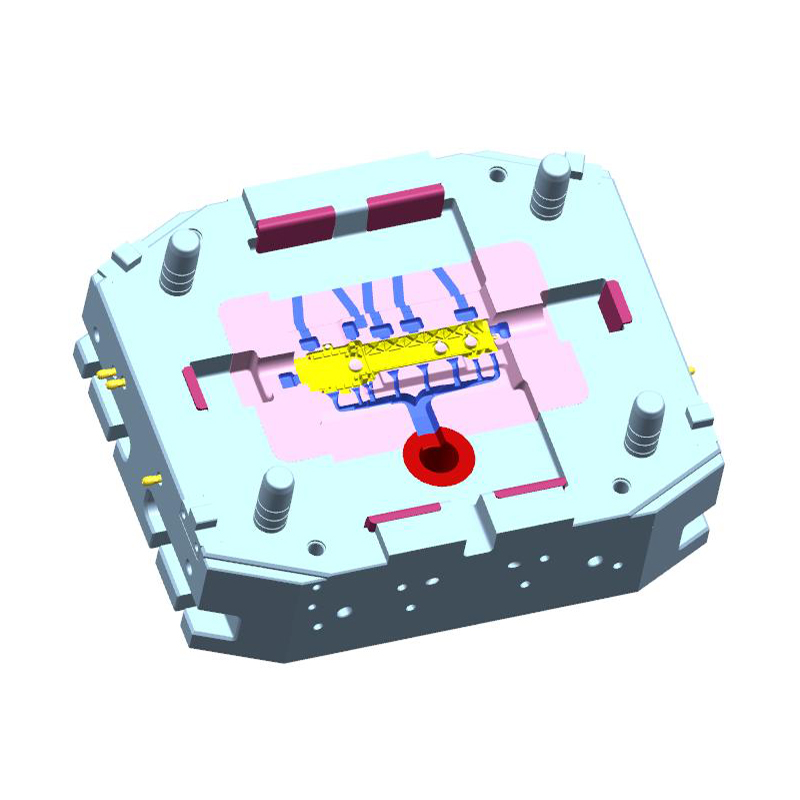
Cavity count is a core decision in every mold project. A single-cavity mold produces one part per cycle; a two-cavity mold produces two, and an eight-cavity mold can produce eight if the runner and gating system are carefully balanced. Each additional cavity increases the mold base size and steel volume, doubles or triples the machining complexity, and makes the cooling and filling design more difficult to optimize.
In practical terms, moving from one cavity to two typically adds 40% to 60% to the mold cost, not 100%, because some components such as the mold base, sprue bushing, and ejection plates are shared. However, moving from four cavities to eight is less efficient in percentage terms and may add 70% or more because the tool must be redesigned with a larger footprint and more complex runner system. Some high-volume zinc parts use multi-slider tools with 12 or more cavities, and those molds can be surprisingly expensive because of the intricate sliding mechanisms and precise alignment requirements.
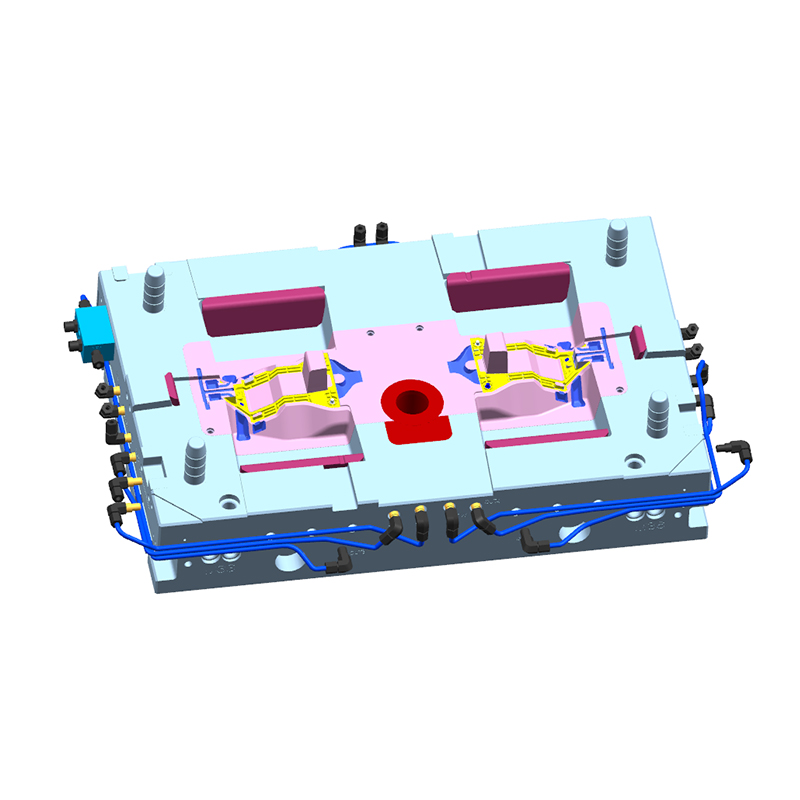
The geometric complexity of the part dictates how many moving elements the mold must contain. An undercut, a side hole, or an external thread requires a slide (also called a side-action core). Each slide adds a hardened steel insert, a slide body, guide pins, angled wedges, hydraulic or mechanical actuation, and additional water lines. A simple mold with no slides is the cheapest; a mold with four large hydraulic slides can account for $15,000 to $40,000 alone just in the slide mechanisms.
Cores that create internal cavities also drive cost. Deep cores must be cooled internally to avoid shrinkage porosity, which requires drilling long water channels or investing in additive-manufactured core inserts. Removable inserts that can be swapped for different variants of the same part add another layer of cost but can save money if you plan several similar part numbers.
In our own mold shop, we often see a similar part with different hole patterns. One customer may choose a family mold with interchangeable inserts to handle three variants; the initial investment is higher, but the cost per part variation is lower. Another customer may insist on three dedicated molds, which gives higher output but a much higher total tooling budget. Both approaches are valid, and the correct choice depends on annual volume and pricing strategy.
The material selected for the mold core and cavity is a major line item. H13 tool steel is the workhorse for aluminum and magnesium die casting, but premium grades like DAC55, SKD61, or imported H13 with tighter cleanliness and better isotropy cost more per kilogram. The steel cost is often only 15% to 25% of the total mold cost, yet it strongly influences tool life and reliability.
Heat treatment adds another significant charge. Vacuum hardening, multiple tempering cycles, and stress relieving are necessary to achieve the required hardness (typically 44 to 52 HRC for H13) and to minimize distortion. After heat treatment, there is usually a finish machining or electrical discharge machining (EDM) operation, which further increases cost. Some high-life molds also require nitriding or a physical vapor deposition coating such as TiAlN on the core and cavity surfaces, adding $2,000 to $8,000 depending on surface area.
The decision to use a cheaper steel that might survive 50,000 shots, versus a premium grade rated for 200,000 shots, changes the upfront price dramatically. For a prototype or pre-production run, a cheaper option may be justified. For a long-running automotive program, the higher initial investment is often the most economical choice when you calculate the total cost per good part.
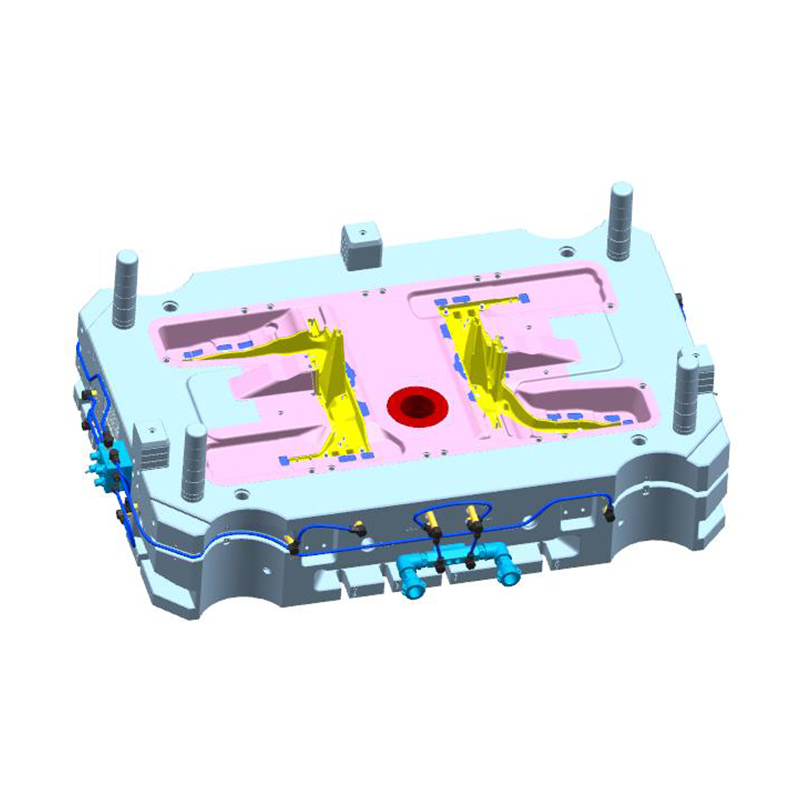
Die casting cycle time is largely controlled by cooling. A mold with strategically placed water lines removes heat faster, reduces cycle time, and improves part quality by preventing hot spots and shrinkage cracking. However, adding cooling channels is not easy. Deep-hole drilling is used for straight lines, but curved channels require a machined insert that is then sealed with plugs or a vacuum-brazed plate.
Conformal cooling, where inserts are 3D printed with complex internal pathways that follow the part contour, is increasingly popular for aluminum alloy die casting. This technology can reduce cycle time by 15% to 30%, but the inserts are expensive to produce and often require separate service life verification. A mold with a few conformal-cooled inserts can cost 10% to 20% more than a conventionally cooled mold, yet the return in productivity can pay for that difference within a few months.
Cooling also affects the mold's thermal fatigue behavior. Poor cooling leads to early heat checking, which shortens mold life and increases maintenance downtime. Investing in good cooling design is one of the most effective ways to reduce total cost of ownership, but it is also one of the first areas where an unexperienced supplier will cut corners to lower the quote.
Tighter tolerances require more extensive machining, more precise EDM, and more careful fitting and spotting. A typical die cast part may be specified with a linear tolerance of ±0.5 mm, but many automotive applications require ±0.1 mm in critical areas. Holding ±0.1 mm in a mold steel that expands and moves during the process requires sturdier constructions, more detailed thermal analysis, and additional trial iterations. This can easily add 10% to 30% to the mold cost.
Surface finish is a similar driver. If the part needs a specific texture for aesthetics or a mirror polish to reduce friction in a sliding component, the mold must be polished accordingly, and sometimes selectively. Texture etching on selected areas requires masking and adds two to four weeks of lead time plus $2,000 to $6,000 per large area. These costs are not visible in the CAD file if you only look at the geometry, but they are part of the specification and should be declared in the RFQ.
Process mobility also changes mold pricing. High-vacuum die casting molds require additional sealing, vacuum channels, and a specially designed shot system that prevents air from entering the cavity. These molds are more expensive to build and more sensitive to maintenance, but they produce porosity-free structural parts such as battery housings or steering components. The mold for a vacuum die casting project can be 15% to 25% higher than a conventional mold for a similar geometry.
Squeeze casting (or extrusion casting) uses a slower filling stage and applies high pressure during solidification. The mold must withstand higher mechanical loads and is typically built with more robust steel sections and heavier guide pillars. The cost premium compared to standard high-pressure die casting is noticeable, but the resulting parts offer improved elongation and pressure tightness.
As a supplier that has built both high-vacuum and squeeze casting molds for automotive applications, we can confirm that the process choice must be made early, before mold design begins. Changing from a conventional die to a vacuum-assisted one after the mold is built is almost as expensive as building a new mold.
While every project is unique, industry pricing patterns can give you a reliable sense of the market. The following ranges are based on the historic quotations we see in the market and our own production experience, and they should be used for budgeting only, not as fixed quotations.
| Mold Type | Complexity Level | Typical Cost Range (USD) | Typical Cavity Count |
|---|---|---|---|
| Zinc alloy hot-chamber mold | Simple, small part | $3,000 – $12,000 | 1 to 4 |
| Zinc alloy hot-chamber mold | Multi-slider, high complexity | $12,000 – $40,000 | 6 to 16 |
| Aluminum alloy mold | Simple, small housing | $5,000 – $25,000 | 1 |
| Aluminum alloy mold | Medium complexity, moderate size | $25,000 – $60,000 | 1 to 2 |
| Aluminum alloy mold | Large, complex, with slides and vacuum | $60,000 – $120,000+ | 1 |
| Magnesium alloy mold | Simple to medium (steering parts, brackets) | $30,000 – $80,000 | 1 |
| Magnesium alloy mold | Structural, high-vacuum | $80,000 – $150,000+ | 1 |
These ranges assume the mold will be built with standard H13 or equivalent steel and will be used for a nominal production life of 80,000 to 120,000 shots for aluminum and slightly lower for magnesium. If you expect 250,000 shots or more, add a premium for higher-grade steel, more generous cooling, and surface treatment. If you only need 20,000 prototypes, you may be able to source a softer-steel mold at the lower end of the range.
For low-volume pre-production runs, a simpler mold built with unhardened or short-life inserts is sometimes offered at a 30% discount. The trade-off is that you may have to rebuild or repair the tool after a few thousand shots. In some cases, that is the right call. In others, it results in scrap and delays that erase the savings.
As a reference, consider our own product line for zinc alloy tools. A typical 150t hot-chamber die casting mold for zinc parts with a moderate number of cavities falls into the $12,000 – $30,000 range, depending on the part geometry and required slides. That kind of tool is commonly used for plumbing fixtures, lock housings, and electrical components. In comparison, a high-speed multi-slider zinc mold with 10 or more cavities is a much more advanced piece of equipment and is priced accordingly.
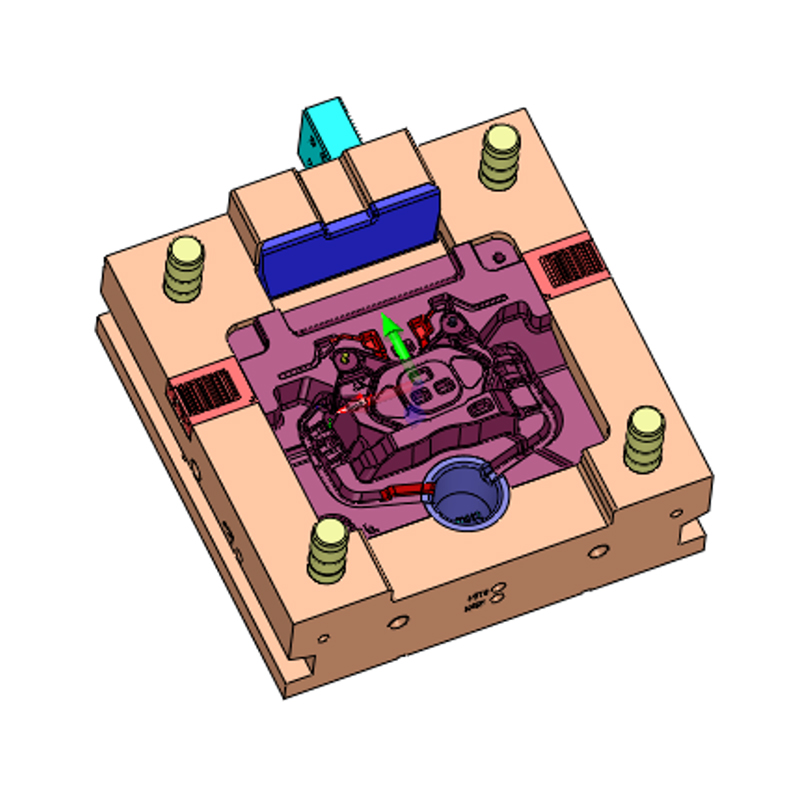
 Custom 150T Hot Chamber Die Casting Mold Factory, Manufacturers - Ningbo NKT TooNingbo NKT Tooling Co., Ltd. is China 150T Hot Chamber Die Casting Mold Manufacturers and Custom Factory, details:The 150T Hot Chamber Di...View Product →
When a supplier sends you a six-figure quotation for a die casting mold, the number is the sum of several distinct work packages. Knowing what they include helps you compare offers and identify hidden costs. Here is the usual breakdown.
Before any metal is cut, the mold design team analyzes the part, simulates the filling, and drafts the complete tool design. This includes gate position, runner sizing, overflow wells, cooling channel placement, ejection system layout, and the selection of commercially available components such as ejector pins and sprue bushings. The engineering fee usually represents 5% to 10% of the total mold cost, but a more complex part or a simulation-driven design can push it higher. If the supplier offers a DFM (design for manufacturability) report and makes modification suggestions, that work is included in this phase.
A good designer expects to run at least two or three design reviews with the customer. Each change to the part geometry after the mold design begins can add hours of redesign work, which is why the final part data lock is such a critical milestone.
Every mold includes a base, plates, guide pins, bushings, ejector plates, and a host of standard parts. These are usually sourced from specialized mold base suppliers. For a typical medium-sized aluminum die casting mold, the base with support structures may cost $2,000 to $10,000 alone, and that cost appears as a separate line item in some quotes. Larger bases with heavy support pillars and a generous clamping area cost more.
The actual steel for the core and cavity is a separate material cost. In a quote, you will see the weight and grade of steel. Remember that the machined steel is a small fraction of the final weight because a large block is cut away to leave the part shape. That chip removal is reflected in the machining hours, not just the steel weight.
CNC milling, turning, drilling, and wire drafting make up the largest labor and machine cost element. A complex 3D cavity shape requires many hours of 3-axis and 5-axis CNC work. Sharp internal corners are finished with EDM, which is deliberately slower and more precise. Tooling costs are driven by surface area, depth of cut, and required finish. As a rough rule, machining and EDM can account for 40% to 60% of the total mold price.
This is where economies of scale appear inside the mold shop. A supplier with modern high-speed machining centers and automated electrode making can produce a more accurate mold in less time. But the hourly rate of a 5-axis mill is high, so a quote with fewer hours at a higher rate may be better than one with many hours at a low rate. Scrutinize the quoted process plan if you want to understand the differences.
After machining, the mold is assembled. The core and cavity halves are matched, the slides are fitted, and the ejection system is adjusted. Spotting involves applying a marking compound to the contact surfaces and adjusting the fit to ensure uniform contact. This can take days for a complex die and is one of the most skill-dependent phases of mold making. Bench work also includes polishing, rounding edges, and installing water fittings.
Most mold quotes include a first trial on a die casting machine. The supplier may use an in-house machine or contract with a nearby foundry. The cost of the aluminium or zinc alloy used in the trial, the energy, the operator time, and the die casting machine hour rate are usually included. If multiple sample rounds are needed, additional costs can appear. A well-designed mold with a reliable supplier might require only two or three rounds; a problematic design might need six or more. Make sure the quote states how many trial runs are included.
During the sample phase, the supplier measures the part, checks for shrinkage, porosity, and dimensional deviations. Each corrective iteration requires the mold to be adjusted, sometimes by machining the cavity or adding inserts, and this must be priced into the project schedule.
Heat treatment is sometimes listed separately from machining, especially if the supplier buys annealed steel and hardens it after initial roughing. Surface treatments like nitriding, PVD coating, or a release-agent-friendly coating are extra. These treatments can extend mold life and improve release, but they are not always included in the base quote. Ask for a line item to avoid a surprise at the end.
Professional mold suppliers provide documentation that includes material certificates, heat treatment reports, CMM inspection data, and a maintenance manual. For automotive programs, this documentation is mandatory under PPAP requirements. The cost of preparing these documents, managing the project schedule, and holding review calls is usually a small percentage of the total, but in a detailed quote, it should be identified. A supplier that offers transparent project management with photos and progress reports is worth the few thousand dollars it may add.
Many of the costs we have described are heavily influenced by decisions made in the part design phase. Even before you send the RFQ, you can shape the mold cost by optimizing the part geometry. Here are the most common design parameters and their impact.
Draft is the taper added to vertical faces so the casting can be ejected without sticking. A draft angle of 1° is typical for aluminum, though 2° is safer for deeper ribs and cores. If the draft is too small, the mold requires additional polish and the part may have drag marks. More importantly, zero drag ribs require extra side actions or added machining, both of which increase cost. Reviewing the draft early is the cheapest way to save money.
Sudden changes in wall thickness cause shrinkage voids and porosity. The mold design can compensate by adding inserts and chills, but that adds cost. A part with a uniform wall thickness of 3 mm is much easier to fill and cool than a part that jumps from 2 mm to 5 mm near a boss. Keeping walls uniform reduces the need for internal cooling and lowers the risk of hot spots.
Every undercut requires a slide. You can reduce the number of slides by changing the direction of the parting line or by accepting a feature that requires a secondary machining operation. For example, an external thread for a sensor boss can be drilled after casting instead of cast in place, avoiding a rotating core. The additional cost of machining is often lower than the cost of a complex slide in the mold.
When an undercut is unavoidable, it is worth asking whether it can be formed with a loose core that is manually removed after each shot. This is a low-cost alternative for low-volume parts, but it slows down cycle time and may not be acceptable for high-volume production. For a high-volume automotive part, a hydraulic slide is the only reliable option.
The tighter the tolerance, the more expensive the mold. You can save cost by designating critical dimensions that truly need ±0.1 mm and allowing standard die casting tolerances elsewhere. The mold builder can then concentrate machining attention where it matters. Too many buyers apply tight tolerances to every feature without justification, and the mold cost goes up with every dimension callout.
If the part has a decorative Class-A surface, the mold must be polished to a mirror finish and then textured if needed. Polishing and etching can take days of specialist work. A matte finish or a machined surface, on the other hand, requires less manual polishing. Choosing a textured area only on a small panel rather than the entire part is another way to control cost.
Casting in threaded inserts or using removable insert pins adds handling complexity to the die casting cycle. The mold must be designed to load and retain the insert during injection, and the automation system must place it accurately. This can increase mold cost by $5,000 to $20,000, depending on the number of inserts per cycle. It is often more economical to use a simple hole cast in the part and use a separate tapping operation for the thread, unless the insert is required for assembly strength or sealing.
In our experience, encouraging customers to review their part design against these criteria often reduces total mold costs by 10% to 25% without changing the function of the component. The mold shop's DFM feedback is not an attempt to inflate the budget; it is a direct route to a more economical tool.
The purchase price of a die casting mold is only the starting point. Over its lifetime, you will spend money on maintenance, repairs, coatings, and replacement parts. Understanding the expected lifetime of your mold is essential to calculating the true cost per part.
A standard H13 aluminum die casting mold is commonly expected to produce 80,000 to 120,000 good shots before the primary wear surfaces need replacement. This number is not a guarantee; it depends on the alloy temperature, injection speed, thermal cycling, and how well the cooling system works. A mold built with premium steel and good cooling can reach 150,000–200,000 shots, while a lower-grade tool may show heat checking after 30,000 shots.
Magnesium alloys are cast at temperatures somewhat lower than aluminum, which often allows slightly longer mold life if the process is managed well. Zinc alloys are the easiest on the mold, and hot-chamber zinc molds often exceed 500,000 shots because the operating temperature is much lower. That is one reason why zinc tooling is frequently built with hardened inserts that are treated less aggressively than aluminum tooling.
The main failure mode for die casting molds is heat checking, when hundreds of thermal cycles cause a network of small cracks on the mold surface. The cracks produce surface defects in the cast part and eventually cause soldering or sticking. Regular maintenance, including polishing cracks and treating the surface, can extend the mold life. However, each repair cycle has a cost, and the mold must be taken offline during repair.
Setting a maintenance budget equal to 5% to 10% of the initial mold price per year is a reasonable rule for aluminum and magnesium molds. For zinc, the number is lower. This budget covers new ejector pins (which wear out), replacement slides, and re-polishing after a high-volume run. If you contract with the mold maker for repairs, you also need to plan for the logistics of shipping the mold back and the time during which you cannot produce parts.
Some suppliers offer mold maintenance agreements. The mold is returned for inspection after every X thousand shots, and the supplier performs prescribed service steps for a fixed fee. This protects your investment and can prevent long production stops. These agreements are not common in every market, but they are worth asking for if you expect a high annual volume.
Mold cost per part depends on the total number of parts you plan to produce. This is the most important calculation in a die casting project. Here is a straightforward example.
Suppose Mold Option A costs $20,000 and produces a part in a 30-second cycle time. Mold Option B costs $40,000 but produces the same part in a 22-second cycle because it has better cooling and a different gating layout. The cycle time reduction saves 8 seconds per part. Over 100,000 shots, that is 800,000 seconds, about 222 hours of machine time. At a machine hour rate of $80, the savings amount to $17,760. In this case, the more expensive mold pays for most of the extra $20,000 within that same production volume. If the volume is 500,000 shots, the extra investment is trivial compared to the savings.
The opposite is also true. A lower-cost mold with a shorter expected life may be the right solution when you only need 15,000 parts for a niche product. Amortized over 15,000 parts, a $45,000 long-life mold might add $3 per part, while a $20,000 short-life mold adds only $1.33 per part. You can then accept a higher spare parts cost. The key decision factor is the annual volume and the confidence in your forecast.
Conduct a simple break-even analysis before you finalize the mold specification. Calculate the total investment plus the per-part cost at three different volumes: your conservative expected volume, your base forecast, and a high-case volume. If the high-volume scenario is plausible, invest in the longer-life mold. If the conservative case is likely, lower the initial investment and expect to repair or rebuild the tool.
The same principle applies to cavity count. A one-cavity mold may cost $30,000, while a two-cavity mold might cost $48,000. The two-cavity tool has a 60% higher investment but roughly doubles the output per hour. At high volume, the cycle-time saving easily justifies the extra $18,000. At low volume, the one-cavity mold is more rational because the machine time is less of a bottleneck.
For a real-world example from our product portfolio, a part like an magnesium alloy die cast steering tube is a typical structural automotive application that requires consistent dimensional stability over long production runs. In that case, a higher initial mold investment in premium steel and refined cooling is almost always the right decision because the tool must hold tight tolerances for several years without repeated weld repairs.
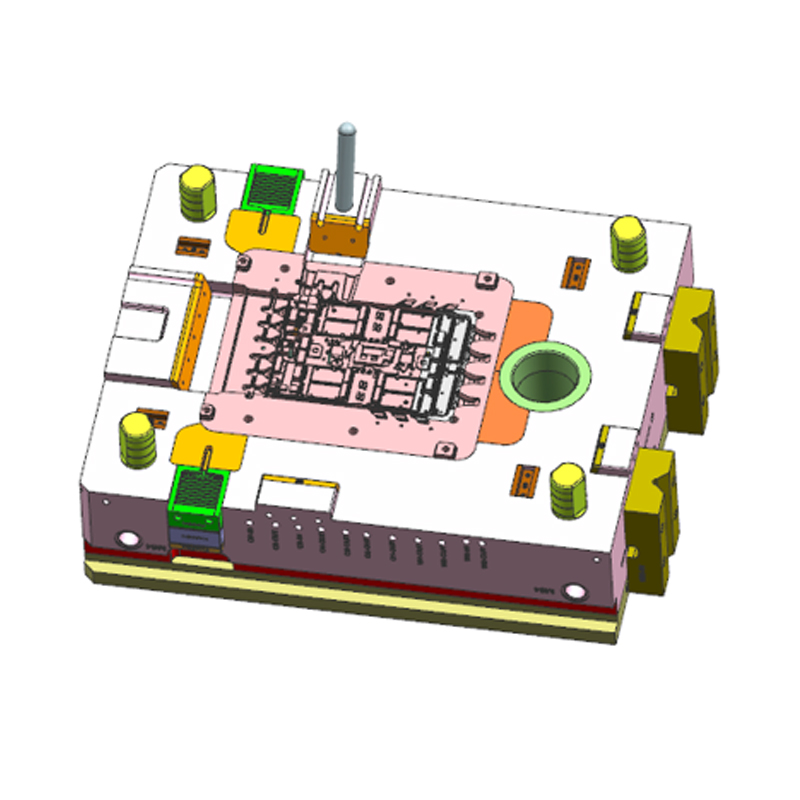
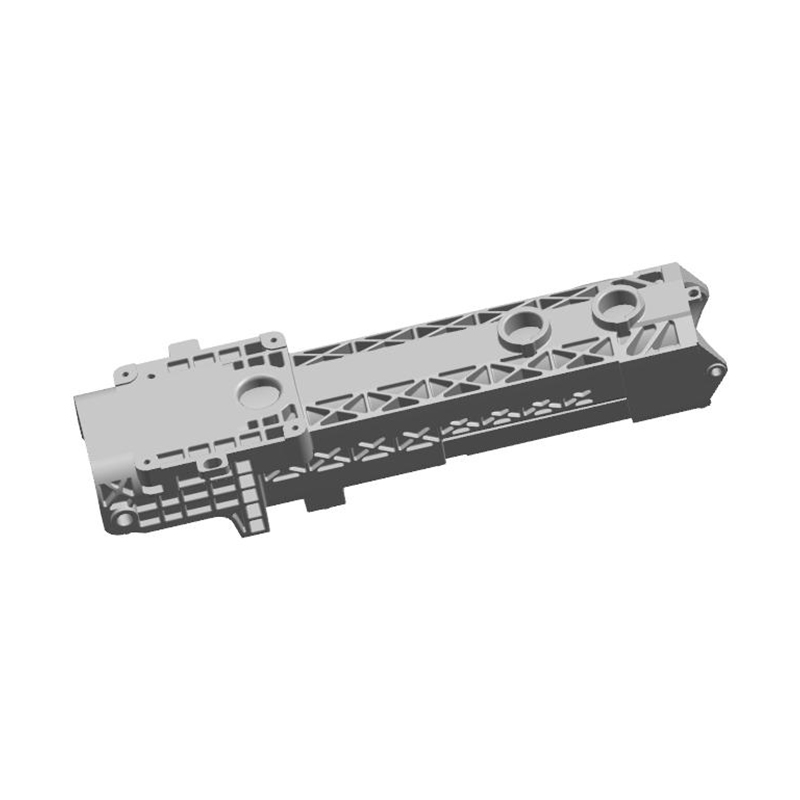 Custom Magnesium Alloy Die-Cast Steering Tube Factory, Manufacturers - Ningbo NKNingbo NKT Tooling Co., Ltd. is China Magnesium Alloy Die-Cast Steering Tube Manufacturers and Custom Factory, details:Magnesium Alloy Di...View Product →
Requesting a mold quotation is not as simple as sending a CAD file and waiting for a number. A reliable quote requires a complete specification, and the more time you spend preparing that specification, the more accurate your comparisons will be.
Missing information is the most common reason for inaccurate quotes. If the supplier does not know the annual volume, they may assume a higher volume and design a more expensive tool that you do not need, or they may assume a low volume and quote a fragile tool. If you fail to mention a secondary machining operation that removes material near a critical cored hole, the mold may not cast the hole in the correct position or may have an unnecessary shrink void.
These questions will separate a professional supplier from a broker. A broker often passes the request to a factory and can only give a vague answer to technical questions. A real mold maker can answer directly, provide a process plan, and show an example of a similar mold.
Be cautious if an existing quote is far lower than any other offer for the same mold specification. The difference could be due to using unhardened steel for the core and cavity, minimal cooling channels, no EDM for corner details, or an untested gating design. Ask the supplier to justify the lower price with a detailed breakdown. Similarly, if a quote barely changes when you ask for a higher expected mold life, the supplier may not have adjusted the design to reach that life. A realistic quote will reflect the increased steel grade and cooling investment with a meaningful price increase.
It is also important to verify the supplier's actual manufacturing capacity. If you are sourcing from an overseas supplier, ask for recent photos of the machining floor and a video call to see the mold being built. The site profile of our company, for example, shows a modern factory with 6,000 square meters of manufacturing space and over 80 employees, which is consistent with a serious mold maker. But you should also confirm the specific machinery available for your project. Not every factory with a CNC machine can build a large complex die.
Choosing the lowest mold quote can be tempting, but the mold is the product that shapes every part you will sell for the next several years. The cost differences between suppliers are not just markup; they reflect engineering depth, manufacturing capability, quality systems, and the willingness to support the mold after delivery.
An experienced mold maker like Ningbo NKT Tooling Co., Ltd. brings more than machining skills. We bring a history that starts with a dedicated die casting mold design studio in 2009, followed by years of building zinc and aluminum tools, then expanding into magnesium alloy auto parts and high-vacuum molds in 2016. That timeline means we have worked through the challenges of thin-wall structural components and tight-tolerance steering parts. We know why a mold fails and how to design against that failure.
This experience translates directly into mold cost in the design phase. We are able to suggest a gate location that reduces weld lines, or a cooling channel arrangement that shortens cycle time by 15%, or a slide design that is more robust and easier to maintain. Those suggestions are not free, but they reduce the cost per part and the risk of down time.
Quality systems also matter. We hold ISO9001 certification, which was first achieved in 2011. A formal quality system creates a disciplined process for design reviews, material inspection, in-process measurement, and final validation. For automotive customers, consistent documentation is essential. A supplier without a documented quality system may still produce a good mold, but the process is not repeatable, and the risk of a hidden defect is higher.
When you evaluate a supplier, consider the entire value stream. Will you receive a comprehensive DFM report? Will the supplier use flow simulation to examine filling and solidification? Will they manufacture a high-vacuum mold with the same attention to sealing as to geometry? These capabilities are increasingly standard for automotive aluminum casting. For example, a aluminum alloy die cast bracket is a structural part requiring high strength and low porosity. A supplier that has built hundreds of similar brackets will know the ideal runner ratio and the precautionary steps for shrinkage control.
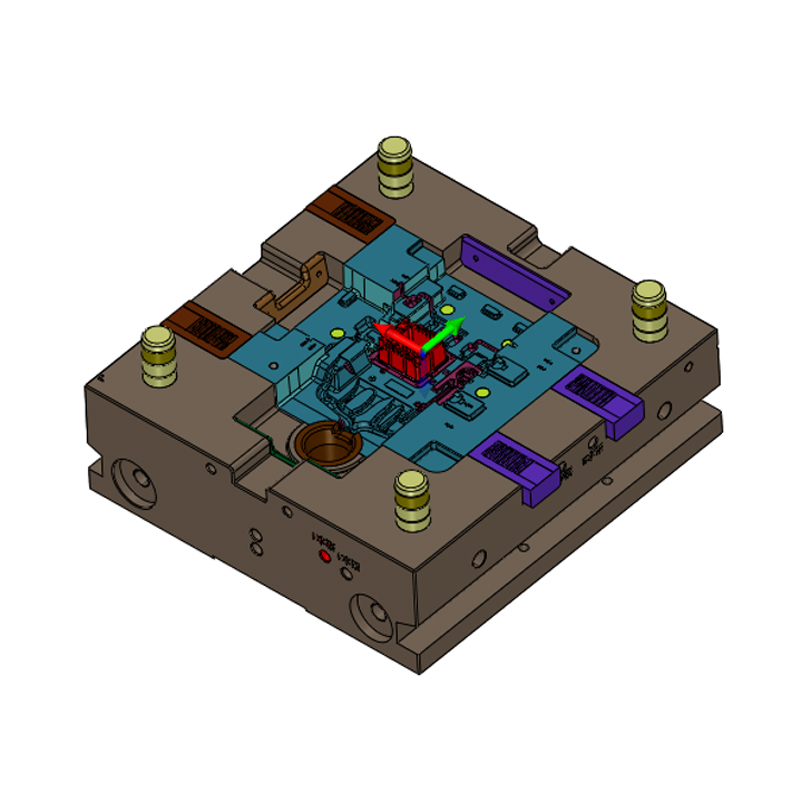
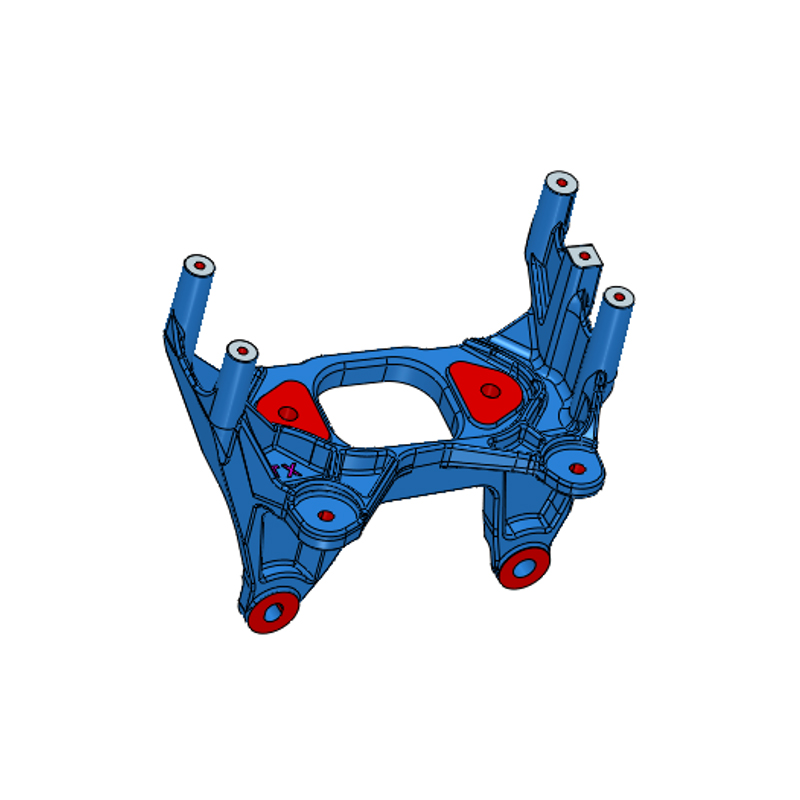 Custom Aluminum Alloy Die-Cast Bracket Factory, Manufacturers - Ningbo NKT TooliNingbo NKT Tooling Co., Ltd. is China Aluminum Alloy Die-Cast Bracket Manufacturers and Custom Factory, details:The ADC12 aluminum alloy ...View Product →
In our production floor, we handle the full range of work: conventional, high-vacuum, and squeeze casting molds, as well as hot-chamber zinc tools and multi-slider machines. We also maintain a view toward the broader manufacturing process. A mold for a motor housing, for instance, must interact with automatic insertion of cooling inserts and subsequent machining. If the mold maker understands those downstream steps, it can avoid creating features that complicate assembly.
When you compare mold suppliers, ask for case studies of parts with a similar scale and complexity. Do not judge a portfolio by beautiful molded parts alone. Ask about initial trials, challenges, and how they solved unexpected porosity or dimensional issues. The answers will tell you more about the supplier than the number on the quote.
Finally, remember that a mold is a capital investment. A well-built mold can be repaired, modified, and reused for several years or even decades in the case of zinc tooling. A poorly built mold can strain your production schedule and damage your customer relationship. The true cost of a die casting mold includes the disruptions, delays, and scrap that may follow a cost-saving decision made too early.
In summary, there is no single answer to the question, “What is the typical cost of a die casting mold?” The only honest answer is that it depends on the part, the alloy, the production volume, and the specification. A simple zinc hot-chamber mold can be produced for under $10,000, while a large multi-slide aluminum die with vacuum assistance can exceed $100,000. The budget, however, should not be set before completing a proper technical review of the part.
Start with a clear understanding of your annual volume and mold life requirement. Then engage a supplier that will challenge your assumptions with a detailed DFM and cost breakdown. If you are sourcing a part for automotive applications, look for a partner who has proven experience with both conventional and advanced processes, and who can explain the trade-offs between up-front cost and long-term productivity. A slightly higher mold investment is often justified if it allows shorter cycle times, lower porosity, and fewer defects. And if you are uncertain, ask the supplier to walk you through a similar case such as the application of aluminum alloy die casting in automotive parts, which illustrates how design and process choices ultimately control the price you pay.
Wangshan Road, Jiangbei District, Ningbo, Zhejiang, China
86-135-64796935
Copyright © Ningbo NKT Tooling Co., Ltd. All Rights Reserved.
 Login
Custom Automotive Aluminum/Zinc Die Casting Molds Manufacturers
Login
Custom Automotive Aluminum/Zinc Die Casting Molds Manufacturers
