
 English
 中文简体
中文简体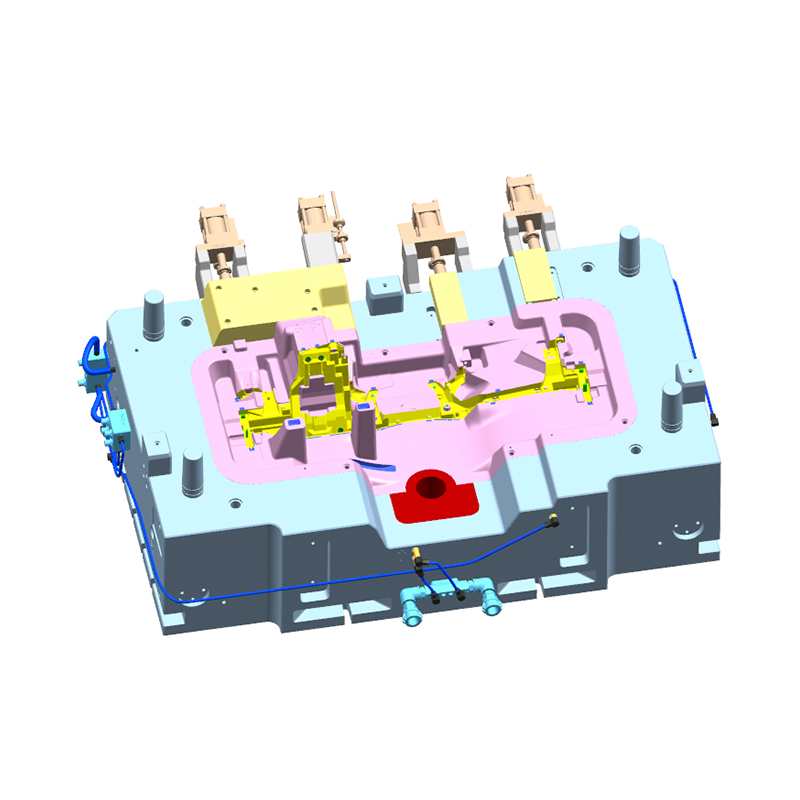



Contact Information
-
 Wangshan Road, Jiangbei District, Ningbo, Zhejiang, China
 -
 86-135-64796935

Get A Quote
What Is Magnesium Alloy Casting? A Complete Guide to the Process, Alloys, and Uses
2026-08-27
Content
An automotive engineer looking at next-generation structural components often sees the same specification repeated in steering frames, instrument panels, and seat structures: magnesium alloy die castings. Magnesium is roughly 35 percent lighter than aluminum, which makes it attractive when every kilogram affects range, handling, or fuel consumption. In simple terms, magnesium alloy casting is a manufacturing process in which melted magnesium-based alloy is poured or injected into a mold and allowed to solidify into a finished shape. The process is not new, but its role has expanded as automakers look for structural parts that combine low weight, good stiffness, and reasonable cost.
Magnesium alloy casting starts with a family of alloys based on magnesium, typically containing aluminum, zinc, manganese, silicon, or rare-earth elements. These additions adjust the mechanical properties, corrosion behavior, and castability of the base metal. A casting is produced directly from liquid metal, which means the alloy is heated to its liquid state, transferred to a mold cavity, and solidified under controlled conditions.
The term often appears in two contexts. In a narrow sense, it refers to the actual pouring or injection step. In a broader sense, it includes alloy selection, mold design, melting, solidification control, trimming, and post-casting treatment. That distinction matters because a good casting result depends on the whole system, not just the filling step.
When people discuss high-volume magnesium casting, they are usually talking about high-pressure die casting. This is the process that produces most magnesium structural components used in modern vehicles.
Magnesium can be formed by several casting routes, and each route has different trade-offs. Sand casting is flexible for prototypes and low-volume components. Permanent mold casting uses a reusable metallic mold and produces a better surface finish and more consistent mechanical properties than sand casting. High-pressure die casting, however, is the process that dominates automotive and industrial production.
In high-pressure die casting, molten magnesium is injected into a steel die at high speed and high pressure. The metal freezes quickly against the cool die surface, creating a precise part in a short cycle time. The process can produce thin wall sections, complex internal features, and smooth textures that would be difficult to achieve with other methods.
Molten magnesium requires careful atmosphere control. Liquid magnesium reacts easily with oxygen, so production uses insulating cover gases and controlled handling. This is one of the reasons magnesium casting is done best with an experienced process team and a dedicated mold design.
The choice of alloy is as important as the choice of process. Most magnesium casting alloys belong to the magnesium-aluminum system, with zinc and manganese additions. Each alloy is designed for a different balance of strength, ductility, castability, and corrosion resistance.
| Alloy | Typical Chemistry | Key Characteristics | Common Uses |
|---|---|---|---|
| AZ91D | About 9% Al, 0.7% Zn, 0.2% Mn | Good strength, excellent castability, widely used | Housings, covers, brackets, electronic enclosures |
| AM60B | About 6% Al, 0.3% Mn | Higher ductility and impact resistance | Seat frames, instrument panels, wheel-like parts |
| AE44 | About 4% Al, 4% rare-earth elements | Good creep resistance at elevated temperatures | Powertrain brackets, engine mounts, hot-section housings |
| WE43 | Magnesium with yttrium and rare-earth elements | High strength at temperature, good corrosion resistance | Aerospace castings, motorsport, safety-critical parts |
These alloys behave differently in the mold. AZ91D is the easiest to cast and is often the first choice for general components. AM60B is chosen when the part must bend rather than crack. AE44 and WE43 are used when exposure to heat or vibration demands more stable mechanical properties.
Magnesium casting offers a combination that few materials can match when weight, shape freedom, and production volume are all important.
There are also constraints. Magnesium has limited ductility compared with aluminum and can be sensitive to stress concentrations. Corrosion can be managed through alloy selection, coatings, and avoiding galvanic contact with incompatible metals.
The mold design determines whether a magnesium casting will be reliable in production. Magnesium solidifies quickly and has low heat content, so the filling system must be fast, smooth, and free of turbulence. If the molten metal front breaks up, oxide inclusions can become trapped in the casting.
A good magnesium die casting mold uses uniform wall thickness to avoid shrinkage porosity. Generous fillets replace sharp corners, and draft angles allow the part to release cleanly. Cooling channels must be positioned to balance solidification, while gate and vent placement prevents air pockets.
These issues are not theoretical. They determine scrap rate, cycle time, and tool life. This is why a proven mold partner adds real value. You can review the basic sequence of die casting mold design in our article on how die casting molds are made.
For structural magnesium parts that need high ductility, high-vacuum die casting is also used to reduce gas porosity. Beryllium copper inserts and water-cooled lines help remove heat from high-temperature areas, and the mold steel must resist heat checking and erosion caused by the magnesium melt.
The automotive industry is the largest adopter of magnesium alloy castings. Common parts include steering brackets, instrument panel cross-car beams, seat frames, front-end structures, and housings for electronic modules. In battery-electric vehicles, these castings reduce mass and improve payload and range.
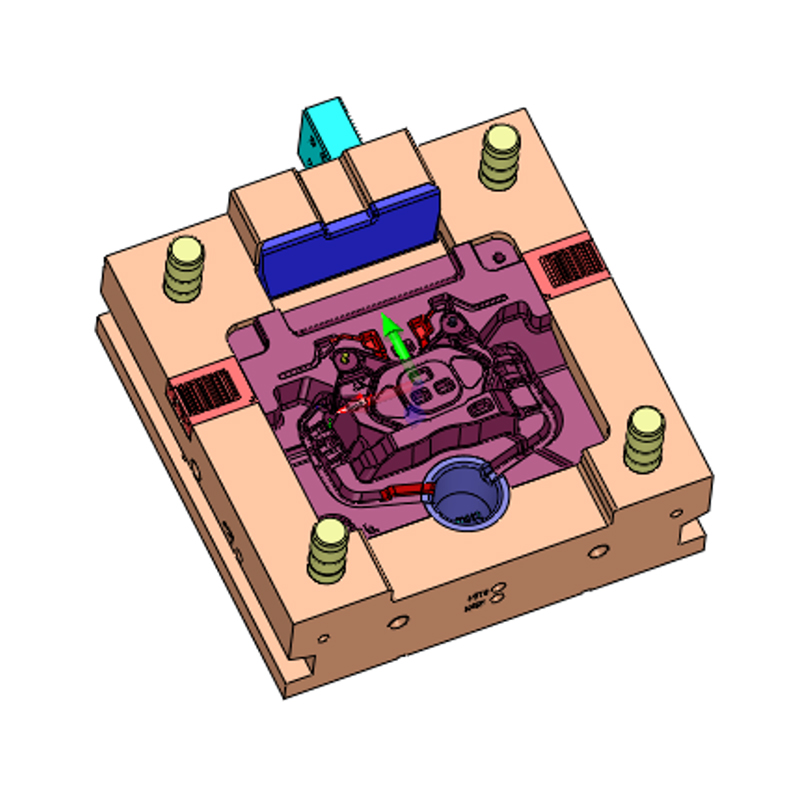
Steering systems are a good example. A steering column support must be stiff enough to resist vibration, light enough to help front-axle mass, and thin enough to fit into a crowded cockpit. For example, steering column supports are often made using magnesium alloy steering bracket molds to achieve the required stiffness with minimal mass.
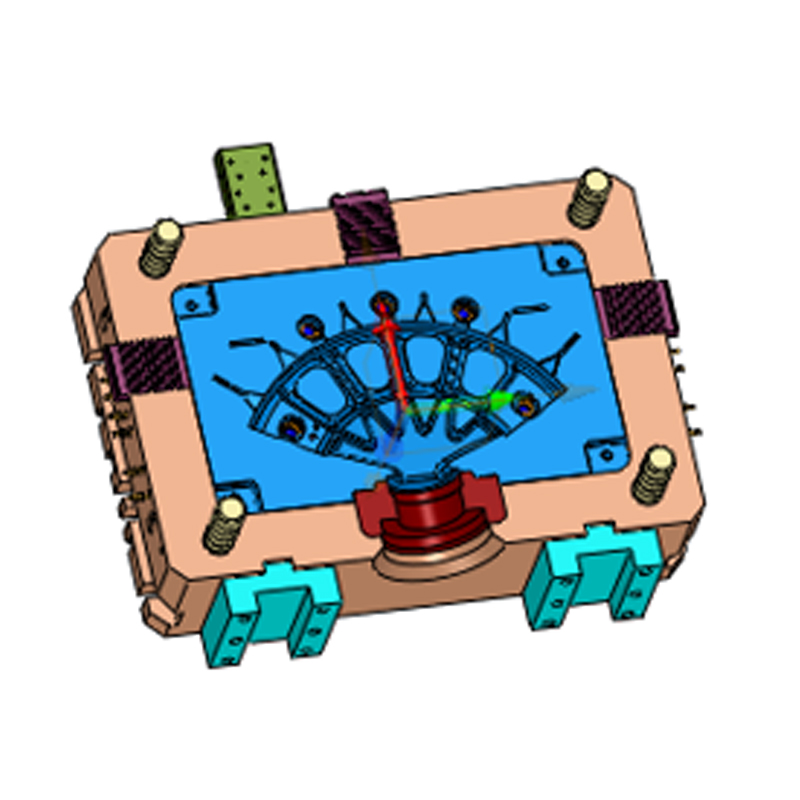
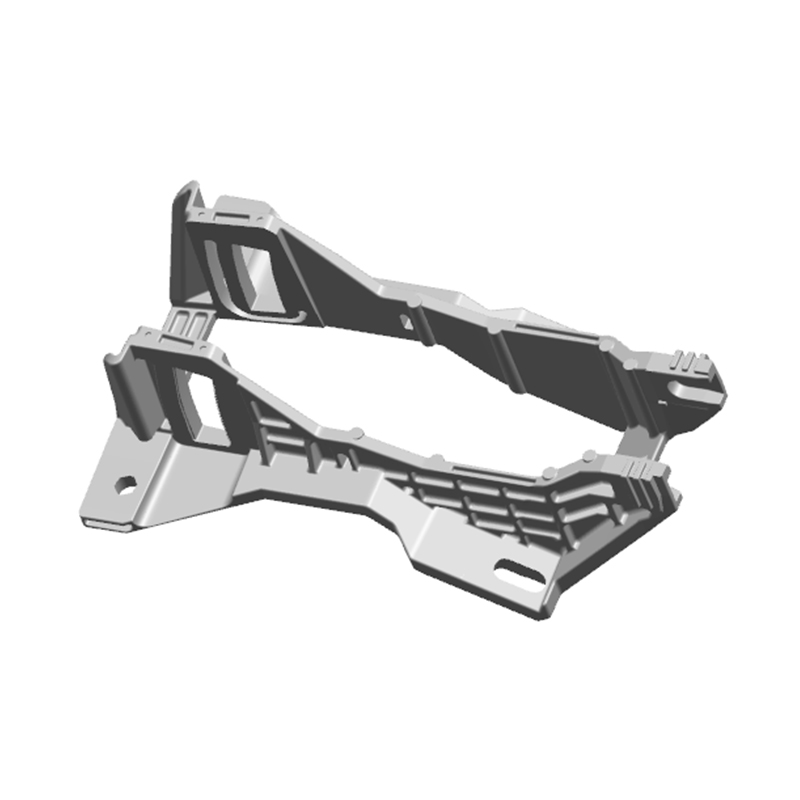 Custom Magnesium Alloy Die-Cast Steering Bracket Factory, Manufacturers - NingboNingbo NKT Tooling Co., Ltd. is China Magnesium Alloy Die-Cast Steering Bracket Manufacturers and Custom Factory, details:Magnesium Alloy...View Product →
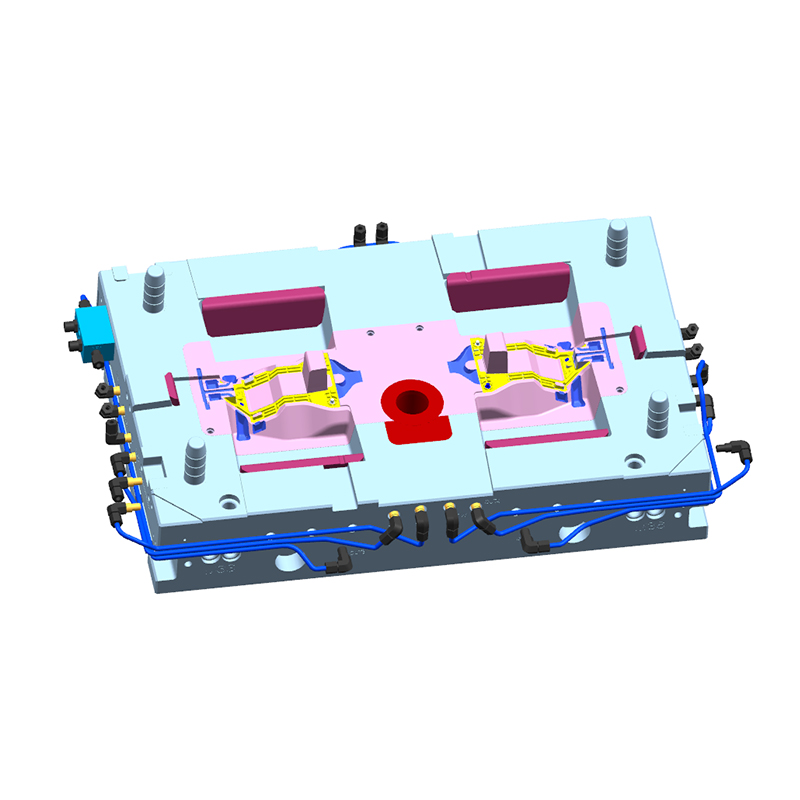
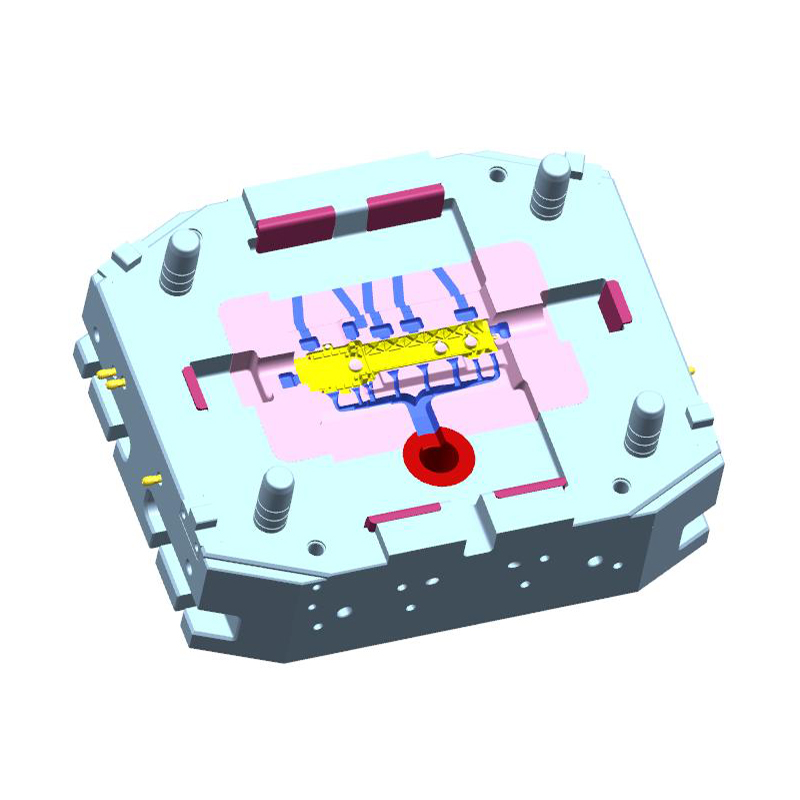
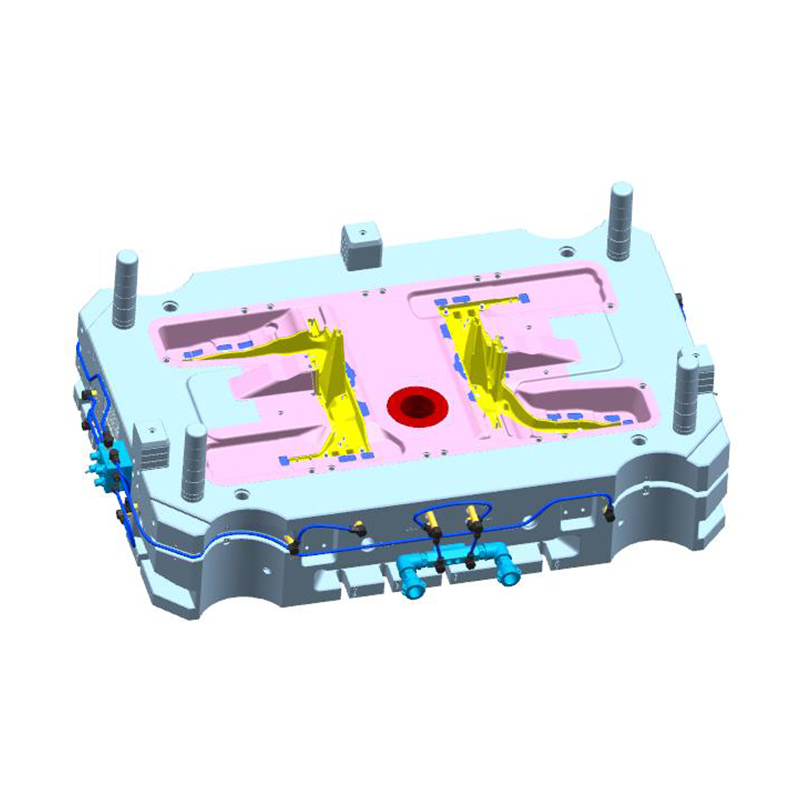
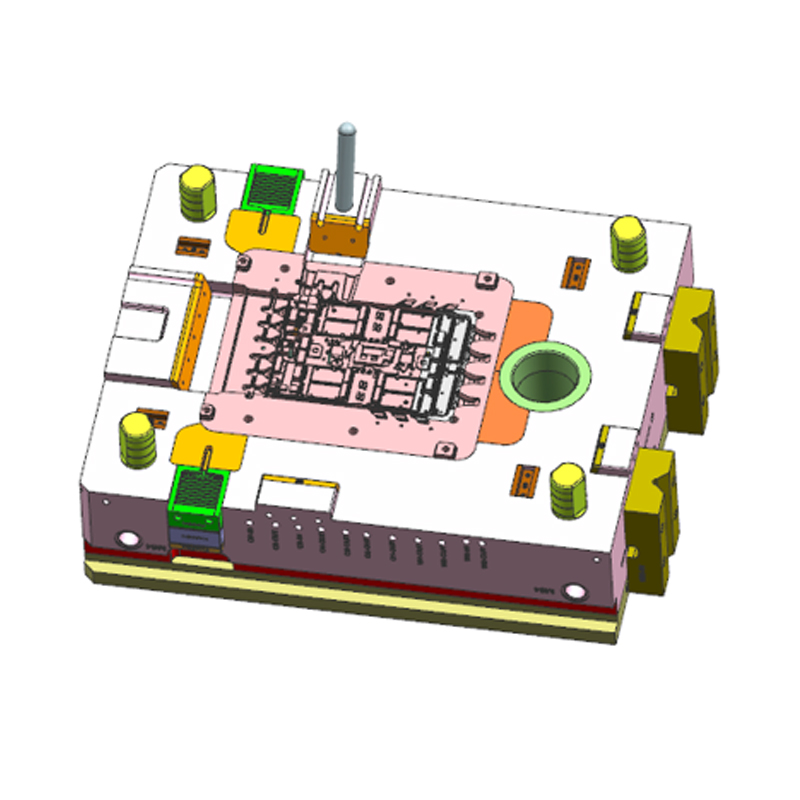
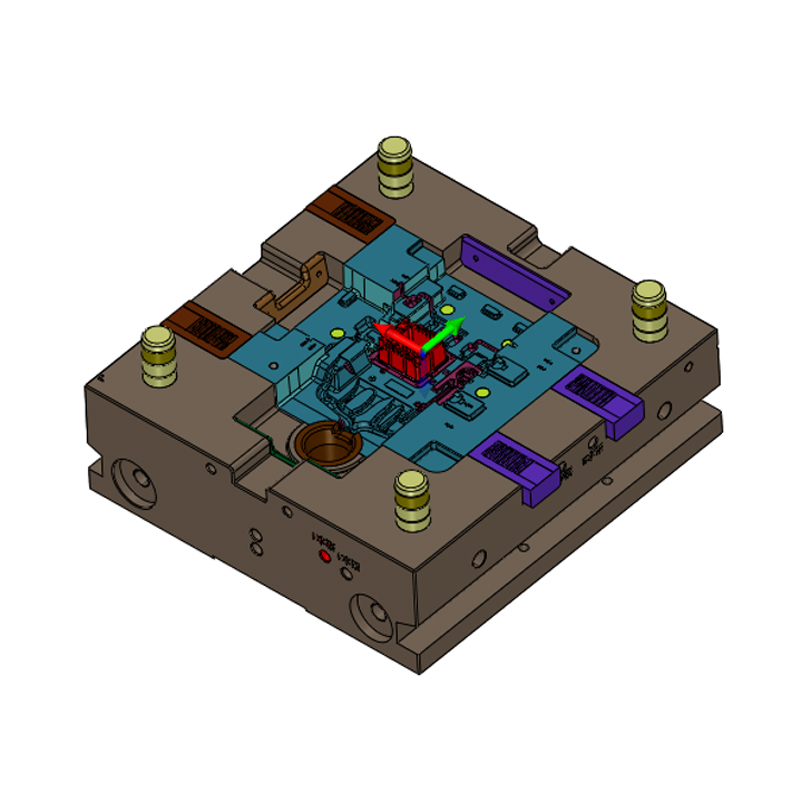
Another typical component is the cross-car beam, which spans the dashboard and carries the steering column, airbag, and infotainment units. Replacing a welded steel structure with a one-piece magnesium alloy die-cast CCB frame can save several kilograms while improving dimensional consistency. Similarly, seat structures and small body brackets benefit from magnesium alloy die-cast brackets that consolidate multiple stamped parts into one casting.
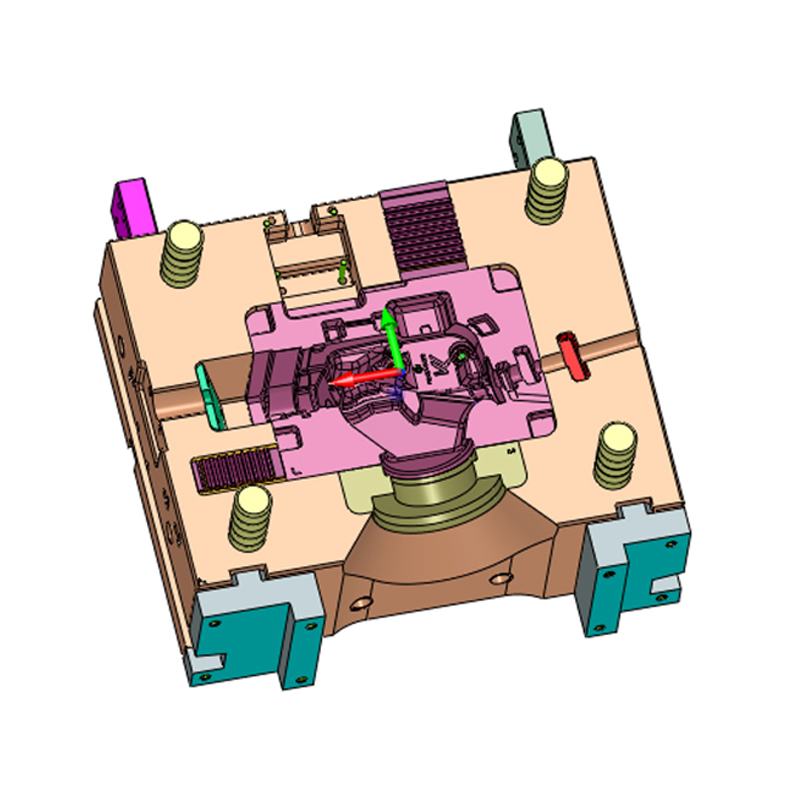
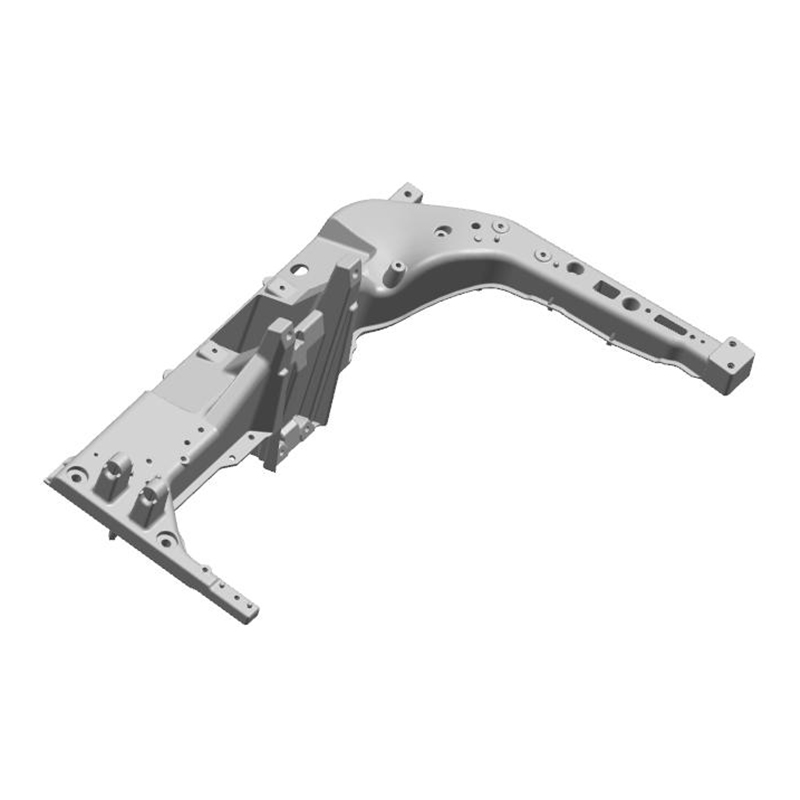 Custom Magnesium Alloy Die-Cast Bracket Factory, Manufacturers - Ningbo NKT ToolNingbo NKT Tooling Co., Ltd. is China Magnesium Alloy Die-Cast Bracket Manufacturers and Custom Factory, details:Magnesium Alloy Die-Cast...View Product →
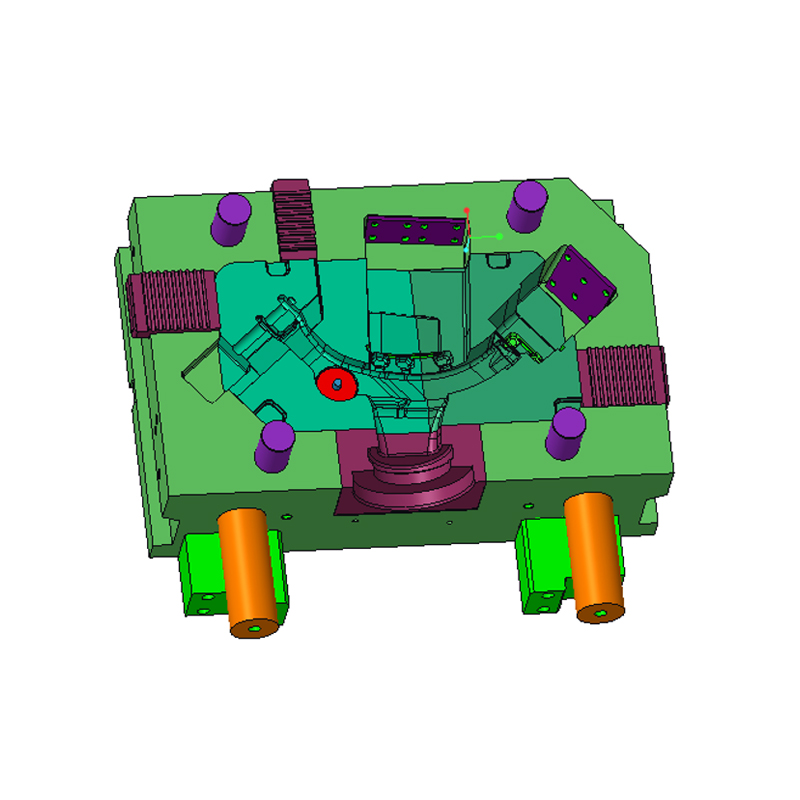
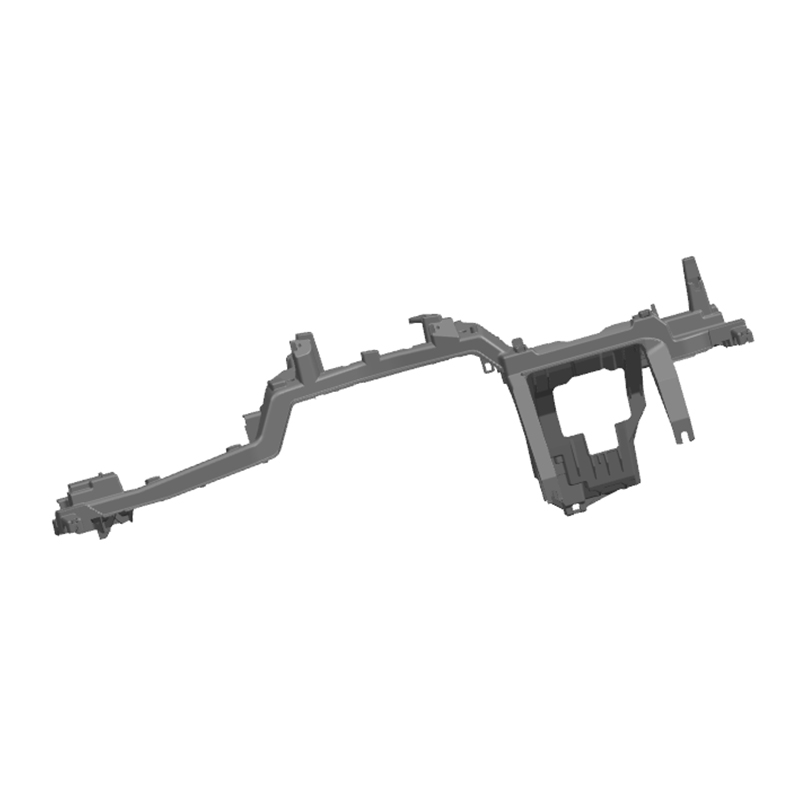 Custom Magnesium Alloy Die-Casting Ccb Frame Factory, Manufacturers - Ningbo NKTNingbo NKT Tooling Co., Ltd. is China Magnesium Alloy Die-Casting Ccb Frame Manufacturers and Custom Factory, details:Magnesium Alloy Die...View Product →
Magnesium castings also appear in housings for electric drives, control boxes, and structural frames beyond vehicles. In industrial tools and medical equipment, their combination of light weight and electromagnetic shielding is valuable.
Because the mold defines so much of the result, supplier selection should start with mold capability. A seriously engineered magnesium mold requires simulation of metal flow and solidification, precise machining, and experience with process windows. Aluminum tooling experience does not automatically translate to magnesium, because the alloys behave differently during solidification and ejection.
A mold maker with a dedicated magnesium tooling history, in-house manufacturing, and ISO 9001 quality management is better positioned to deliver consistent results. More detail about our design and production experience is available on our company about page.
Ask about simulation, cooling design, and trial-run procedures. The best partners do more than deliver a mold; they help you set up a process that produces good parts in the first batch and remains stable through thousands of cycles.
Magnesium alloy casting is a practical answer when a part must be light, stiff, and economical to produce in large quantities. The process begins with the right alloy and continues through careful mold design and controlled processing. For most high-volume applications, high-pressure die casting is the fastest route, but the quality of the casting is decided in the mold at the design stage. If you are evaluating magnesium for a new component, start with a design review and choose a tooling partner who has proven experience with magnesium alloys.
Wangshan Road, Jiangbei District, Ningbo, Zhejiang, China
86-135-64796935
Copyright © Ningbo NKT Tooling Co., Ltd. All Rights Reserved.
 Login
Custom Automotive Aluminum/Zinc Die Casting Molds Manufacturers
Login
Custom Automotive Aluminum/Zinc Die Casting Molds Manufacturers
