
 English
 中文简体
中文简体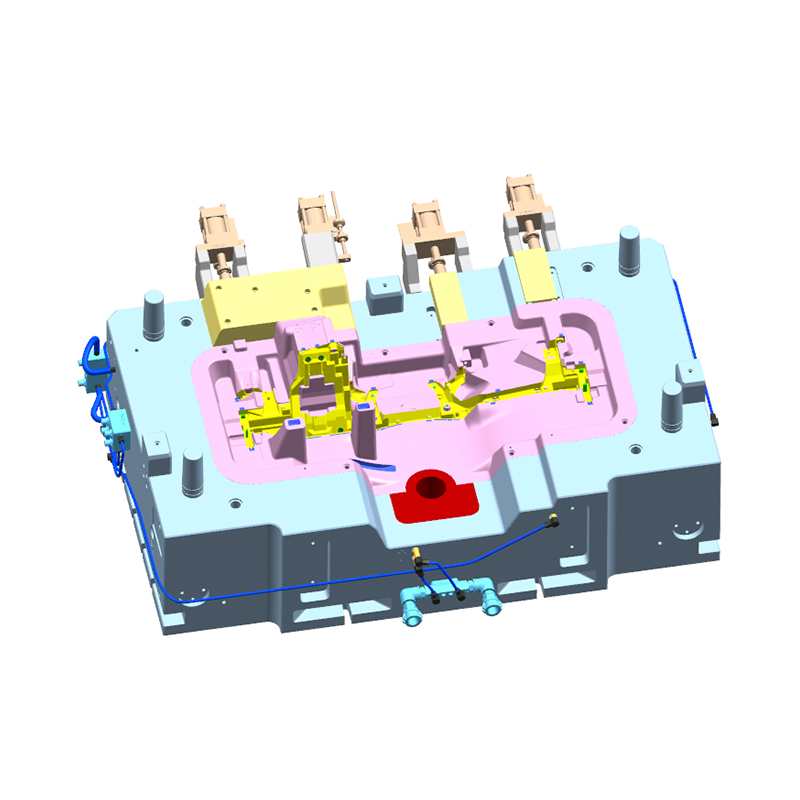



Contact Information
-
 Wangshan Road, Jiangbei District, Ningbo, Zhejiang, China
 -
 86-135-64796935

Get A Quote
How Does the 150T Hot Chamber System Optimize the Performance of Zinc Alloy Die Casting Molds?
2025-12-25
Content
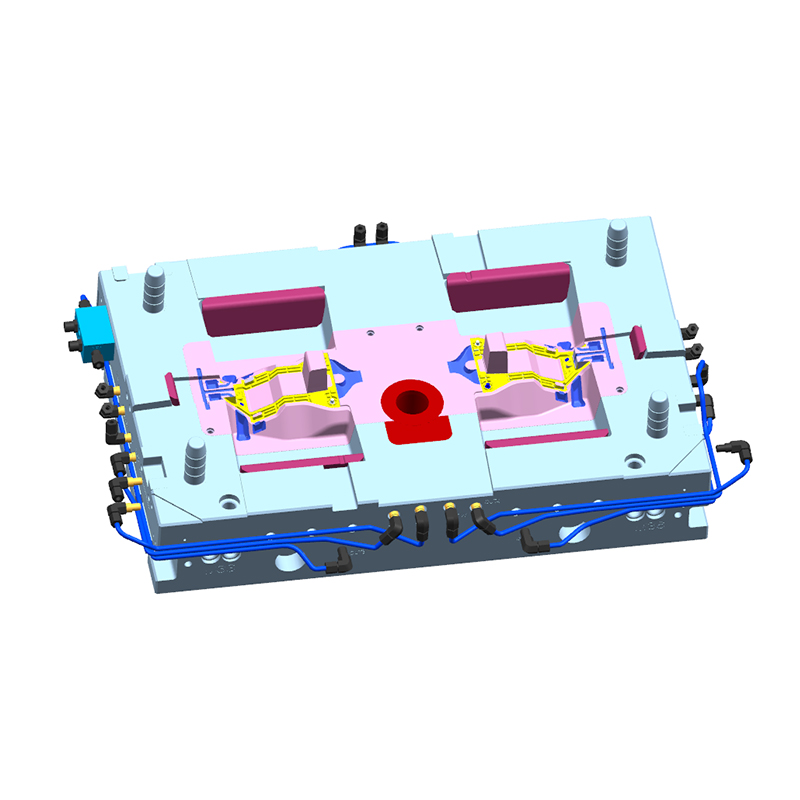
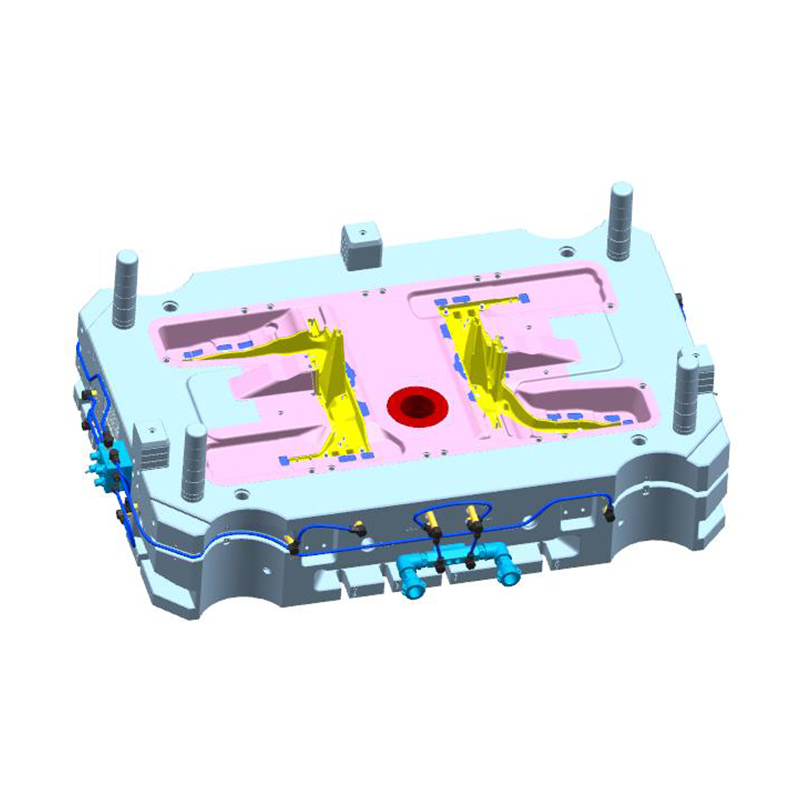
In the precision-driven sector of high-volume hardware manufacturing, the efficiency of the production cycle is dictated by the thermal and mechanical stability of the tooling. Central to this process is the Zinc alloy Die Casting Molds, particularly the 150T Hot Chamber Die Casting Mold designed for 150-ton hot chamber die-casting machines.
The performance of Zinc alloy Die Casting Molds starts with the material being processed. The 150T mold is specifically engineered for use with ZA3 zinc alloy. This material is chosen for its excellent fluidity, which allows it to fill complex mold geometries at high speeds without the risk of cold shuts or porosity.
From a technical standpoint, ZA3 offers superior thermal stability and wear resistance. This is critical in hot chamber die casting, where the injection mechanism is immersed in the molten metal. The mold must be able to withstand the repeated thermal shock of molten ZA3 without undergoing surface degradation or heat checking. By maintaining its structural integrity, the mold ensures that the finished die-castings possess a smooth surface and precise dimensions, significantly reducing the post-processing requirements and the overall defective rate.
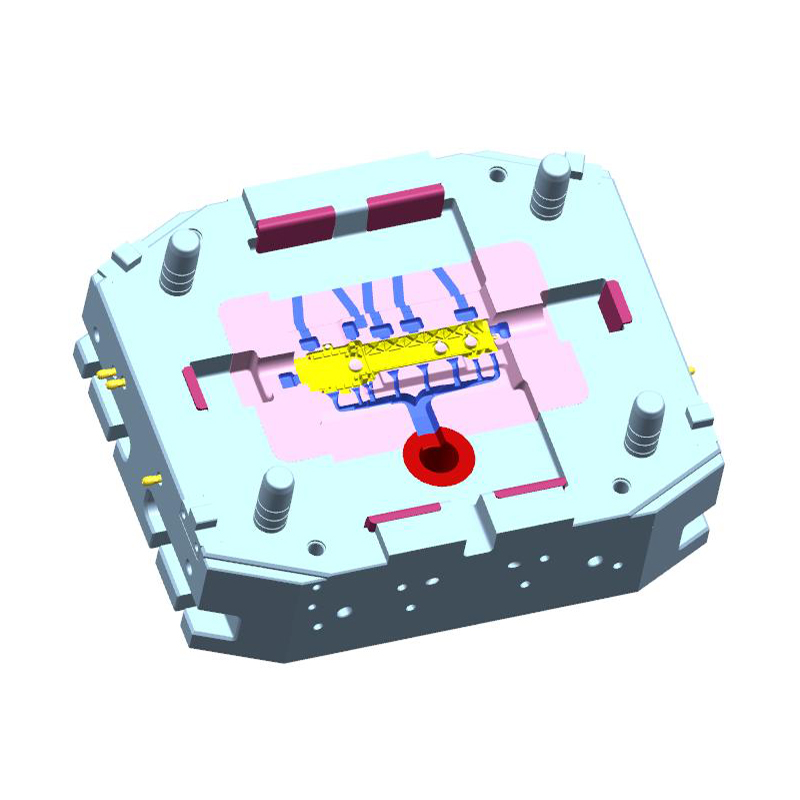
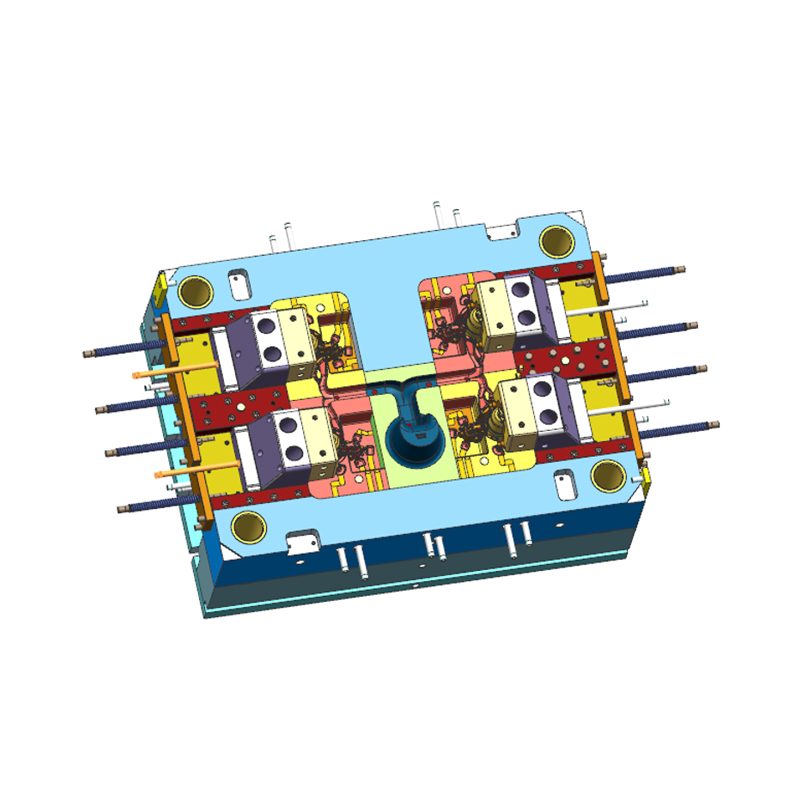
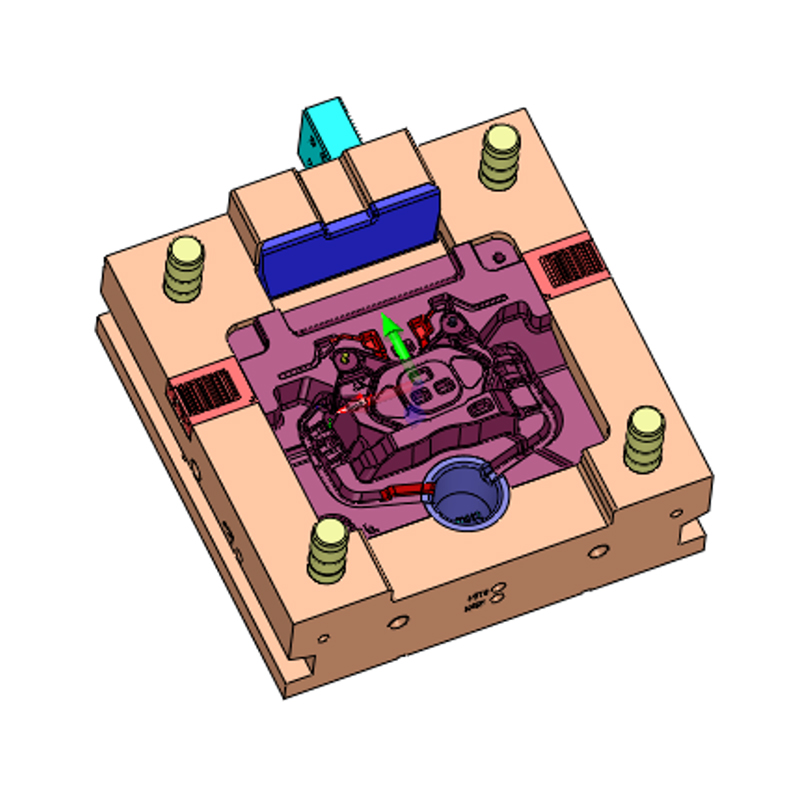
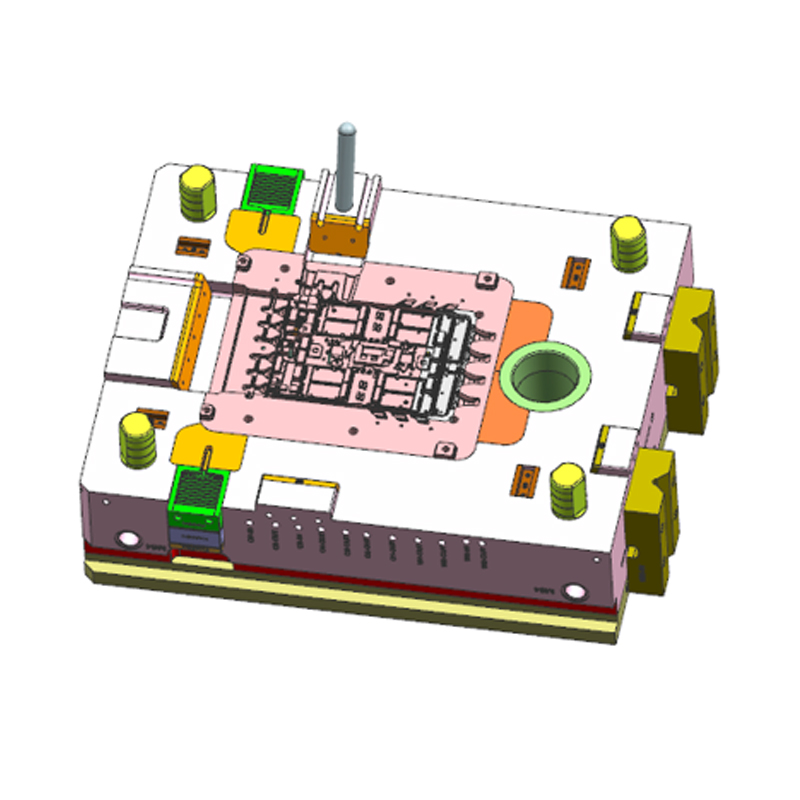
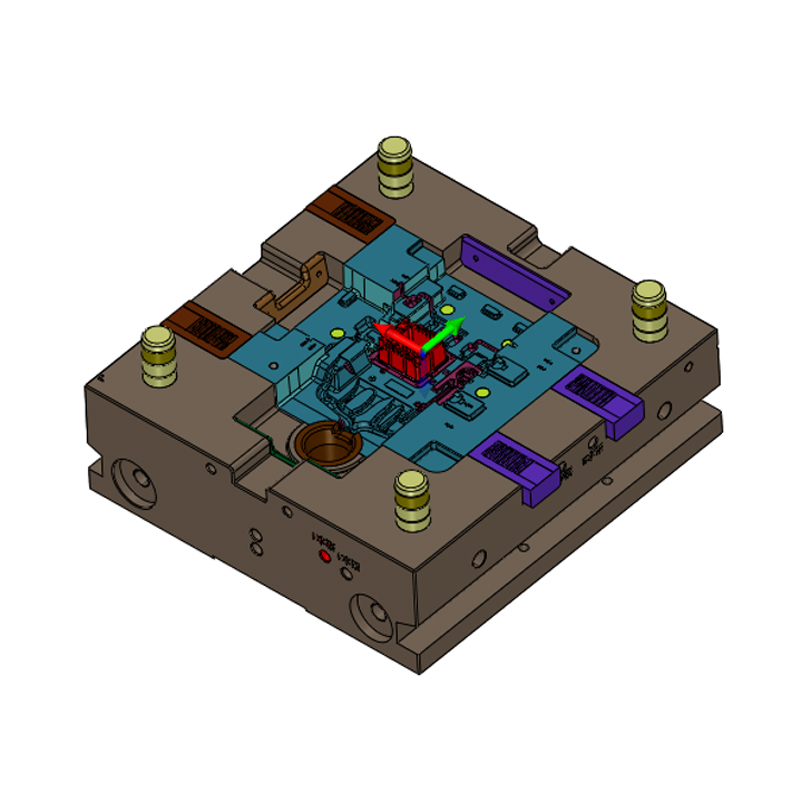
One of the primary technical advantages of the 150T Hot Chamber Die Casting Mold is its 2-cavity structure. By designing the Zinc alloy Die Casting Molds to produce two products simultaneously, manufacturers can effectively double their production throughput without increasing the footprint of the machinery.
This multi-cavity approach reduces the unit cost of each hardware part. However, it requires an advanced high-precision manufacturing process to ensure that each cavity produces identical finished products. The gating system must be perfectly balanced to ensure that the molten zinc reaches both cavities at the same pressure and temperature. This level of synchronization is what makes the 150T mold especially suitable for the manufacture of zinc alloy die-castings with high batch and precision requirements, such as those found in communication connectors and automotive electronics.
Thermal management is the most complex aspect of designing Zinc alloy Die Casting Molds. The structure of the 150T Hot Chamber Die Casting Mold features an optimized heat dissipation system. Because zinc alloy transfers heat rapidly, the mold must include strategically placed cooling channels to regulate the solidification process. Proper cooling prevents the formation of internal voids and ensures that the casting reaches the required hardness before ejection.
Simultaneously, the exhaust system is engineered to evacuate air from the cavities as the molten metal enters. If the air is not vented efficiently, it can lead to air entrapment and surface defects. The 150T mold uses micro-vents and overflow wells to ensure that the air is displaced by the metal, leading to high-density castings with excellent mechanical properties. This optimization not only improves the production stability but also extends the mold life by reducing internal stress during the casting cycle.
The strong durability and high processing efficiency of the 150T Hot Chamber Die Casting Mold make it a versatile tool across several high-performance industries. Because it can produce consistent finished product sizes and smooth surfaces, it is the primary choice for hardware parts and home appliance accessories.
In the automotive electronics sector, where tolerances are exceptionally tight, the high-precision manufacturing of these Zinc alloy Die Casting Molds ensures that connectors and housings fit perfectly within electronic assemblies. The wear resistance of the mold steel ensures that the sharp details of the design—such as screw threads or thin-walled ribs—are maintained over long-term production runs, ensuring the reliability of the components in various daily application scenarios.
The following table summarizes the key performance metrics and specifications for the 150T Zinc alloy Die Casting Molds:
|
Feature / Parameter |
150T Hot Chamber Die Casting Mold Specification |
|---|---|
|
Material Capability |
Optimized for ZA3 Zinc Alloy |
|
Machine Compatibility |
150-Ton Hot Chamber Die Casting Machines |
|
Cavity Configuration |
2-Cavity Design (Dual Output) |
|
Manufacturing Precision |
High-Precision CNC Machined & Polished |
|
Thermal Management |
Optimized Cooling Channels for Rapid Heat Dissipation |
|
Exhaust Mechanism |
Advanced Venting System to Reduce Porosity |
|
Durability Profile |
High Wear Resistance & Long Service Life |
|
Primary Applications |
Automotive Electronics, Home Appliances, Hardware Parts |
The technical stability of Zinc alloy Die Casting Molds is the key to maintaining a low defective rate in large-scale production. The 150T mold is designed to handle high-frequency cycles with minimal downtime. The ejection mechanism is engineered to release the product without causing deformation, which is vital for maintaining the aesthetic and functional quality of the hardware.
Furthermore, the consistency of the finished product size ensures that subsequent assembly steps—such as tapping or plating—can be automated with high confidence. The smooth surface provided by the ZA3-optimized mold surface means that the castings require little to no vibratory finishing, allowing them to proceed directly to surface treatment or packaging. This efficiency is why the 150T hot chamber mold remains an indispensable component in modern high-precision manufacturing facilities.
The 150T Hot Chamber Die Casting Mold represents a pinnacle of efficient mold design for the zinc casting industry. By focusing on a 2-cavity structure, optimized thermal management, and high-precision manufacturing, these Zinc alloy Die Casting Molds provide a reliable solution for high-batch production needs.
The synergy between the fluidity of ZA3 zinc alloy and the structural durability of the mold ensures that products—from communication connectors to hardware parts—meet the highest standards of quality. Through technical stability and high processing efficiency, this mold technology ensures that the industrial manufacturing process remains stable, cost-effective, and capable of producing the complex geometries required for modern electronics and appliances.
Wangshan Road, Jiangbei District, Ningbo, Zhejiang, China
86-135-64796935
Copyright © Ningbo NKT Tooling Co., Ltd. All Rights Reserved.
 Login
Custom Automotive Aluminum/Zinc Die Casting Molds Manufacturers
Login
Custom Automotive Aluminum/Zinc Die Casting Molds Manufacturers
