
 English
 中文简体
中文简体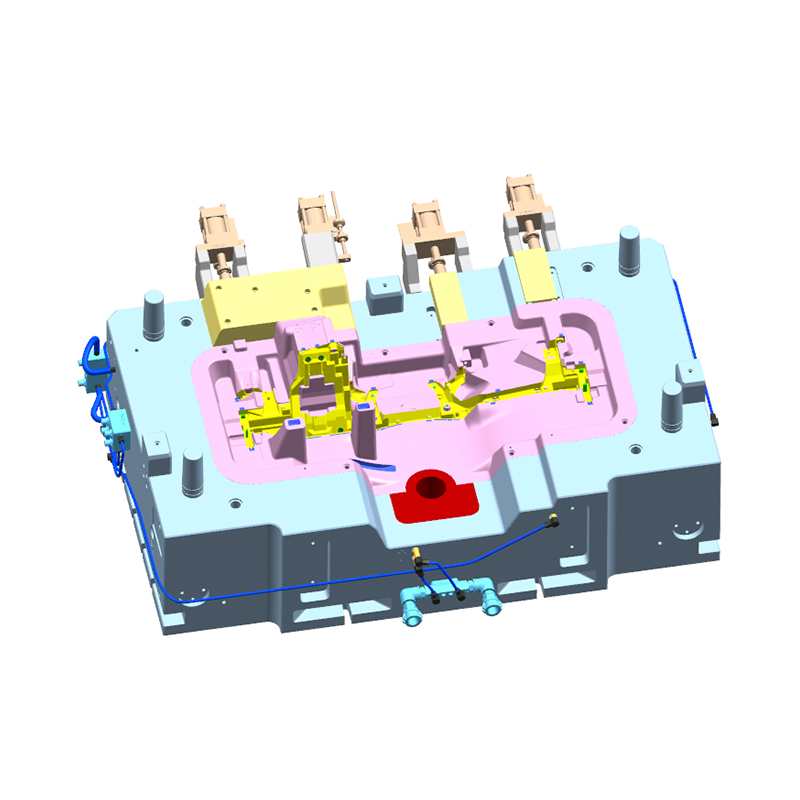



Contact Information
-
 Wangshan Road, Jiangbei District, Ningbo, Zhejiang, China
 -
 86-135-64796935

Get A Quote
Can Advanced A356-T6 Extrusion Casting Redefine the Thermal and Structural Integrity of Battery Compartment Plates?
2025-12-18
Content
A technical deep dive into modern electric vehicle (EV) components has highlighted the specialized capabilities of the Aluminum Alloy Extrusion Casting Battery Compartment Plate. Engineered specifically for high-performance battery systems, this component leverages the unique mechanical properties of A356-T6 aluminum alloy and the precision of the extrusion casting process. This report analyzes how these technical factors contribute to superior hardness, compression resistance, and thermal dissipation in demanding energy storage environments.
The choice of A356-T6 as the primary material for the Aluminum Alloy Extrusion Casting Battery Compartment Plate is driven by its exceptional strength-to-weight ratio and casting characteristics.
A356-T6 is an aluminum-silicon-magnesium alloy that undergoes a rigorous T6 heat treatment process (solution heat treatment followed by artificial aging). This metallurgical refinement provides extremely high hardness and compression resistance. In the context of a battery compartment, these properties are critical for ensuring the long-term stability of the product in harsh environments. The plate must act as a structural shield, protecting sensitive battery cells from external impacts and the constant vibration of mobile operations while resisting the internal pressure exerted by battery expansion during charge-discharge cycles.
One of the most critical functions of the Aluminum Alloy Extrusion Casting Battery Compartment Plate is thermal management. Aluminum alloys are naturally conductive, but the specific purity and grain structure of the A356-T6 variant ensure optimized heat transfer paths. This excellent thermal conductivity helps to dissipate the heat generated by the battery in time, effectively preventing localized hot spots. By maintaining a uniform temperature profile across the battery system, the plate ensures the efficient operation of the battery cells and significantly extends the overall service life of the power unit.
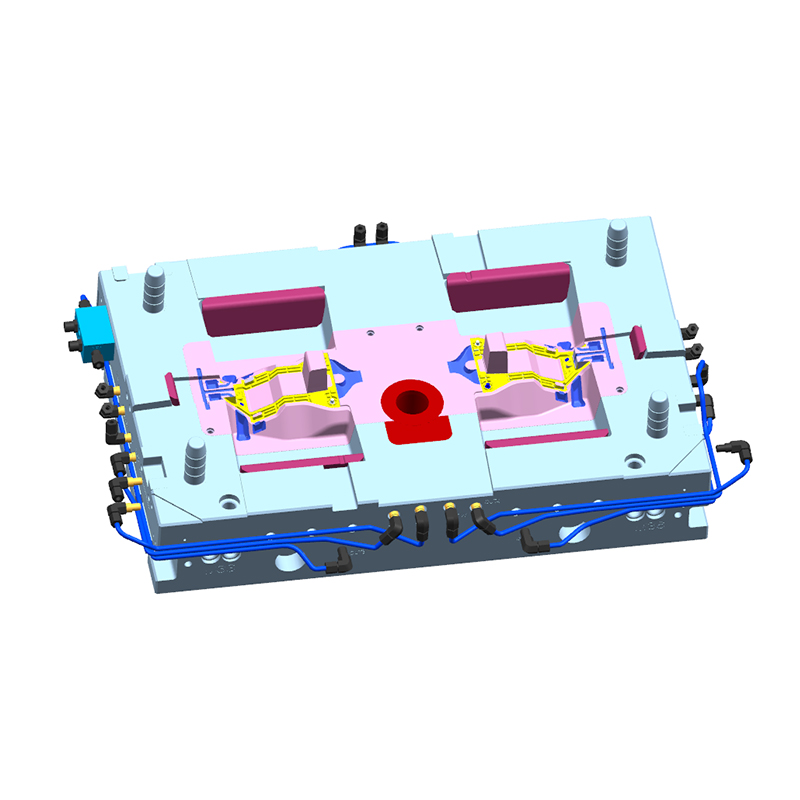
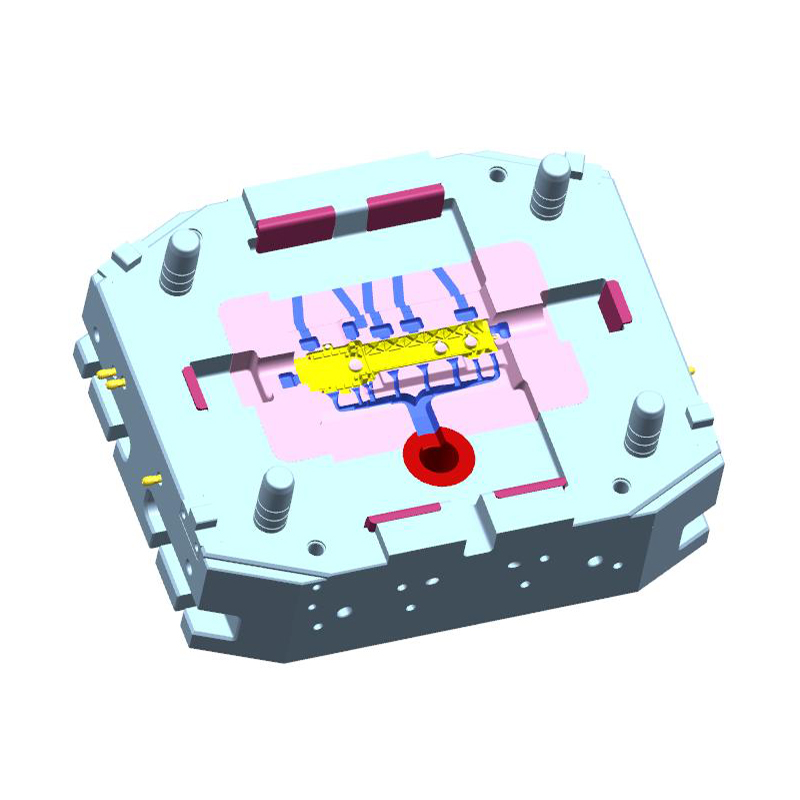
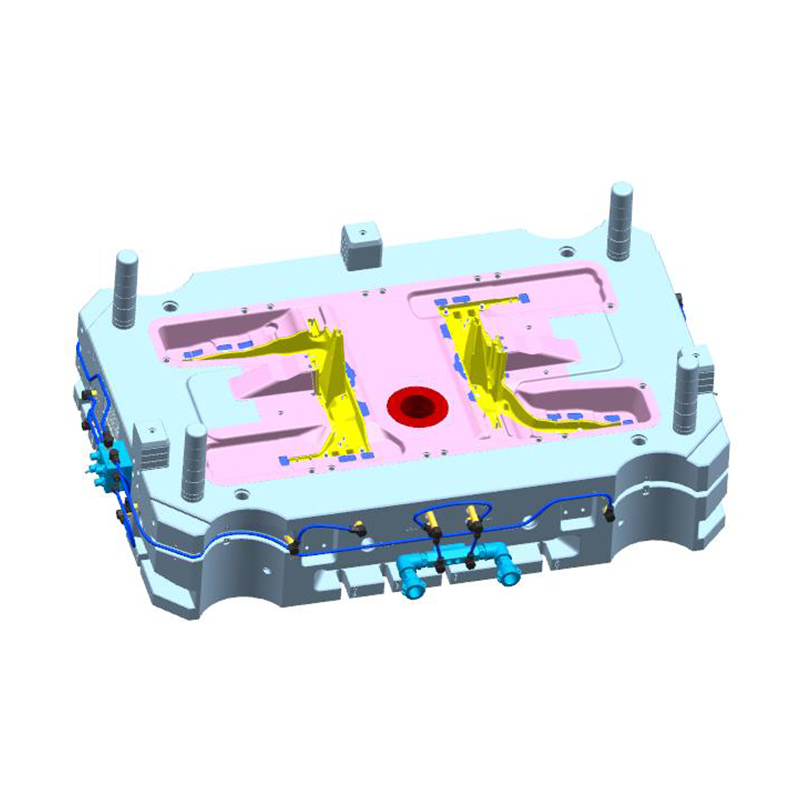
The manufacturing of the battery plate relies on a high-precision extrusion casting process, which combines the benefits of traditional casting with the structural density of forging.
During extrusion casting (also known as squeeze casting), the molten A356-T6 alloy is solidified under high pressure. This pressure effectively eliminates common casting defects such as porosity and shrinkage cavities. The result is a uniform internal structure with a fine grain size, which directly translates to higher fatigue strength. Furthermore, this high-pressure environment ensures that each Aluminum Alloy Extrusion Casting Battery Compartment Plate has a consistent size and smooth surface, meeting the tight tolerances required for seamless integration into modern battery modules.
The precision inherent in the extrusion casting process allows for the creation of complex geometries with minimal post-machining requirements. This ensures that every plate produced maintains perfect repeatability, which is essential for large-scale automated assembly lines where even a fractional deviation in size can compromise the seal or structural fit of the battery compartment.
The following table summarizes the key technical attributes of the A356-T6 Aluminum Alloy Extrusion Casting Battery Compartment Plate:
|
Technical Property |
Specification / Value |
Functional Outcome |
|---|---|---|
|
Material Base |
A356-T6 Aluminum Alloy |
High strength and superior corrosion resistance |
|
Manufacturing Process |
High-Precision Extrusion Casting |
Uniform internal structure and zero porosity |
|
Hardness (Brinell) |
75 - 85 HBW (Typical) |
High resistance to deformation and impact |
|
Thermal Conductivity |
~150 W/(m·K) |
Efficient heat dissipation to prevent overheating |
|
Compression Strength |
High-Yield Strength Design |
Ensures stability under heavy battery loads |
|
Surface Finish |
Smooth, As-Cast Precision |
Enhances aesthetics and simplifies sealing |
|
Tolerance Control |
±0.1mm to ±0.3mm Range |
Consistent size for high-precision assembly |
The integration of the Aluminum Alloy Extrusion Casting Battery Compartment Plate provides a robust solution for environments characterized by extreme temperature fluctuations and mechanical stress.
Stability Under Stress: The T6 aging process ensures that the aluminum does not become brittle at low temperatures or lose its structural integrity at the elevated temperatures often reached during rapid charging.
Corrosion Resistance: The natural oxide layer of the A356 alloy, combined with optional surface treatments, ensures that the compartment plate remains unaffected by moisture, road salts, or chemical exposure, maintaining the safety of the battery system.
Aesthetics and Modern Design: Beyond functionality, the smooth surface and uniform structure provided by the extrusion casting process further improve the aesthetics of the product, reflecting the high-tech nature of the energy systems it protects.
The Aluminum Alloy Extrusion Casting Battery Compartment Plate represents a pinnacle of aluminum metallurgy and casting engineering. By balancing the high hardness of A356-T6 with the precision of the extrusion casting process, it delivers a high-performance solution that ensures the thermal safety, structural integrity, and operational efficiency of modern battery systems.
Wangshan Road, Jiangbei District, Ningbo, Zhejiang, China
86-135-64796935
Copyright © Ningbo NKT Tooling Co., Ltd. All Rights Reserved.
 Login
Custom Automotive Aluminum/Zinc Die Casting Molds Manufacturers
Login
Custom Automotive Aluminum/Zinc Die Casting Molds Manufacturers
