
 English
 中文简体
中文简体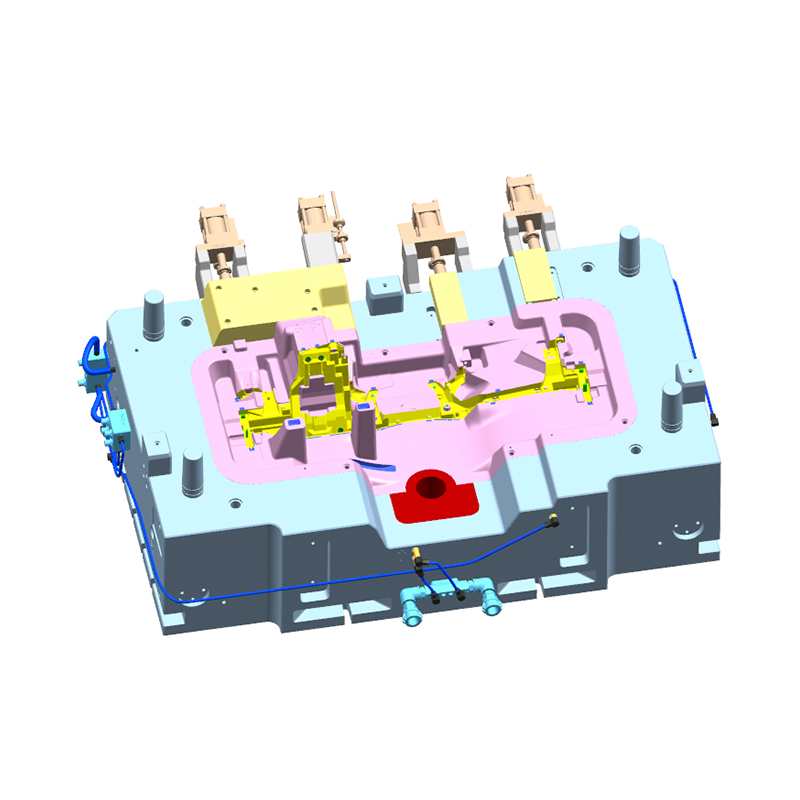



Contact Information
-
 Wangshan Road, Jiangbei District, Ningbo, Zhejiang, China
 -
 86-135-64796935

Get A Quote
How Do Advanced Zinc Die Casting Molds Optimize High-Volume Component Manufacturing?
2026-01-01
Content
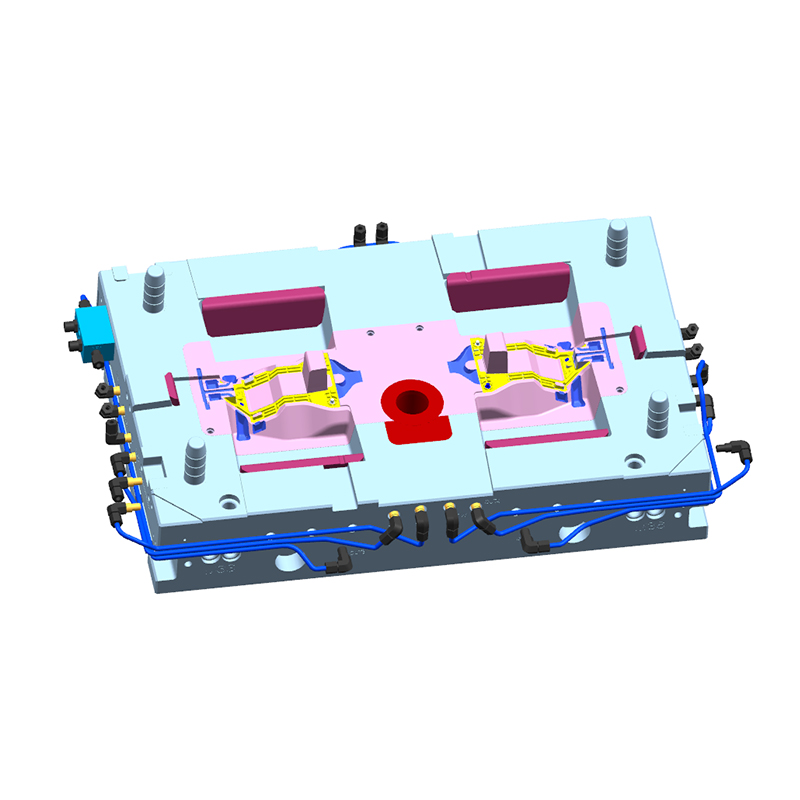
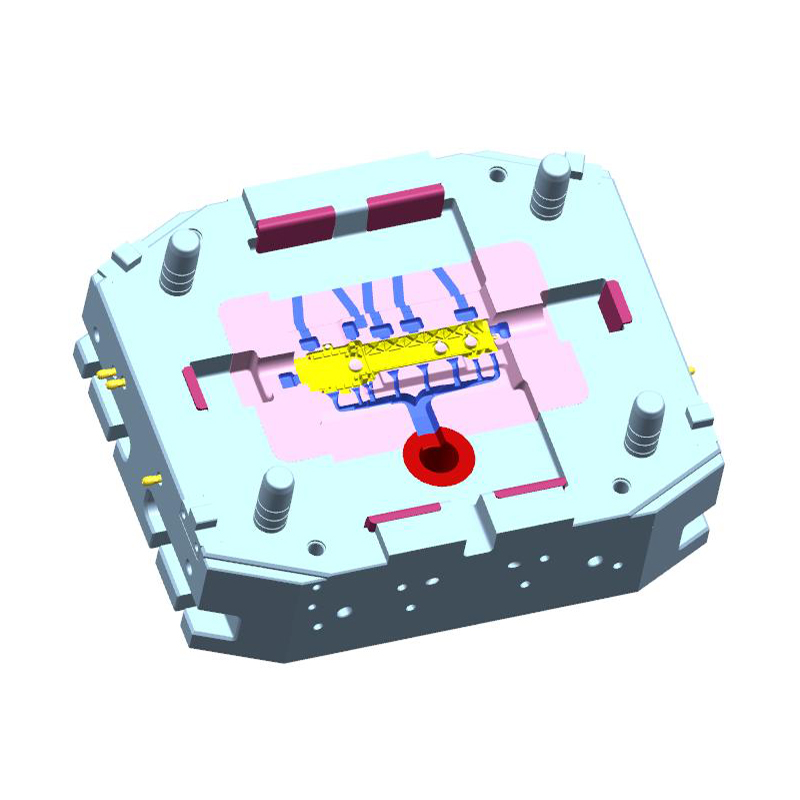
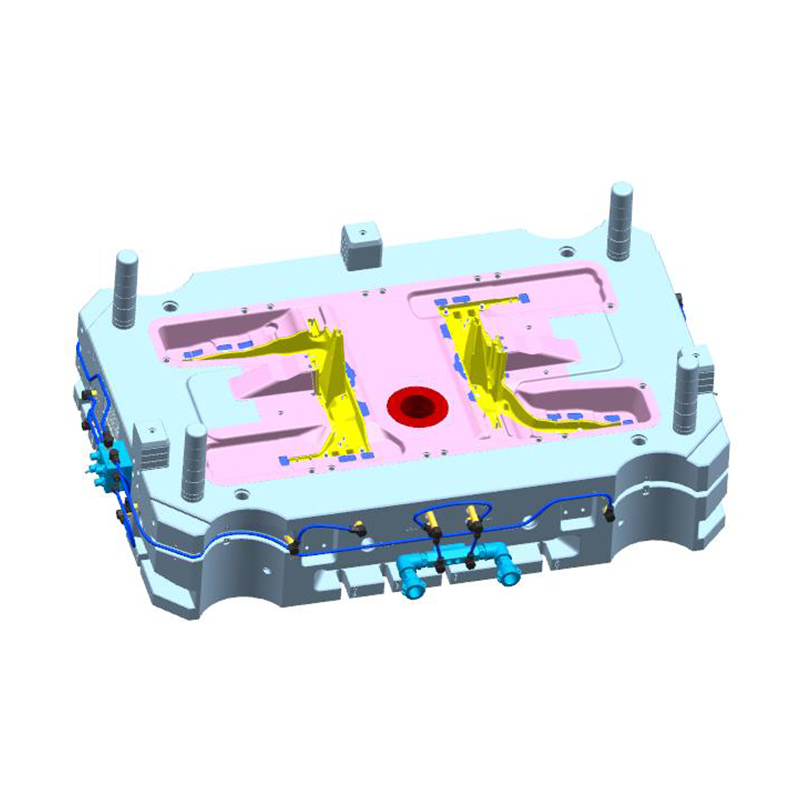
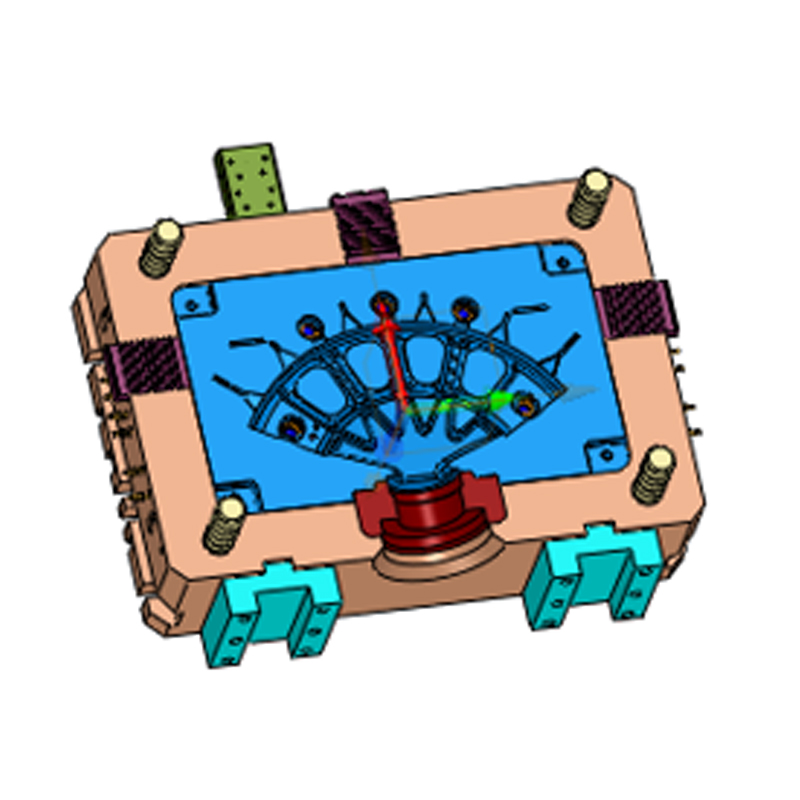
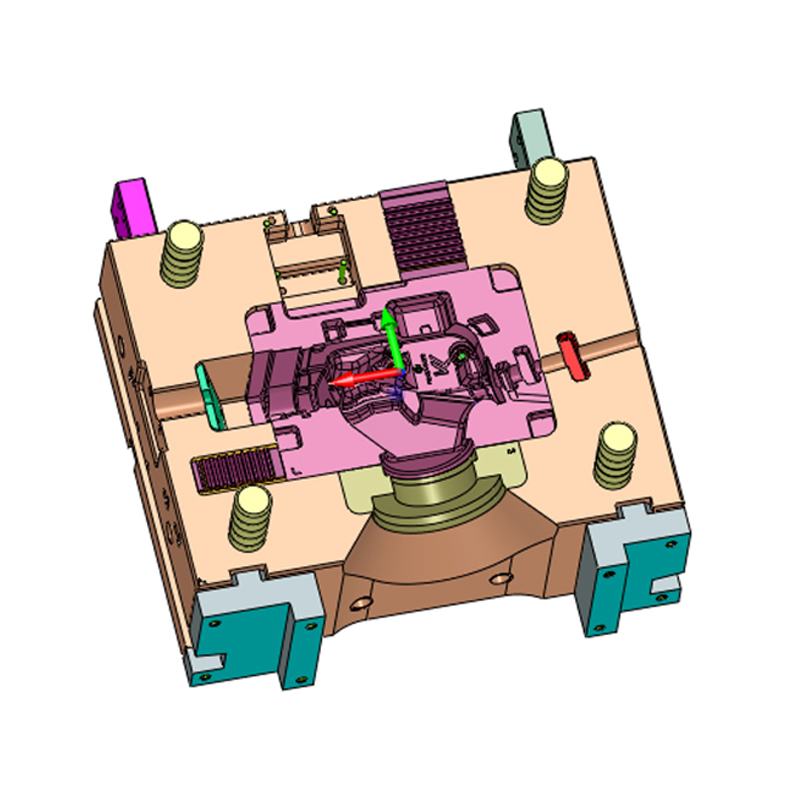
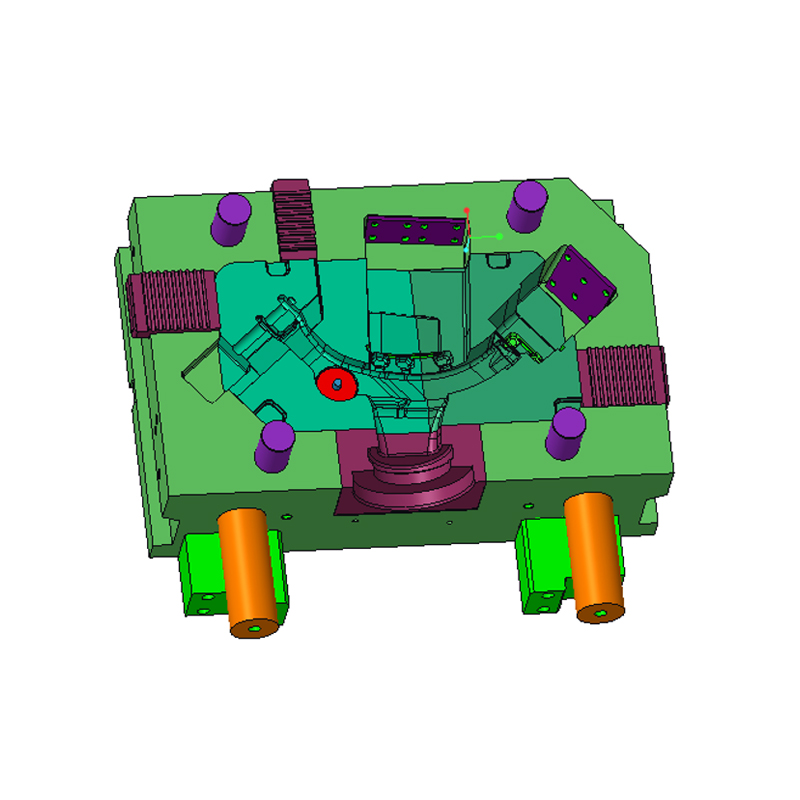
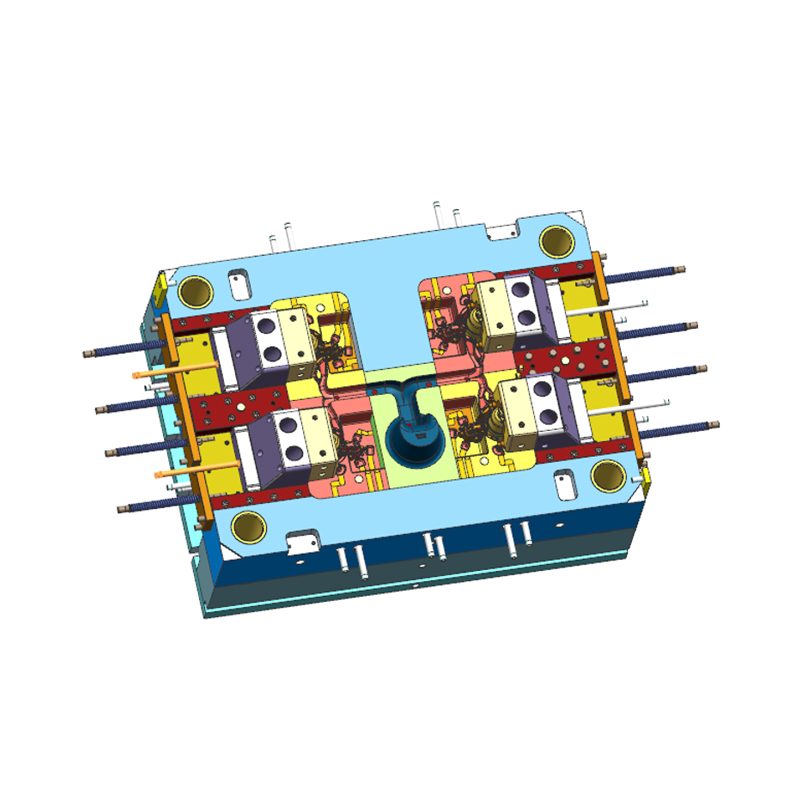
The production of intricate metal components requires a synergy between machine force and mold precision. At the forefront of this technical intersection is the 80T Hot Chamber Die Casting Mold, a specialized tool engineered specifically for the rapid fabrication of non-ferrous metal parts. By utilizing high-performance Zinc Die Casting Molds, manufacturers can achieve a level of dimensional accuracy and surface finish that minimizes the need for secondary machining, directly impacting the throughput of precision-heavy sectors.
The 80T Hot Chamber Die Casting Mold is designed to integrate seamlessly with 80-ton hot chamber pressure systems. Unlike cold chamber processes, the hot chamber method involves the injection mechanism being submerged in the molten metal. This configuration requires Zinc Die Casting Molds to possess exceptional thermal fatigue resistance. The mold is constructed to handle the rapid-fire cycling of molten ZA3 zinc alloy, which is favored for its superior fluidity and low melting point.
The double-cavity configuration of this specific 80T Hot Chamber Die Casting Mold allows for the simultaneous casting of two components per cycle. This structural design choice is critical for "efficient mass production," as it effectively doubles the output of the machine without increasing the cycle time proportionally. The precision-machined gates and runners within the mold ensure that the molten zinc alloy reaches both cavities at identical pressures and temperatures, maintaining part consistency across millions of cycles.
The physical footprint of the 80T Hot Chamber Die Casting Mold is optimized for standardized industrial environments. With dimensions of 350x305x367mm, the mold provides a compact yet robust housing for the internal cooling channels and ejection pins. Weighing approximately 235kg, the mold offers the mass required to withstand the high-frequency and high-pressure environment of the die-casting floor while remaining manageable for installation and maintenance teams.
|
Parameter |
Specification |
Functional Advantage |
|---|---|---|
|
Mold Type |
80T Hot Chamber |
Optimized for high-speed, small-to-medium part casting |
|
Cavity Layout |
2-Cavity (Double Cavity) |
Doubles production efficiency per machine hour |
|
Compatible Material |
ZA3 Zinc Alloy |
High fluidity for complex geometries and thin walls |
|
Dimensions |
350 x 305 x 367 mm |
Standardized fit for 80-ton casting machines |
|
Unit Weight |
235 kg |
Thermal stability and mechanical durability |
|
Process Speed |
High-Frequency |
Rapid prototyping and high-volume output |
|
Surface Precision |
High-Grade Machined |
Consistent molding effect and superior aesthetics |
The internal geometry of these Zinc Die Casting Molds is the result of advanced CNC machining and EDM (Electrical Discharge Machining) processes. This ensures that the "consistent molding effect" is not just a goal, but a repeatable technical reality. The tight tolerances achieved in the mold's manufacturing phase translate directly to the "dimensional stability" of the final zinc alloy parts, which is a non-negotiable requirement for high-precision assemblies.
A critical factor in the longevity of Zinc Die Casting Molds is the material used for the components themselves. The 80T Hot Chamber Die Casting Mold utilizes high-grade tool steel optimized for thermal stability. This prevents "heat checking"—the cracking that occurs when a mold is repeatedly exposed to the temperature fluctuations of molten metal.
The use of ZA3 zinc alloy in conjunction with the 80T Hot Chamber Die Casting Mold provides a unique advantage in terms of part strength. ZA3 is known for its excellent physical and mechanical properties, which, when combined with the high-pressure injection of the hot chamber process, results in a dense, non-porous metal structure. The mold’s cooling system is strategically mapped around the two cavities to ensure uniform solidification, preventing internal stresses that could lead to part warping or failure in the field.
The versatility of the 80T Hot Chamber Die Casting Mold makes it an essential asset across multiple manufacturing verticals. In the realm of automotive accessories, these Zinc Die Casting Molds are used to create intricate interior trim components, fuel system parts, and decorative emblems where "appearance quality" is as vital as structural integrity. The ability of the hot chamber process to fill complex, thin-walled sections allows for lighter-weight automotive designs without sacrificing durability.
In the electronic components and hardware tools sectors, the 80T Hot Chamber Die Casting Mold facilitates the production of heat sinks, connector housings, and tool chassis. The precision of the 2-cavity design ensures that parts requiring tight fits—such as those found in locks and home appliances—can be assembled immediately after the casting and trimming phases. This "rapid prototyping" capability allows manufacturers to move from design to final product with significantly reduced lead times compared to traditional machining methods.
The decision to utilize an 80T Hot Chamber Die Casting Mold is often driven by the need for speed. The hot chamber process is inherently faster than the cold chamber process because the melting pot is integrated into the machine, eliminating the step of ladling molten metal into the shot sleeve. This speed, combined with the "double-cavity" design of the mold, maximizes the "unit cost reduction" that is necessary for competitive manufacturing.
Furthermore, Zinc Die Casting Molds used in hot chamber machines experience less oxidation because the injection plunger is constantly submerged. This results in a cleaner cast with fewer impurities, which is essential for components that will undergo plating or powder coating. For industries like home appliances and hardware, where the visual "appearance quality" of the zinc alloy part is a selling point, the hot chamber process provides a superior surface that requires minimal pre-finishing.
Longevity is a hallmark of high-quality Zinc Die Casting Molds. The 80T Hot Chamber Die Casting Mold is engineered for easy access to wear parts, such as the nozzle seat and the ejector assembly. This "easy to install and maintain" philosophy ensures that downtime is kept to an absolute minimum. Because the mold is designed for standardized 80-ton equipment, replacement parts and servicing protocols are streamlined, allowing for continuous operation in 24/7 manufacturing environments.
The structural integrity of the 235kg frame ensures that the mold can handle the clamping forces required to prevent "flash"—the excess material that can leak between mold halves. By maintaining a perfect seal through millions of high-pressure cycles, the 80T Hot Chamber Die Casting Mold protects the integrity of the zinc alloy parts and reduces the amount of scrap material. This precision not only ensures the "dimensional stability" of the product but also contributes to a more sustainable, low-waste manufacturing cycle.
The ultimate performance of any zinc alloy part is dictated by the quality of the mold from which it was cast. The 80T Hot Chamber Die Casting Mold provides a stable platform for the "mass production of zinc alloy die-casting parts" by controlling every variable of the casting process. From the initial injection of the ZA3 alloy to the final ejection of the twin components, the mold's design prioritizes consistency.
For manufacturers producing "complex and precise zinc alloy parts," the investment in high-precision Zinc Die Casting Molds is an investment in product reliability. Whether the end-use is a critical lock mechanism or a high-aesthetic home appliance component, the 80T Hot Chamber Die Casting Mold delivers the "high manufacturing precision" required to meet modern engineering standards. The result is a component that fits perfectly, performs reliably, and meets the rigorous quality benchmarks of today's global supply chains.
Wangshan Road, Jiangbei District, Ningbo, Zhejiang, China
86-135-64796935
Copyright © Ningbo NKT Tooling Co., Ltd. All Rights Reserved.
 Login
Custom Automotive Aluminum/Zinc Die Casting Molds Manufacturers
Login
Custom Automotive Aluminum/Zinc Die Casting Molds Manufacturers
