
 English
 中文简体
中文简体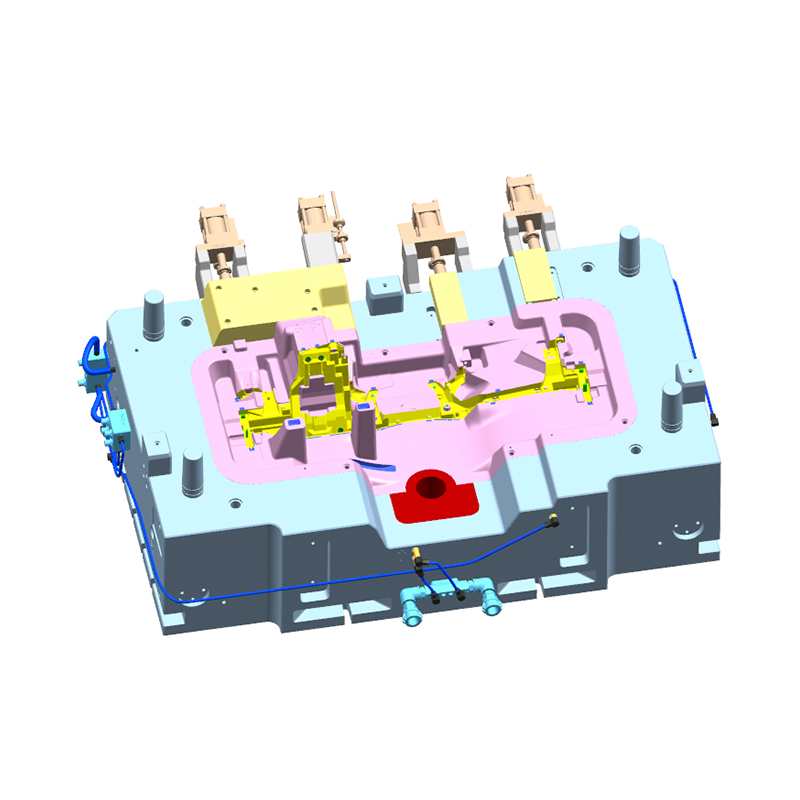



Contact Information
-
 Wangshan Road, Jiangbei District, Ningbo, Zhejiang, China
 -
 86-135-64796935

Get A Quote
How Does the 80T Hot Chamber Die Casting Mold Redefine High-Speed Zinc Alloy Production?
2026-01-08
Content
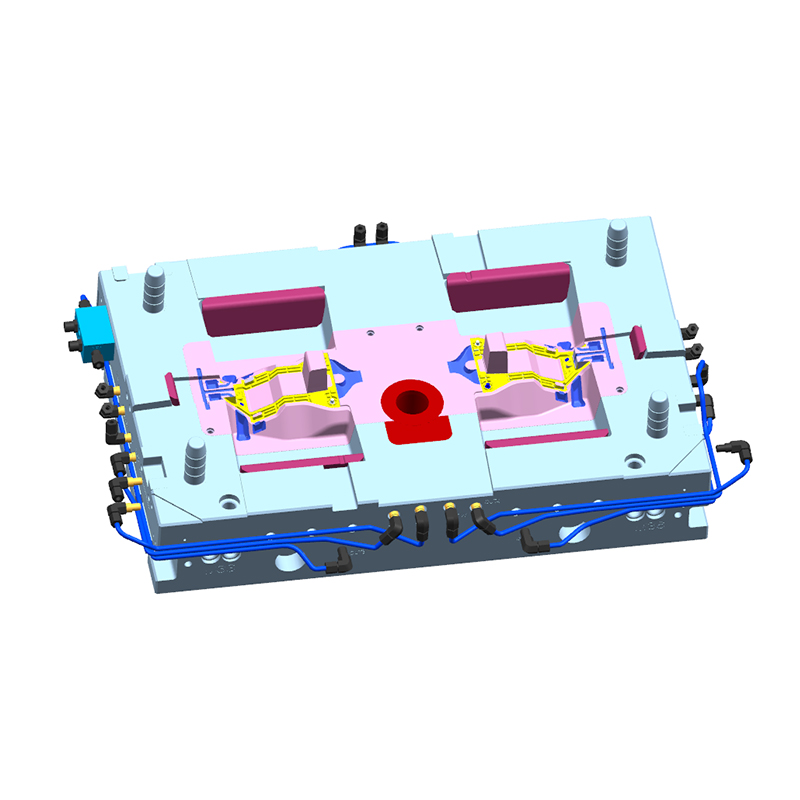
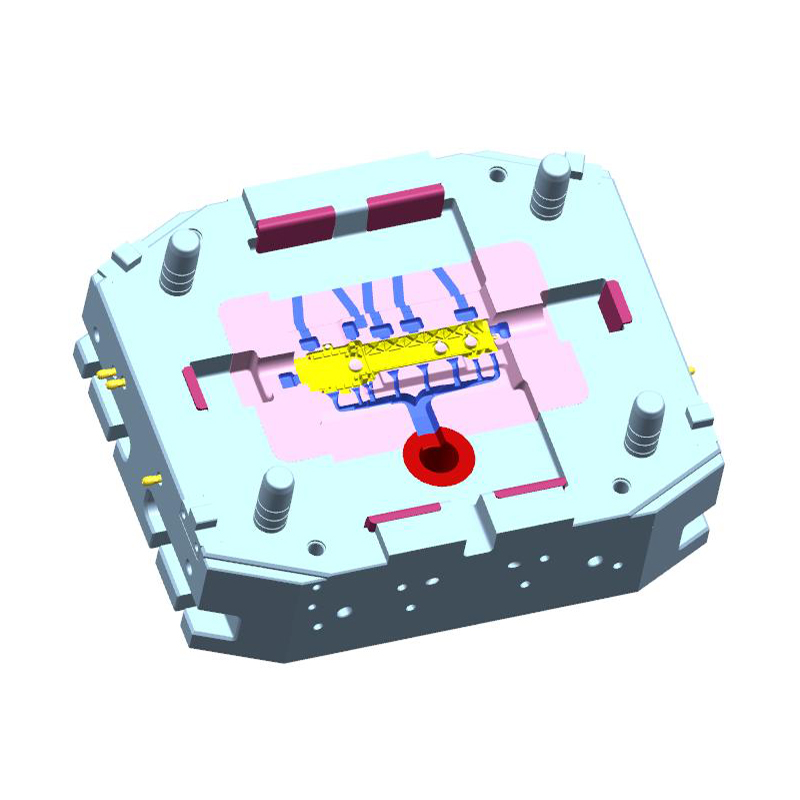
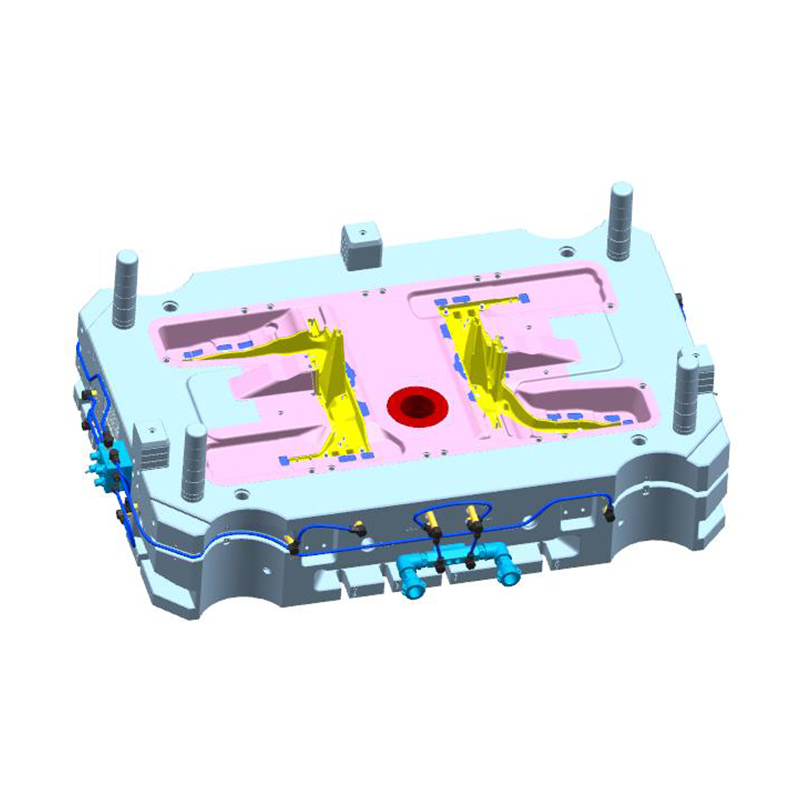
In the specialized field of metal fabrication, the integration of high-performance Hot Chamber Die Casting Molds is a critical factor for achieving both speed and precision. The 80T Hot Chamber Die Casting Mold stands out as a premier engineering solution designed for 80-ton hot chamber die-casting machines. This specific tool is dedicated to the "efficient mass production" of zinc alloy die-casting parts, providing a compact yet powerful platform for industries that require high-frequency output without compromising on the minute details of the finished component.
The core strength of the 80T Hot Chamber Die Casting Mold lies in its 2-cavity structural design. Unlike single-cavity alternatives, this configuration allows the machine to "die-cast two pieces at a time." This simultaneous molding capability is the primary driver behind "reducing unit costs" and "greatly improving production efficiency." By doubling the yield of every injection cycle, manufacturers can maximize the utilization of their 80-ton machinery, ensuring that high-volume orders are fulfilled within tighter windows.
The precision of these Hot Chamber Die Casting Molds is essential because both cavities must receive the molten ZA3 zinc alloy at identical pressures and temperatures. Any variance in the runner system could lead to inconsistencies between the two parts. Therefore, the internal architecture of the mold is meticulously mapped to ensure balanced flow, allowing for the "consistent molding effect" that is necessary for high-grade industrial applications.
The choice of ZA3 zinc alloy as the primary casting material for the 80T Hot Chamber Die Casting Mold is a deliberate technical decision. ZA3 is renowned for its exceptional fluidity, strength, and thermal stability. In the "high-frequency and high-pressure die-casting environments" where these molds operate, the material must flow into complex geometries rapidly before solidifying.
Because Hot Chamber Die Casting Molds are constantly exposed to the heat of the submerged injection mechanism, the thermal stability of the mold steel itself—paired with the predictable behavior of ZA3—prevents dimensional drift. This synergy "effectively ensures the dimensional stability and appearance quality" of the product. The resulting parts exhibit a smooth surface finish and structural density that meets the rigorous requirements of the automotive and electronics sectors.
The physical design of the 80T Hot Chamber Die Casting Mold is optimized for ease of integration into existing production lines. Its compact dimensions (350x305x367mm) allow it to fit standard 80-ton hot chamber machines without requiring custom modifications. With a weight of 235kg, it provides the necessary mass to dampen vibrations during high-pressure injection while remaining manageable for maintenance crews.
|
Feature |
Specification |
Operational Benefit |
|---|---|---|
|
Mold Category |
80T Hot Chamber Die Casting Mold |
Precision-matched for 80-ton injection systems |
|
Cavity Count |
2 Cavities (Double-Cavity) |
High-volume throughput; 2 parts per cycle |
|
Compatible Material |
ZA3 Zinc Alloy |
Optimized fluidity for thin-walled components |
|
Dimensions |
350 x 305 x 367 mm |
Space-saving, standardized footprint |
|
Total Weight |
235 kg |
Mechanical durability and thermal mass |
|
Precision Level |
High Manufacturing Precision |
Guaranteed dimensional stability |
|
Cooling System |
Integrated Water Channels |
Rapid solidification for high-frequency cycling |
The "high manufacturing precision" of the 80T Hot Chamber Die Casting Mold is achieved through advanced multi-axis CNC machining and precision grinding. These processes ensure that the parting lines are perfectly sealed, which minimizes "flash"—the excess metal that can escape between mold halves. By reducing flash, the mold minimizes the need for secondary trimming, further enhancing "efficient mass production."
For components where "appearance quality" is a primary specification, such as decorative hardware or automotive trim, the surface of these Hot Chamber Die Casting Molds is polished to a mirror finish. This finish is transferred directly to the ZA3 zinc alloy part, providing a superior substrate for subsequent plating, painting, or powder coating. The "consistent molding effect" ensures that every batch of parts maintains the same aesthetic and functional standards from the first shot to the millionth.
One of the most significant advantages of using Hot Chamber Die Casting Molds over the cold chamber process is the speed of the cycle. In a hot chamber setup, the injection cylinder is immersed in the molten metal, eliminating the need for a separate ladling step. This makes the 80T Hot Chamber Die Casting Mold exceptionally "faster and more efficient."
This speed makes the system "suitable for the rapid prototyping of small to medium-sized products." Manufacturers can iterate designs quickly and move into full-scale production with minimal downtime. The "overall structure of the mold is compact," which facilitates faster heat dissipation and shorter cooling times, allowing the 80-ton machine to cycle at its maximum rated frequency.
The versatility of the 80T Hot Chamber Die Casting Mold allows it to serve a wide array of specialized industries. Each sector leverages the "high-performance" nature of the mold to solve specific manufacturing challenges:
Automotive Accessories: Production of internal lock mechanisms, fuel system connectors, and decorative badges where zinc alloy’s strength and weight are ideal.
Electronic Components: Fabrication of EMI/RFI shielding covers, heat sinks, and connector housings that require the "dimensional stability" only high-precision Hot Chamber Die Casting Molds can provide.
Hardware Tools & Locks: Mass production of complex handles, internal gear systems, and lock bodies that demand high durability and precise fitment.
Home Appliances: Manufacturing of control knobs, hinges, and structural brackets that benefit from the "appearance quality" and "consistent molding effect."
Efficiency in a factory setting is not just about cycle times; it is also about "easy to install and maintain" characteristics. The 80T Hot Chamber Die Casting Mold is designed with standardized mounting points and quick-connect cooling ports. This ensures that the mold can be swapped out or serviced with minimal machine downtime.
The robust 235kg frame is built to withstand the "high-pressure die-casting environments" without warping. Regular maintenance of these Hot Chamber Die Casting Molds is simplified by the accessibility of the ejector pins and the runner gates. By keeping these areas clean and lubricated, operators can extend the life of the mold and ensure that the "mass production of zinc alloy die-casting parts" remains uninterrupted.
Modern product designs often feature "various complex and precise zinc alloy parts" that would be difficult to manufacture using other methods. The 80T Hot Chamber Die Casting Mold excels at creating these intricate shapes because the ZA3 material can be injected at high velocity into the thinnest sections of the 2-cavity layout.
The mold's ability to maintain "dimensional stability" even under these extreme conditions is a testament to its structural integrity. The "compact" design ensures that thermal expansion is controlled and predictable, allowing the "high manufacturing precision" to translate into a final product that meets the exact specifications of the CAD model. This makes the 80T system an indispensable tool for the "efficient mass production" of the next generation of zinc alloy components.
Wangshan Road, Jiangbei District, Ningbo, Zhejiang, China
86-135-64796935
Copyright © Ningbo NKT Tooling Co., Ltd. All Rights Reserved.
 Login
Custom Automotive Aluminum/Zinc Die Casting Molds Manufacturers
Login
Custom Automotive Aluminum/Zinc Die Casting Molds Manufacturers
