
 English
 中文简体
中文简体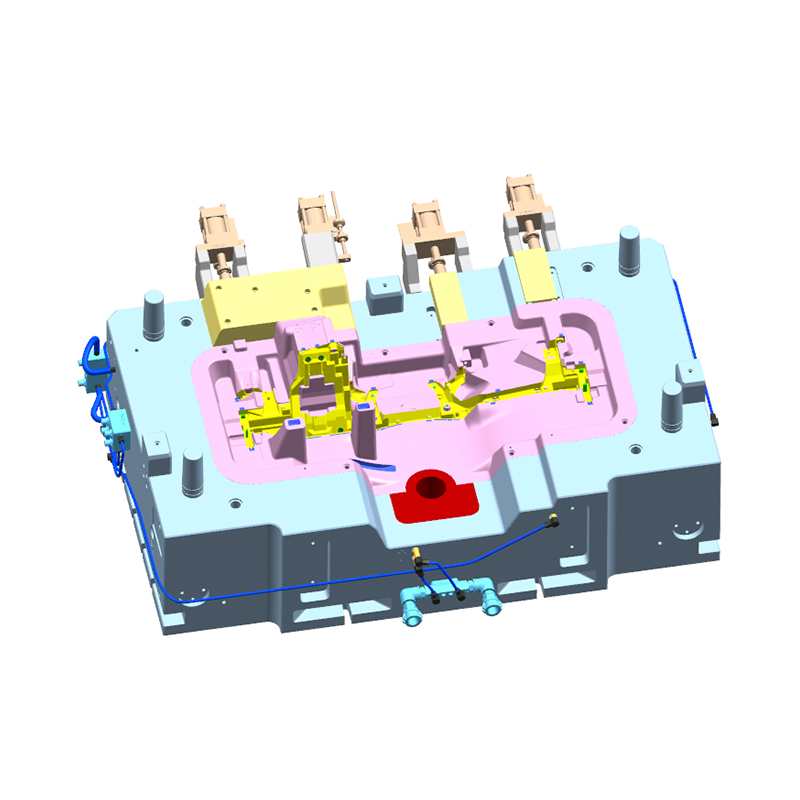



Contact Information
-
 Wangshan Road, Jiangbei District, Ningbo, Zhejiang, China
 -
 86-135-64796935

Get A Quote
Why is the 80T Hot Chamber Die Casting Mold Essential for High-Volume Zinc Alloy Production?
2026-03-05
Content
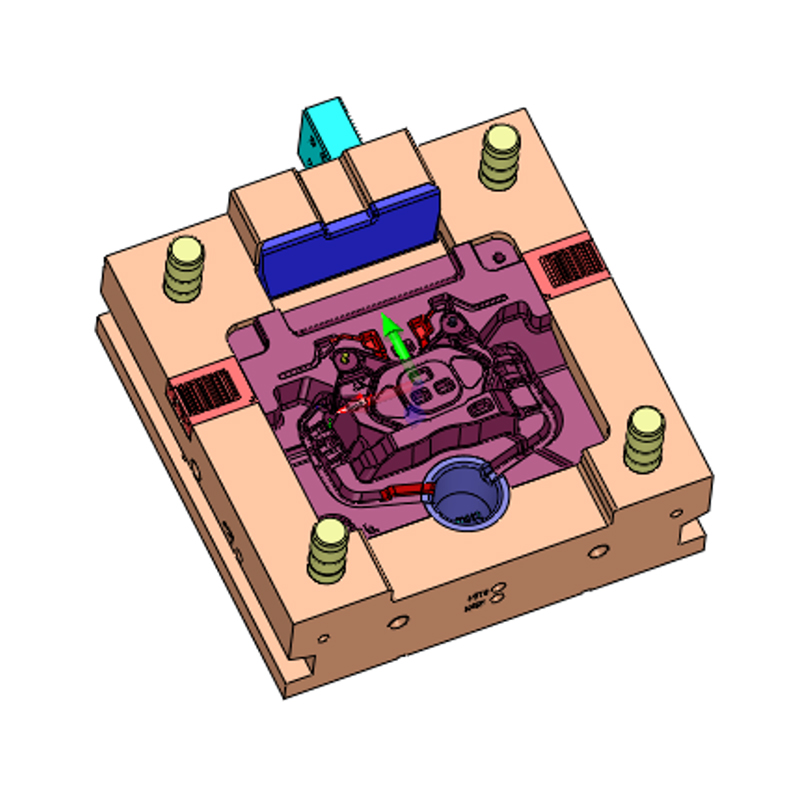
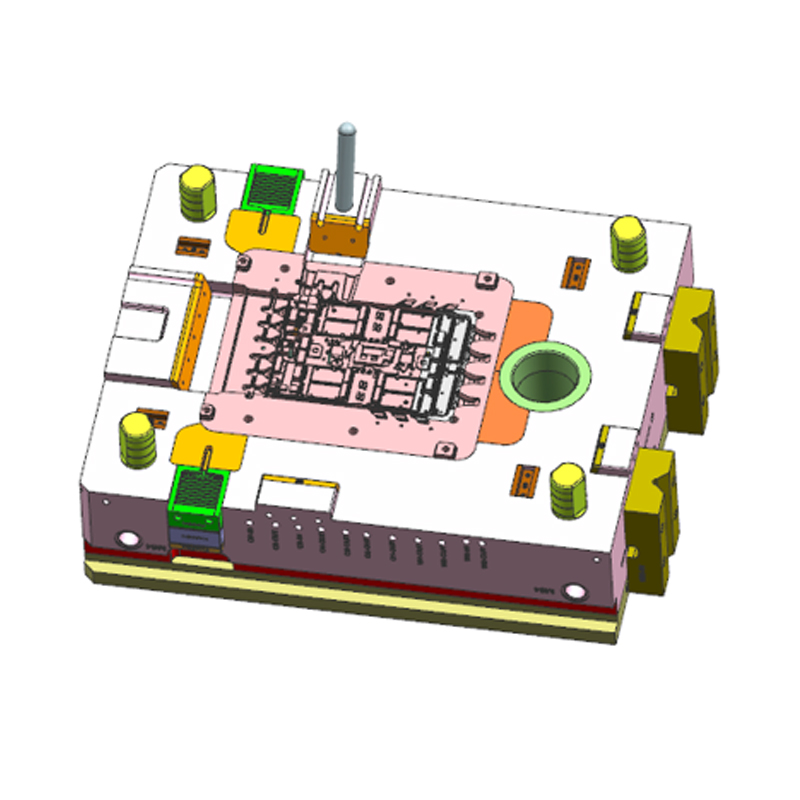
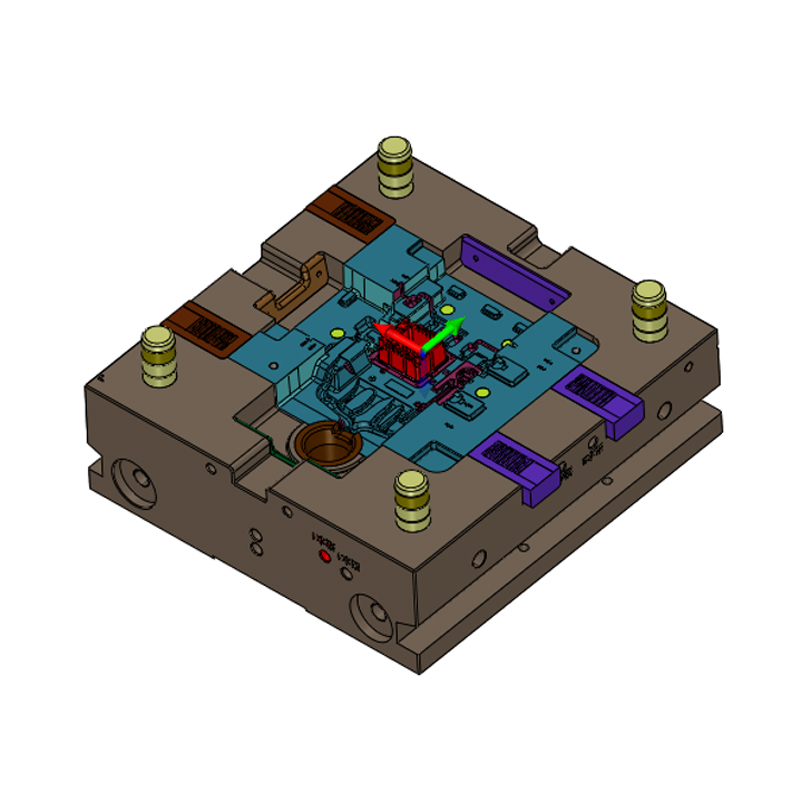
The 80T Hot Chamber Die Casting Mold is constructed to withstand the unique thermal and mechanical stresses of the hot chamber process. Unlike cold chamber methods, the hot chamber process involves a submerged plunger that injects molten metal directly into the die, reducing cycle times and minimizing metal oxidation. By leveraging this process, the 80T mold provides a faster and more efficient prototyping environment, particularly for small to medium-sized products that require intricate detailing and high-quality surface finishes.
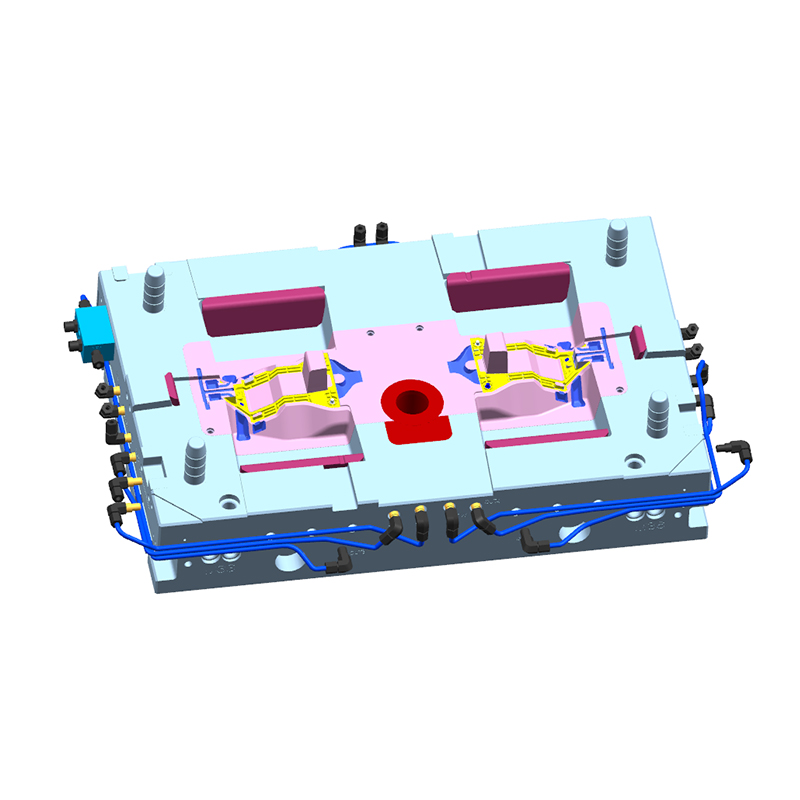
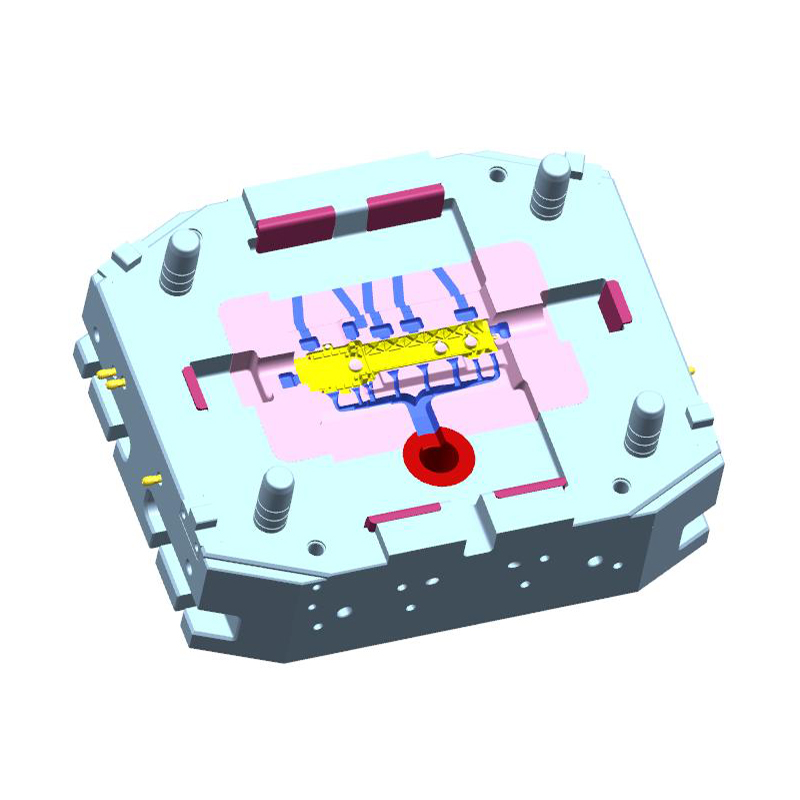
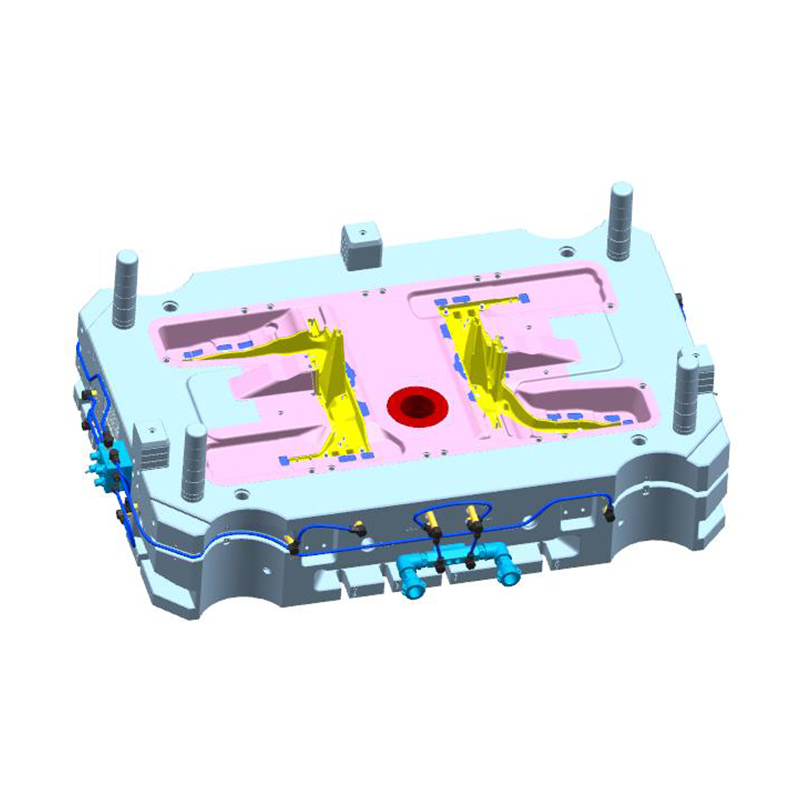
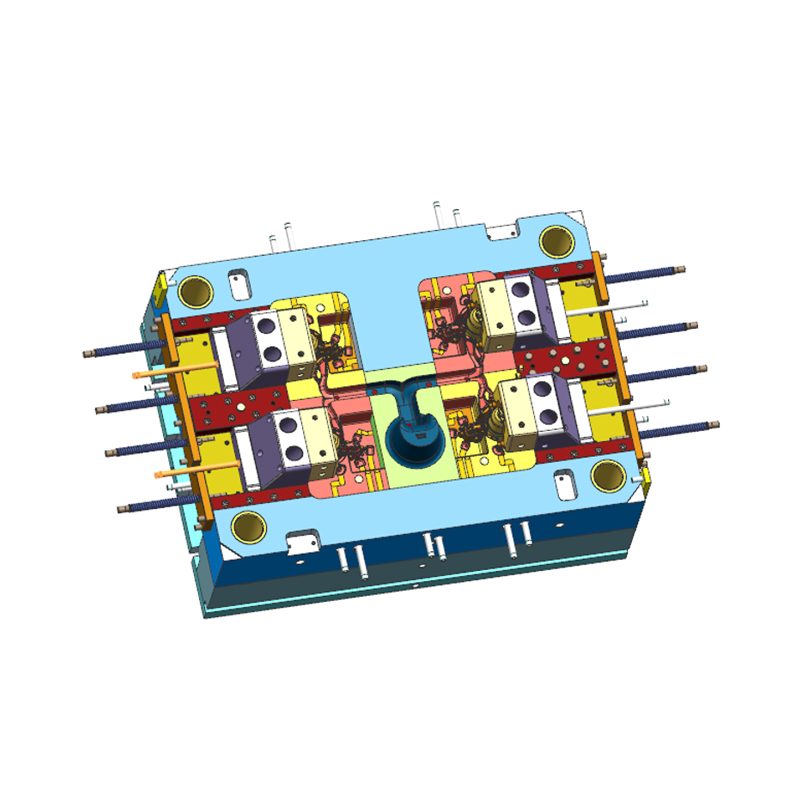
In industrial manufacturing, the ability to multiply output without increasing machine time is a significant competitive advantage. Does the 80T Hot Chamber Die Casting Mold offer scalability? The structural design of 2 cavities is a key feature that allows the machine to die-cast two pieces at a time. This "2-cavity" configuration effectively doubles the production rate per cycle compared to single-cavity alternatives.
By producing two units simultaneously, the 80T Hot Chamber Die Casting Mold greatly improves production efficiency and significantly reduces unit costs. This is particularly vital for high-volume industries like "hardware tools and home appliances," where profit margins often depend on the ability to minimize energy consumption and labor per part. The dual-cavity layout is precision-engineered to ensure that pressure and molten metal distribution are perfectly balanced between both sections, ensuring identical quality for every piece produced.
The performance of a mold is inextricably linked to the material it processes. Why is the 80T Hot Chamber Die Casting Mold specifically optimized for ZA3 zinc alloy? ZA3 zinc alloy material is renowned for its excellent fluidity, strength, and thermal stability. These characteristics are essential for filling complex mold geometries at high speeds without creating air pockets or structural weaknesses.
Because ZA3 flows easily into the "2 cavities" of the 80T Hot Chamber Die Casting Mold, it is exceptionally suitable for high-frequency and high-pressure die-casting environments. The thermal stability of the alloy ensures that the final parts resist warping during the cooling phase, maintaining the "dimensional stability" required for precise electronic components and locks. This synergy between the mold's internal channels and the alloy's properties results in a consistent molding effect that meets the most stringent industrial quality standards.
To evaluate the compatibility of the 80T Hot Chamber Die Casting Mold with existing production lines, it is necessary to examine its physical and functional specifications.
|
Specification Category |
Technical Detail |
Operational Impact |
|---|---|---|
|
Machine Compatibility |
80-Ton Hot Chamber Die-Casting Machine |
Optimized pressure and thermal matching |
|
Cavity Configuration |
2-Cavity (Double Cavity) |
Doubles output per cycle, reduces unit cost |
|
Material Application |
ZA3 Zinc Alloy |
Enhanced fluidity and high-speed filling |
|
Physical Dimensions |
350 x 305 x 367 mm |
Compact footprint for standard equipment |
|
Total Weight |
235 kg |
Robust structural integrity and durability |
|
Process Type |
Hot Chamber Die Casting |
Faster cycle times and reduced oxidation |
|
Target Industries |
Automotive, Electronics, Hardware, Appliances |
Versatile application for complex parts |
In a busy factory environment, downtime for maintenance or equipment changes can be costly. Is the 80T Hot Chamber Die Casting Mold easy to integrate into a standard workflow? The overall structure of the mold is notably compact, with dimensions of 350x305x367mm and a total weight of 235kg. This standardized sizing ensures it is easy to install and maintain across various types of 80-ton equipment.
The modular design allows technicians to access internal components quickly for cleaning or lubrication. Because the 80T Hot Chamber Die Casting Mold is "suitable for various standardized equipment," it reduces the need for custom adapters or machine modifications. This "easy to maintain" philosophy extends the lifespan of the mold, ensuring that it can sustain high-frequency production runs over millions of cycles without a significant loss in manufacturing precision.
Industries such as "automotive accessories and electronic components" have zero tolerance for dimensional errors. How does the 80T Hot Chamber Die Casting Mold meet these demands? The mold is built with high manufacturing precision, utilizing CNC machining and precision grinding to define its internal surfaces. This ensures a consistent molding effect where every part produced is a perfect replica of the digital design.
For "automotive accessories," this precision is critical for parts that must fit together with tight tolerances, such as door handles or interior trim components. In the "electronic components" sector, the 80T Hot Chamber Die Casting Mold produces housings and connectors that protect sensitive circuitry. The "dimensional stability and appearance quality" provided by this mold ensure that secondary finishing processes, such as plating or painting, are easier to apply and more durable.
A common question for project managers is whether to choose a hot or cold chamber setup. Why is the 80T Hot Chamber Die Casting Mold specifically geared toward the hot chamber process? Compared with the cold chamber process, the hot chamber die-casting process is faster and more efficient. Since the melting pot is integrated with the machine, there is no need to transfer molten metal manually or via robotic ladle, which saves several seconds per cycle.
This speed makes the 80T Hot Chamber Die Casting Mold exceptionally suitable for the rapid prototyping and mass production of small to medium-sized products. The direct injection also maintains a more consistent temperature, which is essential for "zinc alloy die-casting parts" that require high surface smoothness. For manufacturers focusing on efficiency, the hot chamber mold is the superior choice for high-volume hardware and tool production.
Repeated exposure to molten zinc at high pressures can cause inferior molds to warp or crack. How does the 80T Hot Chamber Die Casting Mold remain stable under such "high-frequency and high-pressure" conditions? The mold is constructed from high-grade die steel that has been heat-treated to maximize its thermal stability.
This material choice ensures that the "2 cavities" do not expand or contract excessively during the heating and cooling cycles. By maintaining its shape, the 80T Hot Chamber Die Casting Mold effectively ensures the dimensional stability of the zinc alloy parts. This reliability is why the mold is "widely used in the manufacture of various complex and precise zinc alloy parts," as it provides a predictable performance that factory managers can rely on for 24/7 operations.
Hardness and durability are essential for "hardware tools and locks." How does the 80T Hot Chamber Die Casting Mold contribute to the strength of these items? By using ZA3 zinc alloy, the mold produces parts that have high tensile strength and impact resistance. The "consistent molding effect" ensures that internal mechanisms for locks or the structural frames of hardware tools are free from internal porosity.
The ability of the 80T Hot Chamber Die Casting Mold to produce "complex and precise" geometries allows for the creation of intricate locking mechanisms in a single cast, reducing the need for multiple assembly steps. This integration of design not only "improves production efficiency" but also results in a stronger, more reliable final product for the consumer.
While die casting is traditionally seen as a mass-production tool, can it be used for "rapid prototyping"? The "faster and more efficient" nature of the hot chamber process makes the 80T Hot Chamber Die Casting Mold a viable option for pre-production runs. Once the mold is created, thousands of parts can be produced in a matter of days.
This speed allows designers to test the "appearance quality and dimensional stability" of their products in the actual material (ZA3 zinc alloy) before moving to full-scale market release. The "compact structure" and "easy installation" of the 80T Hot Chamber Die Casting Mold mean that switching between different molds for various prototypes is a streamlined process, providing manufacturers with the flexibility to innovate quickly in the home appliances and hardware sectors.
For "home appliances," the look and feel of a product are just as important as its function. How does the 80T Hot Chamber Die Casting Mold ensure a premium finish? Because the mold surfaces are polished to a high degree of precision, the resulting zinc alloy parts have a smooth, "as-cast" finish that requires minimal buffing.
This "appearance quality" is essential for visible parts like knobs, handles, and decorative trim. The high-pressure injection used in the 80T Hot Chamber Die Casting Mold ensures that the molten metal reaches every corner of the "2 cavities," preventing surface defects like cold laps or flow marks. The result is a high-performance part that enhances the overall perceived value of the home appliance, making it a "high-performance" solution for manufacturers globally.
Wangshan Road, Jiangbei District, Ningbo, Zhejiang, China
86-135-64796935
Copyright © Ningbo NKT Tooling Co., Ltd. All Rights Reserved.
 Login
Custom Automotive Aluminum/Zinc Die Casting Molds Manufacturers
Login
Custom Automotive Aluminum/Zinc Die Casting Molds Manufacturers
