What Are Magnesium Alloy Die Casting Molds, and How Do They Work?
To understand their transformative impact, it is first essential to define magnesium alloy die casting molds and their operational mechanism.
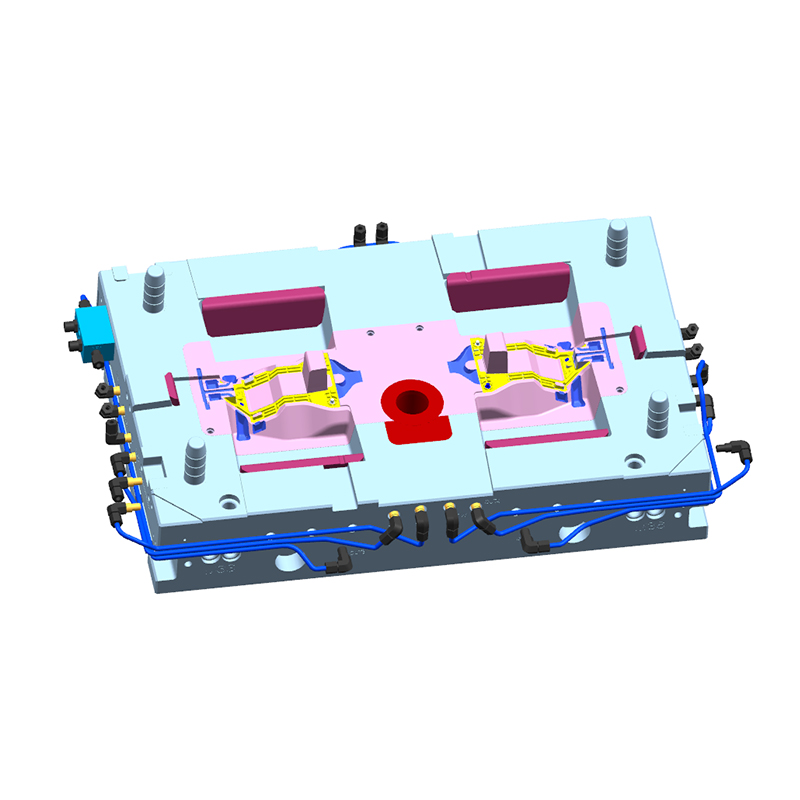
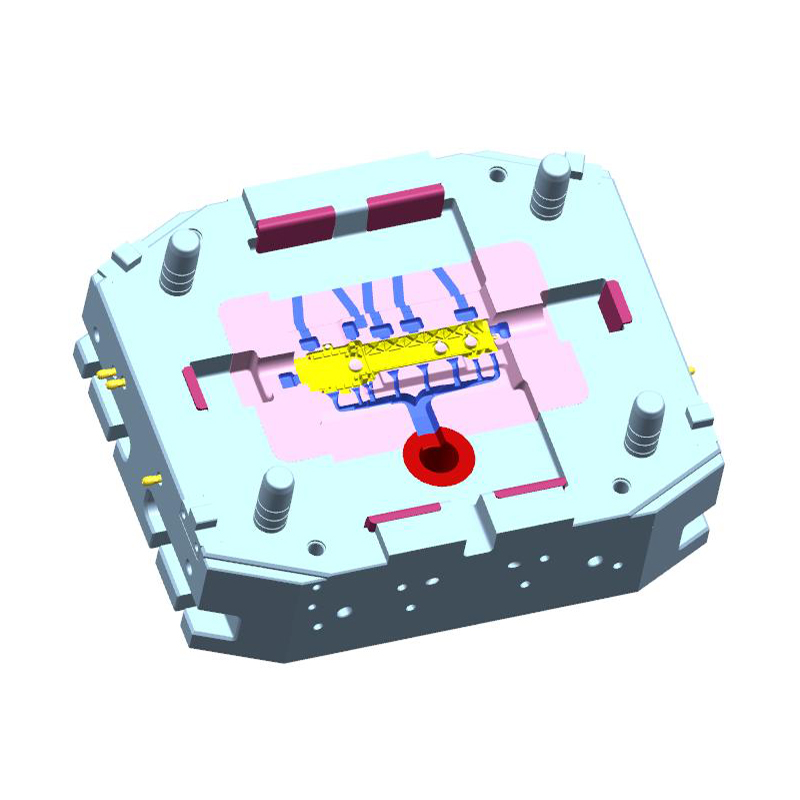
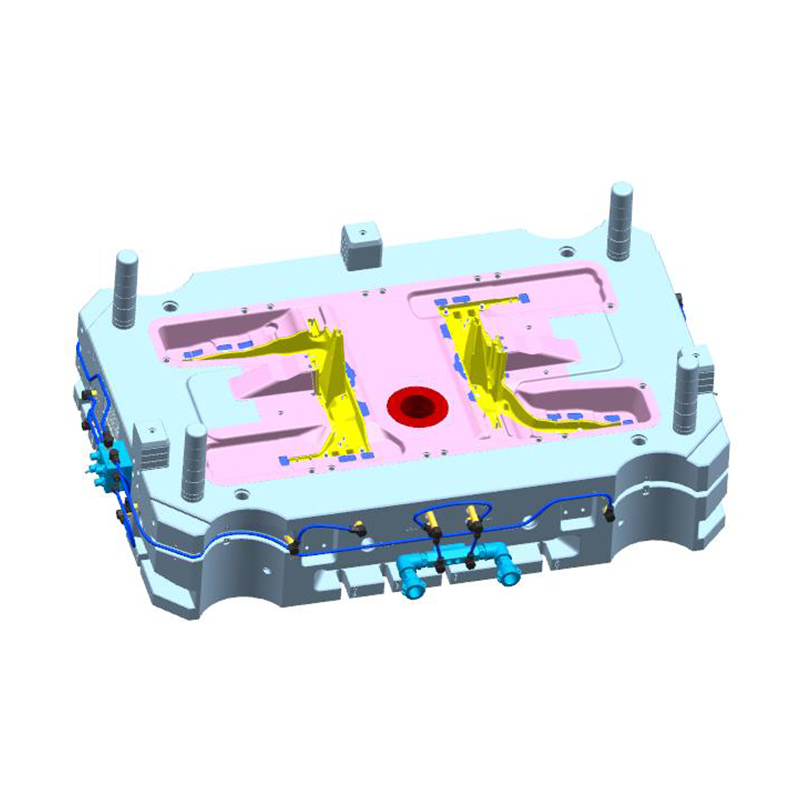
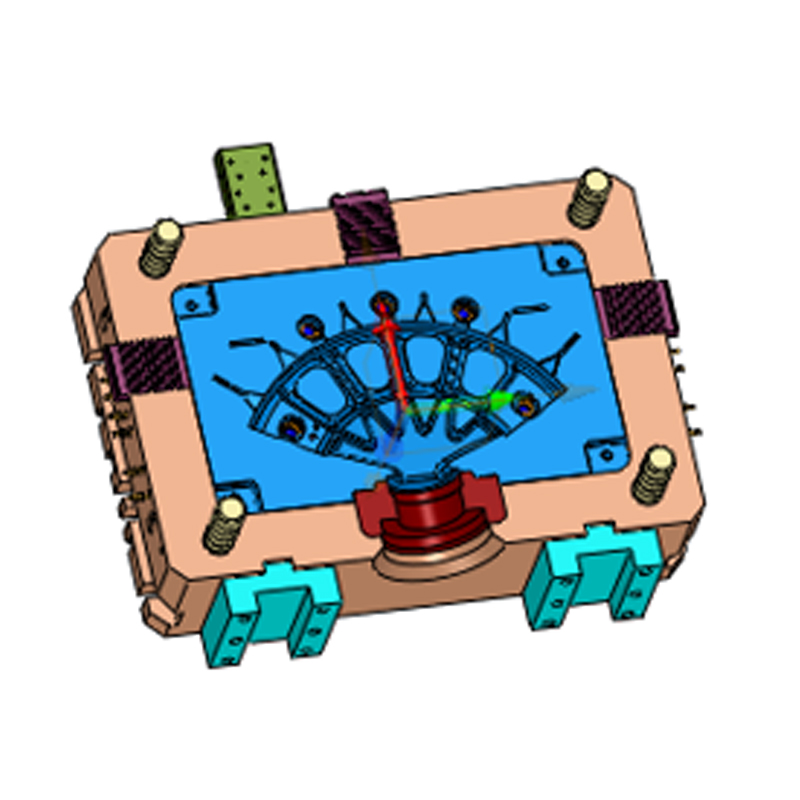
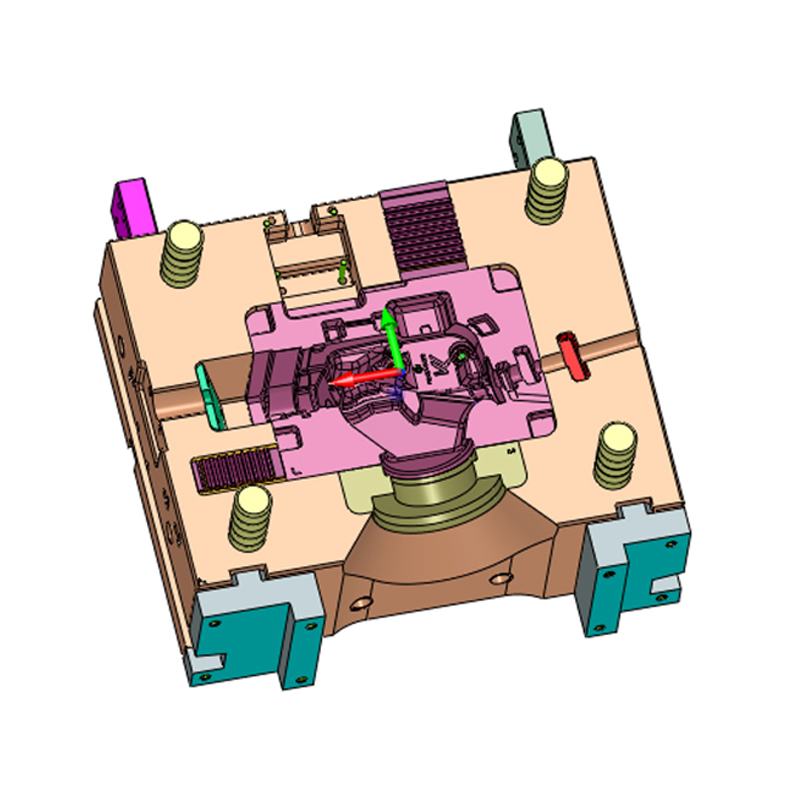
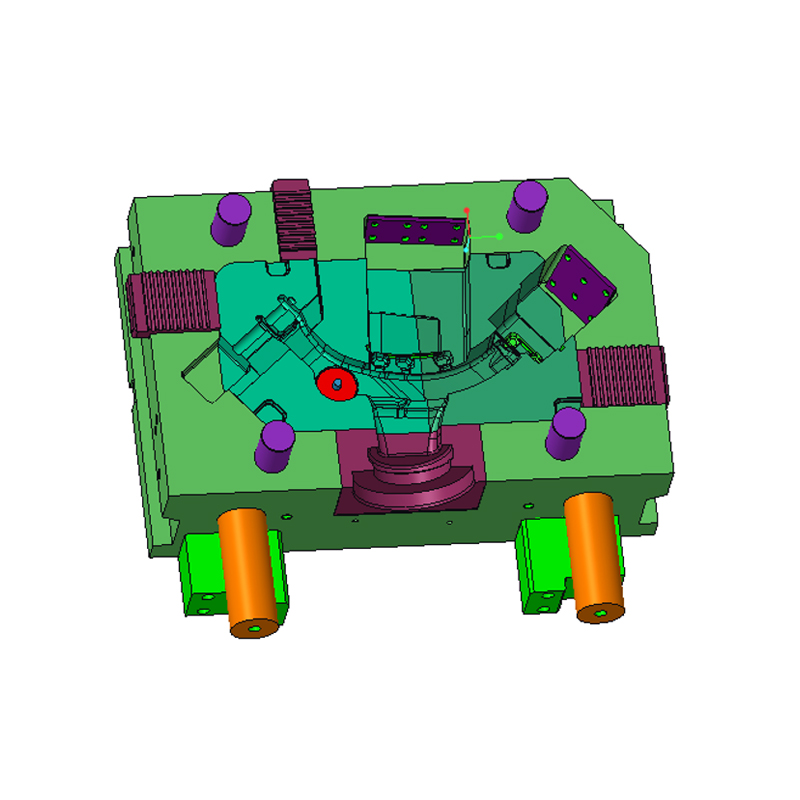
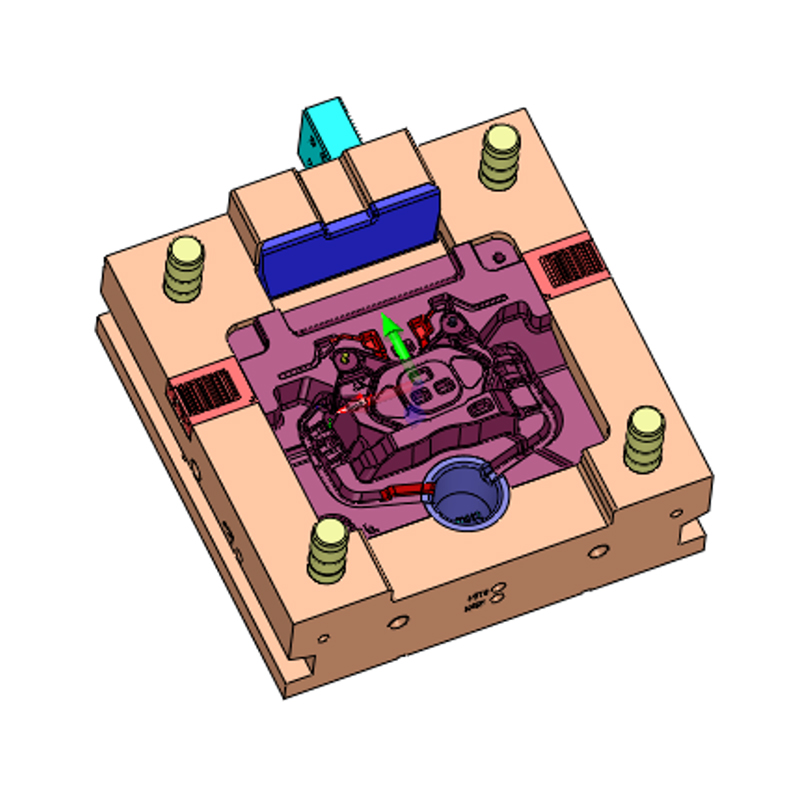
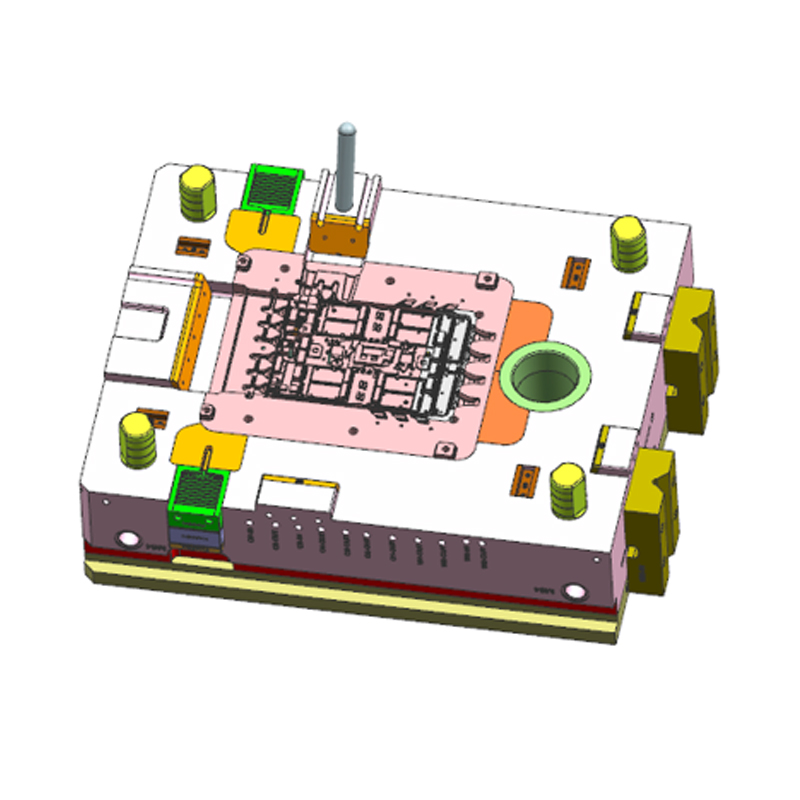
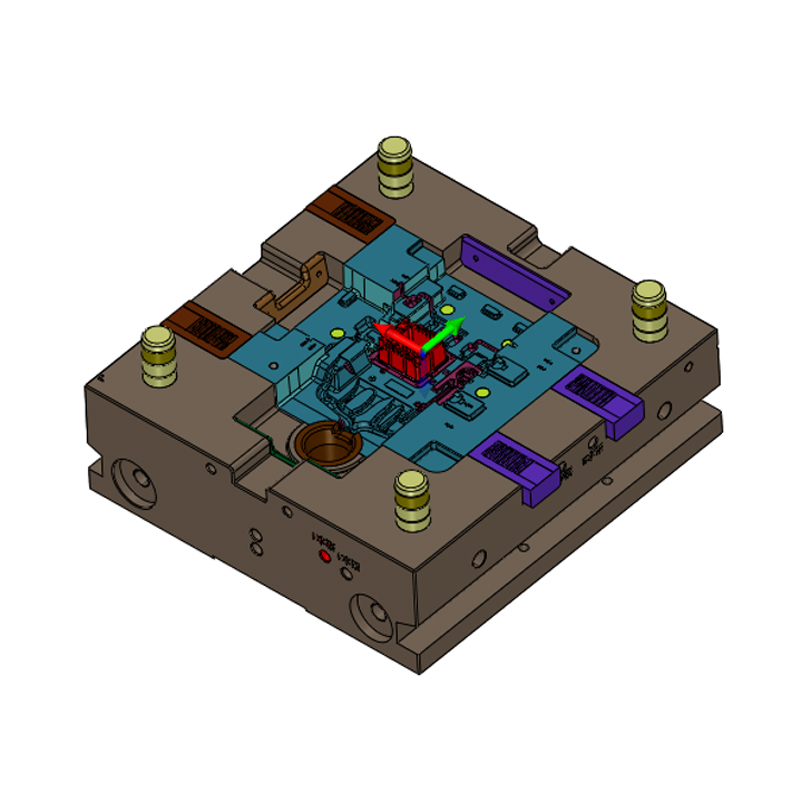
A magnesium alloy die casting mold is a precision tool designed to shape molten magnesium alloys into complex, net-shaped components through high-pressure die casting (HPDC). Unlike sand casting or gravity casting, this process involves forcing molten magnesium into a closed mold cavity at extreme pressure (40–100 MPa) and high velocity (up to 100 m/s), followed by rapid solidification. The mold itself is typically constructed from heat-resistant tool steels, with core components engineered to withstand thermal cycling and mechanical stress.
Core Components of the Mold System
Magnesium alloy die casting molds consist of several critical parts that work in tandem to ensure consistent, high-quality outputs:
- Cavity and Core: The primary shaping elements, usually made from H13 steel (or equivalent) hardened to 46–48 HRC, which directly contact molten magnesium. These components are precision-machined to replicate the final part’s geometry, including intricate details and thin walls down to 0.5 mm .
- Gating System: Includes sprue, runner, and gate, designed to deliver molten magnesium to the cavity efficiently. For magnesium alloys, the gating system is often thicker than in aluminum die casting to facilitate rapid filling and compensate for quick solidification .
- Cooling and Heating Systems: A dual thermal management system (oil cooling + mold temperature controllers) maintains the mold at 220–280°C, critical for preventing cold laps and ensuring uniform solidification. Some molds also integrate heating blocks in cooler regions to balance temperatures .
- Ejection Mechanism: Features 推杆 (ejector pins) and plates that safely remove the solidified part from the mold. Magnesium’s low adhesion to steel allows for smaller draft angles (1–3°) or even zero draft in some cases, reducing material waste .
- Venting and Overflow Systems: 排气槽 (Vents) and overflow channels prevent gas entrapment and collect oxides, ensuring clean, defect-free castings. Magnesium’s high flow velocity necessitates efficient venting to avoid porosity .
The Die Casting Process for Magnesium Alloys
The operational sequence of magnesium alloy die casting molds follows a precise, repeatable cycle:
- Mold Preparation: The mold is cleaned, preheated to 220–280°C, and lubricated with a water-based lubricant (used sparingly—50% less than for aluminum) .
- Clamping: The mold is closed and secured with sufficient force to resist the injection pressure.
- Injection: Molten magnesium (620–680°C) is injected into the cavity at high velocity (up to 100 m/s) to fill thin sections before solidification .
- Solidification: Due to magnesium’s low specific heat (280 kJ/kg vs. aluminum’s 380 kJ/kg), the alloy solidifies rapidly, reducing cycle times by 30% compared to aluminum .
- Ejection: Once solidified, the mold opens, and the part is ejected. The cycle repeats, with production rates reaching 1.5 times that of aluminum die casting .
This process leverages magnesium’s unique properties—low density, high fluidity, and rapid solidification—to produce parts with exceptional dimensional accuracy and surface finish, minimizing the need for post-processing.
Unrivaled Advantages of Magnesium Alloy Die Casting Molds
Magnesium alloy die casting molds offer a compelling set of benefits that address key pain points in manufacturing, from part weight to production efficiency. Below are their most impactful advantages:
1. Superior Part Performance: Lightweight yet Strong
Magnesium’s density (1.8 g/cm³) is 30% lower than aluminum (2.7 g/cm³) and 80% lower than steel, making it ideal for lightweighting applications . Despite its lightness, magnesium alloys boast an excellent strength-to-weight ratio, with tensile strengths reaching 240 MPa—comparable to many aluminum alloys . This combination enables manufacturers to produce components that reduce overall product weight (e.g., 18 kg weight savings in EV battery trays) without compromising structural integrity . Additionally, magnesium’s high rigidity (twice that of aluminum) and superior damping capacity (100 times that of aluminum) make it perfect for vibration-sensitive parts like electronic enclosures and automotive components .
2. Enhanced Production Efficiency and Mold Longevity
Magnesium alloy die casting molds deliver significant productivity gains due to the alloy’s unique processing characteristics:
- Faster Cycle Times: Magnesium’s low specific heat and rapid solidification reduce cycle times by 30% compared to aluminum, enabling higher throughput .
- Extended Mold Life: Magnesium has low affinity for steel, reducing mold adhesion and wear. As a result, magnesium die casting molds last 100,000–150,000 cycles—nearly twice the lifespan of aluminum die casting molds (50,000–80,000 cycles) .
- Reduced Material Waste: The alloy’s high fluidity allows for thinner walls (0.5 mm vs. aluminum’s 1.2 mm) and intricate designs, minimizing material usage . Moreover, magnesium’s excellent machinability reduces post-processing waste by up to 40% .
3. Superior Precision and Surface Quality
Magnesium alloy die casting molds produce parts with exceptional dimensional accuracy and surface finish:
- Tight Tolerances: The rapid solidification process minimizes shrinkage and warpage, enabling dimensional tolerances of ±0.05 mm for small parts .
- Smooth Surface Finish: Magnesium’s low viscosity (1.2 mPa·s vs. aluminum’s 2.5 mPa·s) ensures uniform filling of the mold cavity, resulting in a surface finish (Ra 1.6–3.2 μm) that often eliminates the need for grinding or polishing .
- Complex Geometries: The alloy’s high flow velocity (up to 100 m/s) allows for the production of parts with intricate features, undercuts, and thin walls—designs that are difficult or impossible to achieve with other casting methods .
4. Environmental and Cost Benefits
While magnesium alloy die casting molds have a 20% higher upfront cost than aluminum molds, their long-term economic and environmental advantages are substantial:
- Lower Life-Cycle Costs: Extended mold life, faster cycle times, and reduced material waste offset the initial investment. For high-volume production, magnesium die casting can reduce per-unit costs by 15–20% .
- Sustainability: Magnesium is 100% recyclable, and its lightweight properties reduce energy consumption during product use (e.g., improved fuel efficiency in vehicles). Additionally, the process generates less scrap (40–60% vs. aluminum’s 50–70%) .
- Energy Efficiency: The lower melting point of magnesium (430–630°C) compared to steel reduces energy consumption during melting by up to 50% .
Magnesium vs. Aluminum Die Casting Molds: A Critical Comparison
To fully appreciate the advantages of magnesium alloy die casting molds, it is essential to compare them to their aluminum counterparts—the most common alternative in manufacturing. The table below highlights key differences:
The comparison shows that magnesium alloy die casting molds outperform aluminum molds in terms of productivity, part weight, and precision—critical factors for industries like automotive and electronics where lightweighting and efficiency are paramount. While aluminum molds have better inherent corrosion resistance and lower upfront costs, magnesium molds offer superior long-term value for high-volume production of complex, lightweight components .
Key Design Considerations for Magnesium Alloy Die Casting Molds
Designing effective magnesium alloy die casting molds requires careful attention to the alloy’s unique properties, including rapid solidification, high fluidity, and low adhesion to steel. Below are critical design principles to ensure optimal performance:
1. Material Selection for Mold Components
- Core and Cavity: Use H13 steel (or equivalent) with low sulfur content for core components, as it offers excellent heat resistance and toughness. These parts should be hardened to 46–48 HRC and surface-treated with soft nitriding (0.06–0.10 mm layer) to enhance wear resistance .
- Peripheral Components: For non-critical parts (e.g., mold frames, ejector plates), use low-carbon steel (e.g., 45 steel) to reduce costs while maintaining structural integrity .
- Slider and Guide Components: Treat slides with nitride to prevent galling, as magnesium’s low adhesion does not eliminate the risk of metal-to-metal contact .
2. Thermal Management System Design
Magnesium’s rapid solidification requires precise temperature control to avoid defects like cold laps and shrinkage:
- Cooling Channels: Position cooling channels 15–20 mm from the cavity surface to ensure uniform heat dissipation. Use oil cooling for better temperature stability (±2°C) compared to water cooling .
- Heating Elements: Install heating blocks in areas prone to cold spots (e.g., filling ends) to maintain the mold temperature at 220–280°C. For thin-walled parts, increase the mold temperature to 280–300°C to improve flow .
- Insulation: Add insulation to the mold exterior to minimize heat loss and reduce energy consumption .
3. Gating and Venting System Optimization
- Gating Design: Use thicker gates (1.5–2.0 mm) and runners to facilitate rapid filling. Ensure the gating system minimizes flow distance to reduce heat loss .
- Venting: Incorporate vents (0.02–0.05 mm thick) along the parting line and at the end of flow paths to evacuate air and gases. Overflow channels should be 2–3 times the volume of the part to collect oxides and lubricant residues .
4. Part Design Compatibility
- Wall Thickness: Maintain uniform wall thickness (2–4 mm for most parts) to avoid shrinkage defects. Use ribs (0.8–1.2 mm thick) to enhance strength instead of increasing wall thickness .
- Draft Angles: Design draft angles of 1–3° for easy ejection. Magnesium’s low adhesion allows for smaller draft angles than aluminum, reducing material waste .
- Radii and Corners: Use generous radii (≥1 mm) to prevent stress concentrations and improve flow. Avoid sharp corners, which can cause turbulence and porosity .
Installation, Maintenance, and Troubleshooting
Proper installation and maintenance are critical to maximizing the performance and lifespan of magnesium alloy die casting molds. Below are best practices for ensuring reliability:
Installation Guidelines
- Preparation: Clean the mold and die casting machine surfaces to remove debris, which can cause misalignment and casting defects. Verify that the mold dimensions match the machine’s specifications .
- Alignment: Ensure the mold is aligned with the injection axis to prevent uneven filling. Use precision lifting equipment to avoid damaging the mold .
- Fixing: Secure the mold with high-tensile bolts to withstand injection pressure. Check for gaps between the mold halves to prevent metal leakage .
- Temperature Calibration: Preheat the mold to 220–280°C and stabilize the temperature before production. Use mold temperature controllers to maintain consistency .
- Test Run: Conduct a test run with 50–100 parts to check for defects, adjust parameters, and ensure proper ejection .
Maintenance Best Practices
- Regular Cleaning: Clean the mold cavity, gating system, and vents after every 500–1000 cycles to remove residue and prevent clogs .
- Lubrication: Apply a thin layer of water-based lubricant to the cavity and ejection system. Avoid over-lubrication, which can cause porosity .
- Inspection: Check for wear, cracks, or deformation in the core and cavity components. Replace worn parts (e.g., ejector pins) promptly to avoid casting defects .
- Storage: Store the mold in a dry, temperature-controlled environment to prevent corrosion. Apply a rust inhibitor to exposed steel surfaces .
Common Troubleshooting Tips
- Cold Laps: Increase mold temperature (by 20–30°C) or injection velocity to improve filling .
- Porosity: Enhance venting, reduce lubricant usage, or adjust injection pressure to minimize gas entrapment .
- Warpage: Ensure uniform wall thickness and optimize cooling channel placement to promote even solidification .
- Mold Adhesion: Increase mold temperature slightly or apply a thin layer of lubricant. Check for surface roughness in the cavity .
Industry Applications: Where Magnesium Alloy Die Casting Molds Excel
Magnesium alloy die casting molds are widely adopted across industries that demand lightweight, high-precision components. Below are their key application areas:
1. Automotive Industry
The automotive sector is the largest user of magnesium alloy die castings, driven by the need to reduce vehicle weight and improve fuel efficiency:
- Powertrain Components: Transmission cases, engine brackets, and oil pans benefit from magnesium’s lightweight and damping properties .
- Body and Chassis: EV battery trays, door frames, and steering columns use magnesium to reduce weight by up to 30% compared to aluminum .
- Interior Components: Dashboard frames, seat structures, and center consoles leverage magnesium’s rigidity and machinability .
Major automakers like Tesla, BMW, and Toyota have integrated magnesium die cast components into their vehicles, with EVs leading the adoption due to battery weight constraints .
2. Electronics and 3C Industry
Magnesium’s electromagnetic shielding, heat dissipation, and lightweight properties make it ideal for consumer electronics:
- Device Enclosures: Smartphone cases, laptop bodies, and tablet housings use magnesium to provide superior protection while reducing weight .
- Heat Sinks: Magnesium’s thermal conductivity (156 W/m·K) makes it effective for dissipating heat in CPUs and power electronics .
- Internal Components: Camera frames, speaker grilles, and battery holders benefit from magnesium’s precision and strength .
Brands like Apple, Samsung, and Lenovo use magnesium die cast components in their premium devices to enhance performance and user experience .
3. Aerospace and Defense
The aerospace industry values magnesium’s high strength-to-weight ratio for aircraft and spacecraft components:
- Structural Parts: Wing ribs, fuselage components, and landing gear parts use magnesium to reduce weight without compromising safety .
- Interior Components: Seat frames, overhead bins, and control panels leverage magnesium’s lightweight and fire resistance .
- Defense Applications: Missile casings, drone components, and military vehicle parts benefit from magnesium’s durability and precision .
4. Medical Devices
Magnesium’s biocompatibility and lightweight properties make it suitable for medical equipment:
- Surgical Instruments: Lightweight magnesium handles reduce fatigue for surgeons .
- Implantable Devices: Biodegradable magnesium implants (e.g., bone screws) dissolve naturally in the body, eliminating the need for removal surgery .
- Medical Equipment Frames: Wheelchairs, hospital beds, and diagnostic devices use magnesium to improve maneuverability .
The Future of Magnesium Alloy Die Casting Molds: Trends and Innovations
As industries continue to demand lighter, more efficient, and sustainable components, magnesium alloy die casting molds are poised for significant advancements. Below are key trends shaping their future:
1. Material Innovations
- High-Strength Magnesium Alloys: Development of 免热处理 (heat-treatment-free) alloys like Mg-Gd-Y, with tensile strengths exceeding 300 MPa, eliminates post-processing and reduces costs .
- Recycled Magnesium: Increased use of recycled magnesium (currently 30% of supply) reduces carbon footprint and raw material costs .
- Composite Magnesium Alloys: Integration of carbon fibers or ceramic particles to enhance strength and corrosion resistance .
2. Process Optimization
- Digital Twin Technology: Virtual modeling of molds and casting processes to predict defects, optimize design, and reduce trial-and-error .
- Automated Mold Monitoring: Sensors embedded in molds to track temperature, pressure, and wear in real time, enabling predictive maintenance .
- Eco-Friendly Lubricants: Replacement of water-based lubricants with dry lubricants (e.g., graphite) to reduce waste and improve sustainability .
3. Expanded Application Areas
- 人形机器人 (Humanoid Robots): Magnesium’s lightweight and high strength make it ideal for robot joints and structural components, with 渗透率 (penetration rate) already reaching 60% .
- Renewable Energy: Wind turbine components and solar panel frames use magnesium to reduce weight and improve efficiency .
- Marine Industry: Corrosion-resistant magnesium alloys for boat hulls and marine equipment, leveraging advancements in surface treatment .
4. Environmental Sustainability
- Green Gas Protection: Replacement of SF₆ (a potent greenhouse gas) with eco-friendly alternatives like SO₂ or dry ice 喷射技术 (dry ice blasting) .
- Energy-Efficient Melting: Adoption of induction melting and waste heat recovery systems to reduce energy consumption .
- Closed-Loop Recycling: Implementation of on-site recycling systems to minimize scrap and maximize material utilization .
Conclusion: Why Magnesium Alloy Die Casting Molds Are the Future of Manufacturing
Returning to the core question: Why are magnesium alloy die casting molds revolutionizing high-precision manufacturing? The answer lies in their unique ability to address the most pressing challenges of modern industry—lightweighting, efficiency, precision, and sustainability.
These molds leverage magnesium’s exceptional properties to produce components that are 30% lighter than aluminum, with faster cycle times, longer mold life, and superior precision. They enable manufacturers to reduce costs, improve product performance, and minimize environmental impact—critical factors in today’s competitive market. From automotive EVs to consumer electronics and aerospace, magnesium alloy die casting molds are driving innovation across sectors, enabling designs that were once impossible with traditional materials.
While challenges like corrosion resistance and upfront costs exist, ongoing advancements in material science, process technology, and sustainability are addressing these limitations. As industries continue to prioritize lightweighting and efficiency, the adoption of magnesium alloy die casting molds will only accelerate, solidifying their position as a cornerstone of high-precision manufacturing.
For manufacturers looking to stay ahead of the curve, investing in magnesium alloy die casting molds is not just a choice—it is a strategic imperative. These molds are not just tools; they are enablers of a more efficient, sustainable, and innovative future.

 English
 中文简体
中文简体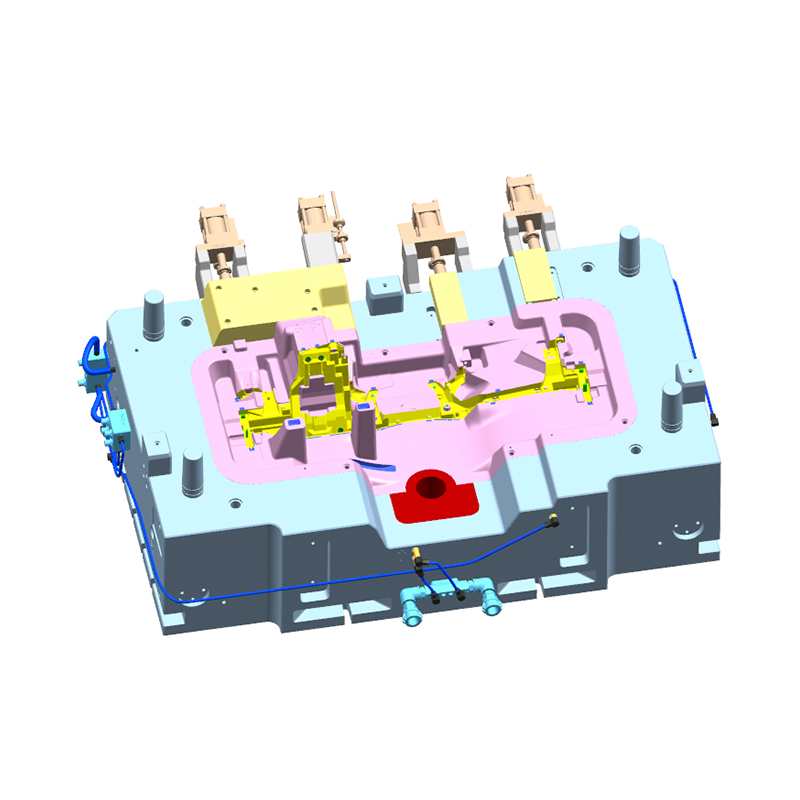




 Wangshan Road, Jiangbei District, Ningbo, Zhejiang, China
  86-135-64796935

 Login
Custom Automotive Aluminum/Zinc Die Casting Molds Manufacturers
Login
Custom Automotive Aluminum/Zinc Die Casting Molds Manufacturers
