
 English
 中文简体
中文简体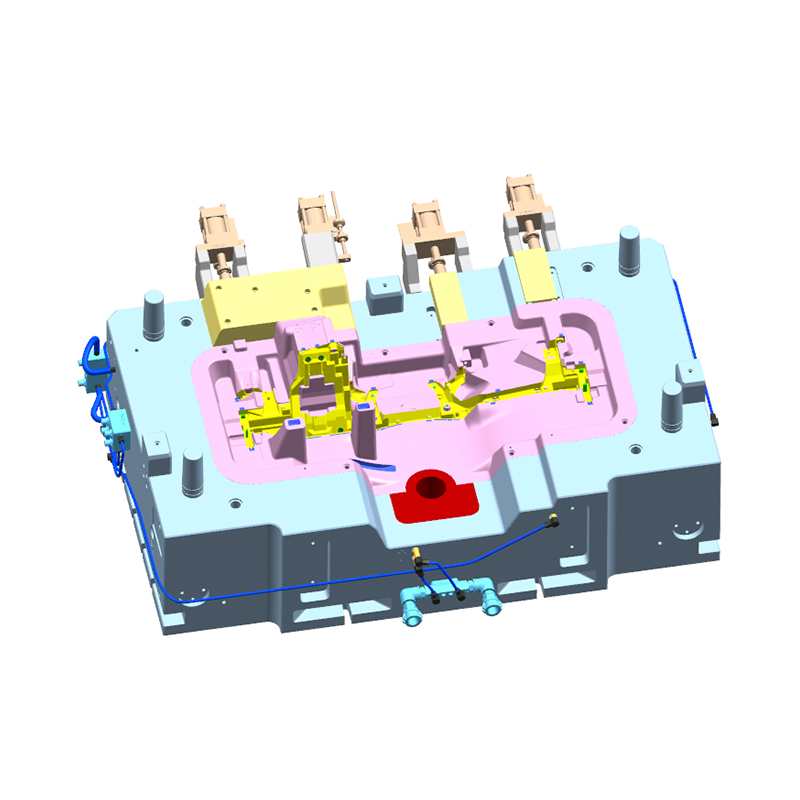



Contact Information
-
 Wangshan Road, Jiangbei District, Ningbo, Zhejiang, China
 -
 86-135-64796935

Get A Quote
Can Magnesium Alloy Die Casting Molds Achieve the Perfect Balance of Strength and Lightweighting?
2026-02-19
Content
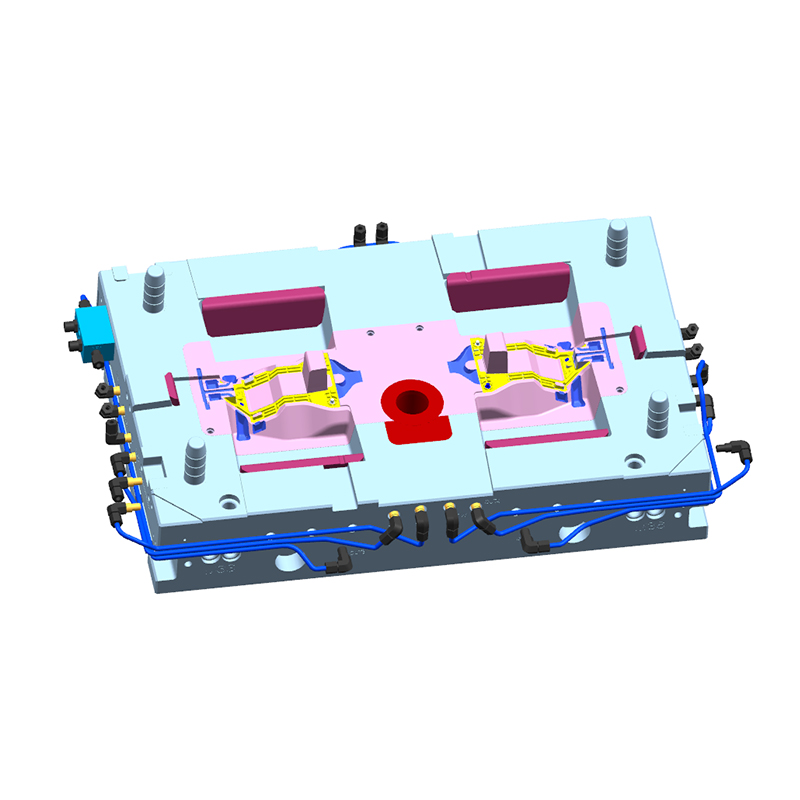
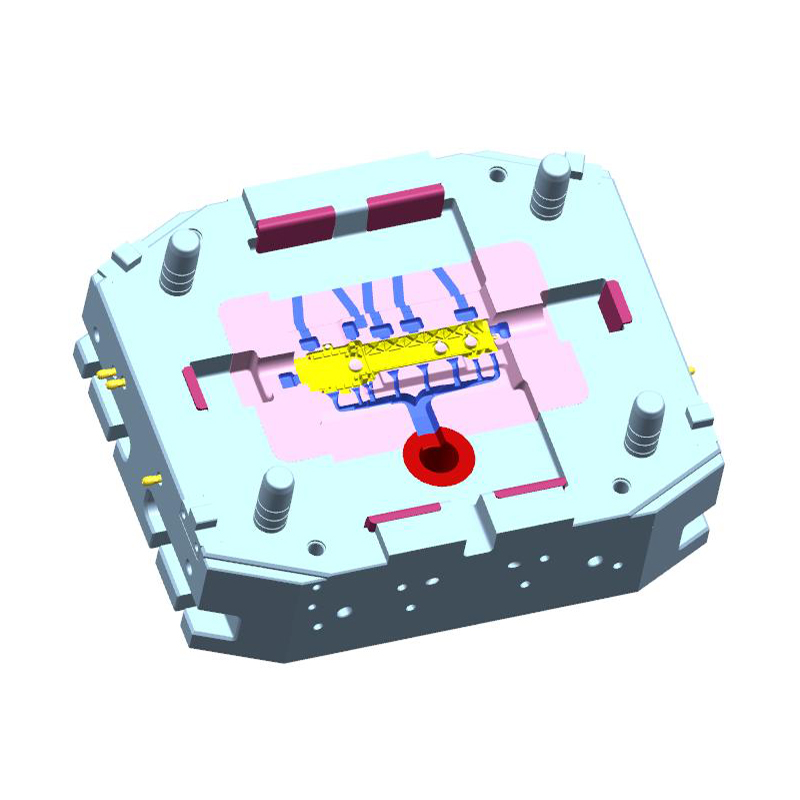
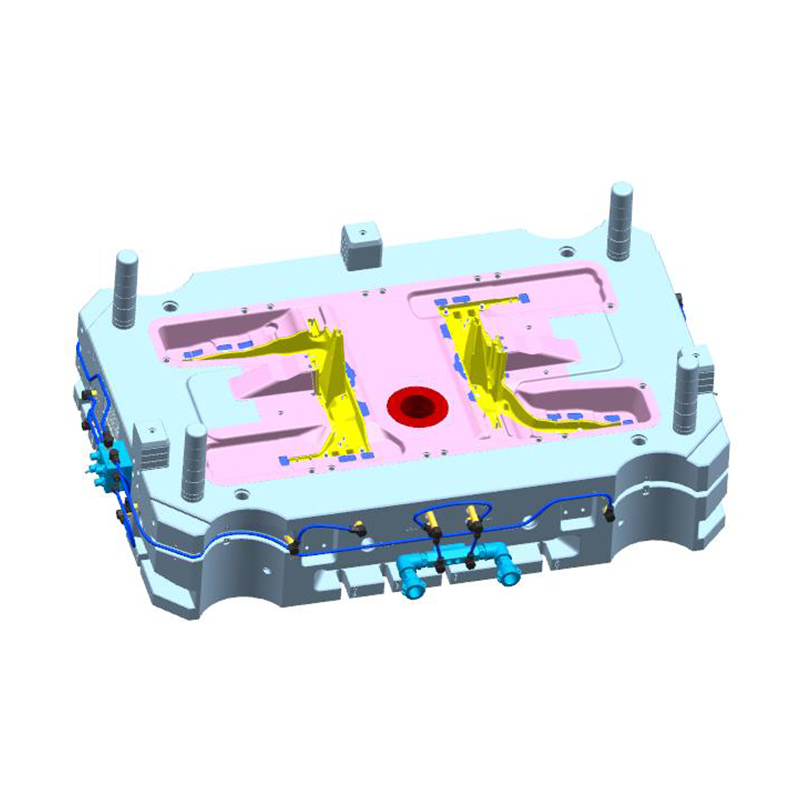
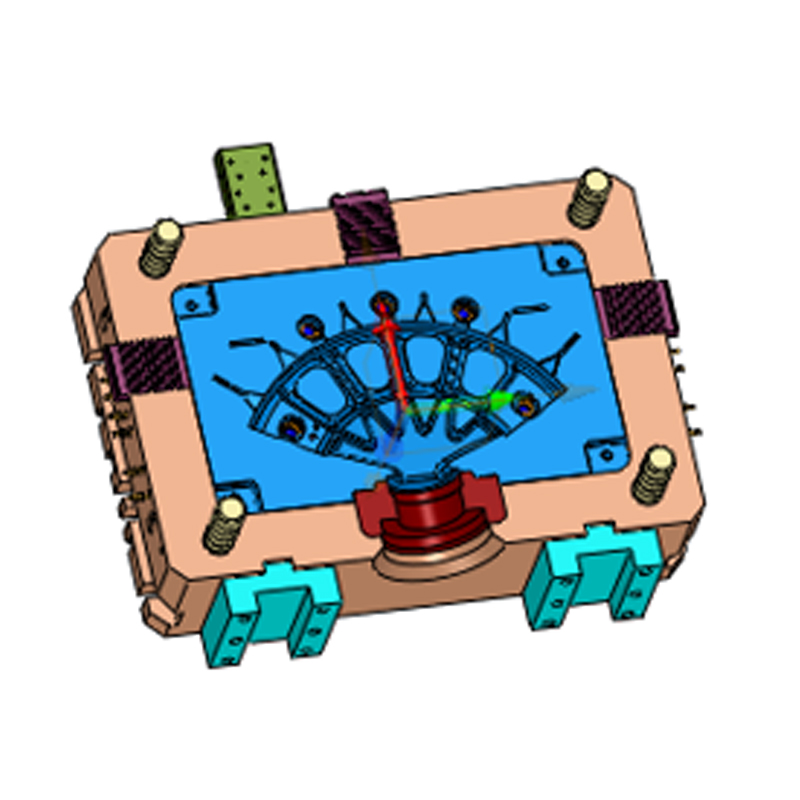
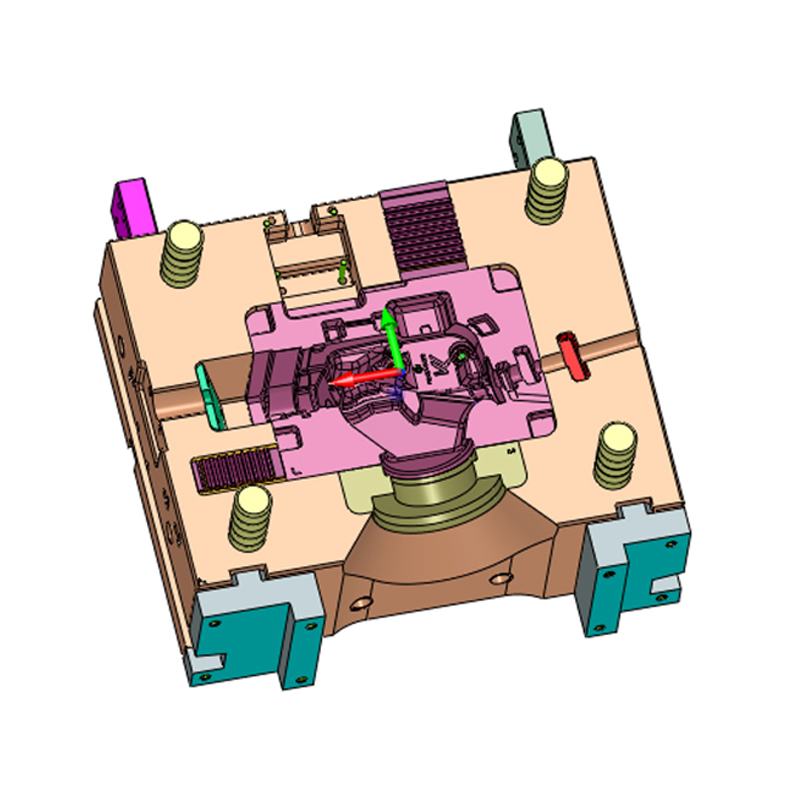
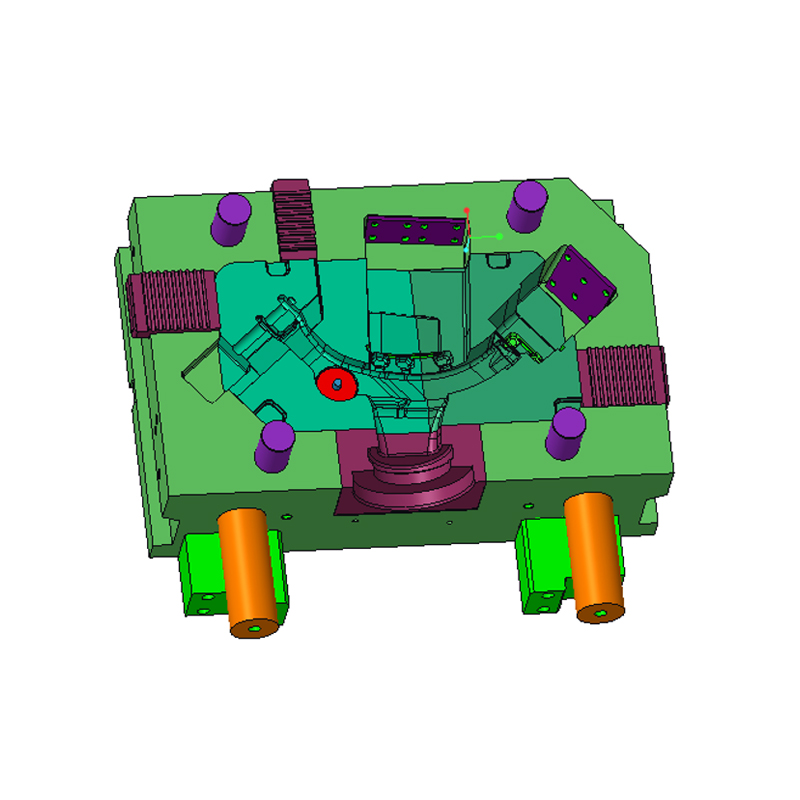
In the current landscape of high-performance engineering, the demand for components that offer both extreme durability and reduced mass has never been higher. The integration of Magnesium alloy Die Casting Molds into the manufacturing cycle has facilitated a significant leap forward, particularly in the production of the Magnesium Alloy Die-Cast Bracket. Designed for both industrial equipment and the automotive field, this bracket leverages the unique properties of magnesium—the lightest structural metal—to meet the stringent requirements of high strength and dimensional accuracy. But how does advanced precision die-casting technology enable the one-piece molding of such complex geometric structures, and why is the specific mold configuration so critical for ensuring mechanical integrity?
The success of the Magnesium Alloy Die-Cast Bracket is rooted in its sophisticated design and the precision of the Magnesium alloy Die Casting Molds used to create it. By achieving one-piece molding, the process eliminates the need for multiple sub-assemblies, thereby reducing potential failure points and improving the overall service life of the equipment. This approach not only helps in energy conservation and emission reduction through weight optimization but also ensures that the final product can withstand the rigorous mechanical demands of modern industrial environments.
The shift toward magnesium in industrial and automotive sectors is driven by a need for performance optimization without the weight penalty of steel or heavier aluminum alloys. Why does the Magnesium Alloy Die-Cast Bracket stand out in today's hardware market?
Magnesium alloys are approximately 33% lighter than aluminum and 75% lighter than steel, yet they offer impressive specific strength.
Weight Reduction: The use of a Magnesium Alloy Die-Cast Bracket significantly reduces the dead weight of industrial machinery and vehicles, directly contributing to lower fuel consumption and reduced carbon emissions.
Vibration Damping: Magnesium possesses superior damping capacity, which helps absorb mechanical vibrations, protecting sensitive internal components and extending the equipment's operational life.
Dimensional Stability: Despite its lightweight nature, magnesium provides stable dimensional control, ensuring that the bracket maintains its precise fit even under fluctuating thermal and mechanical stresses.
Utilizing Magnesium alloy Die Casting Molds allows for the realization of one-piece molding for highly complex geometric structures. This method ensures that the grain structure of the magnesium alloy is uniform throughout the part, which effectively improves overall performance. By removing the need for welding or fasteners, the bracket gains "stronger mechanical properties," as the load is distributed evenly across a single, continuous metallic matrix, preventing the localized stress concentrations that often lead to premature fatigue.
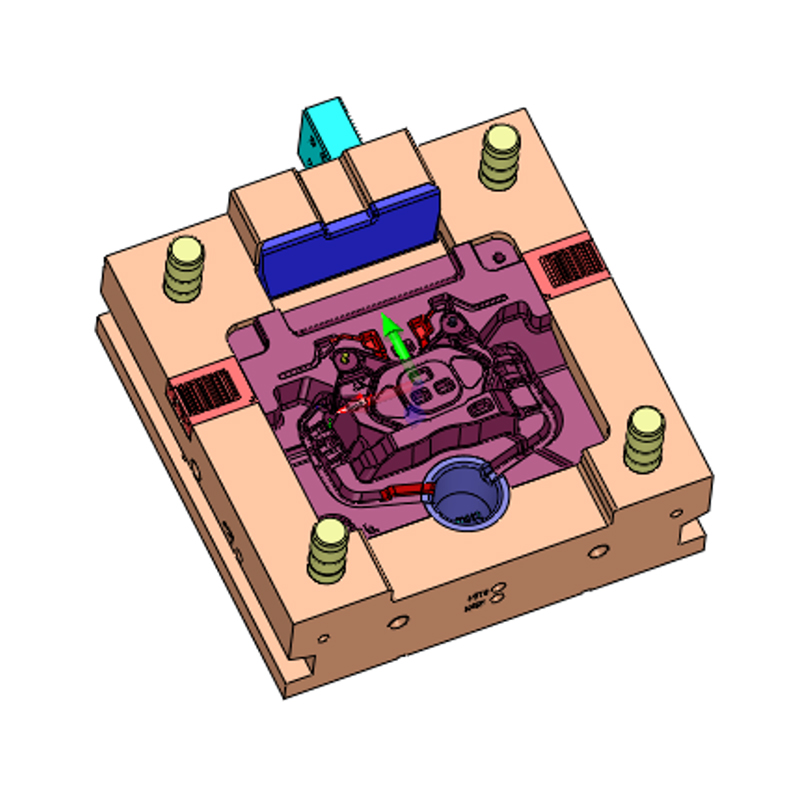
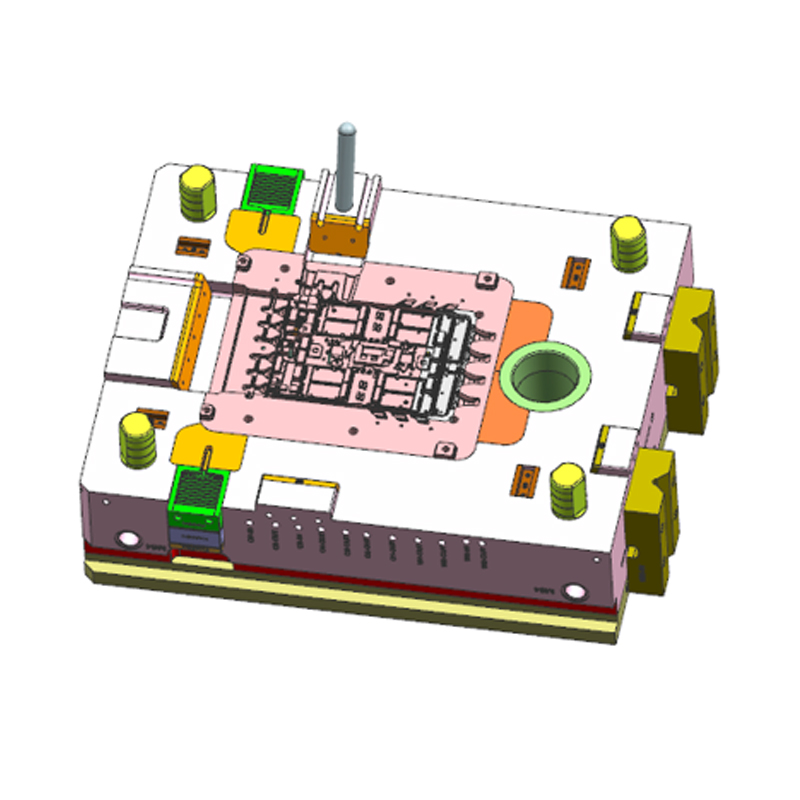
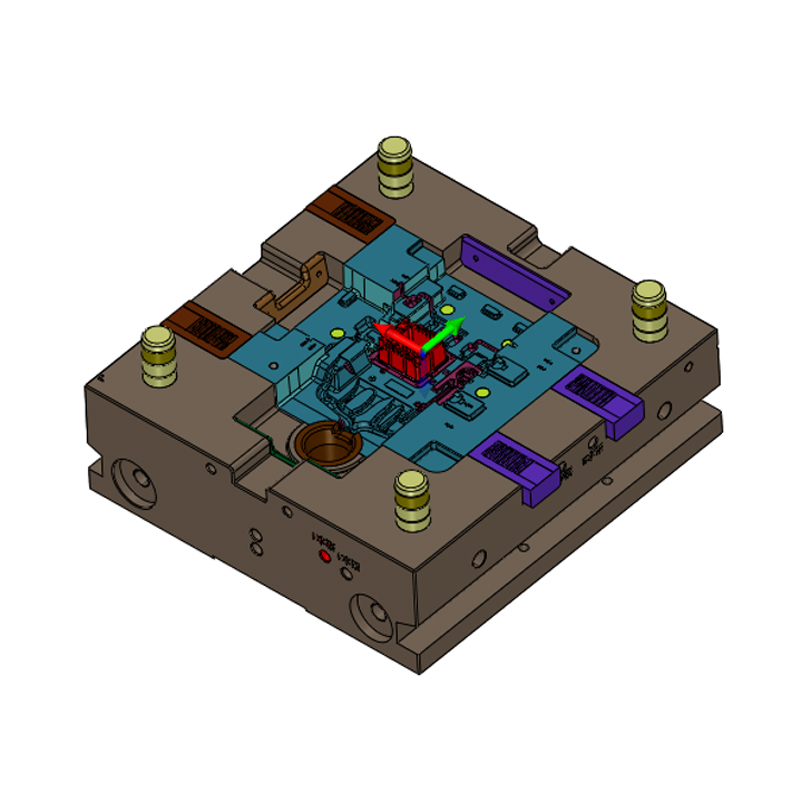
To understand the engineering excellence behind the Magnesium alloy Die Casting Molds, it is necessary to look at the specific dimensions and mold configurations used for the Magnesium Alloy Die-Cast Bracket:
|
Property Category |
Technical Specification / Detail |
|---|---|
|
Primary Keyword |
Magnesium alloy Die Casting Molds |
|
Product Name |
Magnesium Alloy Die-Cast Bracket |
|
Product Dimensions |
368.9 × 107.5 × 79.4 mm |
|
Mold Configuration |
4-Row Mold Design (Multi-directional Demolding) |
|
Cavity Design |
1 × 1 Single-Cavity (Ensures high consistency) |
|
Manufacturing Process |
Advanced Precision Die-Casting (One-piece Molding) |
|
Application Fields |
Automotive Parts & Heavy Industrial Equipment |
|
Key Benefits |
High Strength, Durability, and Energy Conservation |
|
Equipment Compatibility |
Suitable for Large-Tonnage Die-Casting Machines |
The efficiency of a die-casting operation is dictated by the complexity and reliability of the mold. How do the Magnesium alloy Die Casting Molds ensure a high finished product qualification rate for the Magnesium Alloy Die-Cast Bracket?
The Magnesium Alloy Die-Cast Bracket features a product size of 368.9 × 107.5 × 79.4 mm, which includes intricate internal channels and mounting points.
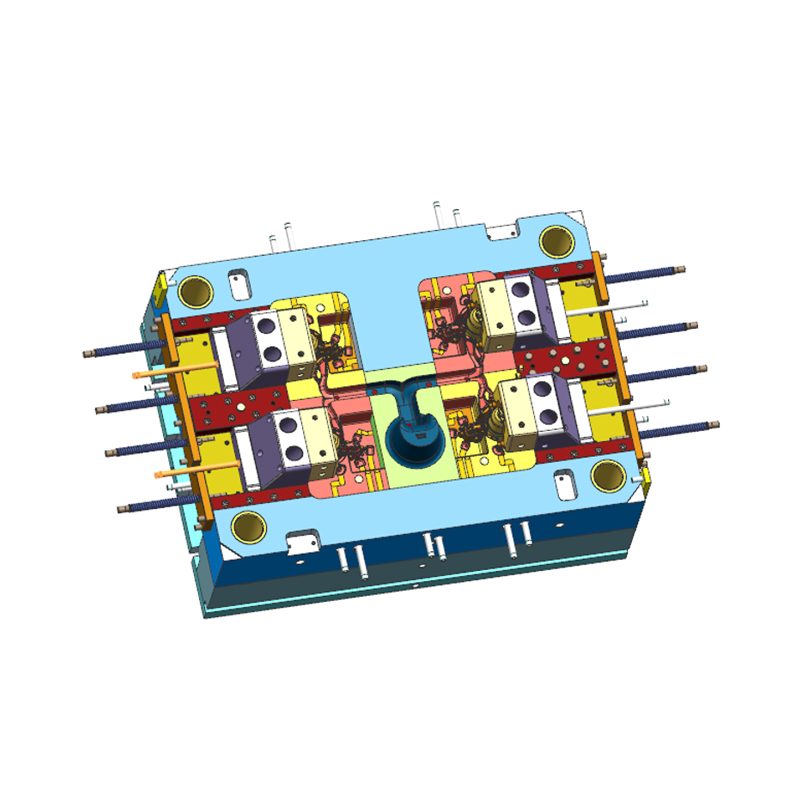
Multi-directional Demolding: The 4-row mold configuration is specifically engineered to support multi-directional demolding. This allows the mold to open along multiple axes, enabling the release of complex undercuts and internal geometries that a standard two-part mold could not handle.
Reduced Cycle Times: By automating the demolding of complex features, the Magnesium alloy Die Casting Molds significantly improve production efficiency, allowing for high-volume output without manual intervention.
Consistency of Each Die-Casting: The product adopts a 1 × 1 single-cavity mold design. This ensures that every bracket produced is an exact replica of the master design, eliminating the slight variations often found in multi-cavity molds.
The mold size is reasonable and suitable for large-tonnage die-casting machines. When casting magnesium at high speeds, the immense pressure of a large-tonnage machine is required to force the molten alloy into the intricate corners of the Magnesium alloy Die Casting Molds. This high-pressure environment ensures that the Magnesium Alloy Die-Cast Bracket has a smooth surface and a dense internal structure, further improving the performance and aesthetics of the product.
Energy efficiency is no longer optional in the industrial sector. How does the implementation of the Magnesium Alloy Die-Cast Bracket help companies meet their green initiatives?
By significantly reducing the weight of the equipment, these brackets decrease the energy required for motion. In the automotive field, this translates to improved battery range for EVs or better fuel economy for traditional engines. In industrial equipment, lighter brackets mean smaller motors can be used to achieve the same mechanical output, reducing electricity consumption. The Magnesium alloy Die Casting Molds are the starting point for this energy-saving cycle, providing the high-precision parts needed to build the next generation of eco-friendly machinery.
In automotive manufacturing, tolerances are measured in microns. Why is the dimensional accuracy of the Magnesium Alloy Die-Cast Bracket so highly valued?
The bracket must meet a variety of assembly requirements across different vehicle platforms. Because the Magnesium alloy Die Casting Molds are designed with stable dimensional control in mind, each part fits perfectly into its designated slot on the assembly line. This high-precision molding eliminates the need for expensive post-casting machining or manual adjustments. Furthermore, the stable nature of magnesium ensures that the bracket will not warp or expand significantly under the thermal loads of an engine bay, maintaining the structural integrity of the entire vehicle assembly over its service life.
The lifespan of an industrial part is a direct result of its manufacturing quality. How does the use of Magnesium alloy Die Casting Molds contribute to the longevity of the Magnesium Alloy Die-Cast Bracket?
Precision die-casting prevents the formation of internal voids and cooling cracks. When the molten magnesium alloy is injected into the Magnesium alloy Die Casting Molds, the heat is dissipated uniformly through the mold's internal cooling channels. This controlled solidification process prevents internal stresses from being "frozen" into the part. Consequently, the Magnesium Alloy Die-Cast Bracket exhibits superior fatigue resistance, allowing it to endure millions of vibration cycles in industrial equipment without failure, effectively improving the overall performance and service life of the machine it supports.
The primary challenge in casting is maintaining strength while increasing complexity. How do Magnesium alloy Die Casting Molds solve this engineering puzzle?
Through the use of advanced simulation software, the flow of metal into the Magnesium alloy Die Casting Molds is optimized to ensure that the thickest and thinnest sections of the Magnesium Alloy Die-Cast Bracket are equally strong. The one-piece molding capability allows for the inclusion of reinforcing ribs and webbing that increase the bracket's stiffness without adding unnecessary weight. This structural optimization ensures that the bracket remains "strong and durable" even when its shape is dictated by tight spatial constraints in an engine or a factory robot.
In mission-critical applications, consistency is more important than raw speed. Why is the 1×1 single-cavity design the best choice for the Magnesium Alloy Die-Cast Bracket?
By focusing the entire pressure of the die-casting machine on a single cavity, manufacturers can ensure a higher level of precision. A single-cavity Magnesium alloy Die Casting Molds setup allows for better control over the thermal gradient and injection speed. This results in a higher "finished product qualification rate," as there are fewer variables to manage. For parts like the Magnesium Alloy Die-Cast Bracket, which must support heavy loads and meet strict safety standards, the single-cavity approach provides the ultimate guarantee of quality and reliability.
Sustainability in manufacturing also involves scalability. Can the Magnesium alloy Die Casting Molds support the needs of large-scale industrial operations?
Yes, the durability of the high-grade tool steel used in Magnesium alloy Die Casting Molds allows for thousands of repeatable cycles. When combined with the production efficiency of the 4-row mold design and multi-directional demolding, the process becomes highly scalable. This supports the global push for performance optimization and emission reduction, providing the industrial and automotive fields with a steady supply of high-strength, lightweight Magnesium Alloy Die-Cast Brackets that are ready for immediate assembly.
Wangshan Road, Jiangbei District, Ningbo, Zhejiang, China
86-135-64796935
Copyright © Ningbo NKT Tooling Co., Ltd. All Rights Reserved.
 Login
Custom Automotive Aluminum/Zinc Die Casting Molds Manufacturers
Login
Custom Automotive Aluminum/Zinc Die Casting Molds Manufacturers
