
 English
 中文简体
中文简体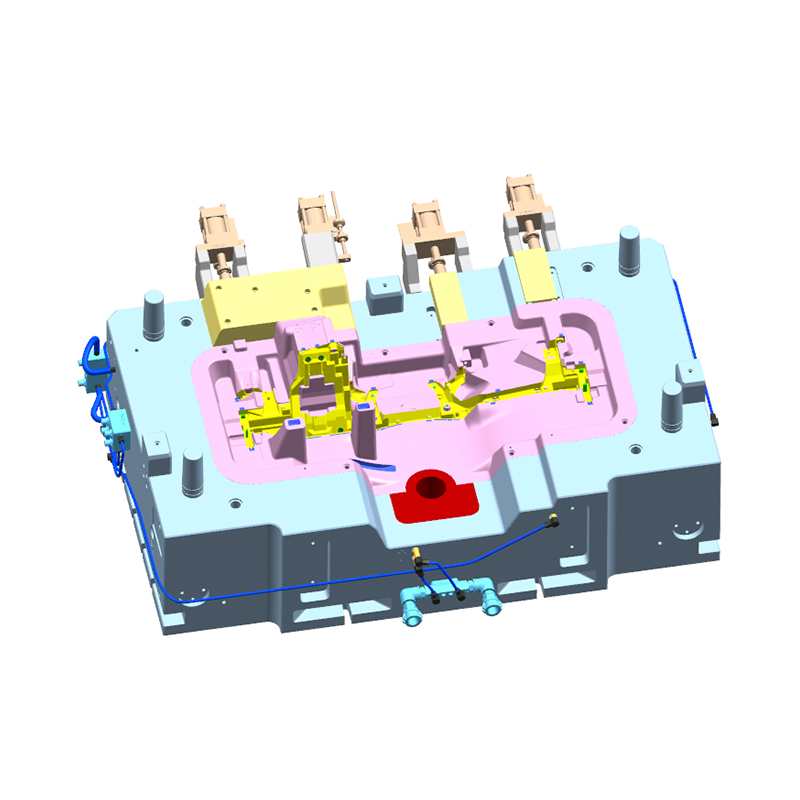



Contact Information
-
 Wangshan Road, Jiangbei District, Ningbo, Zhejiang, China
 -
 86-135-64796935

Get A Quote
Can Die Casting Molds for Battery Series Redefine the Strength of Electric Vehicle Components?
2026-02-12
Content
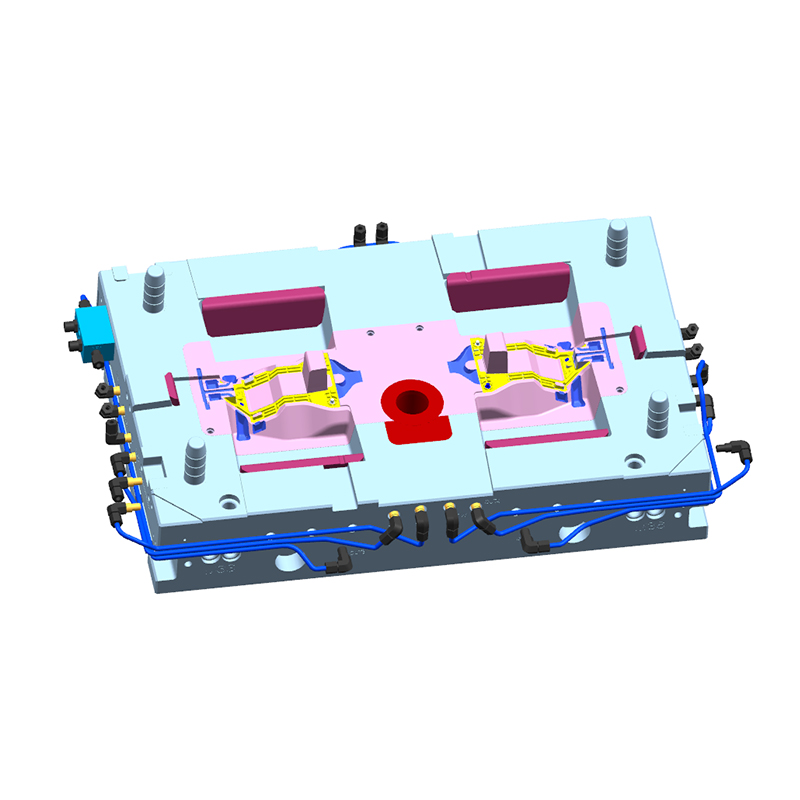
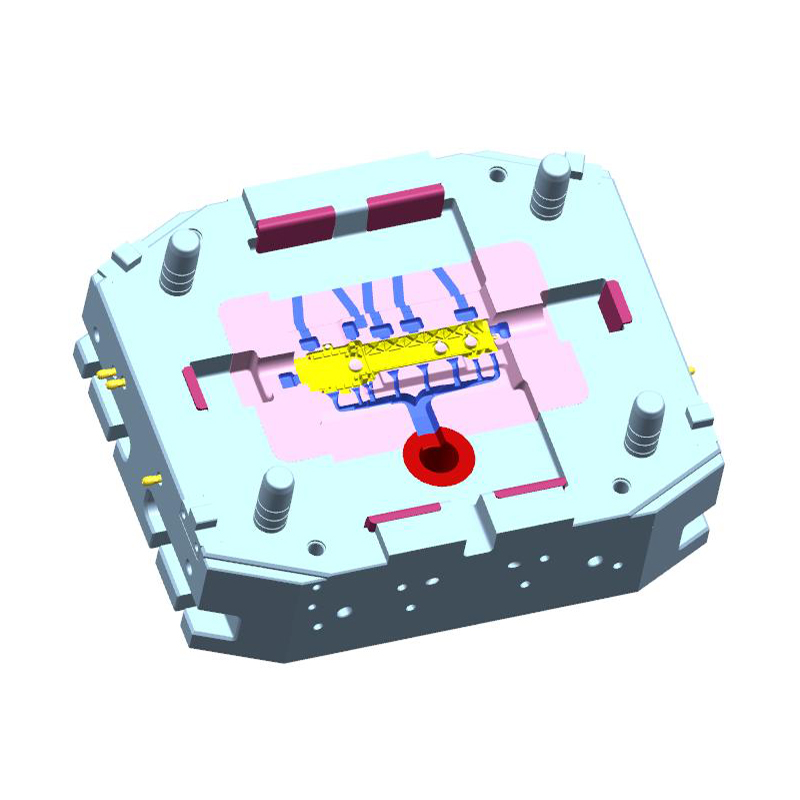
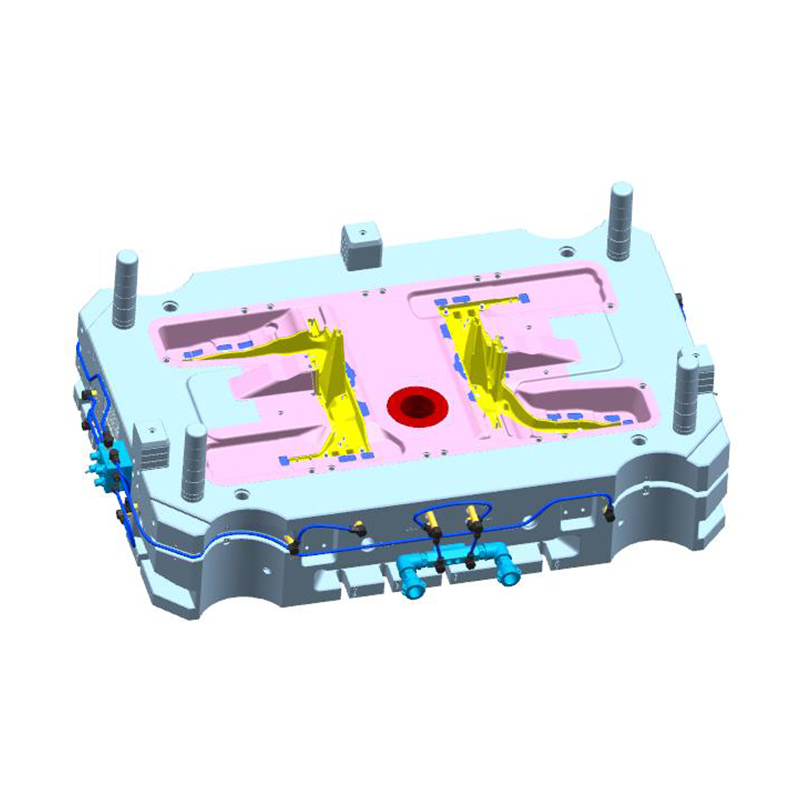
The rapid evolution of energy storage systems has placed immense pressure on the structural integrity of battery housing components. At the center of this technological shift is the Die Casting Molds for Battery series, a specialized engineering solution designed to produce high-precision parts such as the Aluminum Alloy Extrusion Casting Battery Compartment Plate. Utilizing the advanced A356-T6 aluminum alloy, these plates are becoming the benchmark for safety and efficiency in high-capacity battery systems. But how exactly does the combination of premium alloy materials and extrusion casting processes ensure the long-term stability of the product in harsh environments, and why is high-precision molding the key to next-generation battery protection?
The success of the Aluminum Alloy Extrusion Casting Battery Compartment Plate lies in its ability to manage extreme mechanical stress while facilitating thermal regulation. By employing the Die Casting Molds for Battery series, manufacturers can achieve a level of structural density and dimensional accuracy that was previously unattainable with traditional sand casting or simple stamping. These molds are engineered to withstand the high pressures of the extrusion casting process, ensuring that every compartment plate produced meets the rigorous safety standards required for modern industrial and automotive battery applications.
The choice of material is the foundation of any high-performance component. Why does the Aluminum Alloy Extrusion Casting Battery Compartment Plate rely specifically on A356-T6, and what benefits does this offer over other aluminum grades?
A356-T6 is an aluminum-silicon alloy that undergoes a specific T6 heat treatment (solution heat treatment followed by artificial aging). This metallurgical process:
Enhances Structural Hardness: The T6 treatment significantly increases the yield strength, making the Aluminum Alloy Extrusion Casting Battery Compartment Plate capable of withstanding heavy impact and internal pressures.
Optimizes Compression Resistance: This ensures the long-term stability of the product in harsh environments where mechanical vibrations and structural loads are constant, preventing any deformation that could compromise the battery cells.
Improves Fatigue Life: The refined grain structure provided by the A356 alloy ensures that the plate does not develop micro-cracks over thousands of operational cycles, maintaining its integrity throughout the battery's service life.
Thermal management is perhaps the most critical factor in battery longevity. The Aluminum Alloy Extrusion Casting Battery Compartment Plate acts as a massive heat sink. Its excellent thermal conductivity helps to dissipate the heat generated by the battery in time, preventing localized hot spots. By effectively moving thermal energy away from the cells, the plate helps prevent overheating, ensuring the efficient operation of the battery system and significantly extending the overall service life of the energy storage unit.
To understand why the Die Casting Molds for Battery series is essential for high-quality production, one must look at the physical and technical properties of the resulting compartment plate. Below is a concise breakdown:
|
Property Category |
Technical Specification / Detail |
|---|---|
|
Primary Keyword |
Die Casting Molds for Battery series |
|
Product Name |
Aluminum Alloy Extrusion Casting Battery Compartment Plate |
|
Material Grade |
A356-T6 High-Strength Aluminum Alloy |
|
Manufacturing Process |
High-Precision Extrusion Casting (Squeeze Casting) |
|
Surface Quality |
High-Precision Smooth Surface (Low Roughness) |
|
Internal Structure |
Uniform, Dense, and Porosity-Free Matrix |
|
Key Performance |
Extremely High Hardness & Superior Compression Resistance |
|
Thermal Property |
High Thermal Conductivity for Efficient Heat Dissipation |
|
Dimensional Tolerance |
Consistent Size with High-Precision Mold Control |
Extrusion casting, often referred to as squeeze casting, is a hybrid process that combines the best of forging and die casting. How does this specific process, facilitated by Die Casting Molds for Battery series, enhance the Aluminum Alloy Extrusion Casting Battery Compartment Plate?
During the extrusion casting process, the molten A356-T6 alloy is solidified under high pressure within the Die Casting Molds for Battery series. This pressure:
Eliminates Gas Porosity: Unlike standard gravity casting, the pressure forces out air and gases, resulting in a completely dense and uniform internal structure.
Refines Dendritic Structure: The rapid cooling under pressure creates a finer grain structure, which is the primary reason the plate exhibits such high compression resistance.
Ensures Structural Homogeneity: Every part of the Aluminum Alloy Extrusion Casting Battery Compartment Plate has consistent mechanical properties, meaning there are no "weak spots" that could fail under extreme stress.
The high-precision extrusion casting process makes each battery compartment plate have a consistent size. For large battery packs that require multiple plates to be stacked or aligned, dimensional accuracy is paramount.
Smooth Surface: The precision of the Die Casting Molds for Battery series results in a smooth surface that requires minimal secondary machining, reducing manufacturing costs and improving the aesthetics of the finished assembly.
Tight Tolerances: Consistency ensures that gaskets and seals fit perfectly, which is essential for maintaining a waterproof and dustproof environment for the battery cells.
Battery systems are often exposed to extreme cold, intense heat, and corrosive environments. How does the engineering of the Die Casting Molds for Battery series prepare the Aluminum Alloy Extrusion Casting Battery Compartment Plate for these conditions?
The mold design incorporates advanced cooling channels and high-strength tool steel that allows for a repeatable, high-stress casting cycle. The resulting Aluminum Alloy Extrusion Casting Battery Compartment Plate is inherently resistant to environmental degradation. A356-T6 aluminum naturally forms a protective oxide layer, but the dense, non-porous surface provided by the extrusion casting process further prevents corrosive agents from penetrating the metal. This ensures that even in saline or high-humidity environments, the compartment plate maintains its high hardness and structural integrity.
If a battery system cannot shed heat, its internal chemistry degrades rapidly. How does the Aluminum Alloy Extrusion Casting Battery Compartment Plate specifically address this challenge?
The plate is often designed with integrated cooling fins or flat surfaces that interface directly with thermal interface materials (TIMs). Because the Die Casting Molds for Battery series allows for complex geometries, the surface area of the Aluminum Alloy Extrusion Casting Battery Compartment Plate can be optimized for maximum thermal exchange. This efficient operation prevents the "thermal runaway" phenomenon, protecting the battery from permanent damage and ensuring that the energy storage system operates at peak efficiency for a much longer duration than systems using steel or plastic housings.
In the world of high-voltage electronics, even a millimeter of misalignment can cause significant issues. Why is the precision of the Die Casting Molds for Battery series so vital to the final output?
High-precision molds ensure that every Aluminum Alloy Extrusion Casting Battery Compartment Plate is a perfect replica of the digital design. This precision:
Reduces Weight: By allowing for thinner walls without sacrificing strength, the mold design helps reduce the overall weight of the battery pack, which is critical for mobile applications.
Improves Electrical Isolation: Smooth, consistent surfaces prevent sharp burrs or edges that could potentially pierce insulation or cause electrical arcing within the compartment.
Enhances Flow Dynamics: For liquid-cooled systems, the precision of the mold ensures that internal channels are clear and uniform, providing consistent flow rates and predictable cooling performance across the entire plate.
Modern batteries are often "structural," meaning they contribute to the stiffness of the overall machine or vehicle. How does the Aluminum Alloy Extrusion Casting Battery Compartment Plate support this role?
Beyond just holding cells, the plate must act as a structural member. The high hardness and compression resistance of the A356-T6 material, combined with the dense structure from the Die Casting Molds for Battery series, allows these plates to absorb and distribute mechanical loads. In the event of an external impact, the compartment plate deforms in a controlled manner, absorbing energy and protecting the volatile battery chemistry inside. This protective shell is a primary safety feature that prevents fires and leaks in high-risk environments.
Internal voids or "shrinkage" are the enemies of high-pressure components. How does the extrusion process within the Die Casting Molds for Battery series solve this common casting problem?
In traditional casting, as metal cools, it shrinks, often leaving small holes or "porosity" in the center of the part. However, in the extrusion casting of the Aluminum Alloy Extrusion Casting Battery Compartment Plate, a piston or plunger continues to apply pressure while the metal solidifies. This "feeds" the shrinkage, forcing molten metal into every micro-gap. The result is a uniform internal structure that is visible under X-ray or ultrasonic testing as a solid, flawless matrix. This reliability is why extrusion-casted parts are preferred for mission-critical battery applications where failure is not an option.
Not all batteries are the same, and neither are their housings. How does the Die Casting Molds for Battery series accommodate different power requirements?
The molding technology is highly adaptable, allowing for the creation of plates with different thicknesses, hole patterns, and thermal fins. Whether the application is for a high-output stationary power grid or a compact high-density mobile unit, the Die Casting Molds for Battery series can be tailored to produce a Aluminum Alloy Extrusion Casting Battery Compartment Plate that fits the specific spatial and thermal constraints of the project. This flexibility ensures that manufacturers can iterate designs quickly and bring high-performance battery systems to market with confidence in their structural and thermal foundations.
Wangshan Road, Jiangbei District, Ningbo, Zhejiang, China
86-135-64796935
Copyright © Ningbo NKT Tooling Co., Ltd. All Rights Reserved.
 Login
Custom Automotive Aluminum/Zinc Die Casting Molds Manufacturers
Login
Custom Automotive Aluminum/Zinc Die Casting Molds Manufacturers
