
 English
 中文简体
中文简体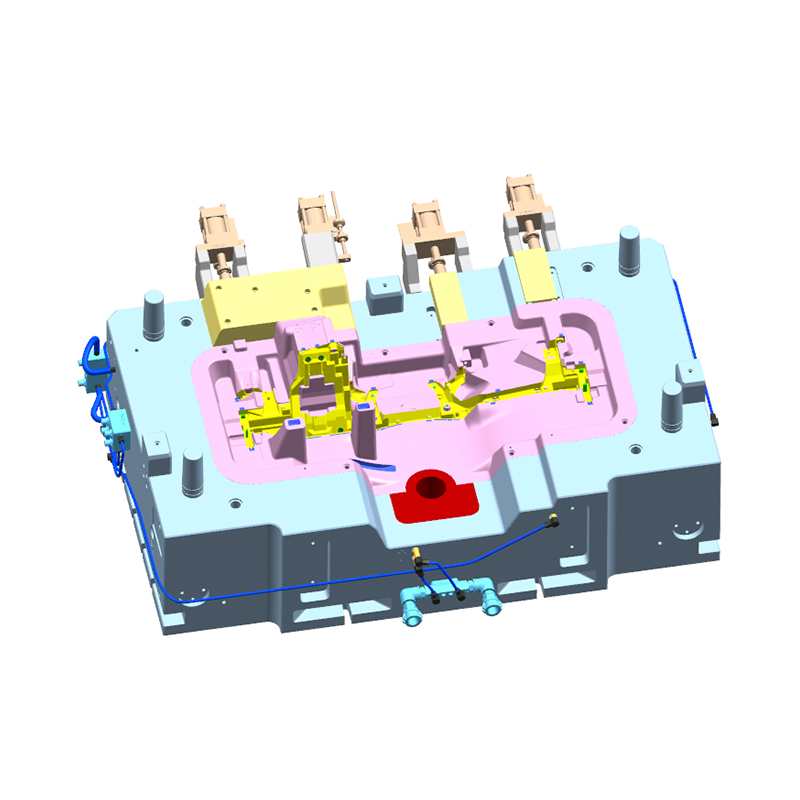



Contact Information
-
 Wangshan Road, Jiangbei District, Ningbo, Zhejiang, China
 -
 86-135-64796935

Get A Quote
How do Precision Aluminum Alloy Die Casting Molds Enhance the Safety of Airbag Seats?
2026-02-05
Content
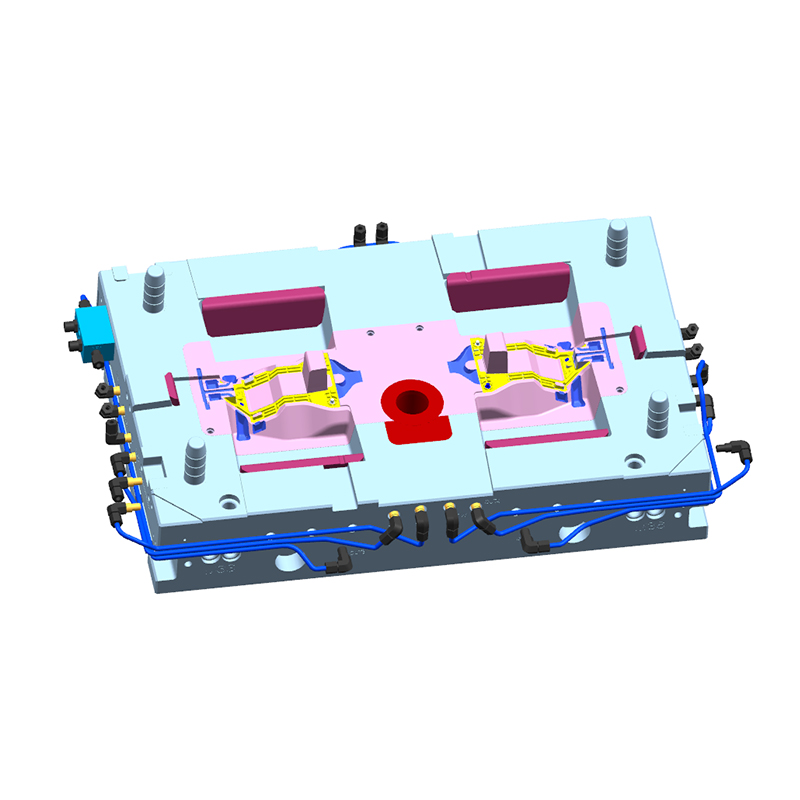
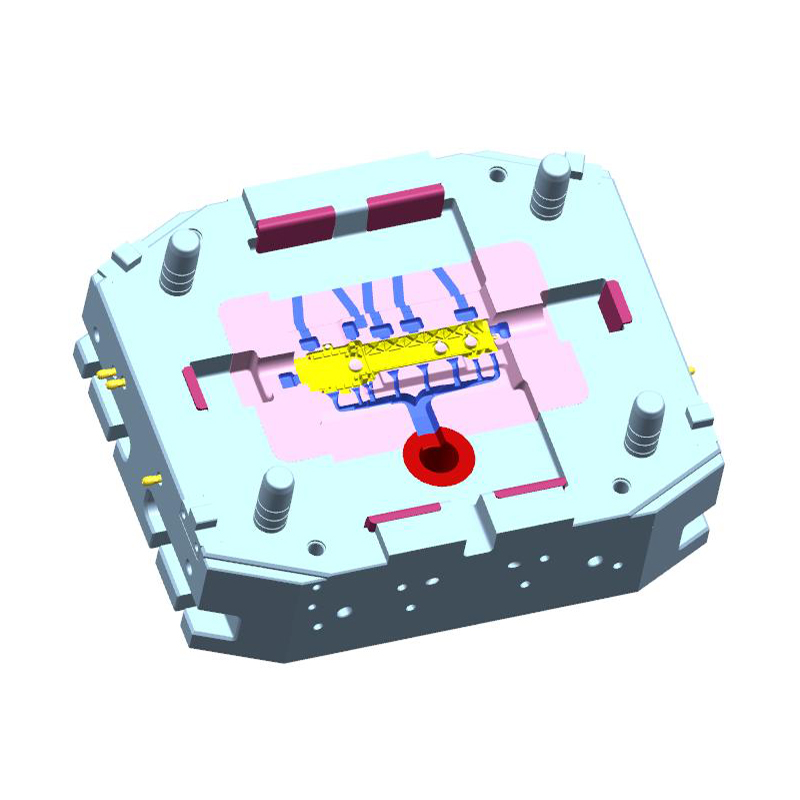
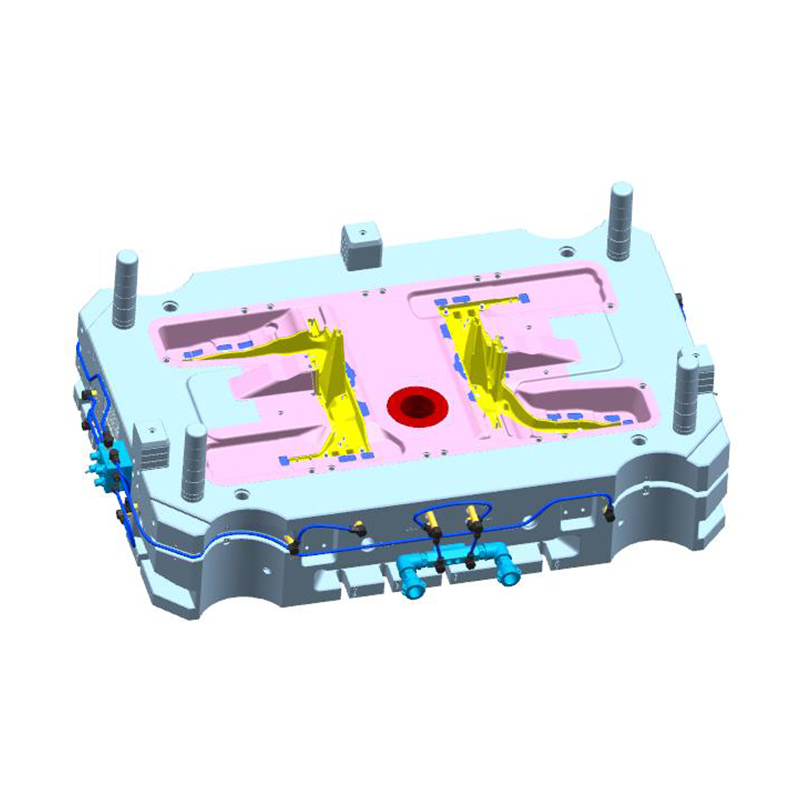
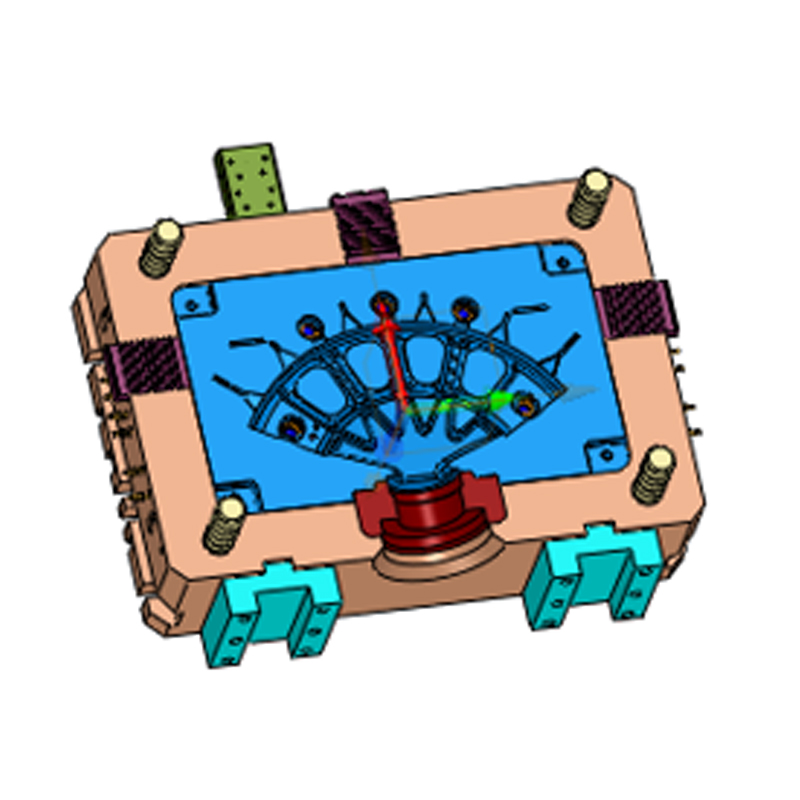
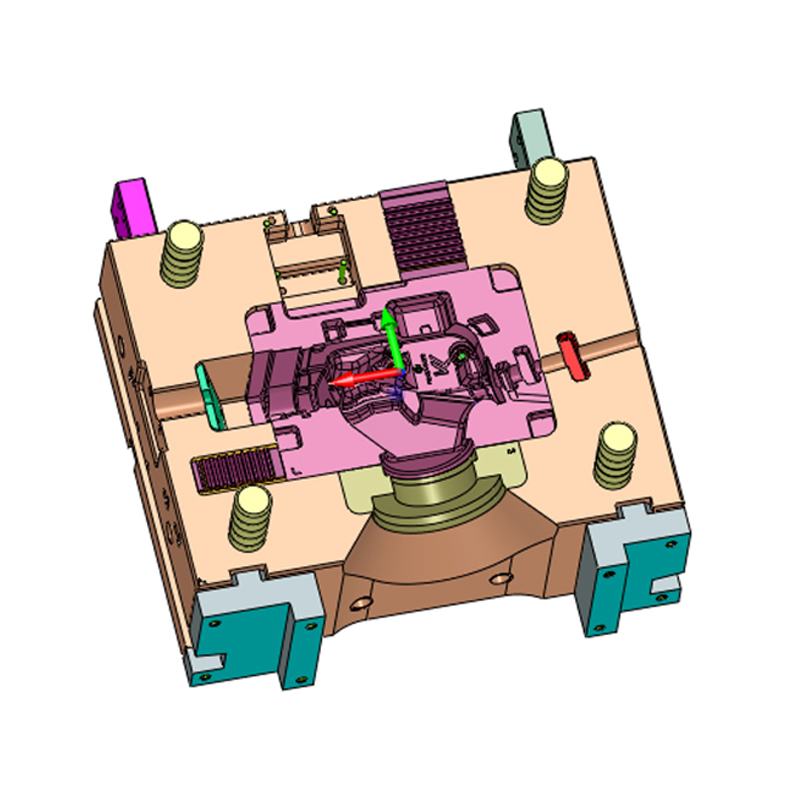
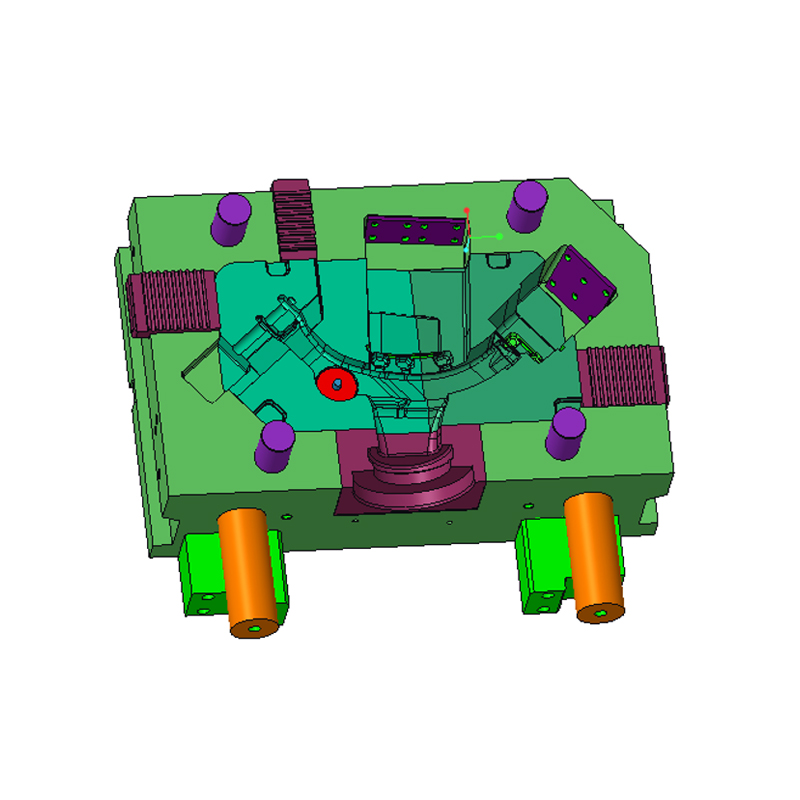
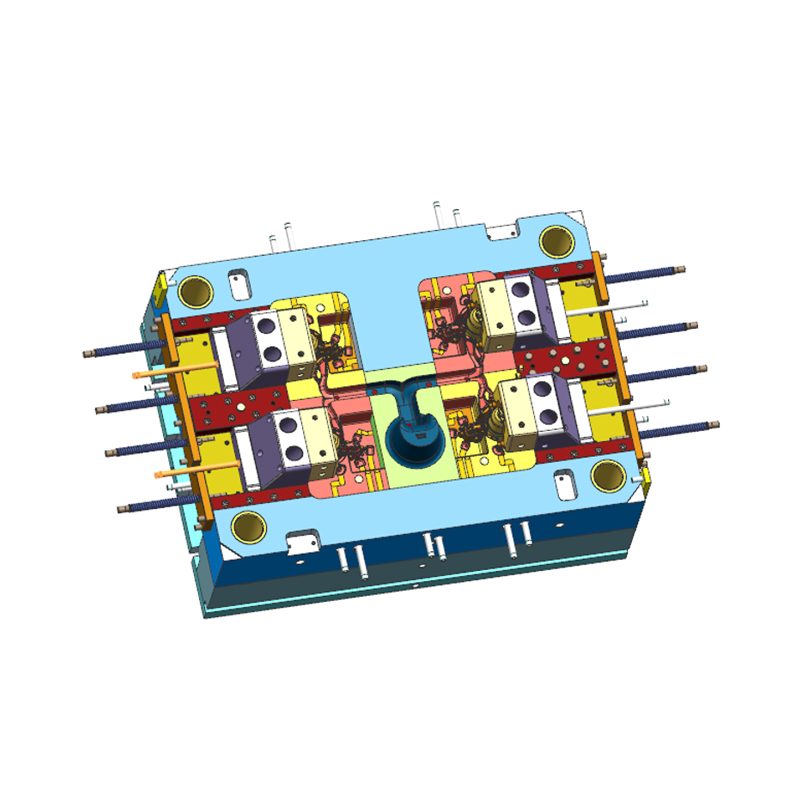
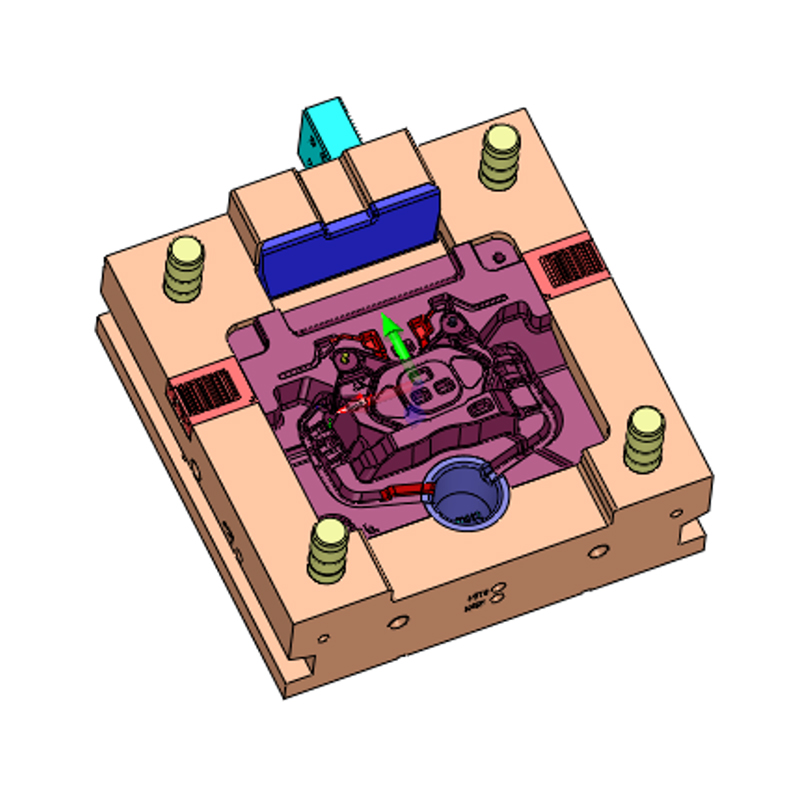
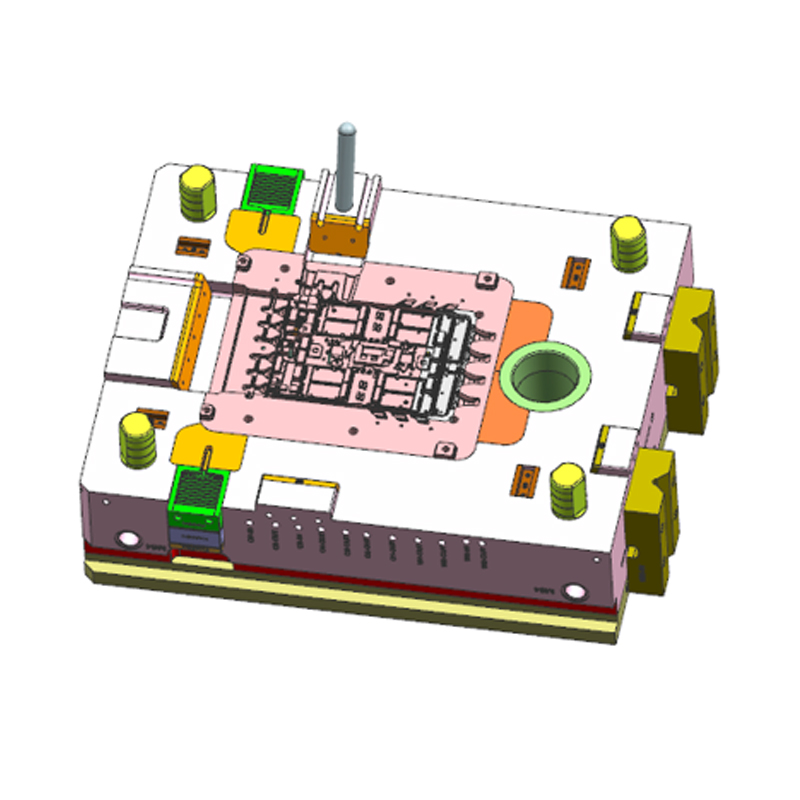
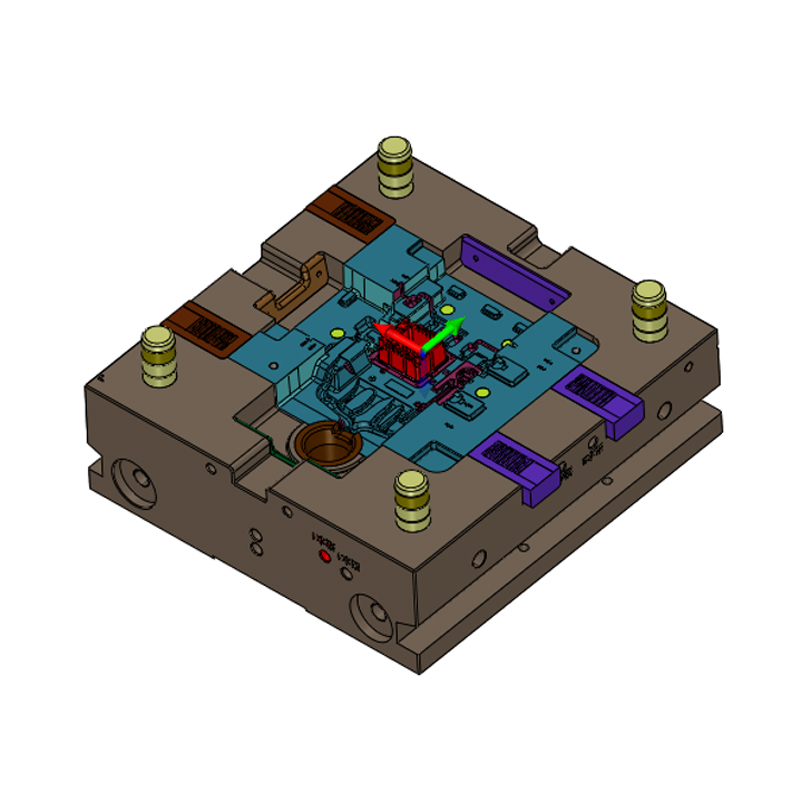
In the precision-driven world of automotive safety component manufacturing, the role of Aluminum alloy Die Casting Molds is foundational. The production of an Aluminum Alloy Die-Cast Airbag Seat requires a level of engineering rigor that leaves zero room for error. These components are designed specifically for the production of small and medium-sized automobile airbag seats, demanding a combination of high precision and high strength. As a critical anchor point in the vehicle’s safety system, the quality of the die-casting mold directly determines the reliability of the airbag deployment environment.
The effectiveness of an Aluminum Alloy Die-Cast Airbag Seat during a high-speed collision depends entirely on its structural integrity and its ability to fit perfectly within the vehicle's frame.
How does the mold design facilitate high precision? The engineering of Aluminum alloy Die Casting Molds for airbag seats focuses on minimizing thermal expansion and ensuring consistent cooling rates. With a specified mold size of 950mm × 750mm × 970mm, these tools are optimized for parts of moderate size. This precise footprint allows for the optimal arrangement of cooling channels, which prevents warping and ensures that the finished Aluminum Alloy Die-Cast Airbag Seat maintains strict tolerances. Accurate dimensions are not just a manufacturing preference; they are a prerequisite for the airbag seat to perform its load-bearing duties under extreme stress.
Can these molds handle complex geometries? Modern Aluminum alloy Die Casting Molds utilize advanced CNC machining and EDM (Electrical Discharge Machining) to create intricate internal cavities. This is essential for the Aluminum Alloy Die-Cast Airbag Seat, which often features complex ribbing and attachment points to maximize strength while minimizing weight. The precision of the mold ensures that these thin-walled sections are cast without defects, providing the necessary strength-to-weight ratio required for modern automotive safety standards.
The casting process involves injecting molten aluminum into the mold at high velocities and pressures. The equipment and the mold must withstand immense force.
Why is the 1250T mold tonnage a key specification? Using a 1250T mold tonnage ensures that the Aluminum alloy Die Casting Molds remain tightly sealed during the high-pressure injection phase. This high clamping force is vital to prevent "flash" (excess material leaking between mold halves) and to ensure the metal is packed densely into every corner of the cavity. For an Aluminum Alloy Die-Cast Airbag Seat, this density translates directly into reliable strength and durability. The 1250T rating ensures that the resulting casting is free from internal porosity, which is the primary cause of structural failure in safety-critical parts.
How does high-pressure casting ensure load-bearing capacity? When the molten alloy is forced into the Aluminum alloy Die Casting Molds under the power of a 1250T machine, it undergoes a rapid solidification process that creates a fine-grained molecular structure. This structure is what gives the Aluminum Alloy Die-Cast Airbag Seat its "excellent load-bearing capacity." During a collision, the airbag seat must withstand the explosive force of the airbag deployment and the subsequent weight of the occupant; the high-pressure environment created by the mold and machine makes this possible.
|
Technical Parameter |
Specification Value |
Production Advantage |
|---|---|---|
|
Mold Type |
Aluminum alloy Die Casting Molds |
High thermal conductivity and durability |
|
Product Application |
Aluminum Alloy Die-Cast Airbag Seat |
Safety-critical automotive housing |
|
Mold Dimensions |
950mm × 750mm × 970mm |
Optimized for medium-sized parts |
|
Machine Tonnage |
1250T |
Ensures high density and zero porosity |
|
Material Capability |
High-Strength Aluminum Alloy |
Exceptional weight-to-strength ratio |
|
Accuracy Grade |
Precision Tolerance |
High-speed assembly compatibility |
|
Component Focus |
Load-bearing Airbag Supports |
Reliable performance in collisions |
The interaction between the mold steel and the aluminum alloy is a study in thermal management and material science.
Which materials are used for high-performance Aluminum alloy Die Casting Molds? To produce a high-quality Aluminum Alloy Die-Cast Airbag Seat, the molds must be constructed from high-grade hot-work tool steels (such as H13). These materials are chosen for their ability to resist thermal fatigue and "soldering," where the molten aluminum sticks to the mold surface. By maintaining a clean surface, the Aluminum alloy Die Casting Molds produce seats with a smooth finish and accurate dimensions over thousands of cycles, ensuring long-term production efficiency.
Why is aluminum alloy preferred for the airbag seat? The choice of aluminum for the Aluminum Alloy Die-Cast Airbag Seat is driven by the need for a material that is both lightweight and capable of absorbing energy. Through the use of precision Aluminum alloy Die Casting Molds, manufacturers can produce seats that meet the "high strength" requirements of the automotive industry while contributing to overall vehicle fuel efficiency by reducing mass.
In the competitive automotive manufacturing sector, the speed of production is nearly as important as the quality of the part.
How does the mold size of 950mm × 750mm × 970mm maximize output? The specific dimensions of 950mm × 750mm × 970mm are strategically chosen to balance the complexity of the part with the cycle time of the machine. These Aluminum alloy Die Casting Molds are large enough to include sophisticated sliding cores and ejection systems, yet compact enough to allow for rapid heating and cooling cycles. This "moderate size" ensures that the Aluminum Alloy Die-Cast Airbag Seat can be produced in high volumes without sacrificing the accuracy of the dimensions.
Can automated systems be integrated with these molds? Yes, modern Aluminum alloy Die Casting Molds are designed for fully automated production environments. Sensors within the mold track temperature and pressure in real-time, ensuring that every Aluminum Alloy Die-Cast Airbag Seat produced meets the same exacting standards. Automated sprayers apply release agents to the mold surfaces between cycles, maintaining the quality of the finish and extending the life of the mold.
Manufacturing a safety component involves overcoming several physical and mechanical hurdles.
How is air entrapment prevented in the airbag seat? Air entrapment can lead to weak spots in a casting. The design of Aluminum alloy Die Casting Molds incorporates vacuum-assisted venting systems. As the molten metal enters, the air is extracted, ensuring that the Aluminum Alloy Die-Cast Airbag Seat is "solid" throughout. This technical detail is vital for ensuring the "excellent load-bearing capacity" required by safety inspectors.
How does dimensional stability affect the assembly process? If an Aluminum Alloy Die-Cast Airbag Seat is even a fraction of a millimeter out of alignment, it can fail to interface correctly with the airbag module or the car seat frame. The rigid construction of Aluminum alloy Die Casting Molds prevents mold deflection during the injection process. This stability ensures that every bolt hole and mounting surface is perfectly positioned, facilitating a seamless assembly process in the automotive factory.
The life of an automotive part involves years of vibrations, temperature fluctuations, and potential mechanical stress.
How does the die-casting process contribute to long-term durability? By using high-tonnage machines and precision Aluminum alloy Die Casting Molds, the metal is forced into a shape that has very few internal stresses. This means the Aluminum Alloy Die-Cast Airbag Seat will not crack or deform over time. The durability of the part is a direct reflection of the quality of the mold in which it was formed.
Why must the airbag seat withstand high impact? In the event of a collision, the Aluminum Alloy Die-Cast Airbag Seat is the last line of defense for the airbag module. It must stay intact while under massive load. The "high strength" achieved through the combination of premium alloys and optimized Aluminum alloy Die Casting Molds ensures that the safety system remains functional exactly when it is needed most.
Wangshan Road, Jiangbei District, Ningbo, Zhejiang, China
86-135-64796935
Copyright © Ningbo NKT Tooling Co., Ltd. All Rights Reserved.
 Login
Custom Automotive Aluminum/Zinc Die Casting Molds Manufacturers
Login
Custom Automotive Aluminum/Zinc Die Casting Molds Manufacturers
