
 English
 中文简体
中文简体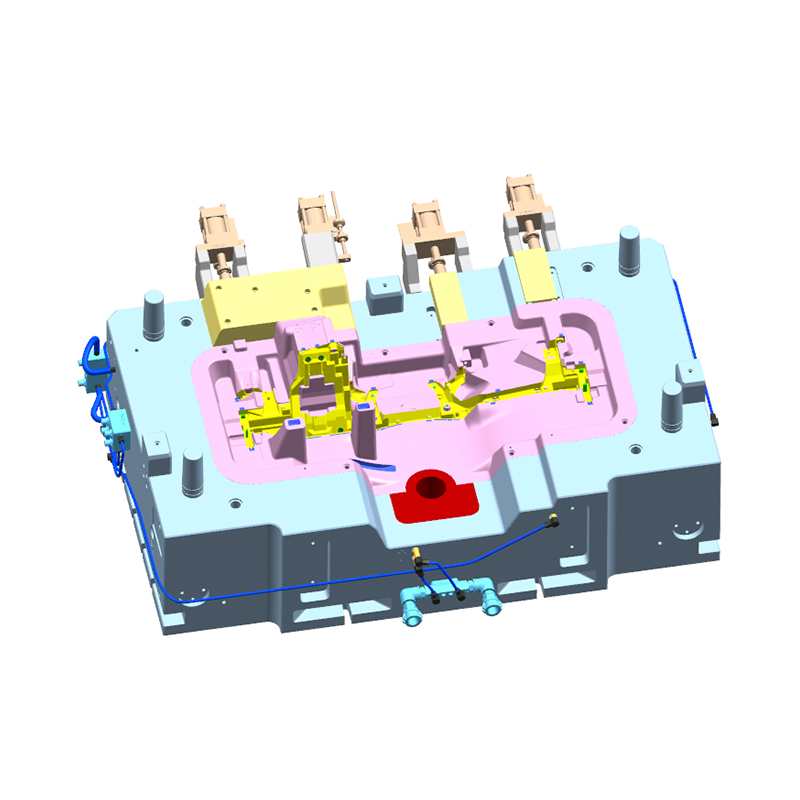




Contact Information
-
 Wangshan Road, Jiangbei District, Ningbo, Zhejiang, China
 -
 86-135-64796935

Get A Quote
Why are Magnesium Alloy Die Casting Molds the Key to Precision Lightweight Manufacturing?
2026-03-26
Content
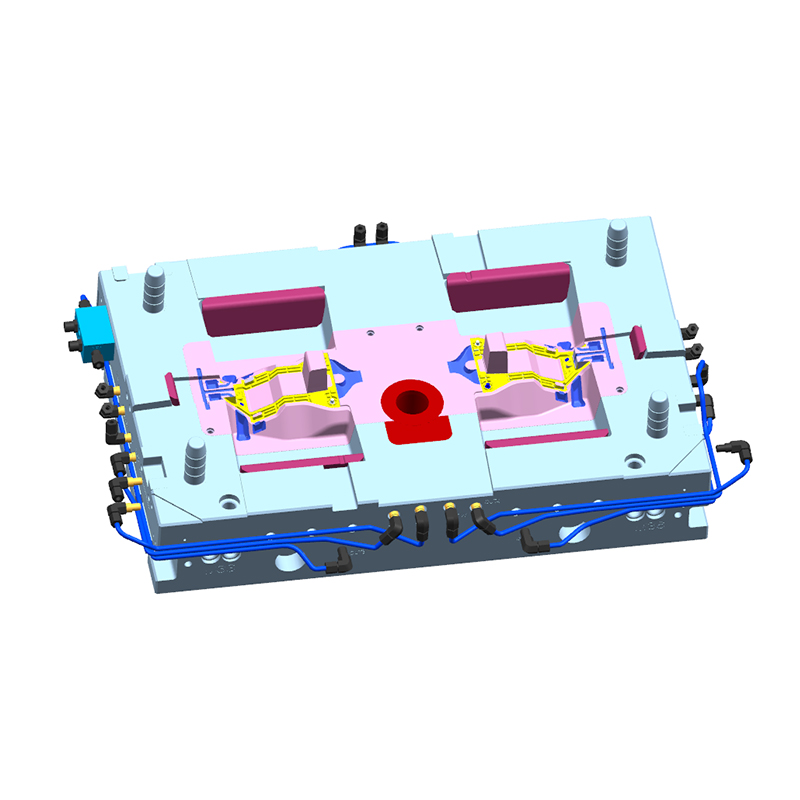
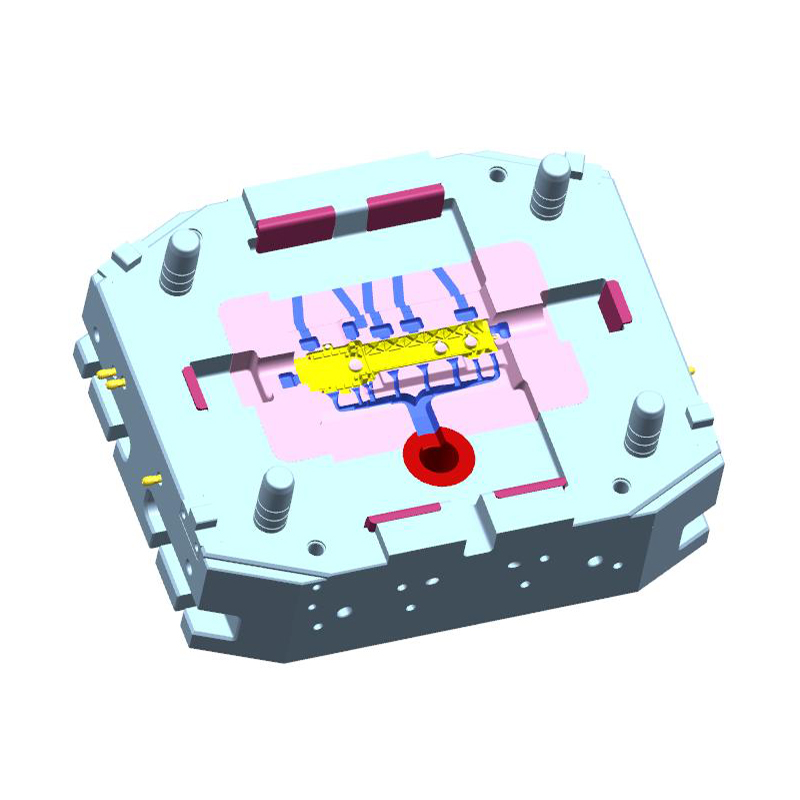
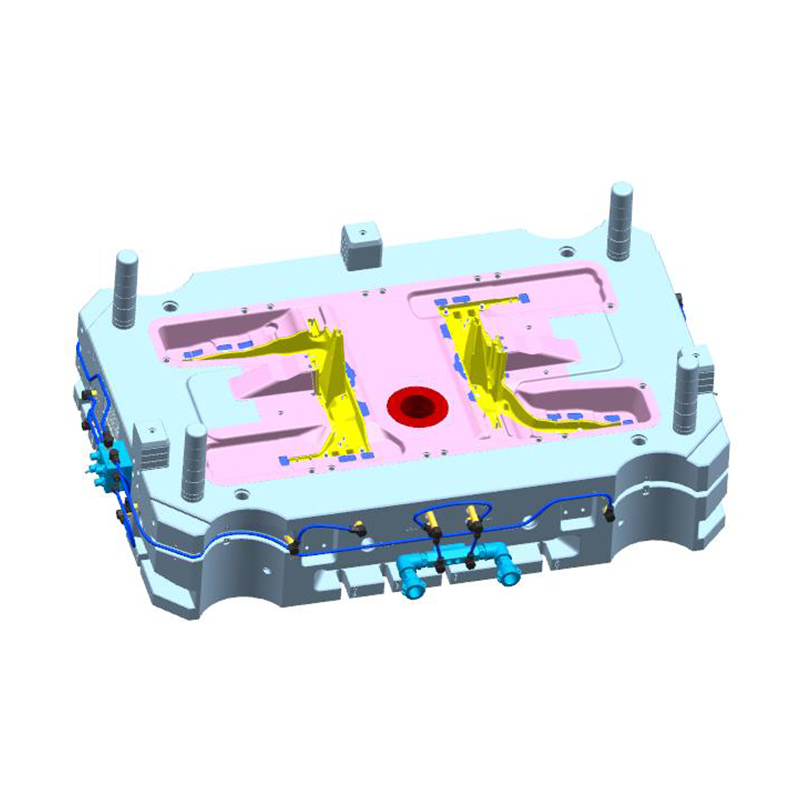
Magnesium alloys possess a unique set of physical properties, including low latent heat and high thermal conductivity. But how does this affect the design of Magnesium alloy Die Casting Molds? Unlike aluminum or zinc, magnesium solidifies much faster, which demands a highly sophisticated thermal management system within the mold itself.
A premium die casting mold for magnesium must:
Incorporate Precision Cooling Channels: To prevent "hot spots" that could cause part warping or soldering.
Support High-Velocity Injection: Magnesium is typically injected at much higher speeds than other metals to fill thin-walled sections before solidification.
Minimize Thermal Fatigue: The mold material must endure rapid temperature fluctuations without developing surface cracks or "heat checking."
To achieve consistent results in a high-volume production environment, the mold's technical parameters must be strictly controlled. The following table highlights the core specifications for our Magnesium alloy Die Casting Molds.
|
Feature Attribute |
Technical Specification Details |
|---|---|
|
Mold Base Material |
High-Quality H13 or Dievar Tool Steel |
|
Cavity Hardness |
46 - 52 HRC (Vacuum Heat Treated) |
|
Surface Treatment |
Nitriding or Specialized PVD Coating |
|
Cooling System |
Conformal Cooling or High-Flow Internal Channels |
|
Dimensional Tolerance |
±0.01mm to ±0.05mm (Depending on Geometry) |
|
Gating System Design |
Multi-Point Fan Gate or Tangential Gate |
|
Projected Die Life |
100,000 to 200,000 Shots (Maintenance Dependent) |
|
Compatibility |
Cold Chamber or Hot Chamber Die Casting Machines |
The harsh environment inside a die casting machine—characterized by molten metal at 650°C and extreme pressures—can quickly degrade a mold's surface. How can Magnesium alloy Die Casting Molds maintain their precision over thousands of cycles? The secret lies in advanced surface engineering.
By applying nitriding or Physical Vapor Deposition (PVD) coatings, manufacturers can create a hard, ceramic-like barrier on the mold surface. This barrier:
Reduces Soldering: Prevents the magnesium alloy from chemically bonding or "sticking" to the steel cavity.
Enhances Wear Resistance: Protects the sharp edges and fine details of the mold from the abrasive flow of molten metal.
Improves Release: Ensures a smoother ejection process, which reduces mechanical stress on both the part and the mold's ejector pins.
Modern magnesium parts, such as laptop housings or automotive steering columns, feature incredibly thin walls and complex internal ribs. How do Magnesium alloy Die Casting Molds achieve such intricate detail? It starts with high-precision CNC machining and Electrical Discharge Machining (EDM).
Every cavity and core is carved using 5-axis CNC centers to ensure that the complex geometries of the final part are mirrored perfectly in the steel. This precision ensures that the magnesium alloy flows evenly into every corner of the mold, eliminating "cold shuts" or air pockets. When the mold is engineered to these exact specifications, the resulting components require minimal secondary machining, significantly reducing overall production costs.
One of the biggest challenges in magnesium casting is porosity. Have you wondered how top-tier manufacturers achieve structural integrity in magnesium parts? The use of vacuum-assisted Magnesium alloy Die Casting Molds is the answer.
By integrating a vacuum valve system into the mold design, air can be evacuated from the cavity milliseconds before the metal enters. This ensures a dense, pore-free internal structure, which is vital for components that require high strength or subsequent heat treatment. This specialized mold design is what allows magnesium to be used in safety-critical applications where failure is not an option.
The gating system is the "highway" through which molten magnesium enters the mold. Why is its design so specialized for Magnesium alloy Die Casting Molds? Because magnesium loses heat so quickly, the gating must be designed to fill the entire cavity in a fraction of a second.
A well-designed gating system ensures:
Laminar Flow: Minimizing turbulence that could trap air or oxide skins inside the part.
Balanced Filling: Ensuring that all sections of a multi-cavity mold are filled simultaneously.
Easy Trimming: Designing the gates so they can be removed cleanly without damaging the aesthetics or structural integrity of the component.
In a competitive market, time-to-market is everything. How does having an in-house tool and die shop benefit the development of Magnesium alloy Die Casting Molds? It allows for a seamless transition from the engineering phase to the manufacturing phase.
When the engineering team works in the same facility as the mold makers, any design adjustments can be implemented instantly. This integrated approach ensures that the final product you receive is exactly as per your design specifications, with no communication gaps between the designer and the mold manufacturer. From initial prototypes to high-volume production molds, this synergy is the foundation of unparalleled quality.
Before a single piece of steel is cut, how do we know if a mold will perform as expected? We utilize advanced flow and thermal simulation software. By creating a "digital twin" of the Magnesium alloy Die Casting Molds, engineers can predict how the metal will flow, where potential air traps might occur, and how the cooling system will perform.
This simulation allows for:
Optimized Gate Placement: Finding the perfect entry point for the molten metal.
Thermal Balancing: Adjusting cooling lines to ensure uniform temperature across the mold face.
Cost Reduction: Identifying and fixing potential issues in the virtual world before they become expensive mistakes in the physical world.
While our focus is on the molds, we must ask: why is the demand for magnesium increasing? It is the ideal material for high-volume manufacturing of durable and precise components. Magnesium is 33% lighter than aluminum and 75% lighter than steel, yet it offers excellent damping capacity and electromagnetic shielding.
For portable electronics like tablets and cameras, Magnesium alloy Die Casting Molds allow for the creation of ultra-thin, rigid shells that protect delicate internal components while keeping the device lightweight. In the automotive sector, these molds produce steering wheels, seat frames, and gearbox housings that contribute to better fuel efficiency through weight reduction.
The transition to magnesium alloy manufacturing requires a partner who understands the intricacies of the process. Are you ready to bring your designs to life with unmatched quality and expertise? By investing in high-quality Magnesium alloy Die Casting Molds, you are ensuring that your production process is consistent, cost-effective, and capable of producing precision-engineered components that exceed expectations. Whether your project is in aerospace, robotics, or consumer electronics, professional-grade molds are the essential tool for turning your vision into a high-performance reality.
Wangshan Road, Jiangbei District, Ningbo, Zhejiang, China
86-135-64796935
Copyright © Ningbo NKT Tooling Co., Ltd. All Rights Reserved.
 Login
Custom Automotive Aluminum/Zinc Die Casting Molds Manufacturers
Login
Custom Automotive Aluminum/Zinc Die Casting Molds Manufacturers
