
 English
 中文简体
中文简体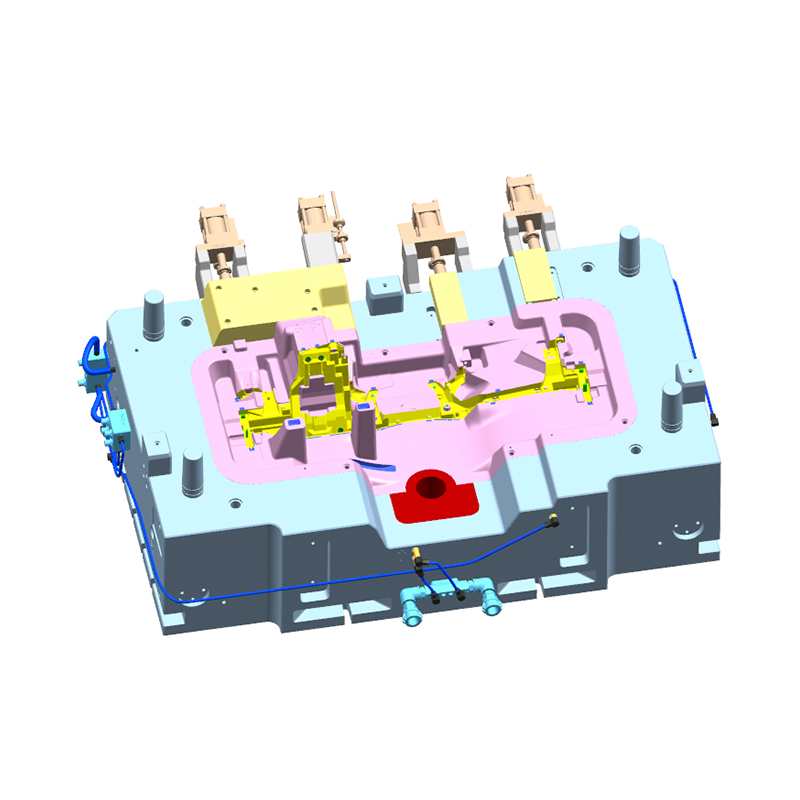




Contact Information
-
 Wangshan Road, Jiangbei District, Ningbo, Zhejiang, China
 -
 86-135-64796935

Get A Quote
Magnesium Alloy Die Casting Molds: Why Are They the Critical Enabler of Lightweight Manufacturing Revolution?
2026-04-02
Content
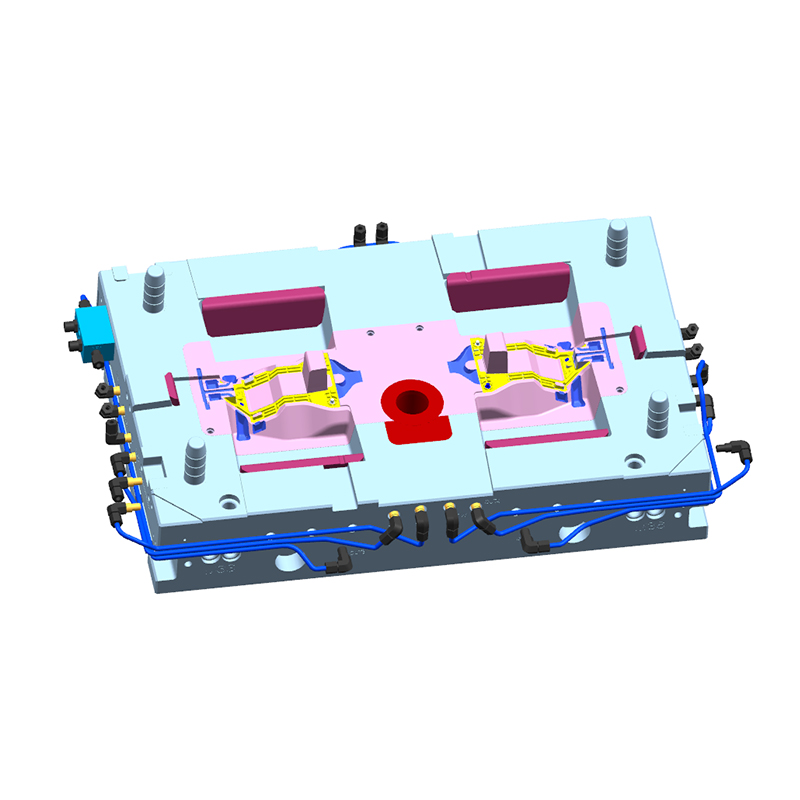
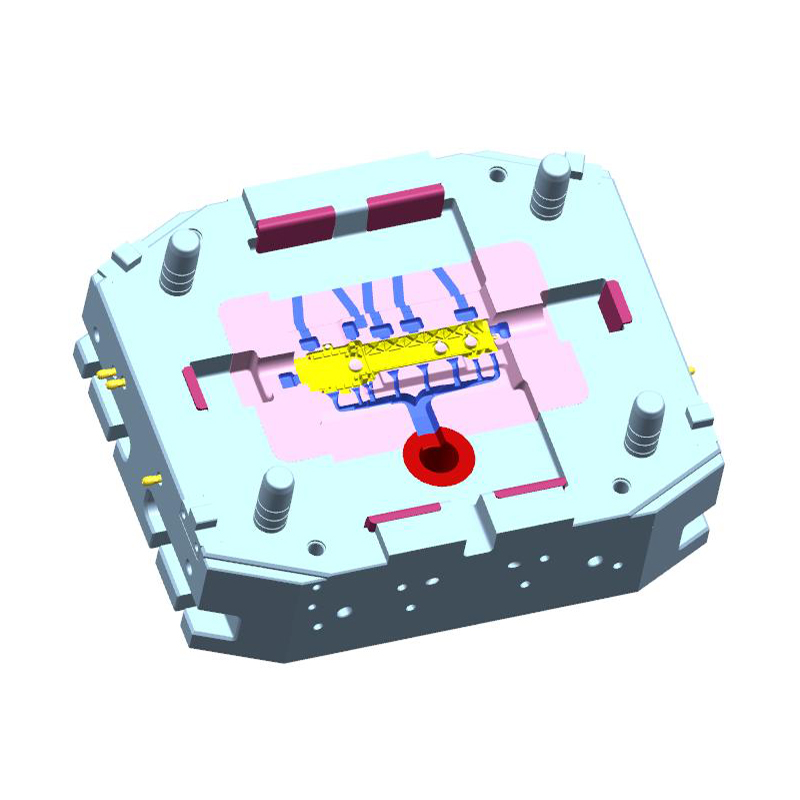
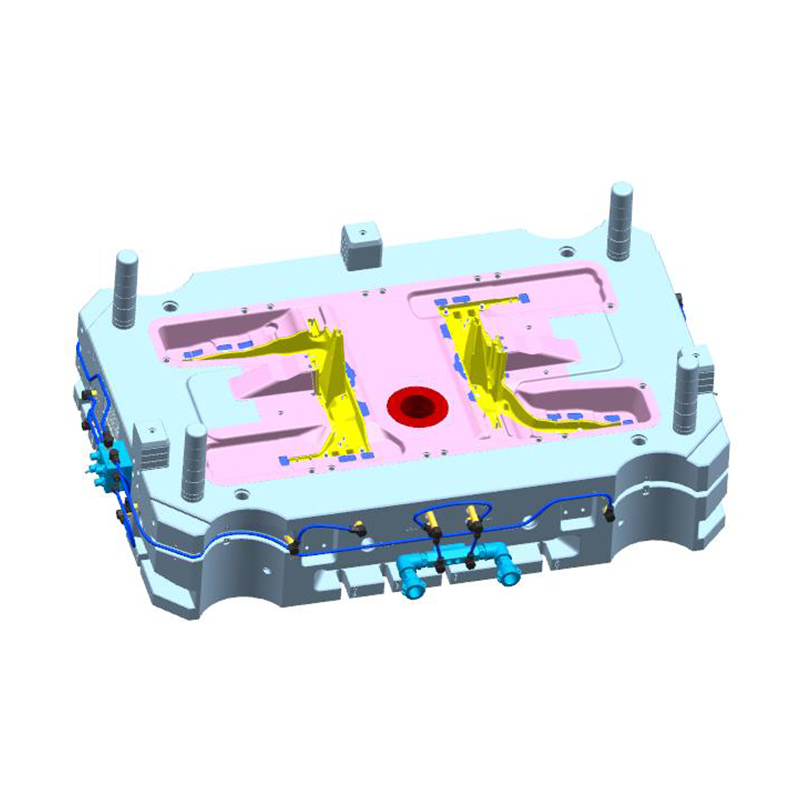
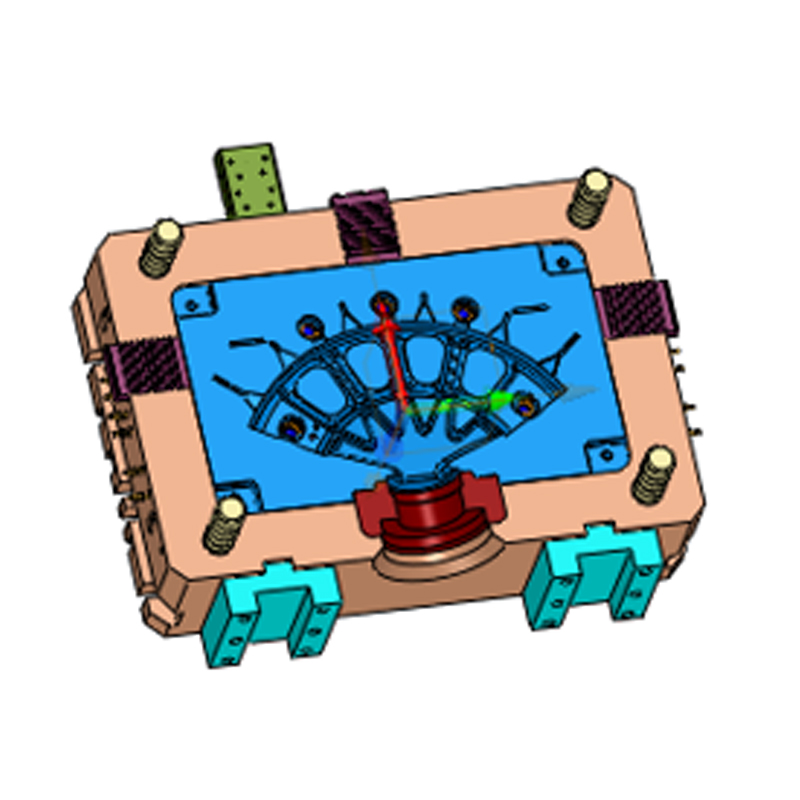
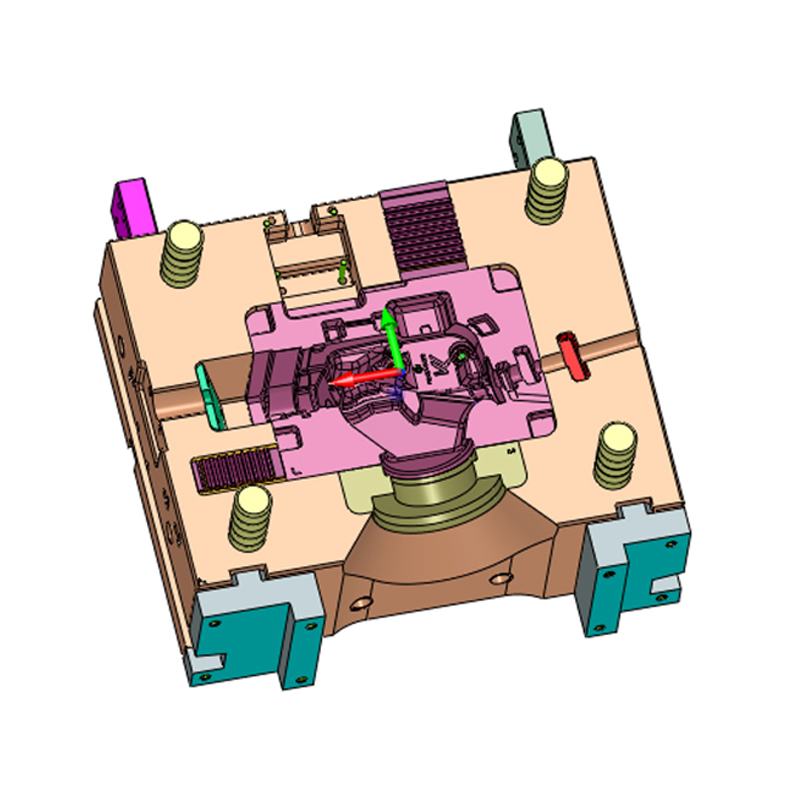
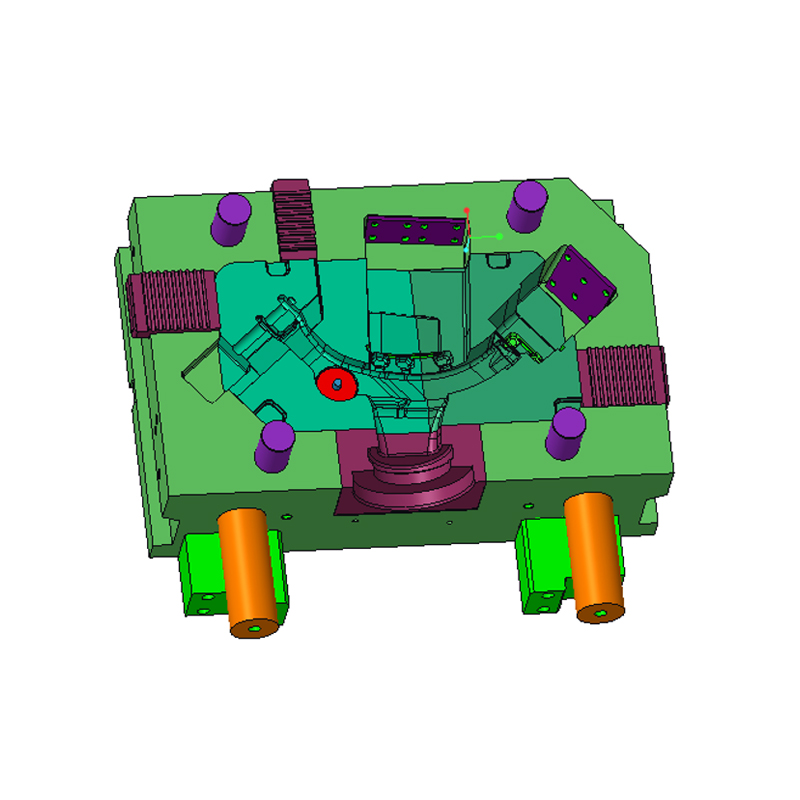
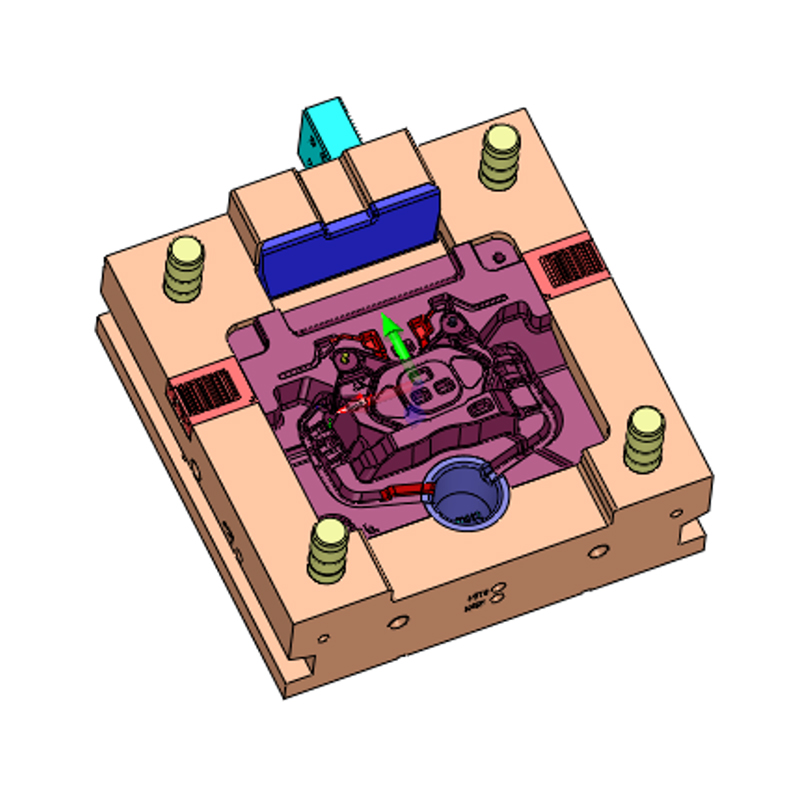
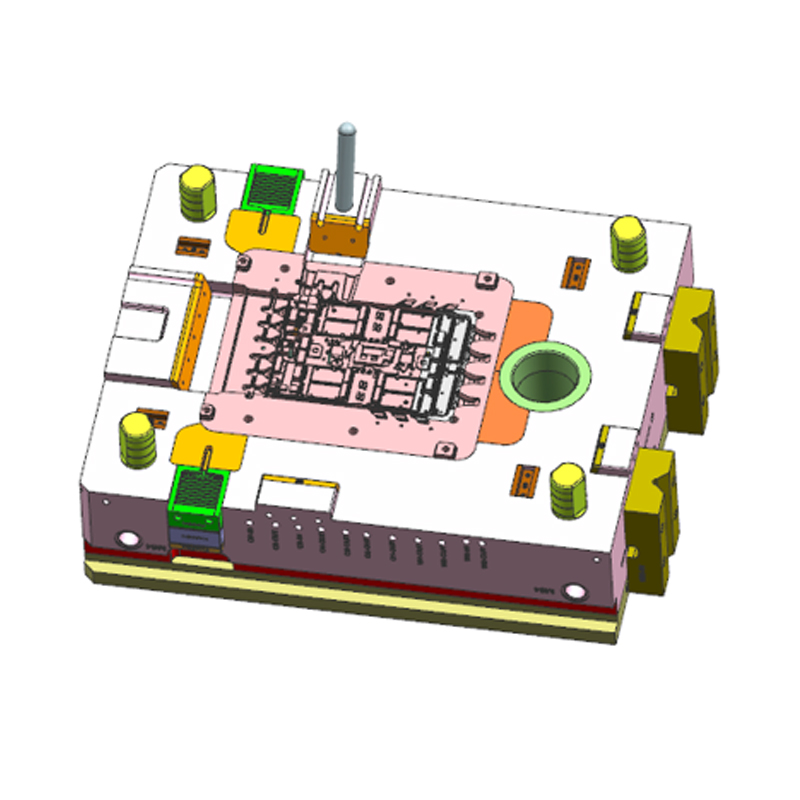
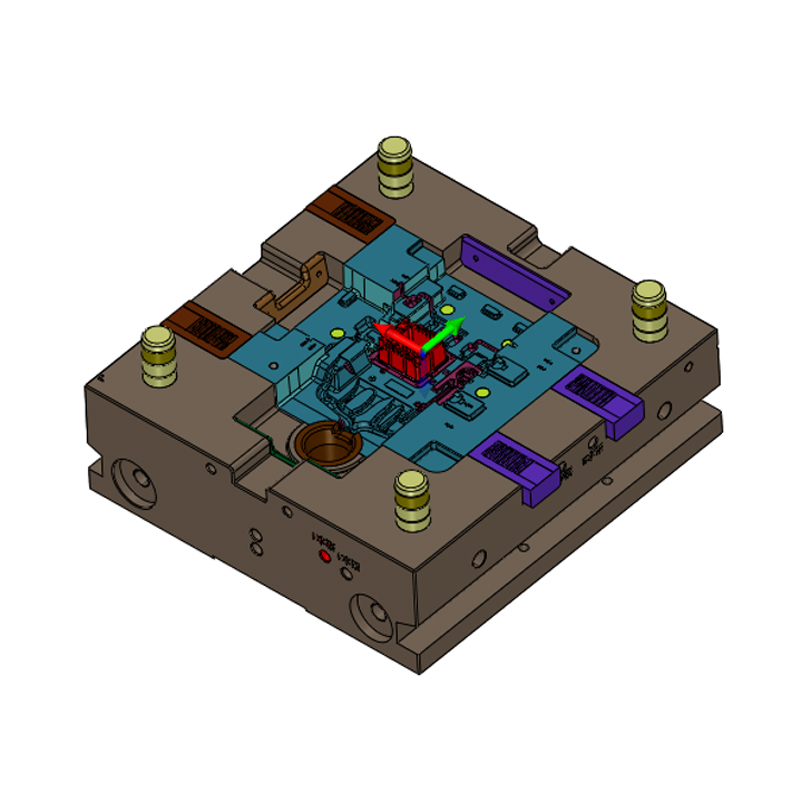
A magnesium alloy die casting mold is a precision tool, typically machined from high-grade tool steel, designed to shape molten magnesium alloy under high pressure into finished or near-net-shape components. The die casting process itself involves injecting molten magnesium at temperatures around 620-680°C (1150-1250°F) into the mold cavity at pressures ranging from 500 to over 1,200 bar. The mold must withstand these extreme conditions repeatedly—often for hundreds of thousands or millions of cycles—while maintaining dimensional accuracy and producing parts free from defects such as porosity, cold shuts, or surface imperfections. What makes magnesium unique is its remarkable fluidity: magnesium alloy has lower dynamic viscosity than aluminum, allowing it to fill mold cavities faster and with greater detail. Additionally, magnesium exhibits minimal affinity for iron, meaning it is less likely to adhere to or erode the steel mold surface, potentially giving magnesium molds a service life two to three times longer than aluminum molds . However, this advantage comes with significant challenges: molten magnesium is highly reactive, readily oxidizing in air, and requires specialized handling to prevent combustion.
The global magnesium casting market was valued at approximately USD 4.5 billion in 2024 and is projected to reach USD 7.1 billion by 2032, growing at a compound annual growth rate of 5.8%. This growth is driven by aggressive lightweighting targets in the automotive industry, particularly for electric vehicles, as well as increasing demand from aerospace, consumer electronics, robotics, and the emerging low-altitude economy sector including drones and eVTOL aircraft. For manufacturers seeking to capture this growing market, understanding the intricacies of magnesium die casting mold technology is not merely an academic exercise but a strategic imperative. The following sections explore in depth why these molds are so critical, what makes them different from conventional dies, and how advances in mold technology are enabling the next generation of lightweight products.
To appreciate the specialized nature of magnesium die casting molds, one must first understand the material they are designed to shape. Magnesium alloys possess several characteristics that distinguish them from aluminum, the most common die casting metal. First, magnesium has exceptional fluidity. Its low dynamic viscosity means that under identical flow conditions, magnesium alloy can fill a mold cavity faster and more completely than aluminum. This allows for the production of thinner walls, more intricate geometries, and finer surface details. For manufacturers of electronic device housings, automotive instrument panels, and aerospace interior components, this fluidity is a major advantage. Second, magnesium has a lower heat content than aluminum. Its specific heat capacity and latent heat of phase change are both lower, meaning it requires less energy to melt and solidifies more quickly. The die casting cycle for magnesium can be up to 50% shorter than that for aluminum, translating directly into higher productivity and lower per-part costs. Third, and perhaps most significantly for mold longevity, magnesium exhibits minimal chemical affinity for iron. This means that molten magnesium does not readily weld or adhere to steel mold surfaces, reducing the risk of soldering and die erosion. Consequently, molds used for magnesium die casting can last two to three times longer than those used for aluminum, a substantial economic advantage.
However, these benefits come with serious challenges that mold designers must address. Molten magnesium is highly reactive and oxidizes rapidly when exposed to air. The oxide layer that forms on its surface is porous and non-protective, meaning that without proper precautions, the molten metal can ignite. Specialized protective gas atmospheres, typically containing sulfur hexafluoride (SF₆) or its alternatives, must be used during melting and casting to prevent oxidation and combustion. Additionally, while magnesium does not chemically attack steel, the high injection velocities and pressures required for thin-wall casting create significant erosive forces. Mold surfaces must be exceptionally hard and smooth to withstand this erosion. Furthermore, magnesium solidifies with a characteristic shrinkage that can create internal porosity if not properly managed through careful gating and venting design. These unique characteristics mean that magnesium die casting mold design is a specialized discipline, requiring deep knowledge of both the material and the process.
The design of a magnesium die casting mold is a complex engineering task that directly determines the quality, consistency, and cost-effectiveness of the final cast components. Several design elements are particularly critical for magnesium. The gating system, which controls how molten metal enters the mold cavity, must be optimized for magnesium's rapid fill characteristics. Gates are typically designed to be larger and positioned to promote laminar flow, minimizing turbulence that can trap air and cause porosity. The high fluidity of magnesium allows for thinner gates and runners than aluminum, but the risk of premature solidification in thin sections must be carefully managed through thermal analysis. The venting system is equally important. As the mold fills, air and gases must be evacuated rapidly to prevent them from becoming trapped in the casting. For magnesium, which is prone to oxide formation, effective venting is particularly critical. Many advanced magnesium molds incorporate vacuum assist systems that actively evacuate the cavity before and during filling, producing castings with dramatically reduced porosity and enhanced mechanical properties.
Overflow wells and thermal management are also crucial design elements. Overflow wells are strategically placed pockets that capture the first, coldest metal to enter the cavity, which may contain oxides or other contaminants. They also serve as reservoirs to compensate for shrinkage during solidification. The placement, size, and shape of overflow wells are determined through flow simulation software. Thermal management—controlling how heat flows through the mold—is perhaps the most sophisticated aspect of magnesium mold design. Because magnesium solidifies quickly, the mold must be maintained within a narrow temperature window to ensure proper fill and solidification without thermal shock or distortion. Conformal cooling channels, which follow the contours of the part, are increasingly used to achieve uniform cooling and reduce cycle times. These channels are often produced through advanced manufacturing techniques such as 3D printing of mold inserts or complex machining operations.
The surface of a magnesium die casting mold is not merely a passive boundary; it is an active participant in the casting process. To enhance performance and extend mold life, advanced coatings and surface treatments are applied. The primary purposes of these coatings are to reduce friction, prevent soldering (adhesion of molten metal to the mold), protect against erosion, and facilitate release of the solidified casting. A landmark patent by Mitsui Mining and Honda describes a method for forming a coating layer on the mold cavity surface using a mixture of high-melting metals, ceramic materials, or graphite, applied with a surfactant or low-boiling oil, then heat-treated to adhere the coating. This type of coating creates a barrier between the molten magnesium and the steel, significantly extending mold life.
Common coating materials include nitrides (such as titanium aluminum nitride, TiAlN), carbides, and ceramic composites. These materials are applied using physical vapor deposition (PVD), chemical vapor deposition (CVD), or thermal spray processes. Beyond coatings, the base mold steel itself must be carefully selected and heat-treated. Hot-work tool steels such as H13 (AISI standard) or its equivalents are commonly used due to their high hardness, thermal stability, and resistance to thermal fatigue. The steel is typically heat-treated to achieve a hardness of 46-50 HRC, then nitrided to create a hard, wear-resistant surface layer. The combination of premium base steel, precise heat treatment, and advanced coating can extend mold life from tens of thousands to hundreds of thousands of shots, dramatically improving the economics of magnesium die casting.
Traditional die casting, while efficient, often produces parts with entrapped gas porosity due to the high-speed, turbulent filling process. This porosity can weaken the part and makes heat treatment impossible, as trapped gases expand during heating, causing blistering. Vacuum die casting addresses this limitation by evacuating air from the mold cavity before and during metal injection. By reducing the cavity pressure to 50-100 mbar or lower, virtually all air is removed, eliminating gas porosity. For magnesium, which is particularly susceptible to oxidation, vacuum casting offers the additional benefit of reducing the oxygen available for oxide formation. The molds used for vacuum die casting must be specially sealed to maintain the vacuum. This includes sealing the ejector pins, the parting line, and any other potential leak paths. The investment in vacuum-capable molds is justified by the superior mechanical properties of the resulting castings, which can be heat-treated to further enhance strength. Studies have shown that vacuum die cast AM60B magnesium alloy can achieve elongation rates of 16%, compared to 8% for conventional die castings.
Thixomolding represents a fundamentally different approach to magnesium part production. Rather than injecting fully molten metal, thixomolding heats magnesium alloy granules into a semi-solid state, where they exist as a slurry of solid particles suspended in liquid. This semi-solid slurry has higher viscosity than fully molten metal, which dramatically reduces turbulence during mold filling and virtually eliminates gas porosity. The process is performed in a specialized machine that resembles a plastic injection molder, with a screw that both heats and injects the material. The molds for thixomolding must withstand lower temperatures than conventional die casting molds, as the process operates at approximately 570-620°C (1060-1150°F). However, the semi-solid slurry is highly abrasive, requiring mold surfaces with exceptional wear resistance. In July 2025, YIZUMI delivered a groundbreaking 6600-ton thixomolding machine to Sinyuan ZM, capable of producing large integrated magnesium alloy parts with injection capacities up to 38 kg. This machine incorporates multi-point hot runner technology that reduces casting scrap by 30% and shortens flow distances by over 500 mm, enabling the production of parts that were previously impossible. For mold designers, thixomolding requires careful attention to runner and gate design to accommodate the higher-viscosity semi-solid material, as well as robust thermal management to maintain consistent slurry properties.
The automotive industry is the largest driver of demand for magnesium die casting molds, and this trend is accelerating with the transition to electric vehicles. Every kilogram saved in an EV's weight directly extends its driving range or allows for a smaller, less expensive battery. Magnesium is increasingly used for instrument panel beams, steering column brackets, seat frames, transmission housings, and, more recently, large structural components such as battery enclosures and e-drive housings. The scale of automotive production demands molds that can produce hundreds of thousands of high-quality parts annually with minimal downtime. This drives demand for molds with extended service life, achieved through advanced coatings and conformal cooling. In March 2024, Dynacast International launched a new line of high-integrity magnesium die-cast components specifically designed for EV battery enclosures, enhancing both safety and thermal management -3. For mold makers, the trend toward larger, more integrated components—such as single-piece battery trays replacing multi-piece assemblies—requires larger molds with sophisticated thermal control systems and higher clamping force capabilities.
The consumer electronics industry demands magnesium die casting molds capable of producing extremely thin, highly detailed parts with excellent surface finish. Laptop housings, smartphone frames, camera bodies, and drone components all benefit from magnesium's light weight, electromagnetic interference shielding properties, and thermal conductivity. These parts often have wall thicknesses below 1 mm, requiring molds with exceptional precision and thermal control. The emerging low-altitude economy, including drones and electric vertical takeoff and landing (eVTOL) aircraft, represents a new frontier for magnesium die casting. These applications demand extreme lightweighting to maximize payload and endurance, making magnesium an ideal material. Haitian Die Casting has highlighted the application potential of magnesium alloys in drone fuselages and aerospace structures, where every gram saved translates directly into performance gains. For mold manufacturers, these applications demand the highest levels of precision, surface finish, and dimensional stability.
Wangshan Road, Jiangbei District, Ningbo, Zhejiang, China
86-135-64796935
Copyright © Ningbo NKT Tooling Co., Ltd. All Rights Reserved.
 Login
Custom Automotive Aluminum/Zinc Die Casting Molds Manufacturers
Login
Custom Automotive Aluminum/Zinc Die Casting Molds Manufacturers
