
 English
 中文简体
中文简体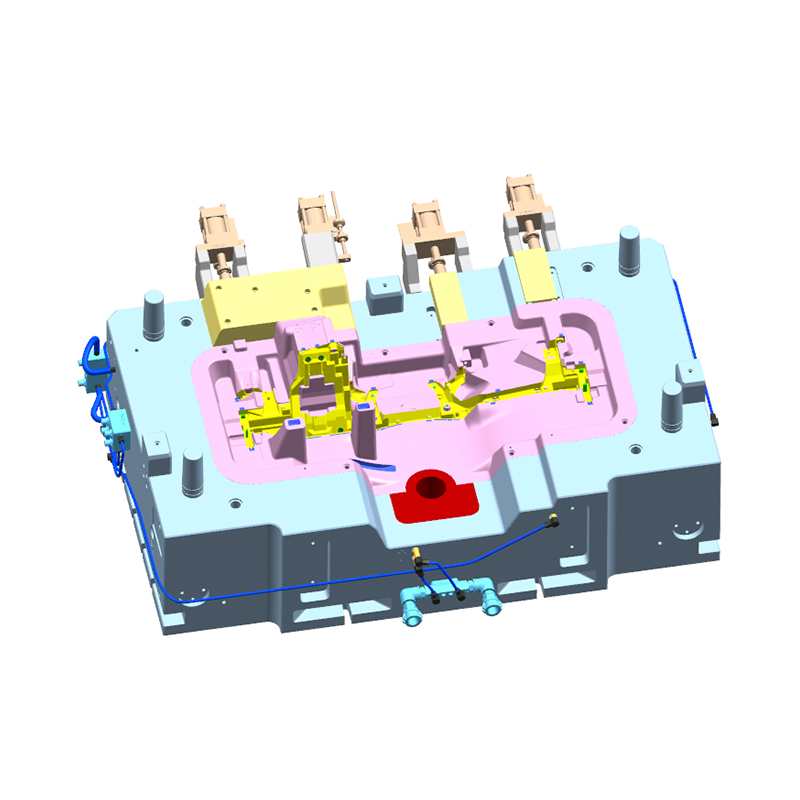




Contact Information
-
 Wangshan Road, Jiangbei District, Ningbo, Zhejiang, China
 -
 86-135-64796935


Get A Quote
How do Aluminum alloy Die Casting Molds achieve high-precision manufacturing?
2026-04-09
Content
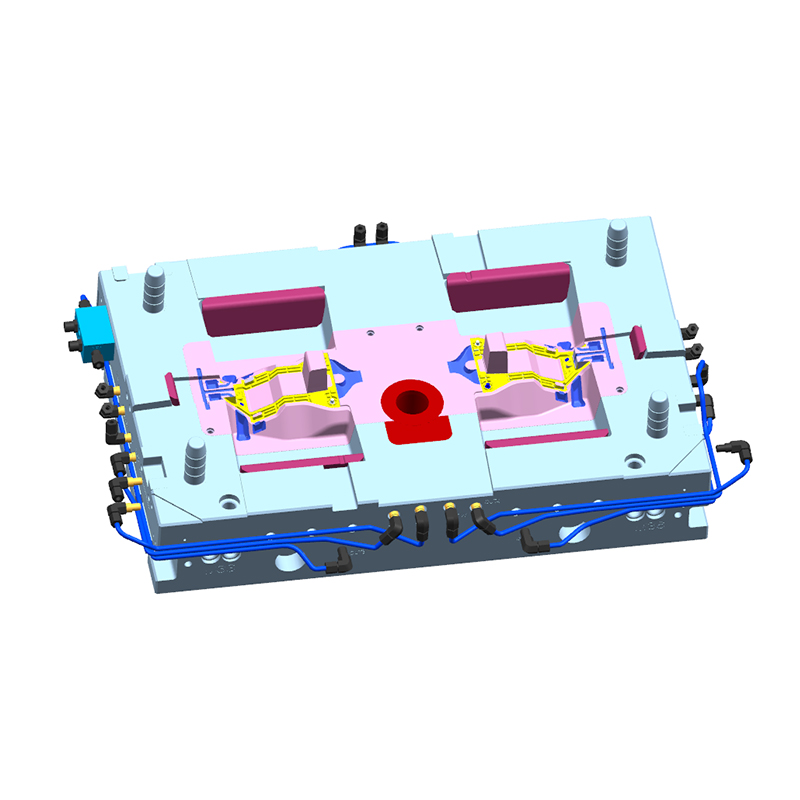
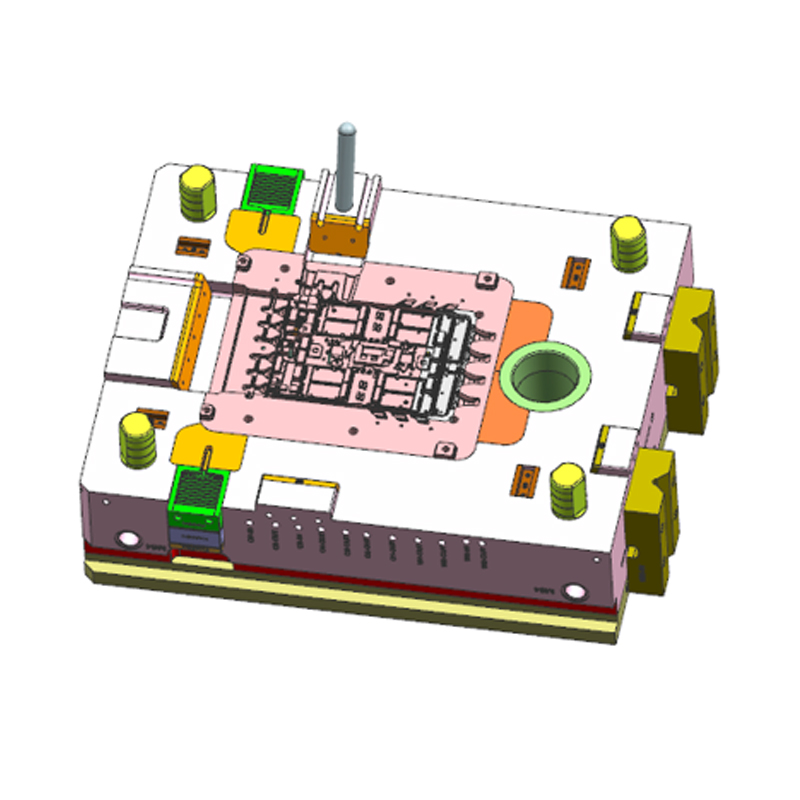
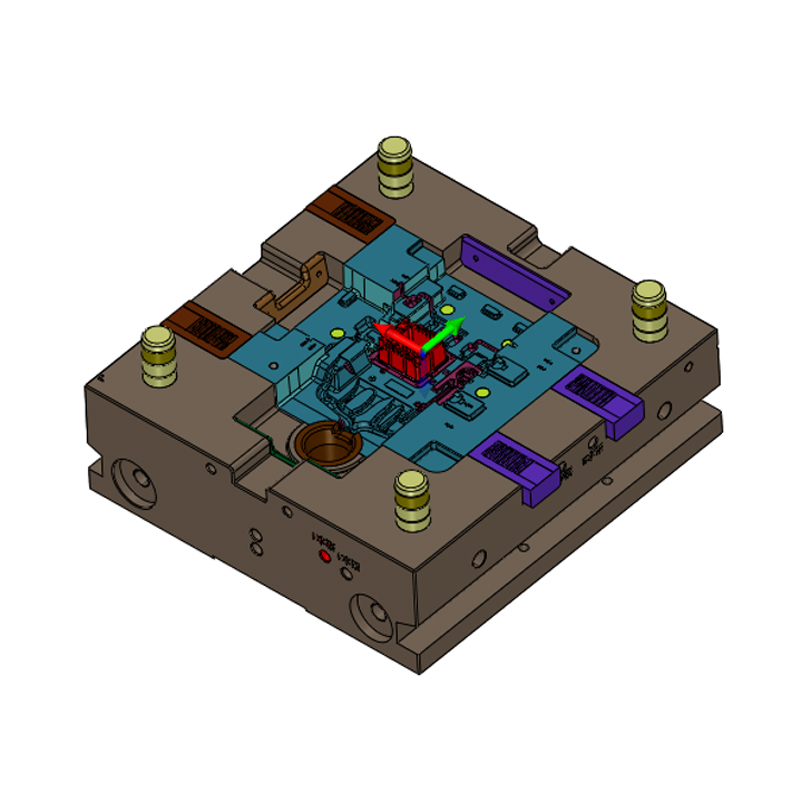
In the realm of modern metal fabrication, the performance of Aluminum alloy Die Casting Molds is the fundamental determinant of component quality, dimensional accuracy, and production efficiency. These specialized tools are far more than simple cavities; they are complex thermal management systems and high-pressure vessels designed to withstand extreme cyclic loading. The process of aluminum die casting involves injecting molten aluminum into the "Aluminum alloy Die Casting Molds" at velocities exceeding 50 meters per second and under pressures ranging from 30 to 100 MPa. To survive this hostile environment while producing parts with tolerances as tight as ±0.05mm, the engineering behind the mold must account for fluid dynamics, metallurgy, and advanced heat transfer. Understanding the intricate details of how an "Aluminum alloy Die Casting Molds" operates requires a look into the core design philosophies and material specifications that define high-end tooling.
The selection of steel and the internal architecture of Aluminum alloy Die Casting Molds are the most critical factors in preventing premature failure. Aluminum alloys, particularly those in the A380 or ADC12 series, have a high affinity for iron, which creates unique challenges for the mold's surface.
Premium Tool Steel and Heat Treatment Protocols: Most high-quality Aluminum alloy Die Casting Molds are constructed from premium hot-work tool steels, with H13 (1.2344) being the industry standard, though advanced grades like Dievar or Orvar Supreme are increasingly common for demanding applications. The steel must possess exceptional hot hardness and toughness to resist "heat checking" (thermal fatigue cracking). The heat treatment process for an "Aluminum alloy Die Casting Molds" is incredibly precise; it involves multiple tempering cycles to achieve a working hardness typically between 44 and 52 HRC. If the hardness is too high, the mold becomes brittle and prone to catastrophic cracking under the impact of the injection stroke. If it is too low, the molten aluminum will erode the surface, leading to "soldering," where the aluminum chemically bonds to the steel.
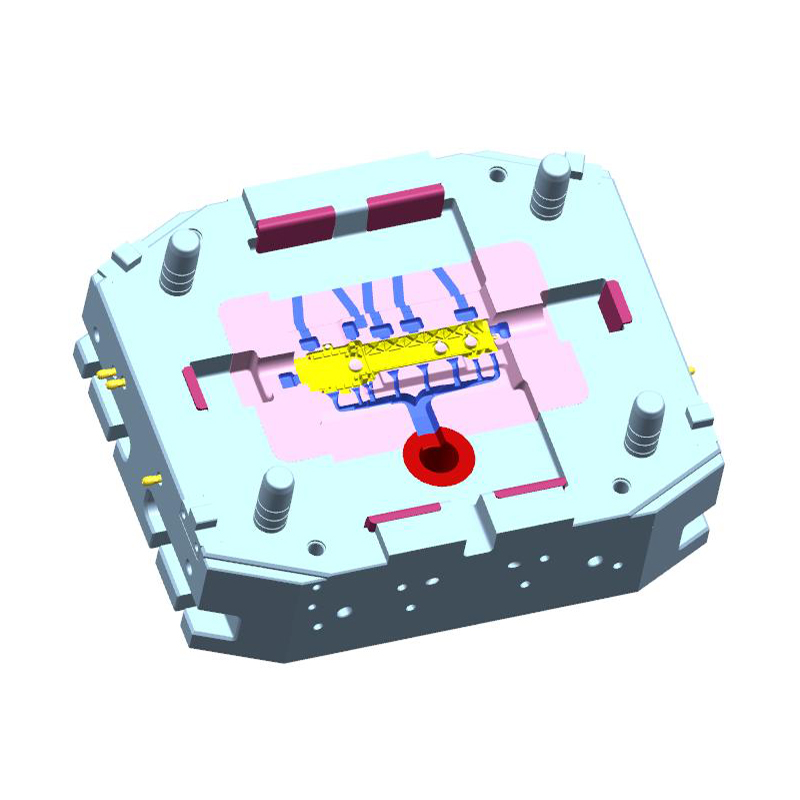
The Integrated Gating and Venting System: The internal geometry of Aluminum alloy Die Casting Molds must manage the flow of molten metal to minimize turbulence and porosity. The gating system consists of the sprue, runners, and gates. In an "Aluminum alloy Die Casting Molds," the runner design must ensure that the metal reaches all extremities of the cavity simultaneously. Furthermore, venting is crucial. As the metal enters the mold, air must be evacuated through thin vents (usually 0.1mm to 0.15mm thick) or vacuum systems. If the venting in the "Aluminum alloy Die Casting Molds" is insufficient, trapped air causes gas porosity, which weakens the final part. Engineers often use flow simulation software to optimize these paths before the first piece of steel is cut.
The Ejection and Core Pulling Mechanisms: Because aluminum shrinks as it solidifies, it tightly grips the internal features of the Aluminum alloy Die Casting Molds. To remove the part without distortion, a robust ejection system is required. This system consists of an ejector plate, return pins, and a series of ejector pins that push the casting out of the cavity. For parts with complex undercuts or internal holes, the "Aluminum alloy Die Casting Molds" must incorporate hydraulic or mechanical core pulls. These moving components must operate with zero clearance issues at operating temperatures of 300°C, requiring specialized coatings like DLC (Diamond-Like Carbon) or nitriding to reduce friction and prevent seizing.
The following table provides a comparison of the different steel grades and surface treatments used in high-end mold construction:
|
Component Category |
Preferred Material |
Surface Treatment |
Thermal Conductivity |
Primary Benefit |
|---|---|---|---|---|
|
Main Cavity Insert |
H13 / 1.2344 Steel |
Gas Nitriding |
Medium |
High resistance to thermal shock |
|
Core Pins |
SKD61 / Molybdenum |
PVD Coating |
High |
Prevents soldering and erosion |
|
Slider / Cam |
4140 / P20 Steel |
Plasma Nitriding |
Low |
High wear resistance for moving parts |
|
Shot Sleeve |
H13 / Tungsten Carbide |
Ferritic Nitrocarburizing |
Medium |
Resists extreme pressure and heat |
|
Ejector Pins |
Hot-work Steel |
Ion Nitriding |
Low |
Maintains straightness under heat |
Thermal management is arguably the most complex aspect of operating Aluminum alloy Die Casting Molds. Since the molten aluminum enters the mold at approximately 650°C-700°C and must solidify rapidly to maintain a fast cycle time, the mold acts as a massive heat exchanger.
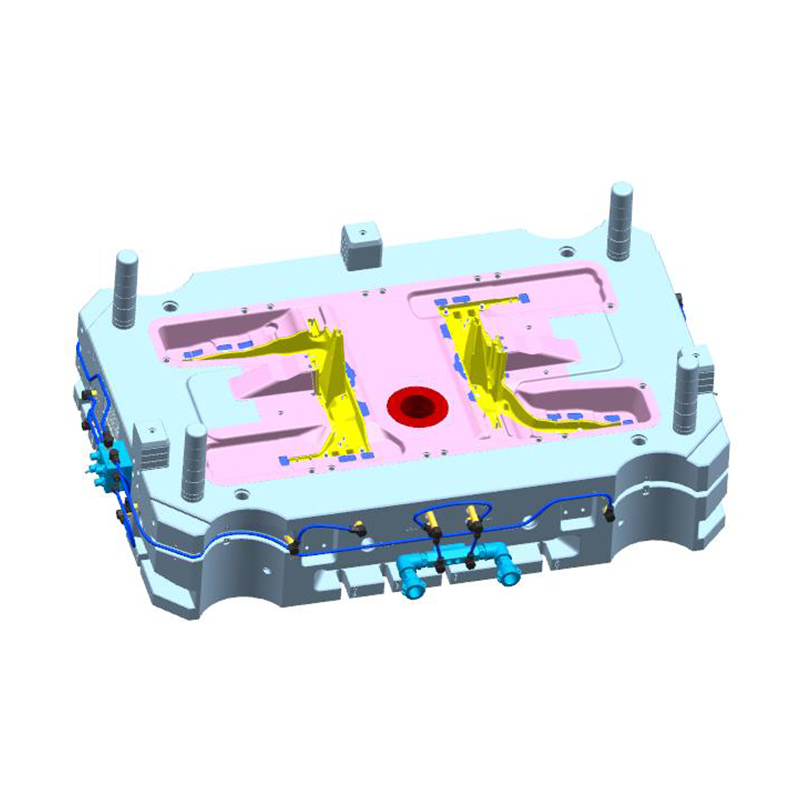
Internal Cooling Channel Design: A sophisticated Aluminum alloy Die Casting Molds features an intricate network of cooling channels (water lines) drilled throughout the mold base and inserts. These channels are strategically placed to ensure "directional solidification." The goal is for the metal furthest from the gate to solidify first, allowing the pressurized metal behind it to "feed" the shrinkage. Advanced "Aluminum alloy Die Casting Molds" may utilize "conformal cooling," where 3D-printed inserts allow cooling lines to follow the exact contour of the part. This drastically reduces hot spots, which are the primary cause of "shrinkage porosity" in aluminum castings.
The Role of Die Lubricants and Sprays: Between every cycle, the surface of the Aluminum alloy Die Casting Molds is sprayed with a water-based or oil-based lubricant. This serves three purposes: it provides a release layer so the part doesn't stick, it provides localized cooling to the die surface, and it protects the steel from oxidation. However, the application of this spray causes a "thermal shock" on the surface of the "Aluminum alloy Die Casting Molds." The surface temperature can drop from 350°C to 100°C in a matter of seconds. Managing this temperature delta is essential for extending the mold's life, as excessive thermal shock is the leading cause of surface cracking.
Predictive Thermal Balancing: Modern operation of Aluminum alloy Die Casting Molds involves the use of thermal imaging and embedded thermocouples. By monitoring the temperature of the mold in real-time, operators can adjust the flow rate of the cooling water or the duration of the spray cycle. If one area of the "Aluminum alloy Die Casting Molds" remains too hot, the aluminum will take longer to solidify, increasing the cycle time and potentially leading to "hot tears" in the metal. Conversely, if an area is too cold, the metal may "freeze" prematurely, resulting in a "cold shut" or "misrun" where the mold is not completely filled. Balancing these temperatures ensures that every part produced by the "Aluminum alloy Die Casting Molds" is identical in structure and strength.
Given the high cost of Aluminum alloy Die Casting Molds, which can range from tens of thousands to hundreds of thousands of dollars, maximizing the "shot life" is a primary operational objective. A well-maintained mold can produce 100,000 to 200,000 shots, but this requires a rigorous preventative maintenance schedule.
Stress Relieving and Thermal Restoration: During production, the steel of the Aluminum alloy Die Casting Molds accumulates internal stresses due to the constant expansion and contraction. To prevent these stresses from manifesting as cracks, the mold inserts should be removed and subjected to "stress relief" tempering after a specific number of shots (e.g., every 10,000 to 20,000 cycles). This process involves heating the "Aluminum alloy Die Casting Molds" components to a temperature slightly below the original tempering temperature. This "relaxes" the grain structure of the steel, significantly delaying the onset of heat checking and extending the overall utility of the tool.
Surface Cleaning and Soldering Removal: Despite the use of lubricants, small amounts of aluminum often build up on the surface of Aluminum alloy Die Casting Molds, especially near the gates and high-velocity areas. This "soldering" must be removed carefully to avoid damaging the mold's profile. Maintenance technicians often use soft polishing stones or specialized chemical cleaners to strip the aluminum. In some cases, laser cleaning technology is applied to "Aluminum alloy Die Casting Molds" to vaporize contaminants without affecting the base steel. Keeping the surface of the "Aluminum alloy Die Casting Molds" pristine is essential for maintaining the surface finish requirements of the final product, especially for parts intended for aesthetic applications or powder coating.
Dimensional Audit and Component Replacement: Moving parts within the Aluminum alloy Die Casting Molds, such as ejector pins and slides, are subject to mechanical wear. Over time, the clearances between these parts can increase, leading to "flash"—excess metal that leaks out of the mold. A comprehensive maintenance program involves a dimensional audit where the tolerances of the "Aluminum alloy Die Casting Molds" are checked against the original CAD data. Worn pins are replaced, and sliding surfaces are re-ground or re-coated. By proactively replacing small, inexpensive components, the major (and expensive) cavity blocks of the "Aluminum alloy Die Casting Molds" are protected from misalignment damage, ensuring the mold continues to produce high-precision parts until its eventual decommissioning.
Wangshan Road, Jiangbei District, Ningbo, Zhejiang, China
86-135-64796935
Copyright © Ningbo NKT Tooling Co., Ltd. All Rights Reserved.
 Login
Custom Automotive Aluminum/Zinc Die Casting Molds Manufacturers
Login
Custom Automotive Aluminum/Zinc Die Casting Molds Manufacturers
