
 English
 中文简体
中文简体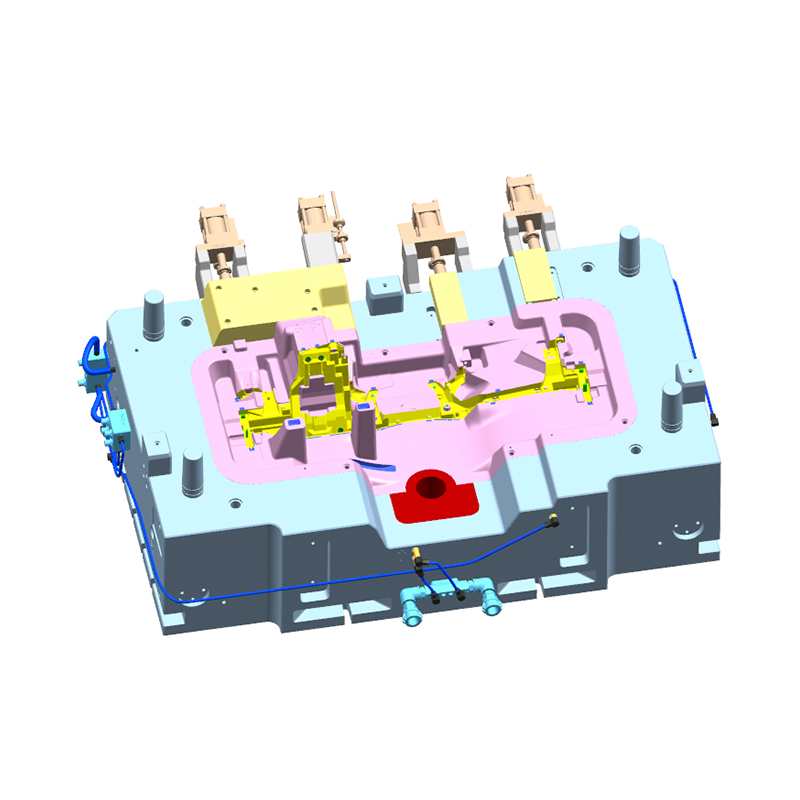



Contact Information
-
 Wangshan Road, Jiangbei District, Ningbo, Zhejiang, China
 -
 86-135-64796935


Get A Quote
How Does the Structural Precision of Aluminum alloy Die Casting Molds Influence the Integrity of High-Pressure Metal Solidification?
2026-04-16
Content
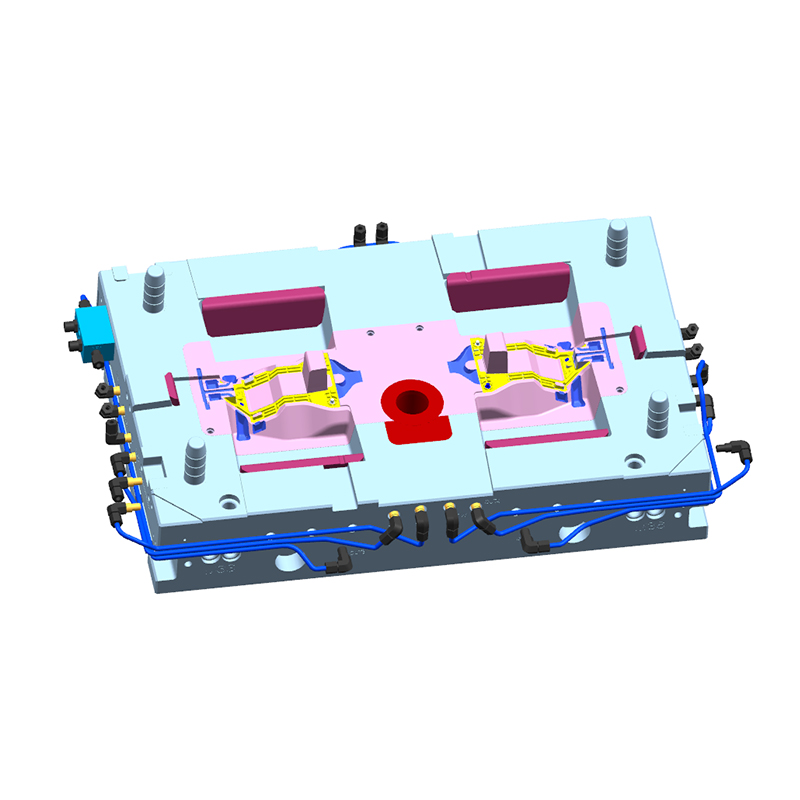
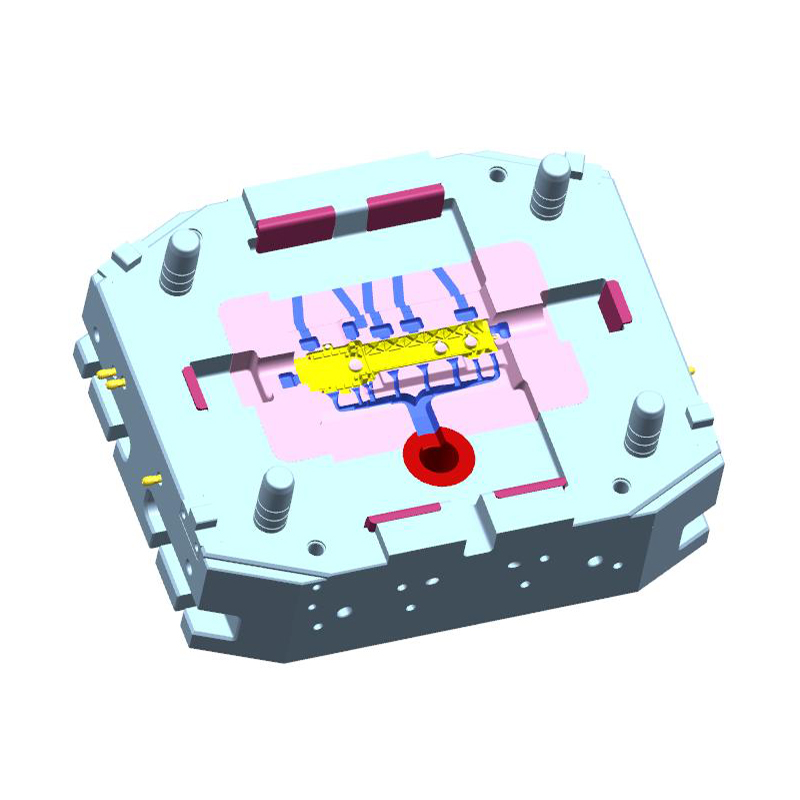
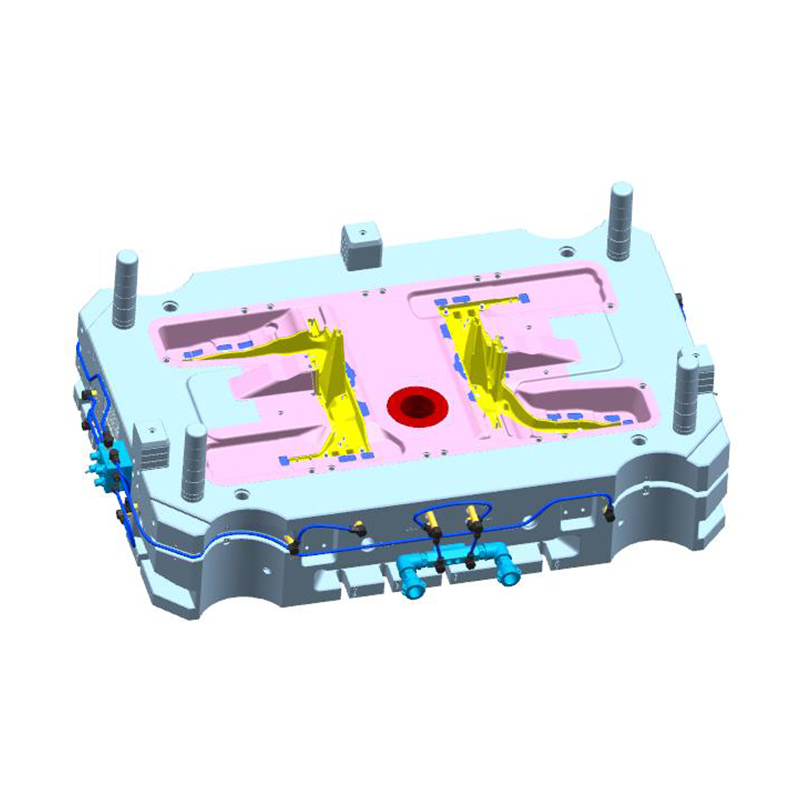
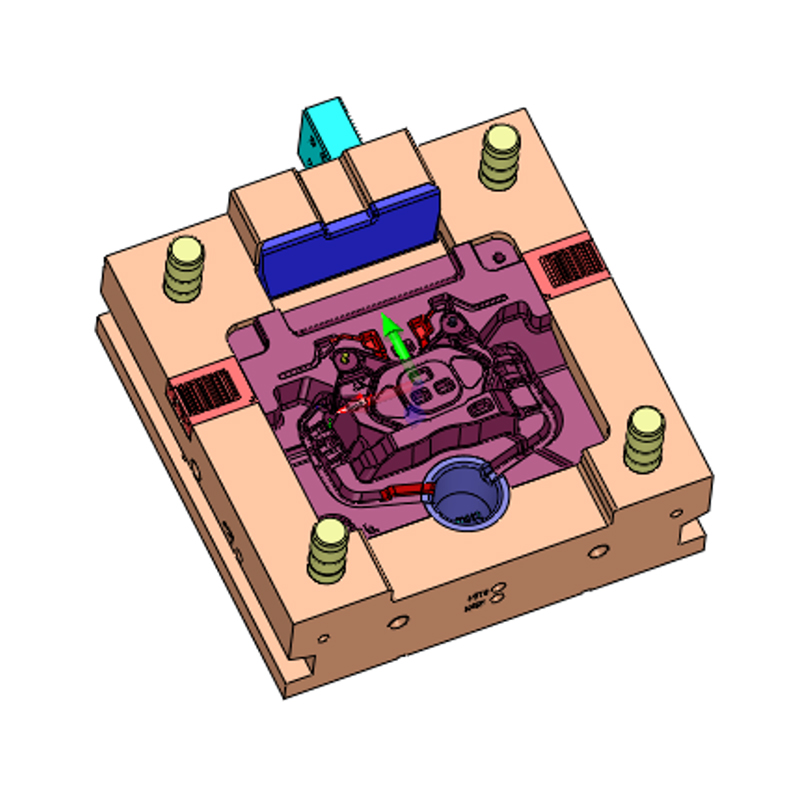
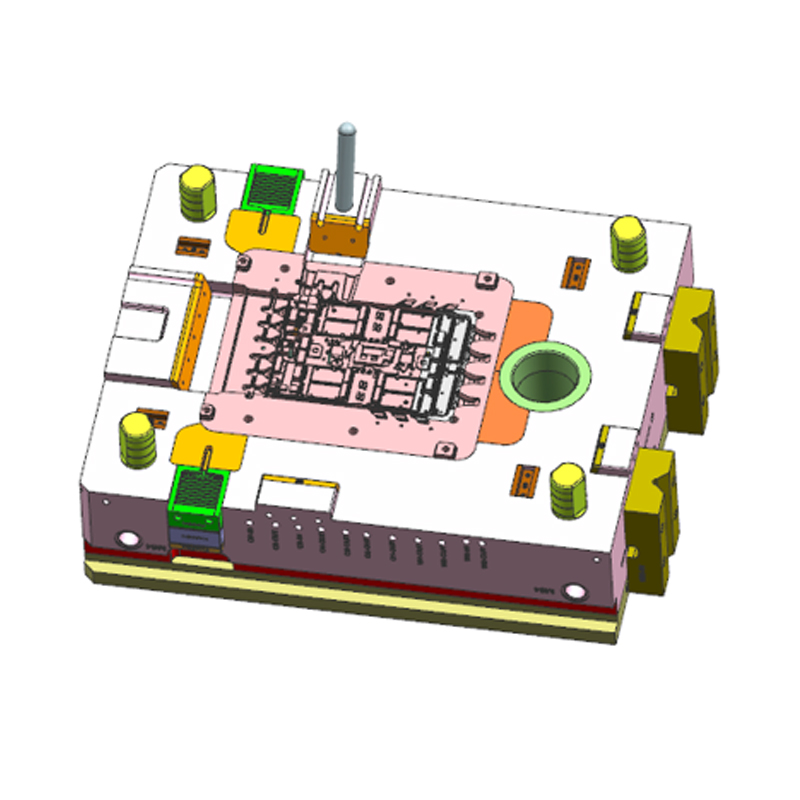
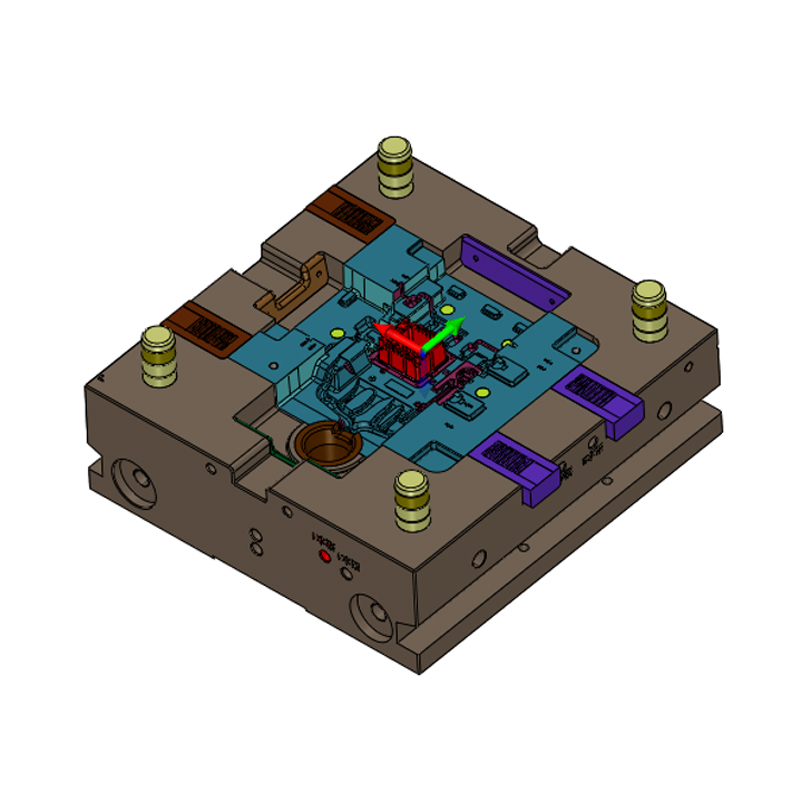
In the advanced field of metallurgical engineering, the performance of Aluminum alloy Die Casting Molds is the decisive factor in achieving near-net-shape components with complex geometries. These molds, often referred to as dies, are engineered to withstand the extreme thermal shock and mechanical stress of molten aluminum being injected at velocities exceeding 50 meters per second. The core functionality of Aluminum alloy Die Casting Molds lies in their ability to facilitate rapid heat extraction while maintaining absolute dimensional stability under internal pressures that can reach 100 MPa. To achieve this, foundries utilize high-performance hot-work tool steels, such as H13 or premium grade DIEVAR, which are subjected to multi-stage heat treatment cycles to reach a hardness of 44-52 HRC. The technical evolution of these molds is characterized by the integration of conformal cooling channels and advanced surface coatings, which collectively work to prevent soldering, erosion, and thermal fatigue (heat checking). Understanding the interplay between mold material chemistry and the fluid dynamics of the molten alloy is essential for ensuring that the final cast products possess high tensile strength, minimal porosity, and superior surface finishes required for critical automotive and aerospace applications.
The operational lifespan of Aluminum alloy Die Casting Molds is primarily limited by thermal fatigue, a phenomenon caused by the cyclical heating and cooling of the mold surface. Each injection cycle subjects the mold to temperatures near 700°C, followed by rapid cooling during the spraying and ejection phases.
High-Performance Tool Steel Selection and Heat Treatment: The foundation of reliable Aluminum alloy Die Casting Molds is the use of vacuum-degassed, ESR (Electro-Slag Remelted) tool steels. These materials are chosen for their high hot-hardness and superior toughness. During the manufacturing process, the mold blocks undergo a series of quenching and tempering cycles designed to optimize the martensitic microstructure. A precise balance must be struck: if the mold is too hard, it becomes brittle and prone to cracking under mechanical impact; if it is too soft, the erosive force of the aluminum stream will rapidly degrade the cavity details. Modern "product word" standards for premium molds often require a secondary tempering stage to relieve residual stresses induced by EDM (Electrical Discharge Machining), significantly extending the "Shot Life" of the die.
Advanced Surface Coatings and Nitriding Processes: To enhance the release properties and prevent chemical bonding between the molten aluminum and the steel, Aluminum alloy Die Casting Molds are frequently treated with specialized surface technologies. Plasma nitriding is a common technical requirement, creating a hard "white layer" that resists abrasion. Furthermore, PVD (Physical Vapor Deposition) coatings such as CrN (Chromium Nitride) or AlCrN are applied to critical areas of the cavity. These coatings act as a thermal barrier and provide a low-friction surface that facilitates the flow of metal into thin-walled sections. By reducing the "Soldering" effect—where aluminum sticks to the mold—these surface treatments minimize downtime for cleaning and ensure a consistent "product word" finish on every casting.
Structural Ribbing and Bolster Plate Engineering: Beyond the cavity itself, the structural architecture of the mold base is vital. Aluminum alloy Die Casting Molds utilize heavy-duty bolster plates made of forged steel to prevent the mold from flexing under the intense clamping forces of the die casting machine. The integration of high-precision guide pillars and bushings ensures that the "Cover" and "Ejector" halves of the mold align perfectly during every cycle. Any misalignment, even by a fraction of a millimeter, can lead to excessive "Flash" or dimensional inaccuracies in the final part. The use of hydraulic core-pulling systems further allows for the creation of complex internal voids, making the mold a truly multifunctional engineering tool.
|
Performance Metric |
Standard Grade Mold (H13) |
Premium Aluminum alloy Die Casting Molds |
|---|---|---|
|
Primary Material |
Standard H13 Steel |
Premium ESR/VAR Tool Steel |
|
Thermal Conductivity |
24 - 28 W/(m·K) |
30 - 35 W/(m·K) |
|
Hardness Range |
44 - 48 HRC |
48 - 52 HRC |
|
Surface Treatment |
Basic Gas Nitriding |
PVD Coating + Plasma Nitriding |
|
Estimated Shot Life |
60,000 - 80,000 Cycles |
120,000 - 200,000+ Cycles |
|
Cooling Efficiency |
Linear Drilled Channels |
Conformal 3D Printed Cooling |
Efficient thermal management is the key to both part quality and production throughput. In Aluminum alloy Die Casting Molds, the time required for the molten metal to solidify accounts for the largest portion of the cycle time.
Integration of Conformal Cooling Channels: Traditional cooling systems in Aluminum alloy Die Casting Molds rely on straight, drilled holes that often cannot reach deep into complex geometries or hot spots. Advanced mold engineering now utilizes "Conformal Cooling," where cooling paths are designed to follow the exact contour of the part cavity. This is often achieved through hybrid manufacturing, where 3D-printed inserts are embedded into the forged mold block. By placing cooling water exactly where it is needed most, the temperature distribution across the mold surface becomes uniform. This reduces internal stresses in the aluminum casting and prevents "Shrinkage Porosity," a common defect in thick-walled sections.
High-Efficiency Thermoregulation Units: To maintain the Aluminum alloy Die Casting Molds at a stable operating temperature (typically between 200°C and 300°C), industrial oil heaters or pressurized water regulators are used. These units circulate thermal fluids through the die before production begins to "pre-heat" the steel, preventing the initial thermal shock that causes early-stage cracking. During production, the system switches to cooling mode, precisely extracting heat to maintain the "Steady State" thermal equilibrium. Sophisticated sensors embedded within the die provide real-time data to the control system, allowing for micro-adjustments in the flow rate of the cooling media.
Thermal Isolation and Manifold Design: To prevent heat from migrating from the mold cavity into the die casting machine's platens, Aluminum alloy Die Casting Molds are fitted with thermal insulation plates. The design of the water and oil manifolds is also critical; they must be engineered to provide equal pressure to all cooling circuits. This prevents "Stagnant Zones" where heat could accumulate, leading to localized mold expansion and subsequent dimensional drift. The use of "Jet Cooling" for small cores—where a high-pressure mist is injected into tiny pins—further ensures that even the smallest details of the mold are kept within the target temperature range.
The geometric complexity of modern aluminum components—ranging from engine blocks to structural chassis members—requires that Aluminum alloy Die Casting Molds be manufactured with tolerances measured in microns.
High-Speed CNC Milling and Hard Machining: The rough and finish machining of Aluminum alloy Die Casting Molds is performed on 5-axis high-speed milling centers. After the mold blocks are heat-treated to their final hardness, "Hard Milling" is employed to achieve the final dimensions. This eliminates the dimensional distortions that often occur during the quenching process. The use of polycrystalline diamond (PCD) or carbide tools allows for the creation of ultra-smooth surfaces, reducing the need for manual polishing. Precise "Draft Angles" are also machined into the cavity walls to ensure that the aluminum part can be ejected without dragging or marring the surface.
Electrical Discharge Machining (EDM) and Surface Integrity: For deep ribs and sharp internal corners that cannot be reached by a milling cutter, EDM is the primary process used in Aluminum alloy Die Casting Molds fabrication. High-purity graphite or copper-tungsten electrodes are used to "burn" the desired shape into the steel. However, the EDM process leaves a "re-cast layer" that is extremely hard and brittle. Professional mold makers use a multi-stage finishing process, including "Micro-Polishing" and "Vapor Honing," to remove this layer and restore the surface integrity of the steel. This prevents the formation of micro-cracks that could expand into major failures under the pressure of the aluminum injection.
Digital Metrology and Mold Fitting: Before the Aluminum alloy Die Casting Molds are put into service, they undergo a rigorous verification process. Coordinate Measuring Machines (CMM) and 3D laser scanners are used to compare the physical mold to the original CAD data. A "Blueing" test or a "Mold Spotting" press is then used to check the contact between the parting surfaces of the mold halves. High-quality molds must show a 90% or higher contact area to prevent "Flash"—where molten metal escapes the cavity. This level of precision ensures that the mold will perform reliably for hundreds of thousands of cycles, providing a stable platform for high-volume aluminum production.
Wangshan Road, Jiangbei District, Ningbo, Zhejiang, China
86-135-64796935
Copyright © Ningbo NKT Tooling Co., Ltd. All Rights Reserved.
 Login
Custom Automotive Aluminum/Zinc Die Casting Molds Manufacturers
Login
Custom Automotive Aluminum/Zinc Die Casting Molds Manufacturers
