
 English
 中文简体
中文简体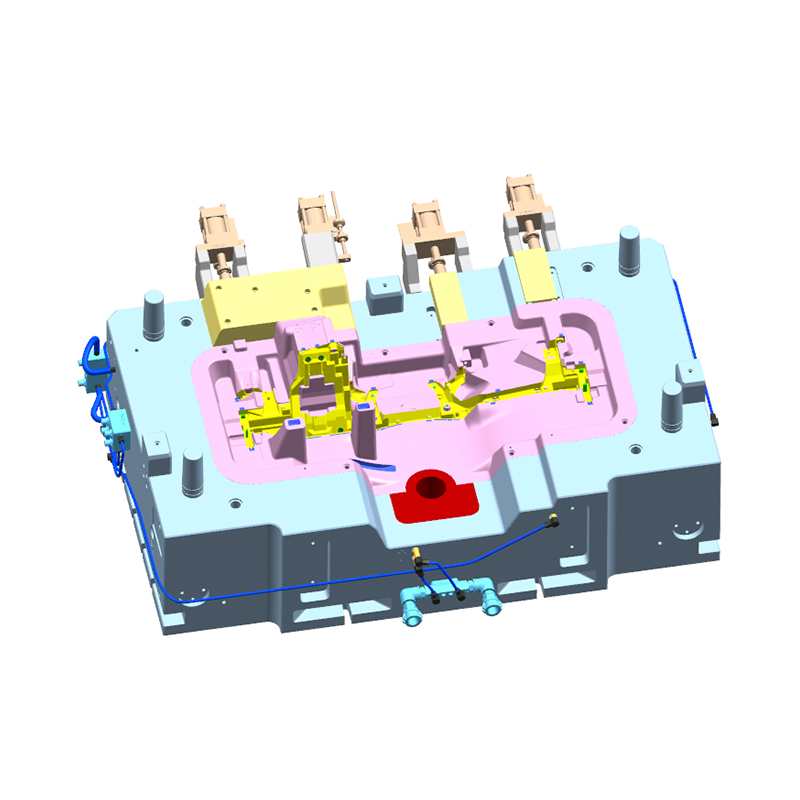



Contact Information
-
 Wangshan Road, Jiangbei District, Ningbo, Zhejiang, China
 -
 86-135-64796935


Get A Quote
How Does Precision Engineering Define the Success of Magnesium Alloy Die Casting Molds?
2026-04-23
Content
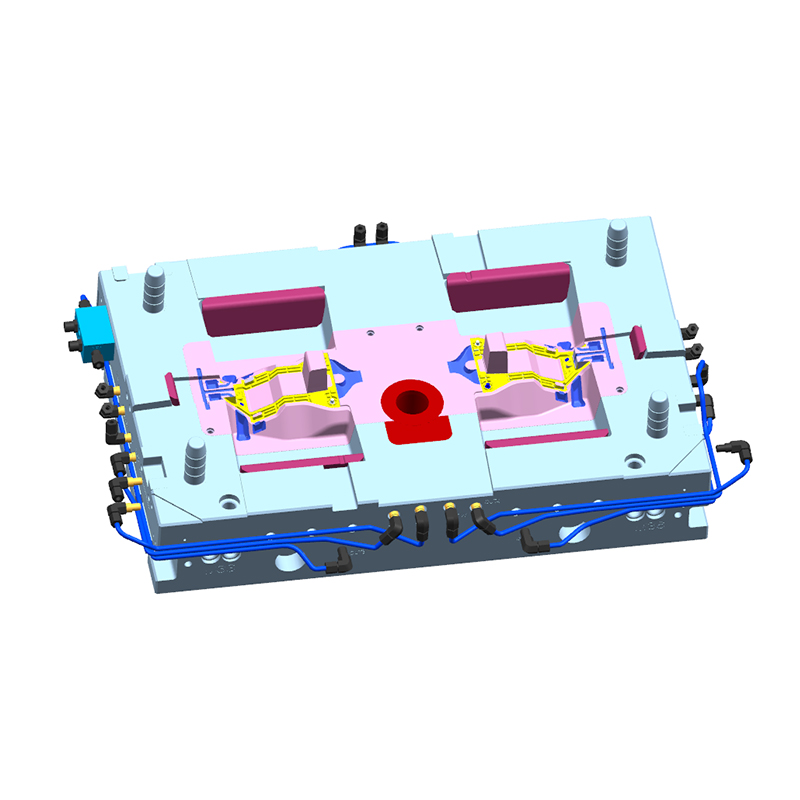
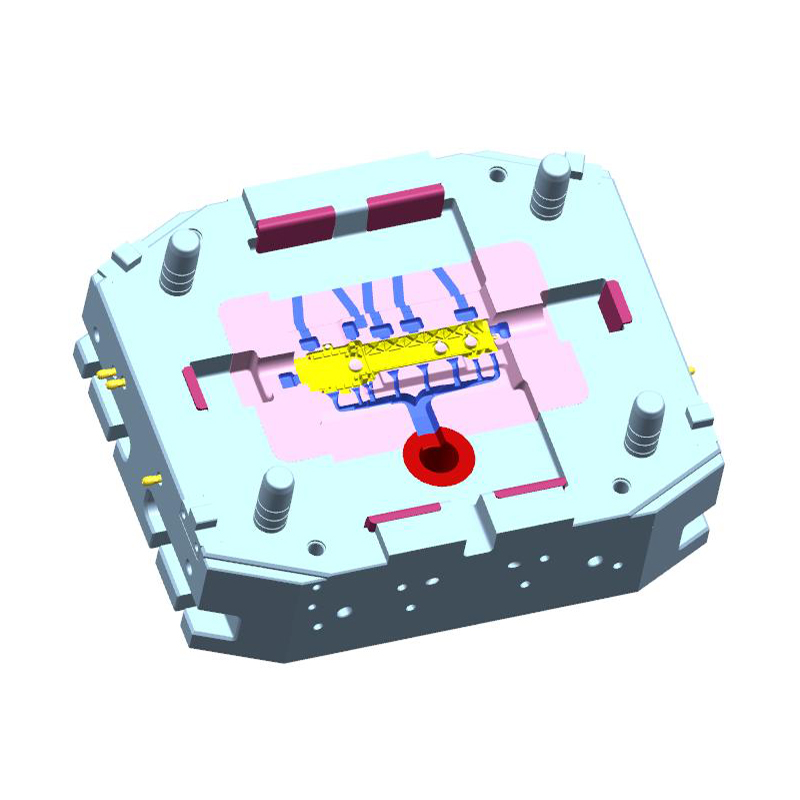
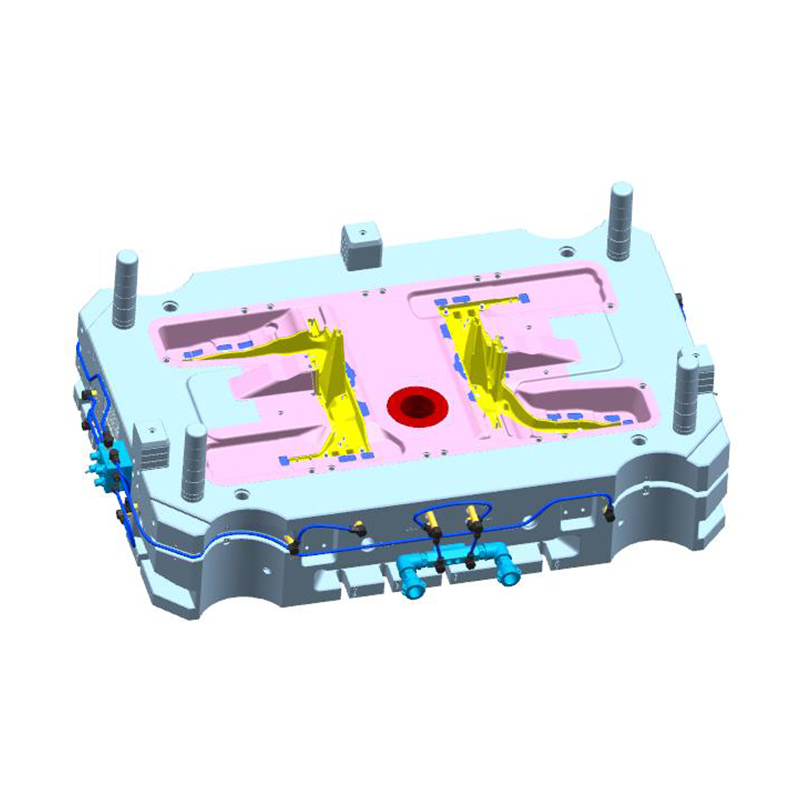
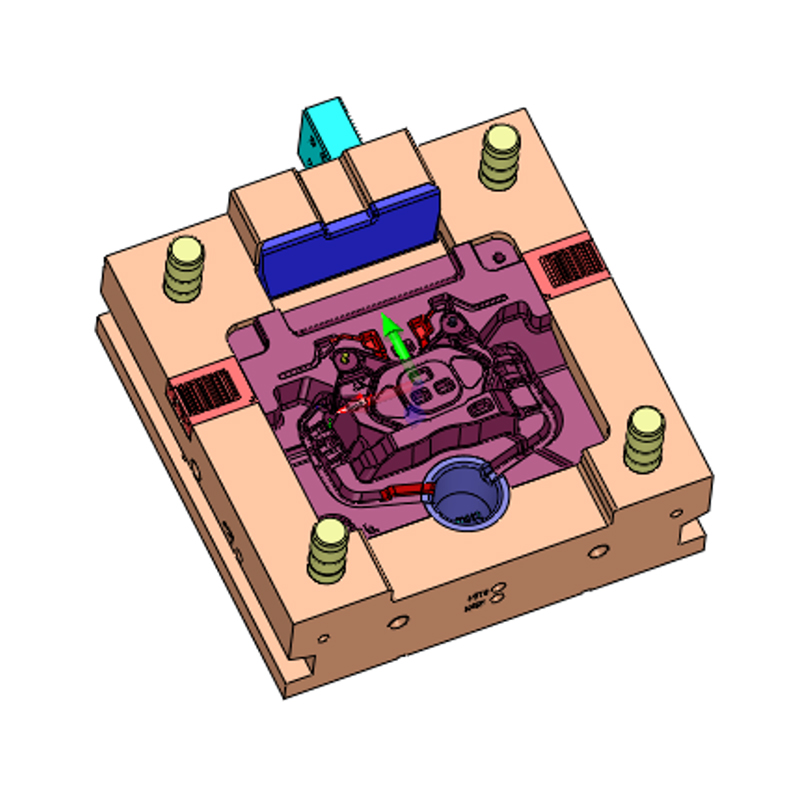
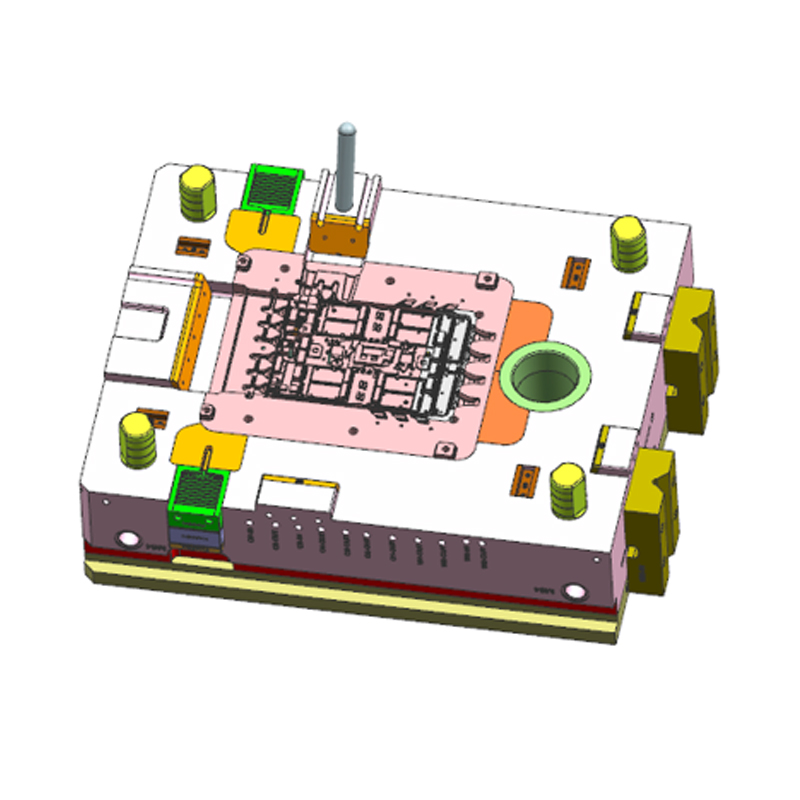
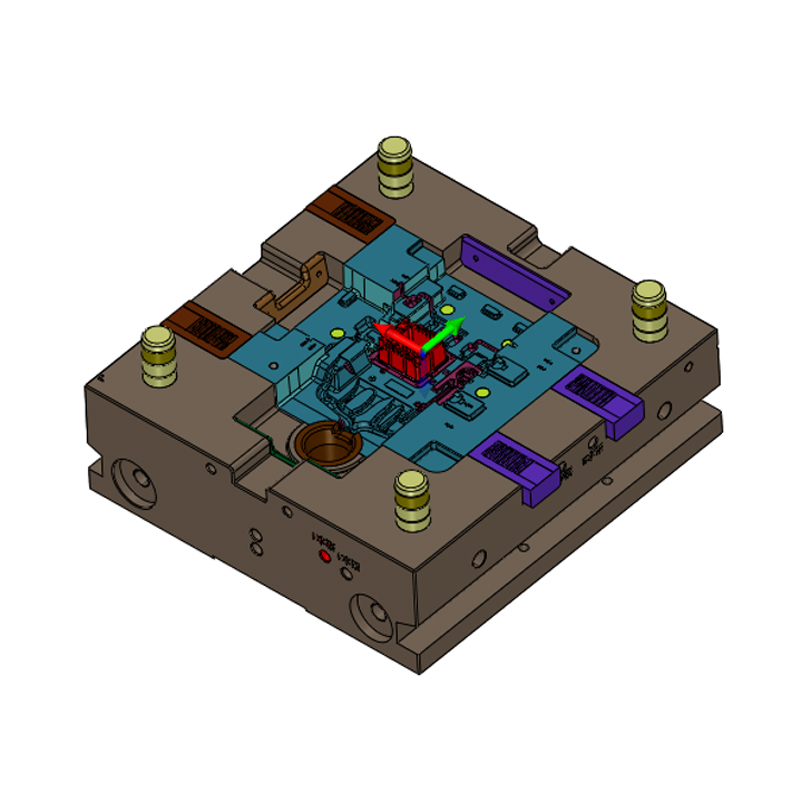
In the contemporary landscape of high-performance manufacturing, the integration of specialized Magnesium Alloy Die Casting Molds has become a cornerstone for producing lightweight yet robust components. Unlike standard aluminum casting, magnesium requires a distinct approach to mold design due to its unique physical properties, including low heat capacity and high reactivity. This report explores the technical intricacies that allow these molds to withstand the rigors of high-volume production while maintaining impeccable dimensional accuracy.
The architecture of a magnesium die casting mold is far more complex than a simple cavity in a steel block. Because magnesium alloys solidify much faster than aluminum, the thermal management system within the mold must be exceptionally responsive. Engineers must prioritize several technical factors to ensure the longevity of the tool and the quality of the final cast.
Premium Material Selection and Heat Treatment: To combat the intense thermal cycling, high-grade H13 hot-work tool steel or upgraded Dievar/8407 steels are typically utilized. These materials offer superior resistance to thermal fatigue (checking) and erosion. The heat treatment process is meticulously controlled to achieve a hardness of 44-48 HRC, balancing toughness with wear resistance.
Advanced Gating and Overflow Systems: The gating system for magnesium alloy die casting molds must facilitate rapid filling—often within milliseconds—to prevent premature solidification. Large overflows are strategically placed to capture "cold" metal and air, ensuring that the critical functional areas of the part are filled with clean, molten alloy.
Precision Cooling and Heating Channels: Magnesium casting requires the mold to operate at a higher, more stable temperature (typically 200°C to 300°C) compared to other alloys. Internal oil-based heating/cooling lines are drilled with high precision to maintain thermal equilibrium, reducing the risk of "hot tears" in the product.
|
Technical Feature |
Specification for Magnesium Molds |
Impact on Production |
|---|---|---|
|
Draft Angle |
1.5° to 2.5° |
Prevents sticking and facilitates smooth ejection |
|
Surface Coating |
PVD (Chromium Nitride / AlCrN) |
Reduces soldering and extends tool life |
|
Wall Thickness |
Minimum 1.0mm - 1.5mm |
Enables thin-wall lightweight component design |
|
Injection Speed |
5m/s to 10m/s (Gate Speed) |
Ensures complete filling before solidification |
|
Tolerances |
±0.02mm to ±0.05mm |
High precision for complex automotive parts |
The chemical affinity of magnesium for iron often leads to "soldering"—a phenomenon where the molten magnesium bonds to the steel surface of the mold. If left unmanaged, this causes surface defects on the parts and eventual catastrophic failure of the mold. To mitigate this, specialized surface treatments and maintenance protocols are strictly followed.
Innovative PVD and CVD Coatings: Modern magnesium alloy die casting molds frequently employ Physical Vapor Deposition (PVD) coatings. These ultra-thin layers (often AlCrN or TiAlN) provide a barrier that prevents direct contact between the molten magnesium and the steel substrate. This significantly reduces the frequency of manual cleaning and polishing, thereby increasing the "up-time" of the casting cell.
Automated Lubrication and Die Spray Systems: The application of release agents is a science in itself. Precise, automated spray manifolds apply a thin, consistent layer of lubricant after every cycle. This not only aids in part ejection but also provides a vital cooling effect, protecting the mold's surface from the 650°C thermal shock of the incoming metal.
Stress Relieving Maintenance Cycles: After a predetermined number of "shots" (cycles), the molds are removed from the machine for stress-relieving tempering. This process "heals" micro-cracks that form due to thermal expansion, effectively resetting the fatigue clock of the tool and preventing major cracks that would render the magnesium alloy die casting molds useless.
Before a single piece of steel is cut, advanced computational fluid dynamics (CFD) and thermal analysis software are used to "virtualize" the casting process. This digital twin approach is vital for magnesium because the window for a perfect cast is incredibly narrow.
Filling and Solidification Modeling: By simulating the flow of molten magnesium through the mold, engineers can identify potential areas of turbulence or air entrapment. Adjusting the runner geometry in the software allows for a "laminar-like" flow, which is essential for structural components like steering wheel armatures or laptop housings where porosity is unacceptable.
Thermal Balance Simulation: Software predicts the "hot spots" within the mold during a continuous run. If one area of the magnesium alloy die casting mold stays too hot, it will lead to shrinkage porosity; if too cold, it causes "cold shuts." The simulation allows for the redesign of cooling lines—sometimes using conformal cooling (3D printed inserts)—to ensure every square millimeter of the mold is at the optimal temperature.
Structural Integrity Analysis of the Die: The high injection pressures used in magnesium die casting (up to 100 MPa) exert massive forces on the mold halves. Finite Element Analysis (FEA) is used to ensure the mold base and inserts do not deflect or "flash" during injection, which is critical for maintaining the tight tolerances required by high-tech industries.
By focusing on these rigorous engineering standards, Magnesium Alloy Die Casting Molds enable the production of complex, high-strength, and feather-light products that define modern portable electronics and automotive engineering.
Wangshan Road, Jiangbei District, Ningbo, Zhejiang, China
86-135-64796935
Copyright © Ningbo NKT Tooling Co., Ltd. All Rights Reserved.
 Login
Custom Automotive Aluminum/Zinc Die Casting Molds Manufacturers
Login
Custom Automotive Aluminum/Zinc Die Casting Molds Manufacturers
