
 English
 中文简体
中文简体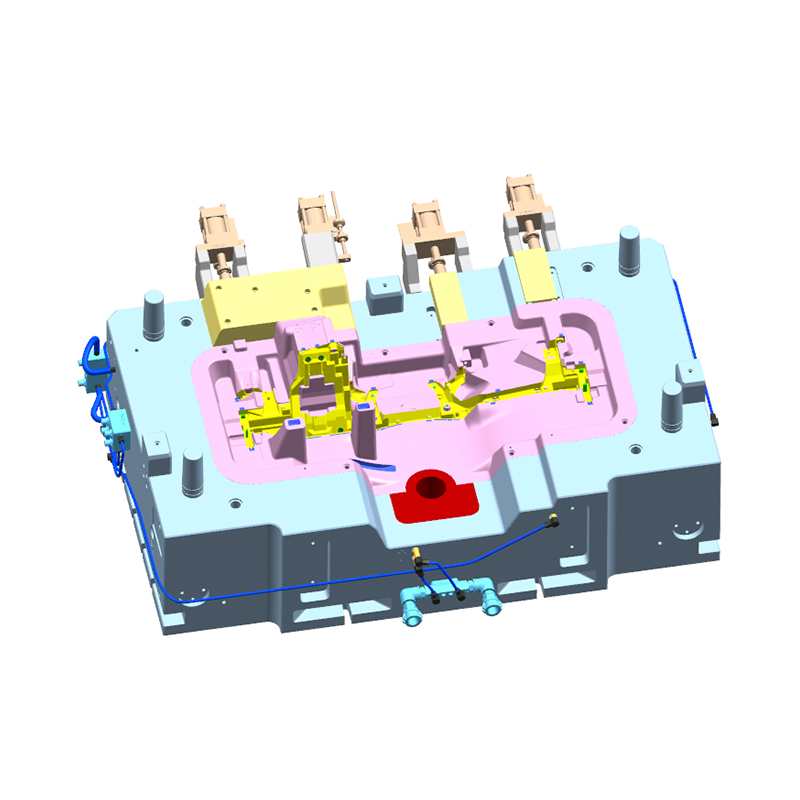



Contact Information
-
 Wangshan Road, Jiangbei District, Ningbo, Zhejiang, China
 -
 86-135-64796935

Get A Quote
What Are the Technical Requirements for Die Casting Molds for Electric Drive Series Components?
2026-03-19
Content
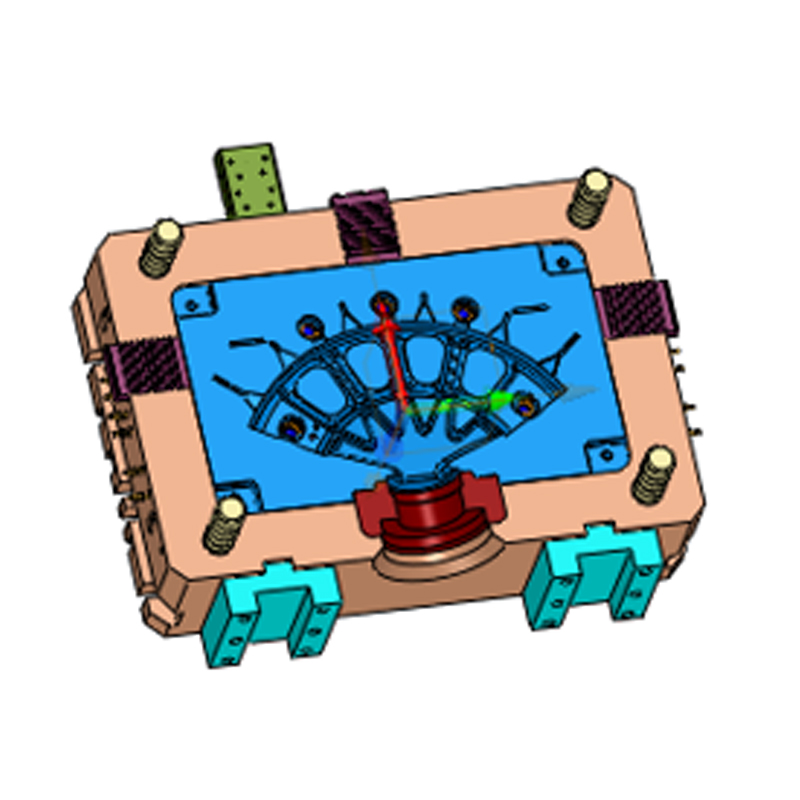
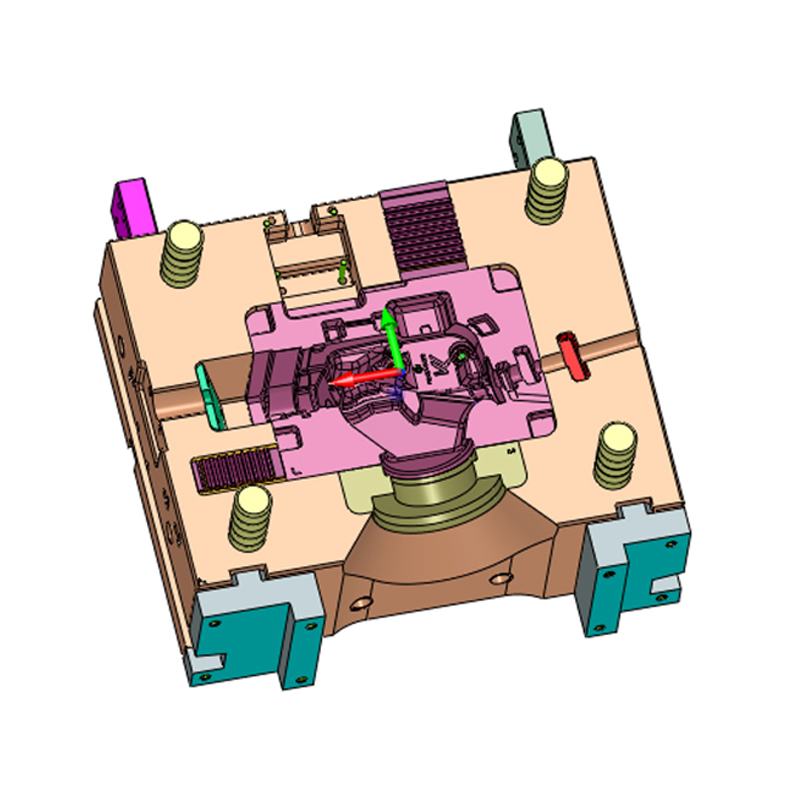
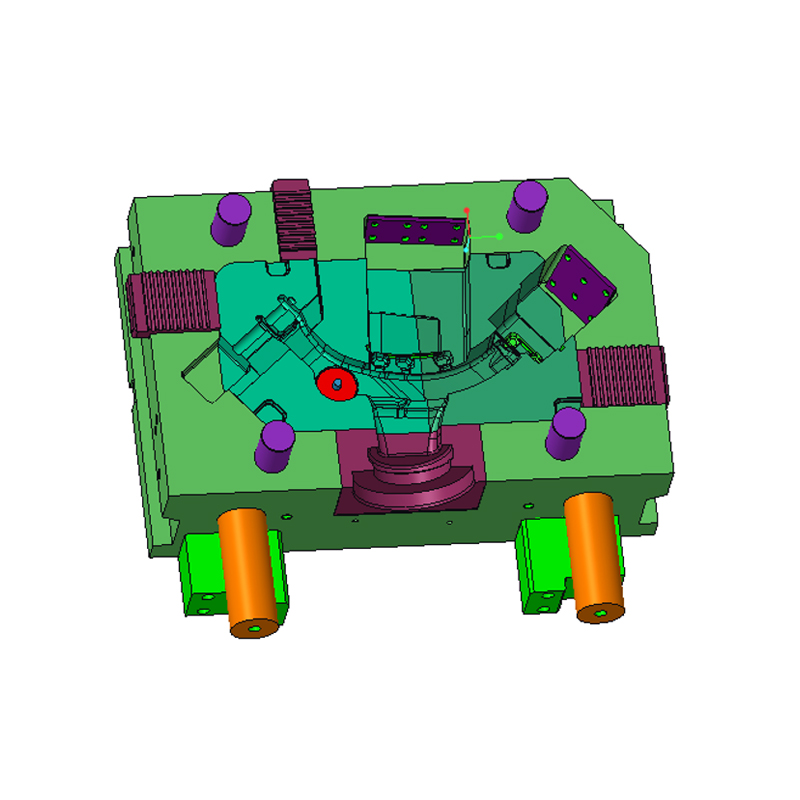
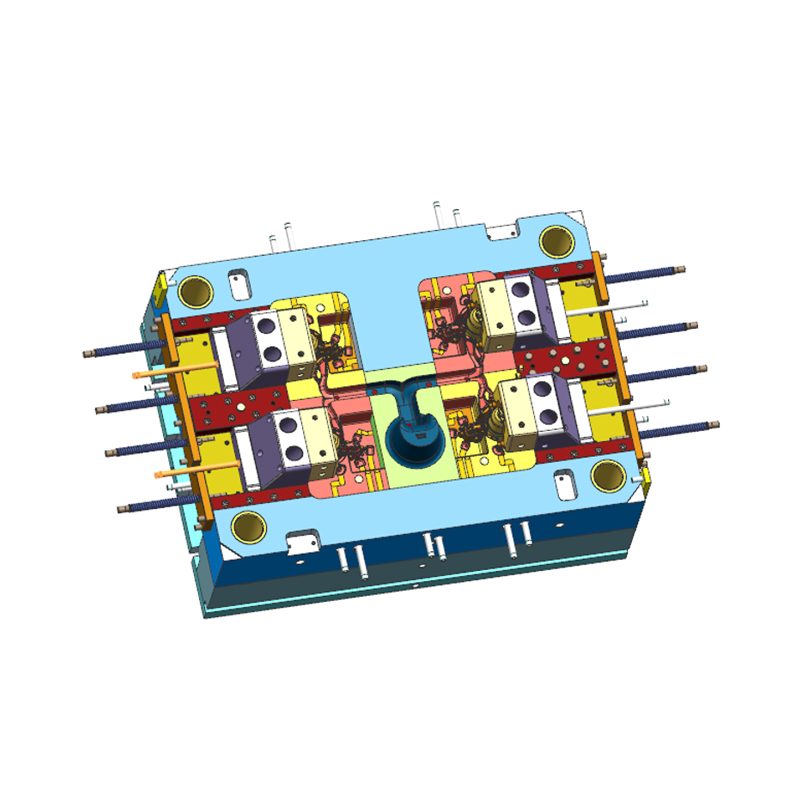
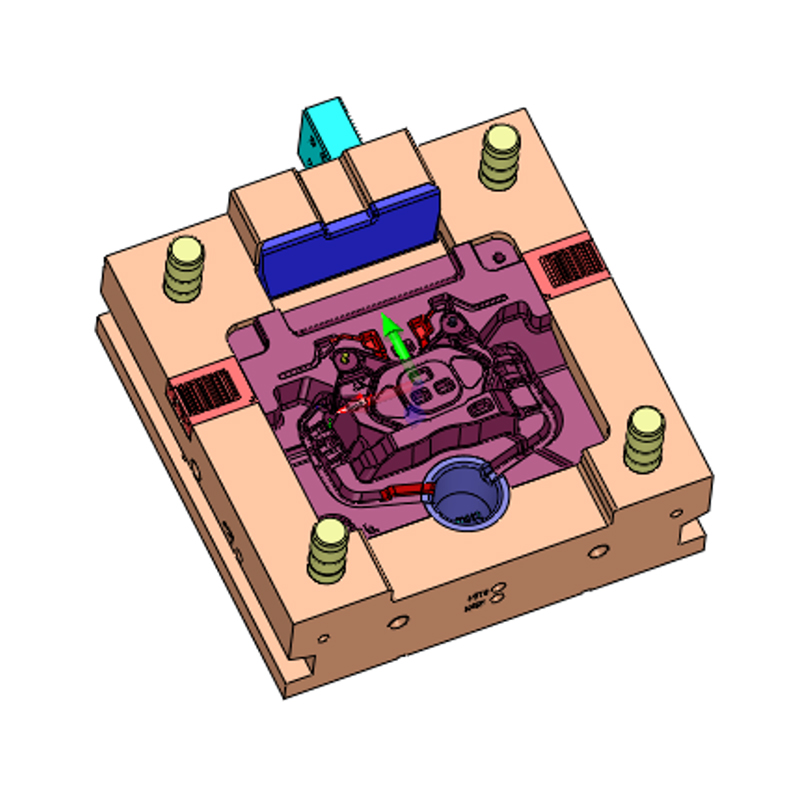
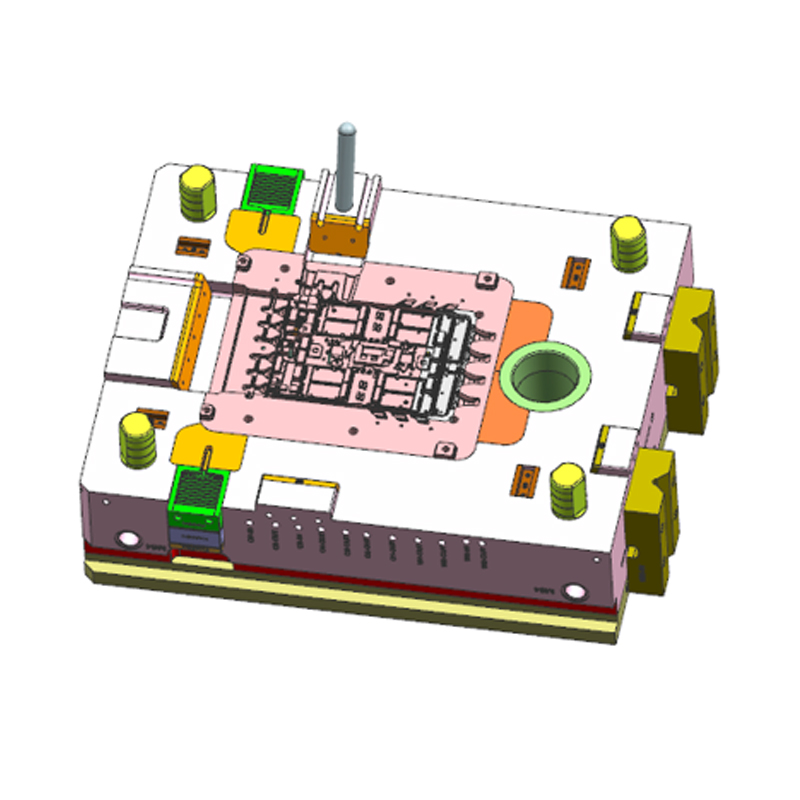
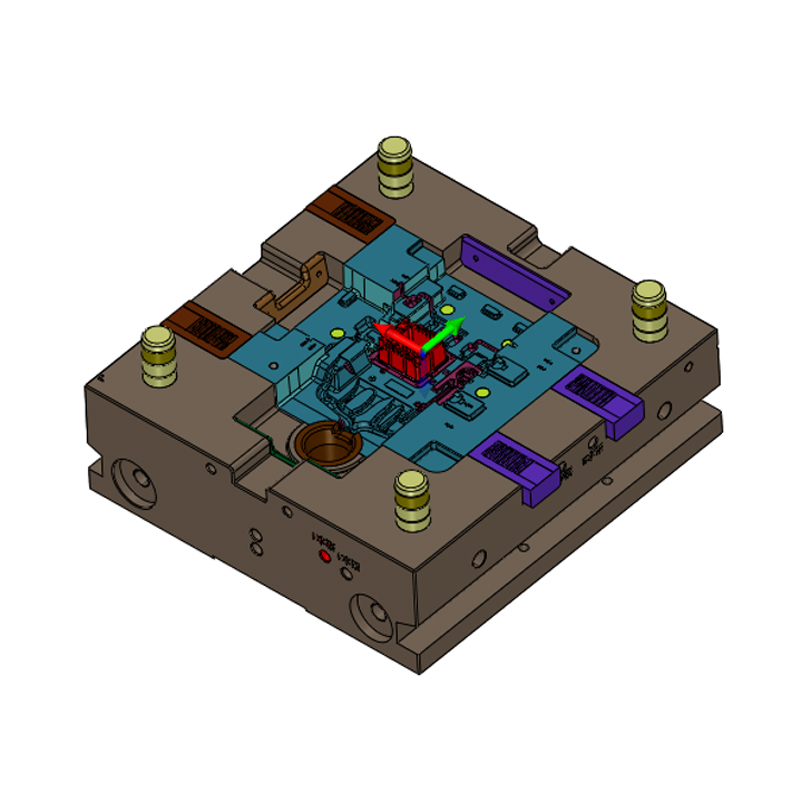
The rapid global expansion of new energy vehicle production has created one of the most technically demanding segments in the die casting mold industry. New Energy Vehicle Die Casting Molds must satisfy requirements that differ substantially from those of conventional automotive molds: the components they produce are larger, more geometrically complex, subject to tighter dimensional tolerances, and must achieve higher levels of structural integrity than typical powertrain or chassis castings because the mechanical and electrical consequences of dimensional or porosity defects in battery housings, electric motor housings, and power electronics enclosures are severe. As a result, the design, material selection, and process engineering requirements for New Energy Vehicle Die Casting Molds represent the current frontier of high pressure die casting technology.
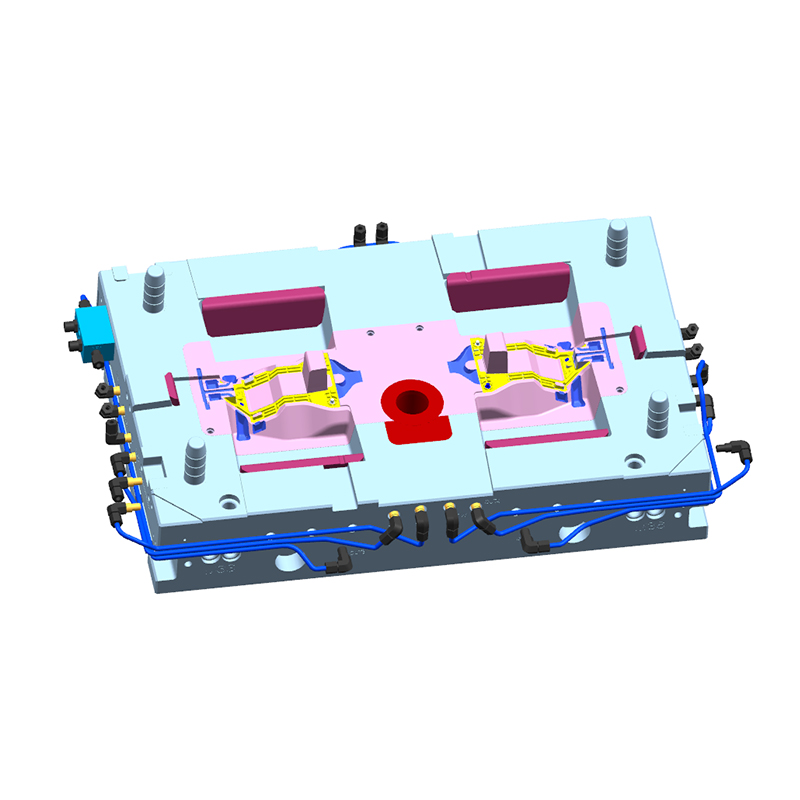
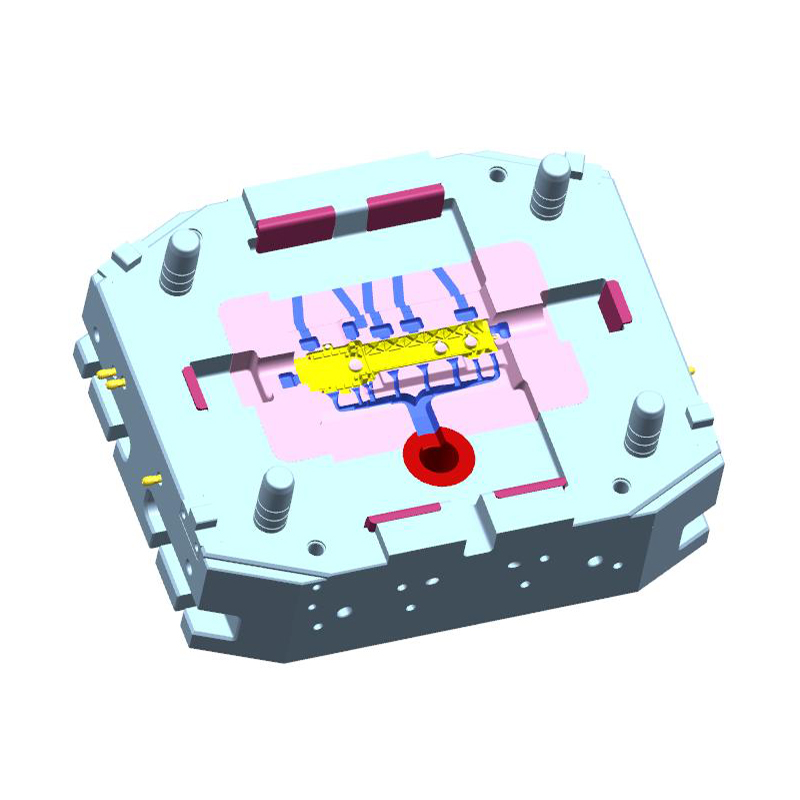
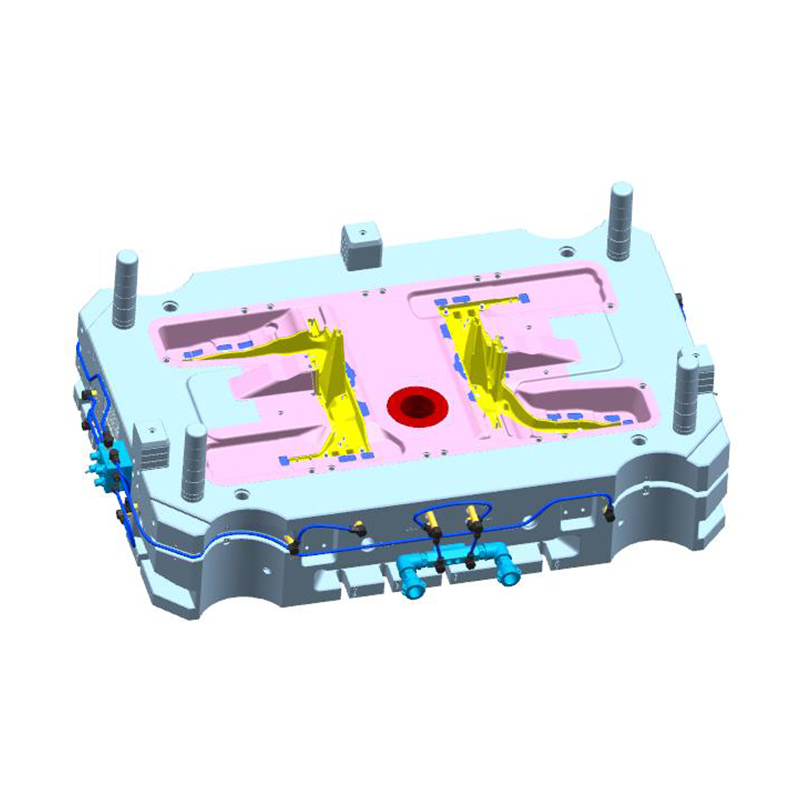
The direct conclusion for anyone specifying or procuring these molds is this: Die Casting Molds for Electric drive series components, including electric motor housings, reduction gearbox casings, on board charger housings, and inverter enclosures, must be designed to achieve complex thin wall castings in aluminum alloy at shot weights and projected areas that require machine sizes of 1,600 to 6,000 tons or above, with gating and overflow systems engineered for low porosity, high integrity casting results that can pass both X ray and pressure tight testing. The mold must also accommodate the thermal management requirements of these components, many of which incorporate integral cooling channels that are cast in place or machined after casting. This article covers the technical requirements, design considerations, and performance standards for New Energy Vehicle Die Casting Molds and electric drive series molds in full depth.
New energy vehicles require a range of aluminum die cast components that did not exist in the conventional internal combustion engine vehicle, or that exist in substantially different and more demanding forms. The structural battery tray, the integrated electric drive unit housing, and the combined motor, gearbox, and inverter housing represent aluminum castings of a scale and geometric complexity that have driven the development of ultra large die casting machines with clamping forces from 6,000 to 16,000 tons, a category that barely existed before the demands of new energy vehicle architecture made it commercially necessary.
The principal casting families requiring New Energy Vehicle Die Casting Molds include:
Die Casting Molds for Electric drive series components must meet a significantly higher technical specification than molds for standard automotive castings. The requirements fall into several interconnected engineering categories that must all be addressed simultaneously in mold design and manufacture.
The repeated thermal cycling inherent in high pressure die casting (mold surface temperatures oscillate from approximately 170 degrees Celsius at the point of metal filling to 220 to 280 degrees Celsius after the shot, and return to approximately 150 to 170 degrees Celsius after cooling) generates thermal fatigue stress in the mold cavity surfaces over time. For New Energy Vehicle Die Casting Molds producing large, thick wall castings with slow cooling cycles, this thermal cycling is particularly severe. Premium die steel grades including H13 (AISI H13 or DIN 1.2344) and its superior variants such as upgraded H13 with nitrogen treatment or premium grades such as 1.2367 and 1.2885 are the standard specification for electric drive mold cavity inserts, with typical achieved service lives of 80,000 to 150,000 shots before the mold requires cavity refurbishment or replacement, depending on casting alloy, shot parameters, and cooling system design.
The gating system of a Die Casting Mold for Electric drive series components must deliver the aluminum melt to the cavity at the correct velocity, temperature, and pressure profile to produce castings with the minimum possible porosity at the critical machined and sealed surfaces. Gate velocities of 40 to 60 meters per second at the gate cross section are the typical design target for aluminum alloy electric drive castings, with gate area sized to produce a fill time of 30 to 80 milliseconds for most motor and gearbox housing castings. Underfilling (too slow) results in cold shut defects at thin sections; overfilling pressure or excessive gate velocity results in turbulence induced porosity and oxide inclusions at the gate adjacent areas.
Overflow wells and vacuum assisted die casting are standard features of high specification New Energy Vehicle Die Casting Molds. Overflow wells positioned at the last fill points of the casting collect the cold, oxidized frontal metal that reaches the overflow locations last and would otherwise be entrapped in the casting. Vacuum systems that reduce cavity air pressure to 50 to 100 mbar before and during filling dramatically reduce the residual air and gas content in the casting, which directly reduces porosity and improves the mechanical properties and pressure tightness of the finished part.
The cooling circuit design in Die Casting Molds for Electric drive series is one of the most critical factors determining both casting quality and production cycle time. Water cooling circuits drilled through the mold body and positioned as close as possible to the casting cavity surface accelerate heat extraction from the solidifying casting, reducing the solidification time and therefore the production cycle. For a motor housing casting with a nominal wall thickness of 4 to 5 mm in aluminum alloy, optimized cooling design can achieve solidification times of 12 to 20 seconds, compared to 25 to 40 seconds in an under cooled mold, representing a cycle time improvement of up to 50 percent that has direct impact on production capacity and tooling economics over the life of the mold.
| Component Category | Typical Machine Tonnage | Key Casting Quality Requirement | Critical Mold Design Feature | Typical Mold Service Life (shots) |
|---|---|---|---|---|
| Electric motor housing | 1,600 to 3,500 tons | IP67 seal surface integrity, bearing bore accuracy | Vacuum system, conformal cooling near bore | 80,000 to 120,000 |
| Reducer gearbox housing | 1,600 to 2,500 tons | Gear bore position tolerance plus or minus 0.05 to 0.10 mm | Rigid mold base, precision slide alignment | 100,000 to 150,000 |
| Integrated e axle housing | 3,500 to 6,000 tons | X ray grade A porosity, pressure tight sealing | Multi point vacuum, optimized overflow network | 80,000 to 100,000 |
| Inverter and OBC enclosure | 1,000 to 2,000 tons | Flat PCB mounting surfaces, thin wall integrity | Balanced gating for even fill, rib junction overflow | 100,000 to 150,000 |
| Battery structural tray | 6,000 to 16,000 tons | Structural integrity, zero porosity at bolt hole bosses | Large area vacuum system, segmented mold cooling | 50,000 to 80,000 |
New Energy Vehicle Die Casting Molds for electric drive series components undergo a rigorous multi stage qualification process before production approval is granted by vehicle OEM customers. This process is substantially more demanding than the qualification applied to conventional automotive casting molds because the functional consequences of casting defects in safety critical electric drive components include electrical failure, thermal runaway in battery systems, and structural failure in load bearing housings. The typical qualification sequence for Die Casting Molds for Electric drive series components involves the following stages:
New Energy Vehicle Die Casting Molds represent the highest technical tier of die casting tooling in current commercial production. The combination of component scale, geometric complexity, dimensional precision requirements, and casting integrity standards demanded by electric drive series applications is driving continuous advancement in mold steel technology, cooling system design, vacuum die casting capability, and simulation based process optimization. Toolmakers and foundries that develop competence in this category are positioned at the forefront of a market segment whose growth is directly coupled to the global adoption of electric vehicles, one of the most significant manufacturing transitions of the current industrial era.
Wangshan Road, Jiangbei District, Ningbo, Zhejiang, China
86-135-64796935
Copyright © Ningbo NKT Tooling Co., Ltd. All Rights Reserved.
 Login
Custom Automotive Aluminum/Zinc Die Casting Molds Manufacturers
Login
Custom Automotive Aluminum/Zinc Die Casting Molds Manufacturers
