
 English
 中文简体
中文简体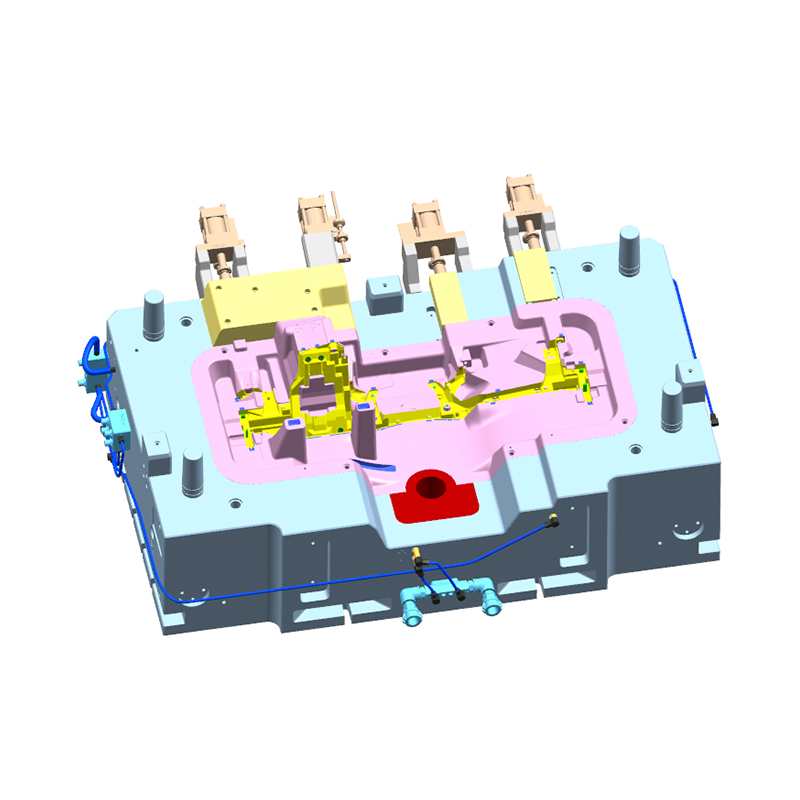



Contact Information
-
 Wangshan Road, Jiangbei District, Ningbo, Zhejiang, China
 -
 86-135-64796935

Get A Quote
How Do Die Casting Molds for Motor Achieve Precision for High Pressure Casting Controllers?
2026-01-22
Content
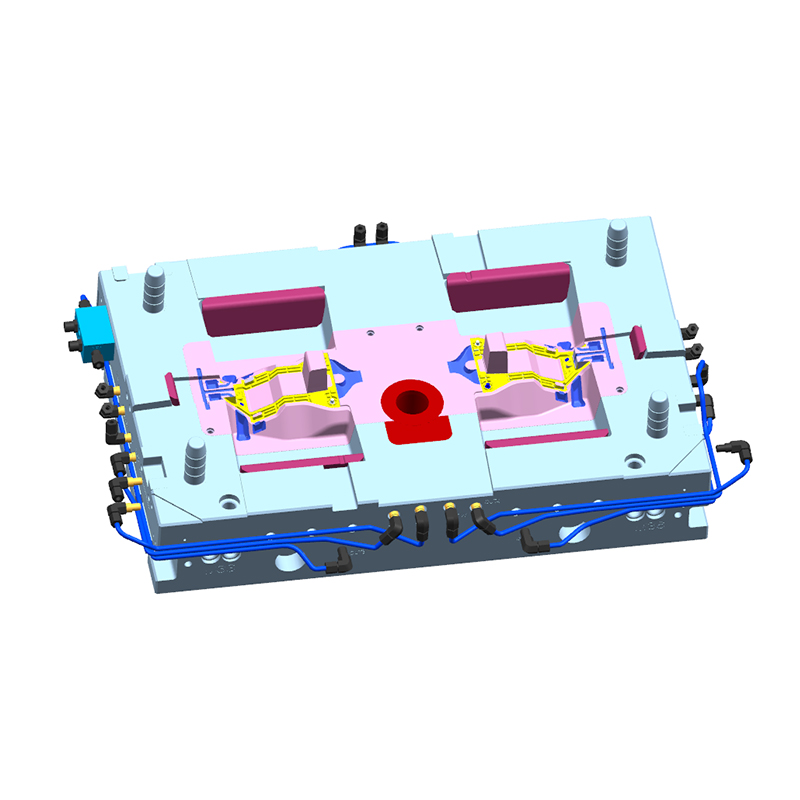
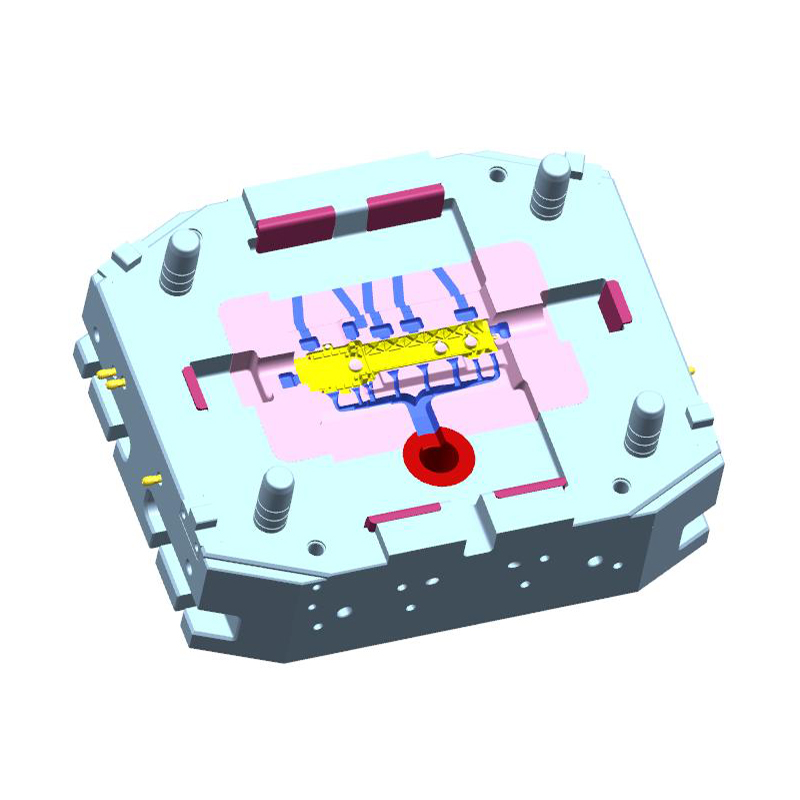
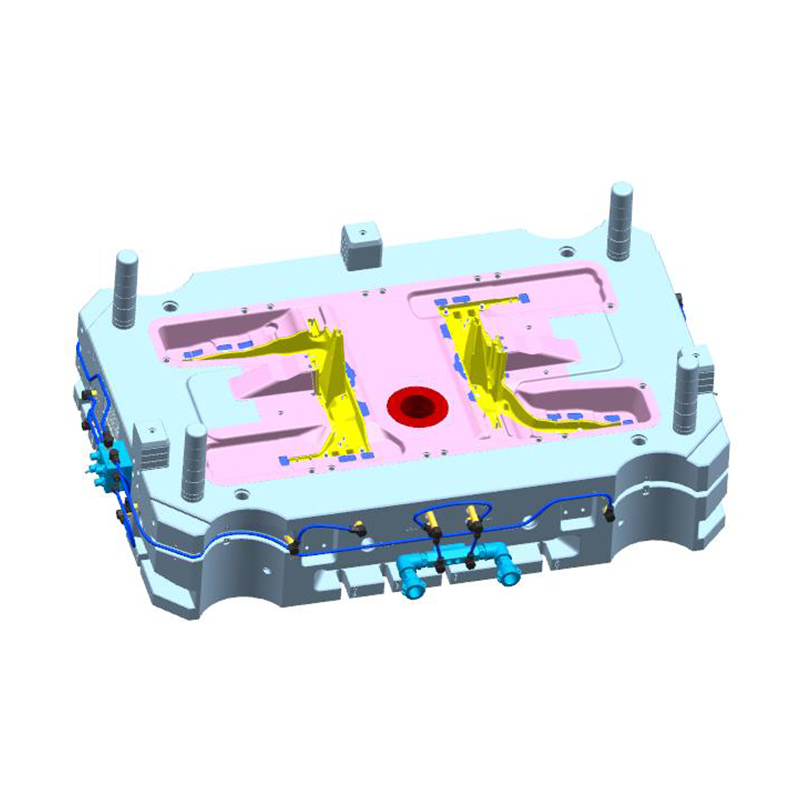
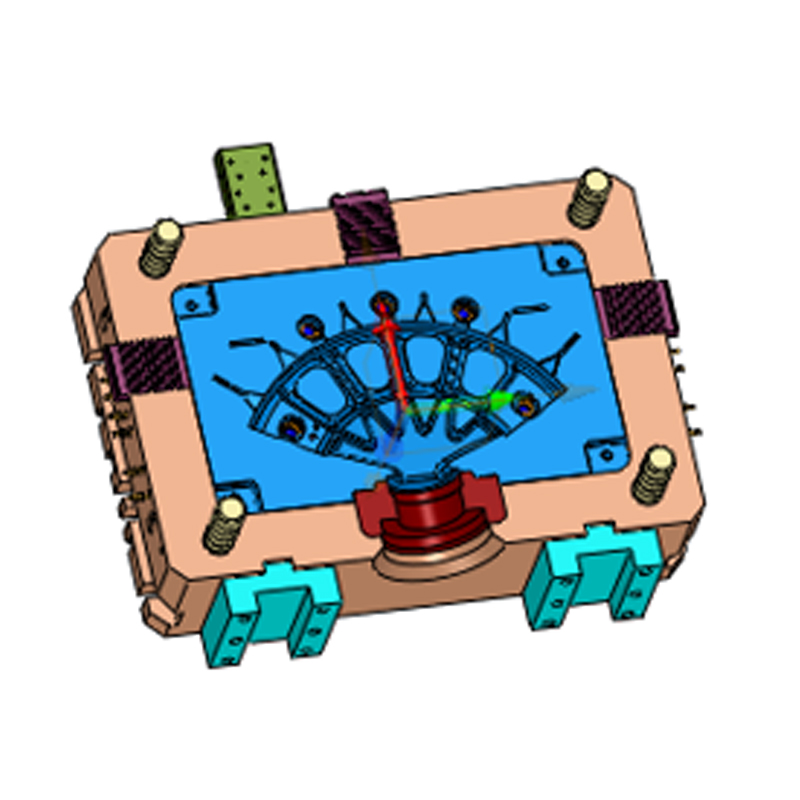
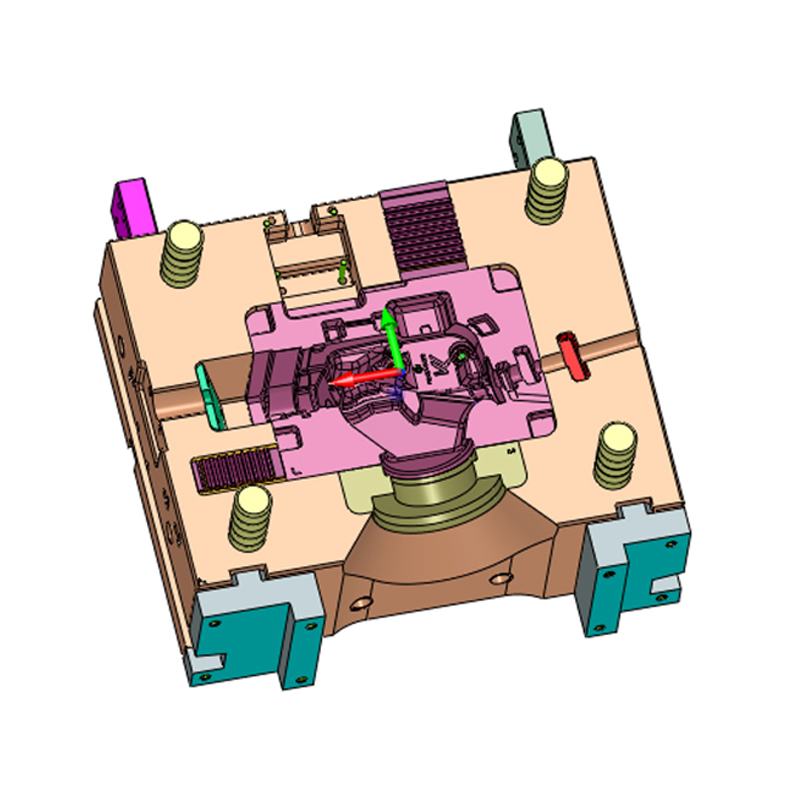
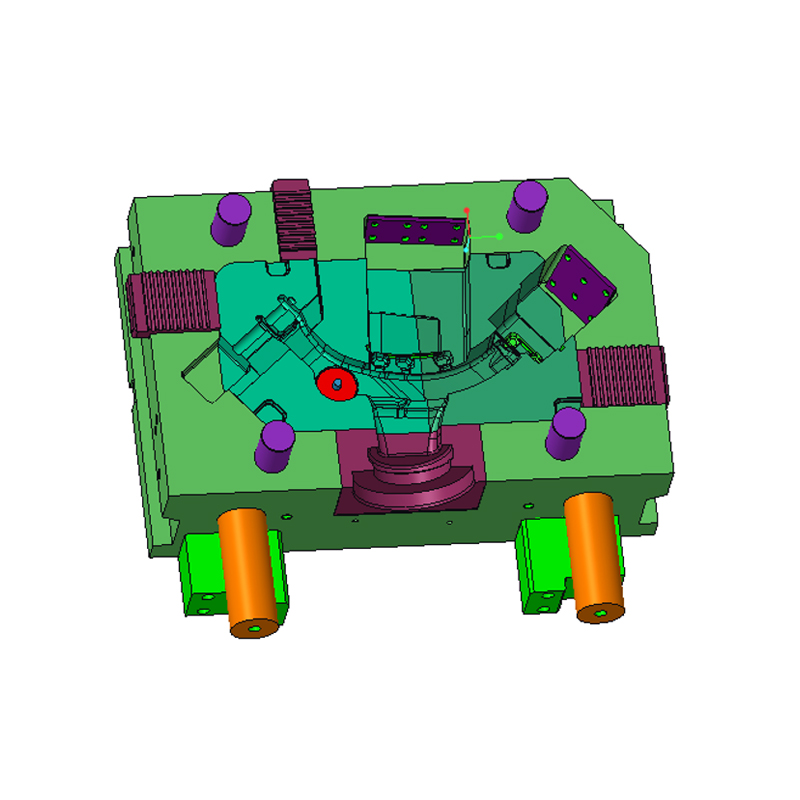
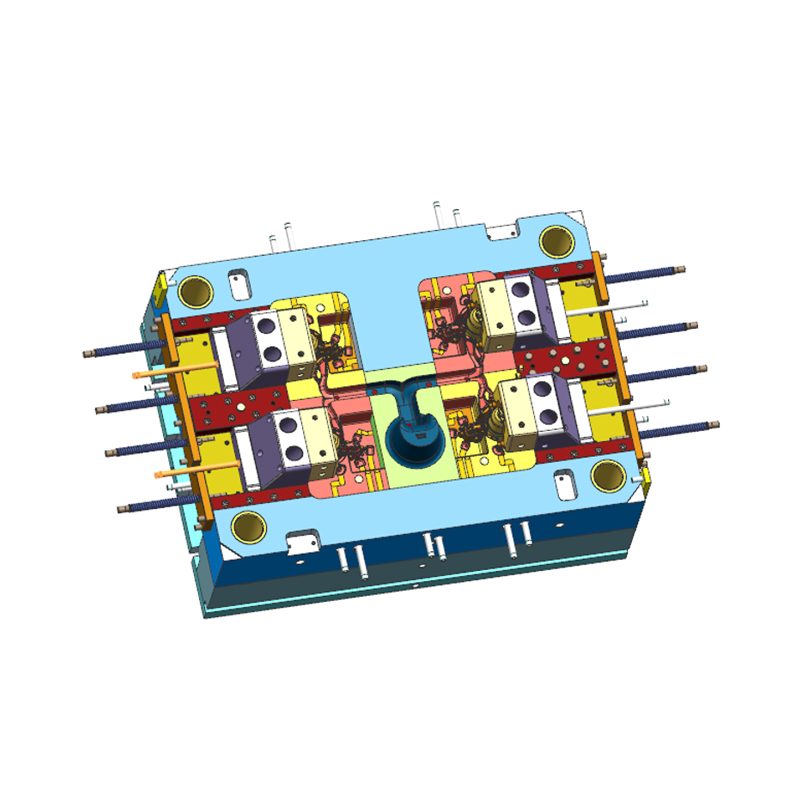
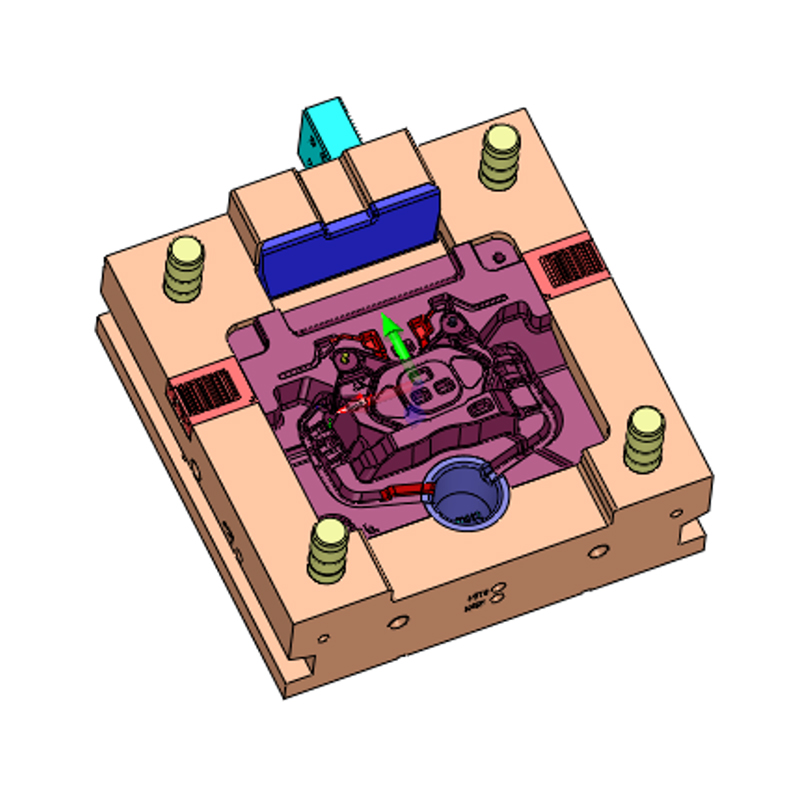
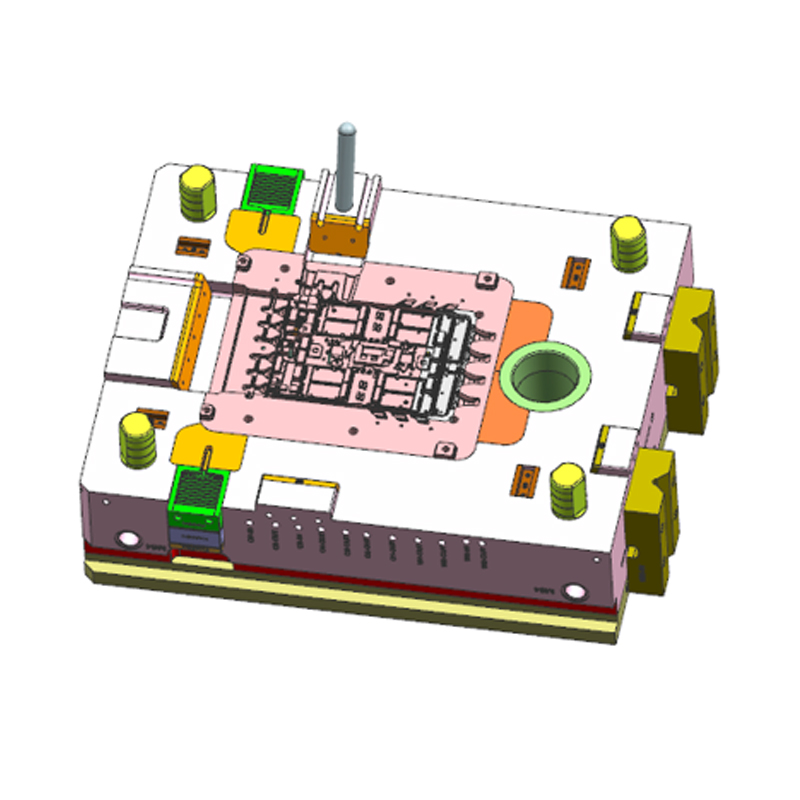
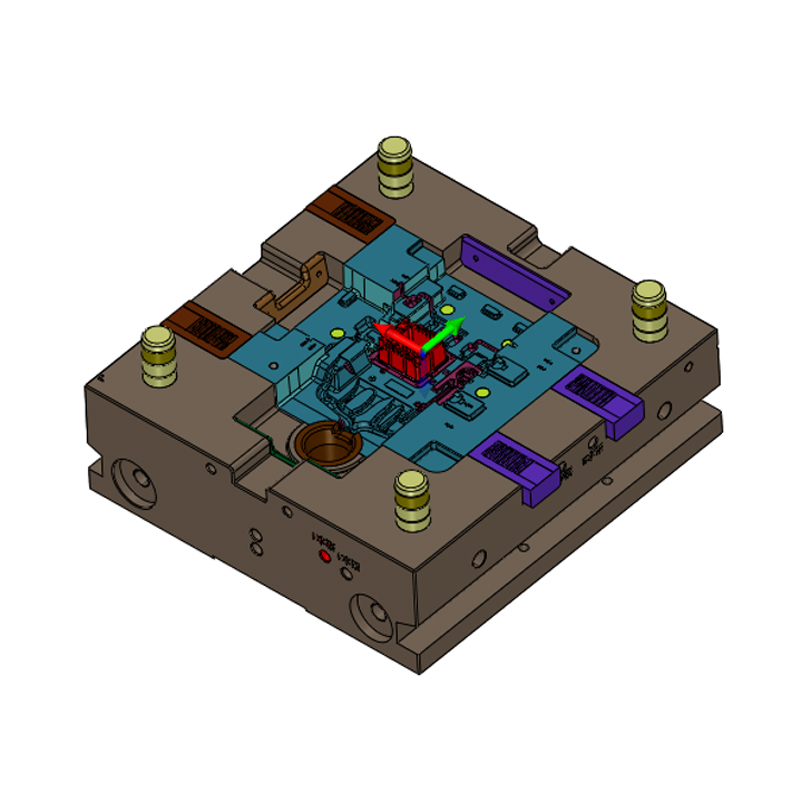
The manufacturing of high-performance components for electric drive systems requires a synergy between advanced metallurgy and precision engineering. Specifically, the production of an Aluminum Alloy High Pressure Casting Controller relies heavily on the sophistication of Die Casting Molds for Motor. How does the integration of ADC12 aluminum alloy and high-pressure casting technology ensure the stability of the electric drive system in long-term and efficient operation?
The choice of material dictates the thermal and structural performance of the controller housing in demanding automotive environments.
How does ADC12 aluminum alloy provide excellent mechanical strength and stability?
The Aluminum Alloy High Pressure Casting Controller is made of ADC12 aluminum alloy material, a silicon-copper-aluminum alloy known for its superior fluidity and pressure tightness. In the context of the electric drive system of new energy vehicles, this material provides the necessary rigidity to protect sensitive electronic components while offering high dimensional stability. This ensures that the controller can work stably under high load and high temperature environment without compromising its structural integrity.
How does the material adapt to various working conditions in the automotive electric drive system? Vehicle drive systems are subjected to constant vibration, thermal cycling, and environmental exposure. ADC12 aluminum alloy provides a balanced profile of corrosion resistance and thermal conductivity. By utilizing this specific alloy in the Die Casting Molds for Motor, manufacturers can produce a housing that dissipates heat effectively while maintaining a high strength-to-weight ratio, which is essential for maximizing vehicle efficiency and range.
The manufacturing process is as critical as the material itself in determining the final quality of the controller.
What are the benefits of precisely manufacturing through the high pressure casting process?
The Aluminum Alloy High Pressure Casting Controller is precisely manufactured through high pressure casting process. This method involves injecting molten metal into the Die Casting Molds for Motor at high velocities and extreme pressures. This technique is used to ensure the smooth surface, precise size, and uniform internal distribution of the controller. By minimizing porosity and ensuring a dense grain structure, the high-pressure method guarantees the stability of the electric drive system even during peak performance cycles.
How does the process impact the long-term operation of the electric drive system?
The uniformity achieved through high-pressure casting prevents localized stress concentrations. When a controller operates in an electric drive system, it must withstand constant electrical and mechanical stress. The precision of the casting process ensures that all mounting points, cooling fins, and internal compartments align perfectly with the overall system design, facilitating a seamless and efficient operation over the vehicle's lifespan.
|
Parameter |
Specification |
|---|---|
|
Product Category |
Aluminum Alloy High Pressure Casting Controller |
|
Core Component |
Controller for New Energy Vehicle Electric Drive System |
|
Material Grade |
ADC12 Aluminum Alloy |
|
Mold Architecture |
Die Casting Molds for Motor |
|
Cavity Configuration |
1cav Single-Cavity Design |
|
Machine Tonnage |
1300T Mold Tonnage |
|
Casting Method |
High Pressure Die Casting (HPDC) |
|
Operating Environment |
High Load & High Temperature Stability |
The physical capacity of the casting equipment directly influences the quality of the final part.
Why is 1300T mold tonnage necessary for this specific controller?
The 1300T mold tonnage of the controller provides the clamping force required to keep the Die Casting Molds for Motor perfectly sealed during the injection of molten ADC12 alloy. At high pressures, the molten metal exerts massive force against the mold walls. A 1300T press ensures that the mold halves do not separate even by a fraction of a millimeter, which is crucial for preventing flash and ensuring the high precision and consistency of the product.
How does high tonnage contribute to the uniform internal distribution of the alloy?
With 1300T of force, the casting machine can sustain the intense pressure needed to "pack" the metal into the furthest reaches of the mold cavity. This high-pressure intensification phase is what creates the uniform internal distribution mentioned earlier. It eliminates micro-voids and ensures that the walls of the Aluminum Alloy High Pressure Casting Controller have consistent density, which is vital for both electromagnetic shielding and structural durability.
Mold design strategy often involves a trade-off between volume and precision.
Why choose a 1cav single-cavity mold design over multi-cavity options?
The 1cav single-cavity mold design is employed to prioritize quality and consistency. In a single-cavity setup, the thermal balance across the mold is much easier to control compared to multi-cavity molds. This control ensures that every Aluminum Alloy High Pressure Casting Controller produced is identical to the last. For critical components in the electric drive system of new energy vehicles, where tolerances are exceptionally tight, a single-cavity design minimizes the risk of dimensional drift.
How does the mold design ensure precise size and smooth surface?
Because the 1300T tonnage is concentrated on a single cavity, the filling profile is highly predictable. The Die Casting Molds for Motor can be engineered with optimized gating and venting systems that are specific to that one part. This results in a superior surface finish that often requires minimal post-processing, ensuring that the controller housing meets the aesthetic and functional requirements of modern automotive assembly lines.
The electric drive system is the heart of a new energy vehicle, and its controller must be unfailing.
What design features allow the controller to work stably under high temperature environment?
The integration of ADC12 alloy and the precise geometry of the Die Casting Molds for Motor allow for complex cooling geometries. High-pressure casting allows for the creation of thin, high-surface-area fins or integrated cooling channels. These features are essential for the Aluminum Alloy High Pressure Casting Controller to dissipate the heat generated by high-power electronics during rapid acceleration or heavy load conditions.
Can the controller withstand the mechanical vibrations of the electric drive system?
Yes. The mechanical strength provided by the ADC12 material, combined with the dense structure from the high-pressure casting process, makes the housing exceptionally resistant to fatigue. This ensures that the internal electronics remain protected and that the electrical connections remain secure, ensuring the stability of the electric drive system in long-term and efficient operation.
Precision in the housing influences the efficiency of the internal components.
How does precise size contribute to the overall efficiency of the drive system?
When the Aluminum Alloy High Pressure Casting Controller is manufactured to precise sizes, it allows for tighter integration with the motor and inverter units. This reduces the length of high-voltage cabling and improves the efficiency of thermal interfaces. The high-precision manufacturing made possible by the 1300T Die Casting Molds for Motor ensures that there is no wasted space or unnecessary weight, directly contributing to the vehicle's performance.
Does a smooth surface finish offer more than just aesthetic value?
In the context of high-performance casting, a smooth surface indicates a high-quality skin layer. This skin layer is the strongest part of a die-cast component. By ensuring a smooth surface through the high pressure casting process, the Aluminum Alloy High Pressure Casting Controller gains an extra layer of structural resilience and better resistance to environmental contaminants, which is vital for the various working conditions in the automotive electric drive system.
Maintaining consistency requires rigorous control over every variable in the casting cell.
How is the consistency of the product verified during the 1300T casting process?
Every cycle of the Die Casting Molds for Motor is monitored for pressure, temperature, and cycle time. The use of a 1300T machine allows for automated control systems to adjust the injection parameters in real-time. This ensures that the Aluminum Alloy High Pressure Casting Controller produced at the start of a shift is identical to the one produced at the end, maintaining the high precision and consistency required by automotive OEMs.
What role does the mold tonnage play in reducing manufacturing defects?
Higher tonnage provides a larger safety margin against mold deflection. If a mold deflects under pressure, it can lead to variations in wall thickness or the formation of internal defects. By utilizing 1300T of clamping force for a single-cavity controller, the manufacturer effectively eliminates these variables, ensuring that the internal distribution remains uniform and the external dimensions remain within the strict tolerances defined for the electric drive system of new energy vehicles.
Wangshan Road, Jiangbei District, Ningbo, Zhejiang, China
86-135-64796935
Copyright © Ningbo NKT Tooling Co., Ltd. All Rights Reserved.
 Login
Custom Automotive Aluminum/Zinc Die Casting Molds Manufacturers
Login
Custom Automotive Aluminum/Zinc Die Casting Molds Manufacturers
