
 English
 中文简体
中文简体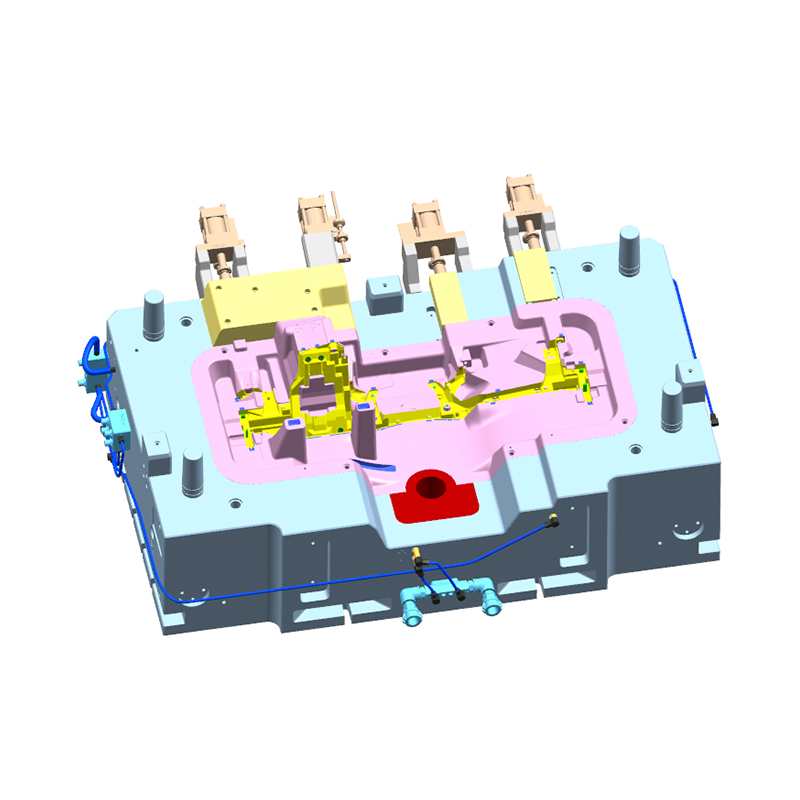



Contact Information
-
 Wangshan Road, Jiangbei District, Ningbo, Zhejiang, China
 -
 86-135-64796935

Get A Quote
How Do Die Casting Molds for Battery Applications Enhance Structural Safety and Efficiency in Modern Electromobility?
2026-05-28
Content
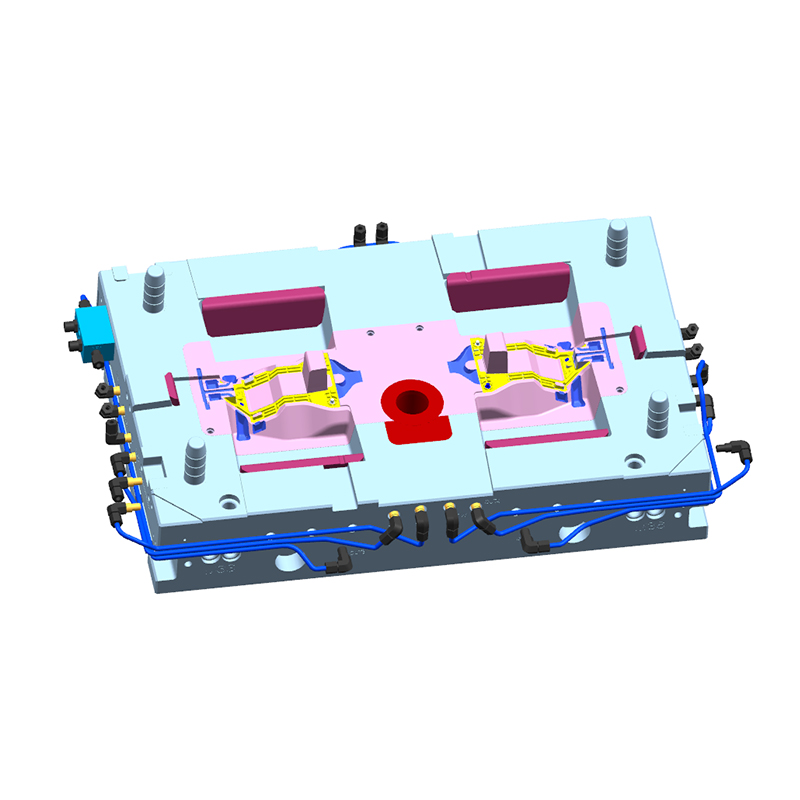
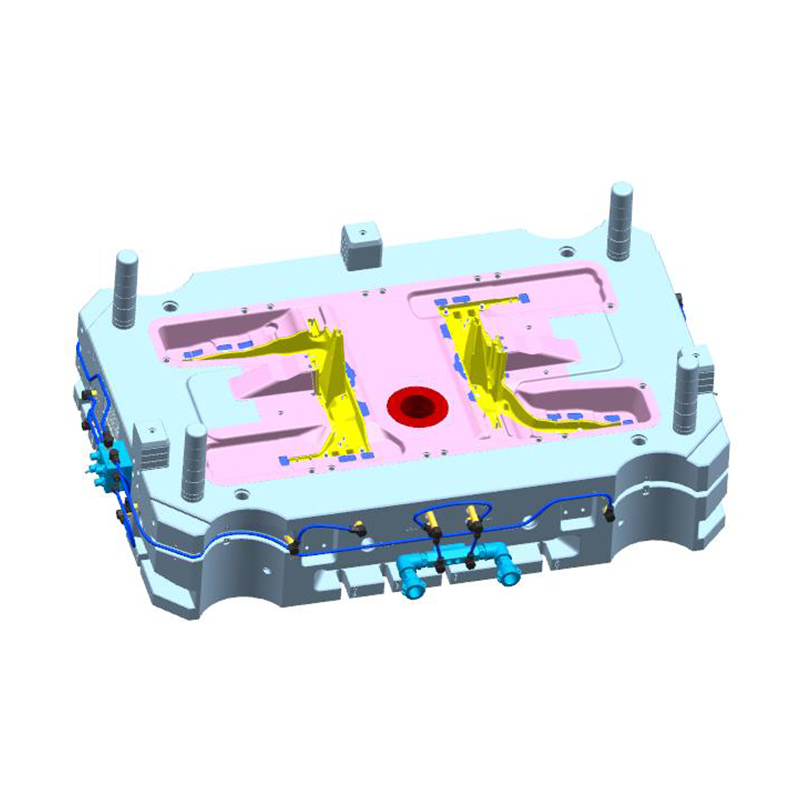
The rapid transition toward electric propulsion has fundamentally changed the requirements for automotive structural components. At the center of this transformation is the battery enclosure, a complex assembly that must protect sensitive energy cells from external impacts while managing significant thermal loads. The production of these critical components relies heavily on the precision and durability of Die Casting Molds for Battery housings. These molds are engineered to create large, thin walled structures that combine high strength with integrated cooling features. Unlike traditional engine components, battery housings require an unprecedented level of dimensional stability and pressure tightness to ensure that the electrolyte remains contained and that the thermal management systems operate without leakage.
The engineering of Die Casting Molds for Battery systems involves a sophisticated understanding of metallurgy, fluid dynamics, and thermal stress management. Because the battery pack is often the largest single component in an electric vehicle, the molds used to produce its housing are among the most massive and complex tools in the manufacturing world. These molds must endure thousands of cycles of high pressure metal injection while maintaining the integrity of intricate internal passages. By utilizing advanced steel grades and innovative cooling strategies, manufacturers can produce lightweight aluminum battery trays that serve as the primary structural spine of the vehicle chassis. Understanding the technical nuances of these molds is essential for any facility aiming to achieve the high volume production targets required by the global automotive industry.
The design of a mold for a battery enclosure is significantly different from that of a standard automotive part. The sheer surface area of a battery tray means that the Die Casting Molds for Battery components must be able to withstand enormous clamping forces to prevent the two halves of the tool from separating during the injection phase. If the mold deflects even slightly under the hydraulic pressure of the molten aluminum, the resulting part will suffer from thickness variations or flash, which can compromise the assembly of the battery modules.
The selection of tool steel for Die Casting Molds for Battery applications is the most critical factor in determining the longevity and performance of the tool. Most industrial molds utilize high quality hot work tool steel such as H13 or premium variations that have been refined through electroslag remelting. This refining process ensures that the steel is free from microscopic impurities that could act as starting points for thermal fatigue cracks. Because the mold surface is exposed to molten aluminum at temperatures exceeding six hundred degrees Celsius, the steel must possess exceptional hot hardness and temper resistance.
In addition to heat resistance, the steel must exhibit high fracture toughness to prevent catastrophic failure under the intense mechanical loads of the casting process. During each cycle, the mold is subjected to a rapid temperature increase followed by a sudden cooling spray, creating a cycle of expansion and contraction. Premium steel grades are often treated with specialized heat treatment protocols to achieve a balanced microstructure that can absorb these thermal shocks without developing the surface fissures known as heat checking. By investing in superior tool steel, manufacturers can extend the life of their Die Casting Molds for Battery components, ensuring a lower cost per part over long production runs.
The structural architecture of Die Casting Molds for Battery housings must account for the massive hydraulic forces generated during the final stage of metal injection. As the cavity fills with molten aluminum, the pressure can reach hundreds of bars, exerting millions of Newtons of force against the mold walls. To counteract this, the mold base must be constructed from heavy duty forged steel blocks that provide the necessary rigidity to prevent deformation.
Designers use finite element analysis to identify areas of the mold that may be prone to flexing. These high stress zones are reinforced with additional support pillars or thicker backing plates to maintain the precise geometry of the battery tray. The alignment of the mold halves is also critical, as any misalignment will result in steps or offsets in the final casting that could interfere with the sealing surfaces of the battery pack. Ensuring that the mold maintains its structural stiffness over thousands of cycles is the only way to guarantee that every battery housing produced meets the strict safety tolerances required for high voltage energy storage systems.
Thermal management is perhaps the most difficult aspect of running high volume Die Casting Molds for Battery production lines. Because aluminum has a high latent heat of fusion, a significant amount of thermal energy must be removed from the mold after every injection to allow the part to solidify. If the heat is not extracted uniformly, the battery housing will develop internal stresses that cause it to warp or twist after it is ejected from the tool.
Traditional cooling channels are manufactured by drilling straight holes through the mold steel, which often leaves the most complex areas of the cavity without adequate thermal control. However, modern Die Casting Molds for Battery applications are increasingly utilizing conformal cooling channels. These passages are created using additive manufacturing or specialized machining techniques that allow the cooling lines to follow the exact contours of the battery tray geometry.
By placing the cooling channels closer to the surface of the mold cavity, engineers can achieve a much more rapid and uniform heat extraction. This is particularly important for battery housings that feature integrated cooling fins or thin ribs, as these areas tend to trap heat and slow down the production cycle. Conformal cooling not only reduces the overall cycle time but also improves the mechanical properties of the aluminum casting by creating a more refined grain structure during solidification. This results in a battery housing that is stronger and more resistant to the vibrations and impacts encountered during the life of the vehicle.
Thermal gradients occur when one part of the mold is significantly hotter than another, leading to uneven solidification of the molten metal. In large format Die Casting Molds for Battery trays, these gradients can cause a variety of defects, including shrinkage porosity and hot tears. Shrinkage porosity happens when the liquid metal in a thicker section of the casting cannot be fed with fresh material as it cools, leaving microscopic voids inside the part.
To prevent these issues, mold designers use thermal simulation software to balance the cooling rates across the entire tool. This may involve the use of different cooling media, such as pressurized water or thermal oil, or the strategic placement of high conductivity copper alloy inserts in areas that are difficult to cool with standard steel. By maintaining a stable and uniform temperature profile, the Die Casting Molds for Battery components can produce dense, pressure tight castings that are capable of holding the liquid coolant used to regulate the temperature of the battery cells during charging and discharging.
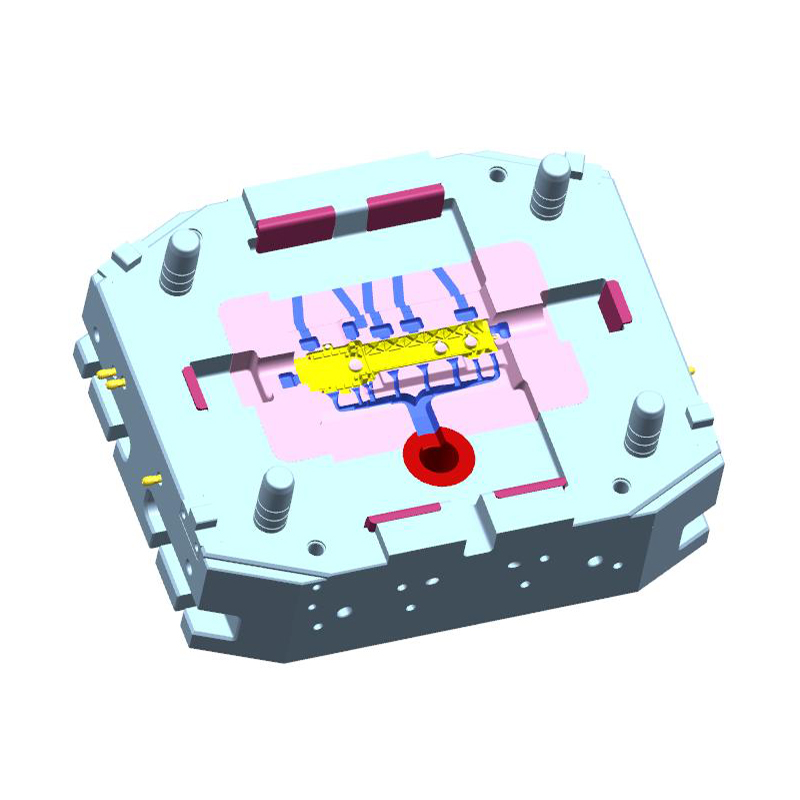
The gating system is the network of channels that delivers molten aluminum from the injection cylinder into the mold cavity. For Die Casting Molds for Battery housings, the gating design is incredibly complex because the metal must travel a long distance to fill the large surface area of the tray before it begins to solidify.
Design engineers rely on computational fluid dynamics to shape the runners and gates in a way that ensures a smooth and continuous flow of metal. If the aluminum flows too slowly, it will cool down and create cold shut defects where two streams of metal fail to fuse together properly. If it flows too fast or becomes turbulent, it will trap air and vaporized lubricants, resulting in gas porosity that weakens the structural integrity of the battery pack.
The runner system in Die Casting Molds for Battery applications is often designed with multiple branches that feed the cavity from several points simultaneously. This multi gate approach ensures that the entire housing is filled within fractions of a second, maintaining a consistent temperature and pressure throughout the casting. The transition from the runner to the gate is carefully tapered to accelerate the metal flow without causing shear stress that could damage the mold surface or degrade the aluminum alloy. This level of precision in fluid dynamics is what allows for the production of the ultra thin walls that are necessary to keep the weight of the electric vehicle within acceptable limits.
Once the cavity is filled, the injection system applies a final intensification pressure to squeeze the molten metal and collapse any remaining gas bubbles or shrinkage voids. The Die Casting Molds for Battery housings must be equipped with advanced venting systems to allow the air inside the cavity to escape as the metal enters. Many high end molds utilize vacuum assisted casting, where a powerful vacuum pump removes the air from the cavity seconds before the metal is injected.
Vacuum casting is particularly beneficial for battery components because it allows for the production of parts with extremely low porosity. This is a vital requirement for components that must be weldable or heat treatable after casting. Porosity in a battery tray can lead to leaks in the integrated cooling passages, which could result in a catastrophic short circuit if the coolant comes into contact with the high voltage battery cells. By combining precise gating design with vacuum venting, Die Casting Molds for Battery applications can achieve the high level of structural density and leak resistance required for modern electric vehicle safety.
The harsh environment of a die casting facility means that even the best engineered molds will eventually succumb to wear and tear. Maintaining the performance of Die Casting Molds for Battery production requires a proactive approach to surface protection and periodic refurbishment.
One of the most common problems in aluminum die casting is soldering, which occurs when the molten aluminum chemically reacts with the iron in the mold steel and sticks to the surface. This can cause severe damage to the mold cavity and result in surface defects on the battery housing. To prevent soldering, Die Casting Molds for Battery applications are often treated with advanced surface coatings applied via physical vapor deposition.
Coatings such as chromium nitride or titanium aluminum nitride provide a hard, low friction barrier that prevents the aluminum from bonding to the steel. These coatings also improve the release characteristics of the mold, making it easier to eject the large battery tray without causing distortion or tearing. Additionally, the use of high quality mold release agents sprayed onto the surface before each cycle provides a final layer of protection. By reducing the frequency of soldering and improving part release, these surface treatments significantly increase the productivity of the casting cell and reduce the amount of manual cleaning required by the operators.
The constant thermal cycling of the die casting process causes internal stresses to build up within the steel of the mold. If these stresses are not relieved, they will eventually lead to the formation of cracks that can propagate through the entire tool block. To prevent this, Die Casting Molds for Battery housings must undergo regular stress relieving cycles in a specialized furnace.
During this process, the mold is heated to a temperature just below its original tempering point and held there for several hours. This allows the metallic lattice to relax and eliminates the accumulated tensile and compressive stresses. Between production runs, the mold cavity is also inspected for signs of wear or erosion. If damage is found, it can often be repaired using precision laser welding, which deposits new tool steel into the worn areas with minimal heat impact. This meticulous maintenance routine ensures that the Die Casting Molds for Battery production remain in peak condition, delivering consistent quality and precision for hundreds of thousands of cycles.
While high pressure die casting is the dominant method for producing battery housings, it is helpful to compare its qualities against other common manufacturing techniques such as stamping and extrusion to understand why die casting is often the preferred choice for complex integration.
|
Manufacturing Method |
Structural Integration Capability |
Design Flexibility and Complexity |
Weight Reduction Potential |
Leak Resistance and Sealing |
|---|---|---|---|---|
|
High Pressure Die Casting |
Excellent, can combine many parts |
High, supports thin walls and ribs |
Superior due to optimized geometry |
Very high, creates single piece seals |
|
Steel or Aluminum Stamping |
Low, requires multiple joined parts |
Moderate, limited to sheet shapes |
Lower, due to heavy joining overlap |
Moderate, relies on weld integrity |
|
Aluminum Extrusion |
Moderate, best for linear shapes |
Low, limited to constant profiles |
High for frames, low for trays |
High for tubes, low for assemblies |
As the evaluation shows, Die Casting Molds for Battery components allow for a level of functional integration that is simply not possible with other methods. The ability to cast complex cooling channels, mounting points, and structural reinforcements into a single aluminum part reduces the total number of components in the battery pack, which in turn lowers the weight and simplifies the assembly process. This integration is a key driver in the push toward lower vehicle costs and longer driving ranges.
A primary requirement for any battery housing is the ability to maintain a perfect seal against moisture and dust over the life of the vehicle. This requires that the sealing surfaces of the casting be incredibly flat and free from any surface imperfections. The Die Casting Molds for Battery housings are designed with specialized inserts that form the sealing flange with extreme precision.
In many modern electric vehicle designs, the liquid cooling circuit for the battery is integrated directly into the floor of the housing. This is achieved by placing pre formed tubes into the Die Casting Molds for Battery components before the aluminum is injected, a process known as cast in cooling. The mold must be designed to hold these tubes in the correct position without crushing them under the high pressure of the injection phase. The metallurgical bond between the aluminum and the cooling tubes must be perfect to ensure efficient heat transfer from the battery cells to the coolant.
The success of this integrated approach depends entirely on the accuracy of the mold. If the mold geometry is off by even a fraction of a millimeter, the cooling circuit will not align correctly with the vehicle chassis, or the sealing flange will not provide a watertight barrier. The immense detail involved in these Die Casting Molds for Battery systems represents the pinnacle of modern toolmaking, combining heavy industrial strength with the precision of a high end scientific instrument. By mastering these complexities, manufacturers can produce the robust and efficient battery structures that are necessary to power the next generation of electric transportation.
Wangshan Road, Jiangbei District, Ningbo, Zhejiang, China
86-135-64796935
Copyright © Ningbo NKT Tooling Co., Ltd. All Rights Reserved.
 Login
Custom Automotive Aluminum/Zinc Die Casting Molds Manufacturers
Login
Custom Automotive Aluminum/Zinc Die Casting Molds Manufacturers
