
 English
 中文简体
中文简体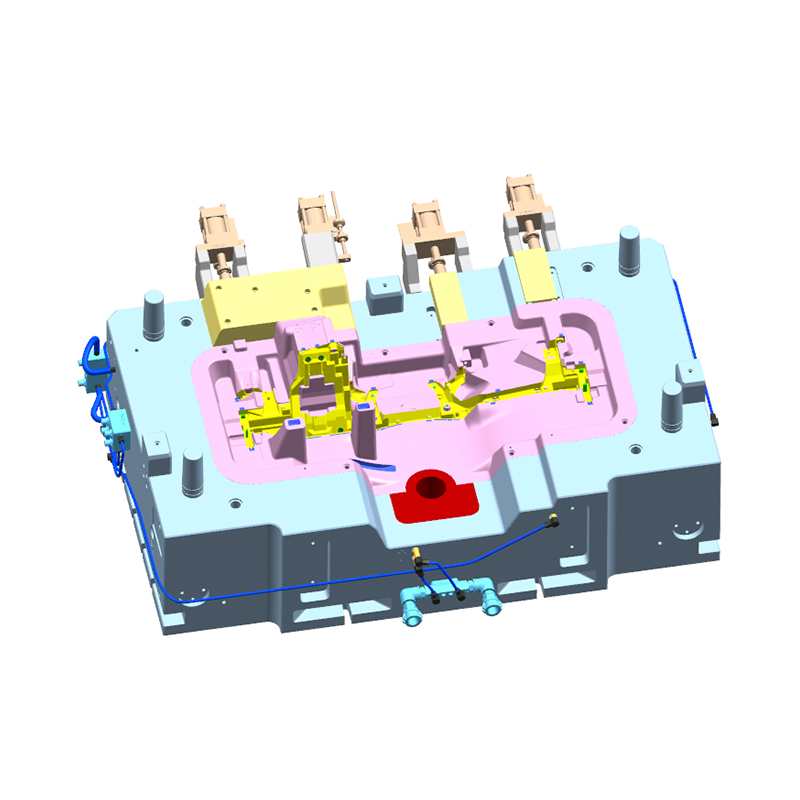



Contact Information
-
 Wangshan Road, Jiangbei District, Ningbo, Zhejiang, China
 -
 86-135-64796935


Get A Quote
How Do Aluminum Alloy Die Casting Molds Deliver Precision and Longevity in High Volume Metal Manufacturing?
2026-05-14
Content
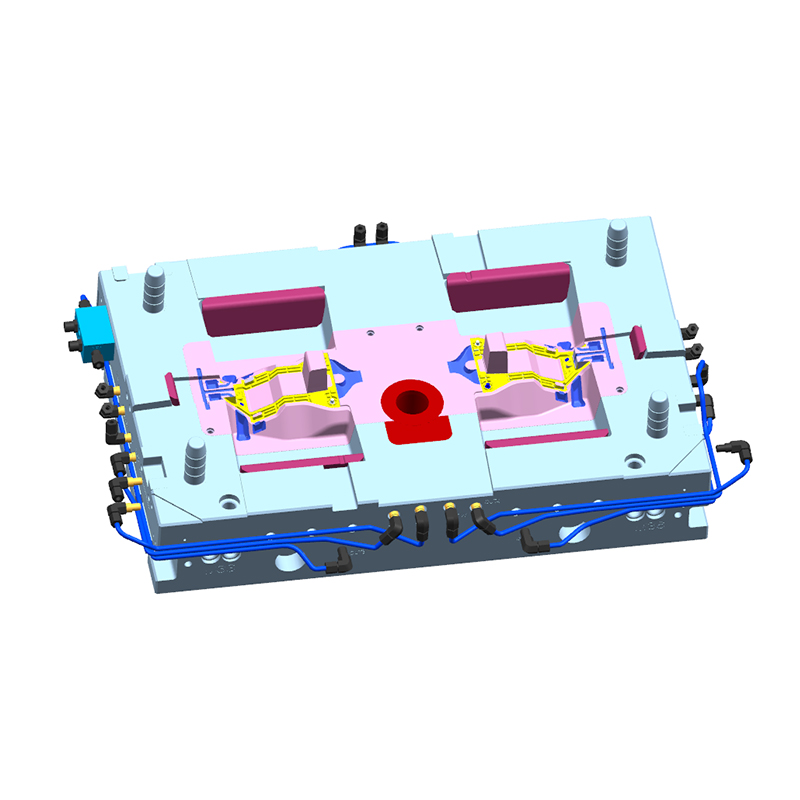
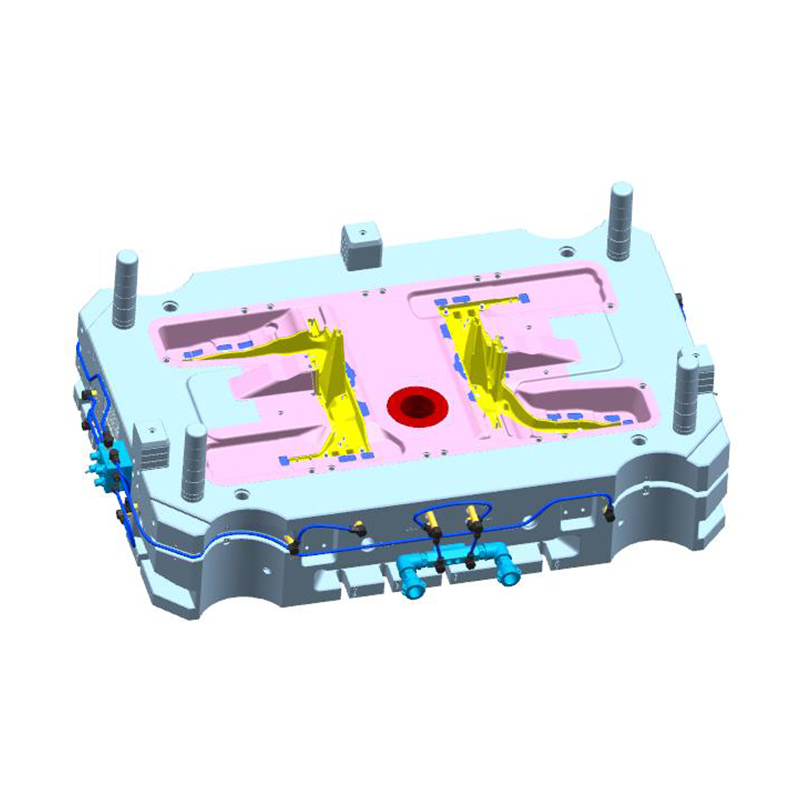
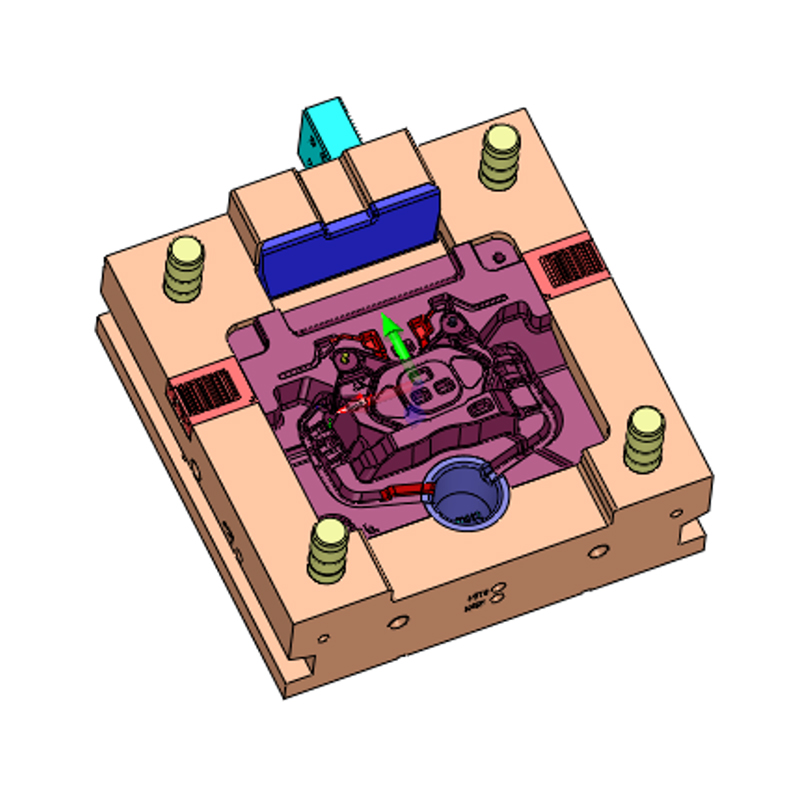
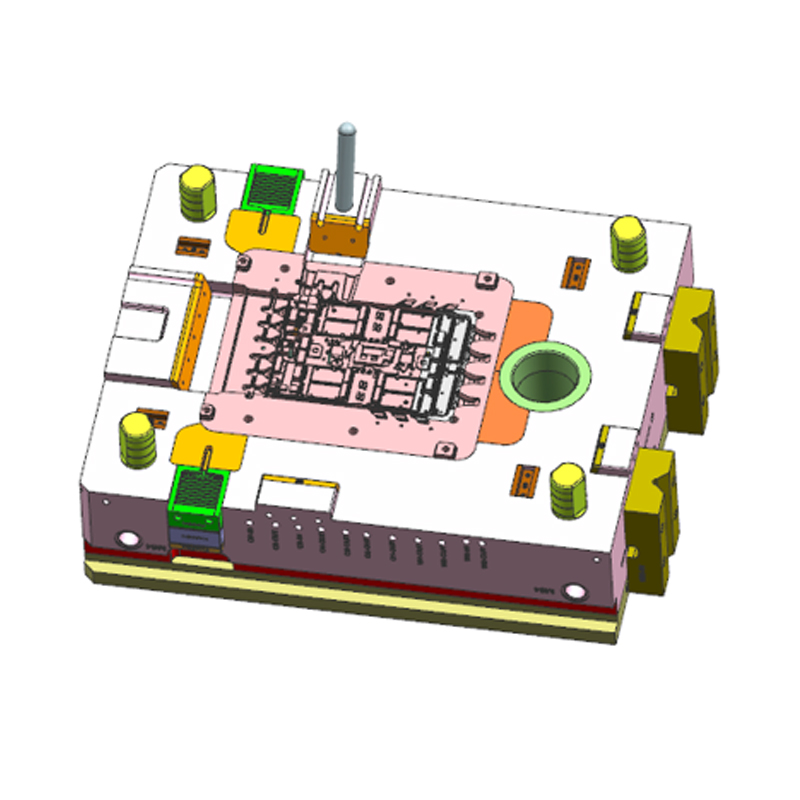
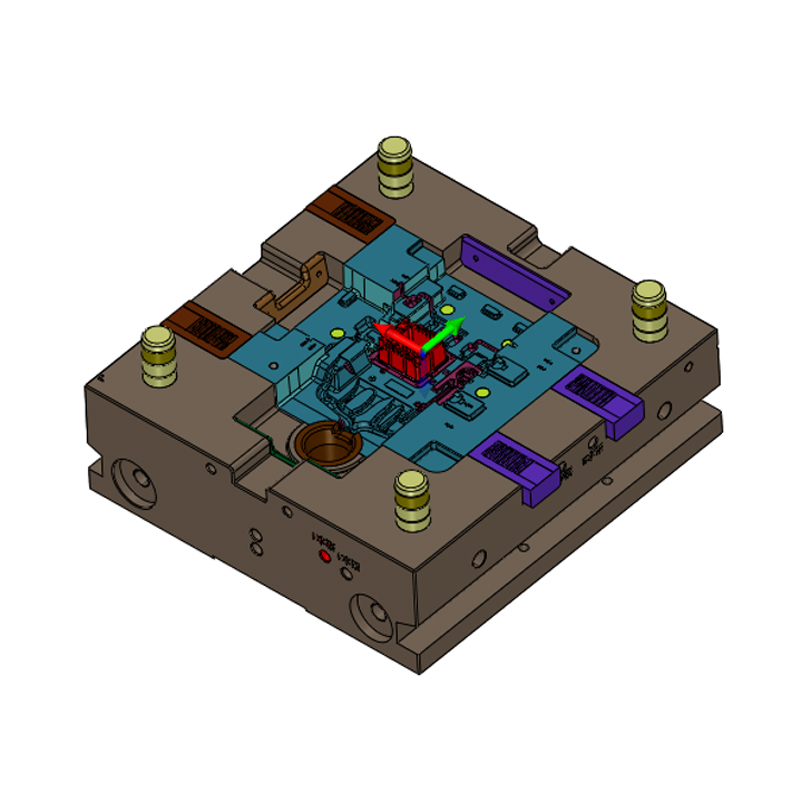
The manufacturing of complex metal components requires tooling capable of withstanding extreme thermal and mechanical forces. At the center of high volume metal production is the process of high pressure die casting, where molten metal is injected under immense pressure into a custom engineered cavity. For aluminum alloys, which melt at temperatures exceeding six hundred degrees Celsius, the design and material integrity of the molds are critical factors that determine both component quality and production efficiency. Aluminum alloy die casting molds must maintain precise dimensional tolerances across hundreds of thousands of cycles while resisting the destructive forces of thermal shock, chemical erosion, and mechanical wear. Understanding the design engineering, metallurgy, and maintenance of these molds is essential for modern manufacturing facilities aiming to optimize their casting operations.
Unlike other casting methods that rely on sand or expendable media, die casting utilizes permanent steel molds that must endure rapid cycle times. Molten aluminum is injected at velocities that can exceed fifty meters per second, creating a highly abrasive and corrosive environment within the mold cavity. The mold must not only shape the liquid metal but also rapidly extract heat to solidify the part before ejection. This dual requirement of structural containment and efficient heat transfer places unique demands on the mold tool steels and their internal cooling networks. By examining the structural and metallurgical principles that govern mold construction, production teams can select the appropriate materials and designs to maximize tool life and minimize downtime.
The structural integrity of a mold is defined by its ability to resist deformation and failure under the intense cyclic loading of the die casting process. During each cycle, the mold experiences rapid heating as the molten aluminum enters the cavity, followed by rapid cooling as water or oil flows through the internal cooling channels. This thermal cycle generates severe internal stresses that can lead to catastrophic mold failure if not properly managed.
The most common failure mechanism in aluminum alloy die casting molds is thermal fatigue, which is widely referred to as heat checking. When molten aluminum at high temperatures contacts the relatively cool surface of the mold steel, the immediate surface layer undergoes rapid thermal expansion. However, the bulk of the mold block remains at a lower temperature, restricting this expansion and placing the surface steel under high compressive stress.
As the casting solidifies and is ejected, the mold surface is sprayed with liquid lubricant, causing a sudden drop in temperature. This rapid cooling causes the surface layer to contract, but because the underlying steel is still hot, the surface is subjected to high tensile stress. Over thousands of repetitions, this cyclic transition between compression and tension exceeds the fatigue limit of the tool steel, resulting in the initiation of microscopic cracks. These cracks propagate along grain boundaries, forming a network of fissures on the mold surface that transfer directly onto the cast components, degrading their surface finish and dimensional accuracy.
Molten aluminum is highly reactive and exhibits a natural chemical affinity for iron, which is the primary constituent of mold tool steel. When the liquid metal is injected into the mold cavity at high velocities, it physically abrades the steel surface, washing away protective oxide layers. Once the bare steel is exposed, the molten aluminum begins to dissolve the iron, a phenomenon known as chemical erosion or soldering.
Soldering occurs when the aluminum alloy chemically bonds to the mold steel, forming intermetallic compounds at the interface. During the ejection phase, this bonded aluminum is torn away from the mold, often taking microscopic particles of the tool steel with it. This process not only ruins the surface of the cast part but also progressively hollows out the mold cavity, altering critical dimensions and leading to localized sticking. To prevent soldering, mold designers must carefully select surface treatments and coatings that act as a barrier between the liquid aluminum and the iron based tool steel, ensuring smooth part release and prolonged mold life.
The selection of tool steel and its subsequent heat treatment are the most critical decisions in the mold manufacturing process. Because the mold must balance high hardness with exceptional toughness, only specialized hot work tool steels are suitable for this demanding application.
For decades, hot work tool steels have been the industry standard for aluminum alloy die casting molds. Among these, H13 tool steel, which is also designated as DIN 1.2344, is the most widely utilized material. This alloy contains chromium, molybdenum, and vanadium, which provide an excellent balance of high temperature strength, wear resistance, and resistance to thermal cracking.
In demanding applications where longer production runs are required, manufacturers often specify premium grades such as hot work tool steels produced via electroslag remelting. This refining process reduces non metallic inclusions and ensures a highly homogeneous microstructure, which significantly improves the fracture toughness and isotropic properties of the steel. Premium grades such as die steel designated as grade 1.2367 or proprietary variations offer superior thermal conductivity and higher resistance to heat checking, allowing the mold to operate efficiently under more severe casting parameters.
|
Tool Steel Characteristic |
Standard H13 Tool Steel |
Electroslag Remelted H13 |
High Molybdenum Premium Grade |
|---|---|---|---|
|
Core Toughness Level |
Standard impact resistance |
Enhanced fracture toughness |
High impact and crack resistance |
|
Resistance to Thermal Fatigue |
Moderate resistance |
High resistance to heat checking |
Excellent resistance to cracking |
|
Mechanical Wear Resistance |
High wear resistance |
Consistent wear across block |
High high temperature hardness |
|
Level of Chemical Purity |
Standard microcleanliness |
Ultra clean microstructure |
Minimum non metallic inclusions |
The comparison shows that while standard tool steels are adequate for low to medium production volumes, premium refined grades are necessary to prevent premature cracking and erosion in high capacity industrial casting operations.
A mold steel block is supplied in an annealed state to allow for ease of machining. Once the complex cavity geometry is rough machined, the mold must undergo a rigorous heat treatment process to achieve its final working properties. This process typically involves vacuum hardening followed by multiple tempering cycles.
During vacuum hardening, the mold is heated to an austenitizing temperature, usually around one thousand degrees Celsius, and then rapidly quenched using high pressure nitrogen gas. The quenching rate must be carefully controlled; if it is too slow, undesirable microstructures such as proeutectoid carbides can precipitate, reducing the toughness of the steel. After quenching, the steel is in a highly stressed, brittle martensitic state. It must immediately undergo at least three tempering cycles to relieve internal stresses and adjust the hardness to the optimal working range of forty four to forty eight on the Rockwell C scale. This hardness range provides the necessary resistance to mechanical wear while preserving sufficient ductility to prevent catastrophic brittle fracturing under thermal shock.
The performance of an aluminum alloy die casting mold is determined long before the first metal is poured. Advanced computer aided engineering and flow simulation software allow design engineers to optimize the mold layout to ensure defect free castings and efficient thermal performance.
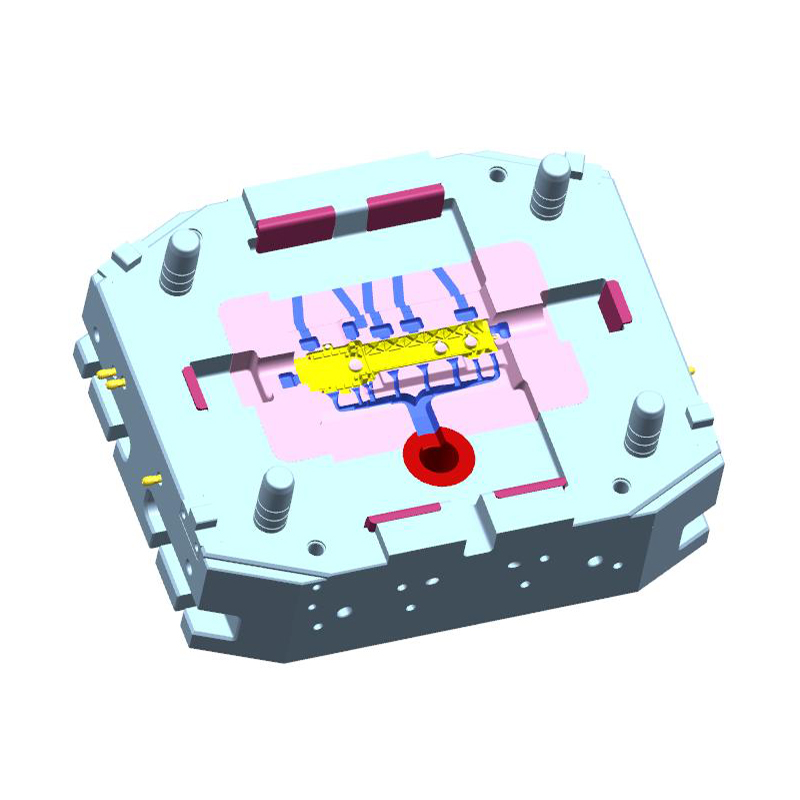
The gating system is the network of channels through which the molten aluminum travels from the injection sleeve into the mold cavity. The design of this system must ensure that the cavity is filled completely and evenly before the solidification process begins. The main components of the gating system include the runner, which directs the metal flow, and the gate, which is the narrow entrance into the cavity that controls the velocity of the liquid aluminum.
To prevent the entrapment of air, which causes internal porosity defects in the cast parts, the runner must be designed to maintain a stable, non turbulent flow front. The gate geometry must be calculated to atomize the liquid metal flow, allowing it to fill the cavity in a mist like state while avoiding localized overheating of the mold steel. Simultaneously, the mold must incorporate an advanced venting system, including vacuum valves or chill vents, to allow air and gases to escape ahead of the advancing metal front. Proper venting reduces back pressure, ensuring complete cavity fill and improving the density and strength of the final cast component.
Efficient thermal management is essential for reducing cycle times and controlling the solidification behavior of the cast part. Traditionally, cooling channels are drilled into the mold block as straight lines, which limits their proximity to complex cavity geometries. This limitation can lead to localized hot spots, which prolong solidification times and increase the risk of shrinkage porosity and soldering.
Modern mold engineering utilizes advanced manufacturing techniques such as additive manufacturing to create conformal cooling channels. These cooling passages follow the exact contour of the mold cavity, maintaining a uniform distance from the mold surface even around complex curves and deep recesses. By providing uniform cooling, conformal channels minimize thermal gradients within the mold block, reducing internal thermal stresses and preventing heat checking. Furthermore, optimized cooling speeds up the solidification process, allowing the casting machine to operate at higher productivity levels without sacrificing part quality.
Even the most precisely engineered mold will fail prematurely if it is not subjected to a rigorous maintenance and lubrication regimen during daily operations. The operating environment of a die casting shop is highly abrasive, and proactive care is the only way to protect the investment made in high quality tooling.
During the casting cycle, a liquid lubricant is sprayed onto the open mold face before each injection. This lubricant serves multiple critical functions; it cools the surface of the mold steel, provides a protective barrier against chemical soldering, and facilitates the smooth ejection of the solid part. Water based lubricants are commonly used due to their excellent cooling capacity and ease of application, though oil based and electrostatic powder lubricants are selected for specific high temperature or thin walled casting applications.
In addition to temporary spray lubricants, modern molds often utilize permanent tribological coatings applied via physical vapor deposition. Coatings such as titanium aluminum nitride or chromium nitride provide an ultra hard, low friction surface layer that resists both mechanical wear and chemical attack by the molten aluminum. These advanced coatings significantly reduce the dependency on liquid spray lubricants, minimizing thermal shock and reducing the accumulation of lubricant residues within the mold cavity, which can cause surface defects on the cast parts.
As the mold operates, residual stresses accumulate within the steel block due to the continuous thermal cycling and mechanical pressure. If these stresses are allowed to build up unchecked, they will eventually exceed the yield strength of the material, causing rapid crack propagation. To prevent this, facilities must implement a scheduled stress relieving protocol.
After a predetermined number of casting cycles, typically every ten thousand to twenty thousand shots, the mold is removed from the machine and heated in a tempering furnace to a temperature slightly below the original tempering temperature. This stress relief treatment allows the atomic structure of the steel to relax, neutralizing the accumulated tensile and compressive stresses without reducing the hardness of the mold.
For molds that have developed minor heat checking or erosion, laser welding and precision CNC machining are used to renovate the cavity surface. Laser welding allows for the precise deposition of matching tool steel wire onto damaged areas with minimal heat input, preventing distortion of the surrounding mold structure. Once the welded areas are machined and polished back to the original specifications, the mold is stress relieved and returned to service, effectively doubling or tripling its total operational lifespan.
Wangshan Road, Jiangbei District, Ningbo, Zhejiang, China
86-135-64796935
Copyright © Ningbo NKT Tooling Co., Ltd. All Rights Reserved.
 Login
Custom Automotive Aluminum/Zinc Die Casting Molds Manufacturers
Login
Custom Automotive Aluminum/Zinc Die Casting Molds Manufacturers
