An
aluminum alloy die-cast bracket is a structural support component crafted through the die-casting process, where molten aluminum alloy is injected into precision-engineered molds under high pressure. This manufacturing method yields parts with consistent dimensions, intricate geometries, and a uniform molecular structure—traits that set it apart from brackets made via traditional forging or machining. The use of aluminum alloy, rather than pure aluminum or heavier metals like steel, is a key differentiator: aluminum alloys boast a superior strength-to-weight ratio, combining the lightness of aluminum with the structural rigidity of alloying elements like silicon, magnesium, and copper.
The physical properties of an aluminum alloy die-cast bracket make it ideal for load-bearing and support roles. Its corrosion-resistant nature ensures it can withstand exposure to moisture, chemicals, and extreme temperatures without rusting or degrading—a critical advantage for outdoor industrial equipment, marine applications, and automotive undercarriage components. Additionally, the die-casting process allows for the integration of complex features (such as mounting holes, ribs, and bosses) in a single production step, eliminating the need for secondary machining and reducing overall production time and costs. For manufacturers seeking precision and efficiency, these design benefits make the aluminum alloy die-cast bracket a standout solution.
Unmatched Performance of Aluminum Alloy Die-Cast Brackets in Key Industries
The versatility and durability of aluminum alloy die-cast bracket components have made them indispensable across a range of high-demand sectors, where reliability is non-negotiable:
Automotive Sector:
In the automotive industry, weight reduction is a top priority for improving fuel efficiency and electric vehicle (EV) range, and aluminum alloy die-cast bracket parts deliver on this front. These brackets are used to secure critical components like engine mounts, battery enclosures, brake systems, and suspension parts. Their lightweight design cuts down on vehicle curb weight while maintaining the structural integrity needed to withstand the vibrations and stresses of daily driving. Unlike steel brackets, which add unnecessary bulk, aluminum alloy die-cast versions also resist road salt and moisture, extending the lifespan of undercarriage components and reducing maintenance costs for vehicle owners.
Industrial Manufacturing:
Industrial machinery relies on sturdy support systems to operate safely and efficiently, and aluminum alloy die-cast bracket units are a cornerstone of these systems. They are used to mount motors, pumps, conveyor belt components, and control panels, providing stable support even in high-vibration environments. The die-cast construction ensures consistent performance across batches, while the alloy’s heat dissipation properties help protect sensitive machinery from overheating—a key benefit for equipment running continuously in factory settings. For manufacturers, this translates to less downtime and longer equipment lifespans.
Electronics and Renewable Energy:
In the electronics sector, aluminum alloy die-cast bracket components are used to secure circuit boards, heat sinks, and power supply units in devices ranging from consumer electronics to industrial control panels. Their excellent thermal conductivity helps dissipate heat generated by electronic components, preventing overheating and extending device life. In the renewable energy space, these brackets play a vital role in solar panel mounting systems and wind turbine components, withstanding outdoor elements while supporting heavy loads. Their corrosion resistance is particularly valuable for solar installations in coastal or humid regions, where salt air or moisture can degrade lesser materials.
Aerospace and Aviation:
For aerospace applications, where every ounce of weight matters, aluminum alloy die-cast bracket parts are used in non-critical structural supports, avionics mounting, and interior components. Their lightweight yet strong design helps reduce aircraft weight, improving fuel efficiency and payload capacity, while their resistance to extreme temperature fluctuations ensures reliability at high altitudes. Strict quality control in the die-casting process also ensures these brackets meet the rigorous safety standards of the aviation industry.
Addressing Common Misconceptions About Aluminum Alloy Die-Cast Brackets
Despite their widespread adoption, aluminum alloy die-cast bracket products are subject to a few misconceptions that can hinder their use in certain applications. A common myth is that aluminum alloy brackets lack the strength of steel alternatives and are only suitable for light-load tasks. In reality, advanced aluminum alloys (such as A380 and ADC12) used in die-casting offer tensile strengths comparable to mild steel, while weighing up to 60% less. When engineered correctly, an aluminum alloy die-cast bracket can support heavy loads without compromising structural integrity, making it a viable alternative to steel for most applications.
Another misconception is that die-cast brackets are prone to porosity (small air bubbles in the material), which weakens the part. Modern die-casting techniques—including vacuum die-casting and high-pressure injection—have virtually eliminated this issue, producing aluminum alloy die-cast bracket components with dense, uniform material that meets the strictest quality standards. Many manufacturers also perform post-production testing (such as X-ray inspections and pressure testing) to ensure parts are free of defects, further validating their reliability.
Cost-Efficiency and Sustainability of Aluminum Alloy Die-Cast Brackets
From a cost perspective, aluminum alloy die-cast bracket components offer significant long-term value. The die-casting process is highly scalable, with low per-unit costs for large production runs—far more economical than machining brackets from solid aluminum blocks, which generates excess material waste and requires more labor. Additionally, the durability of these brackets reduces replacement and maintenance costs, as they can last 10-15 years in most applications, compared to 3-5 years for plastic or stamped steel alternatives.
Sustainability is another key advantage of aluminum alloy die-cast bracket parts. Aluminum is 100% recyclable without losing its structural properties, and the die-casting process generates minimal material waste (scrap aluminum can be melted and reused immediately). For manufacturers aiming to reduce their carbon footprint, using recycled aluminum in die-casting cuts down on the energy-intensive process of extracting and refining virgin aluminum, lowering greenhouse gas emissions by up to 95% compared to using new material. This aligns with global sustainability goals and helps businesses meet regulatory requirements for eco-friendly production.
For engineers and manufacturers across industries, the choice of structural brackets is a critical decision that balances strength, weight, cost, and sustainability. The aluminum alloy die-cast bracket excels in all these areas, offering a lightweight yet durable solution that adapts to the demands of automotive, industrial, electronic, and aerospace applications. It dispels common myths about strength and quality, while its cost-efficiency and eco-friendly credentials make it a responsible choice for forward-thinking businesses.
The question of whether it is the most durable solution for industrial and automotive applications can be answered with a resounding yes. Whether securing a vehicle’s battery pack, supporting industrial machinery, or mounting electronic components, the aluminum alloy die-cast bracket delivers the reliability, performance, and value that modern industries demand—solidifying its place as a staple component in global manufacturing supply chains.

 English
 中文简体
中文简体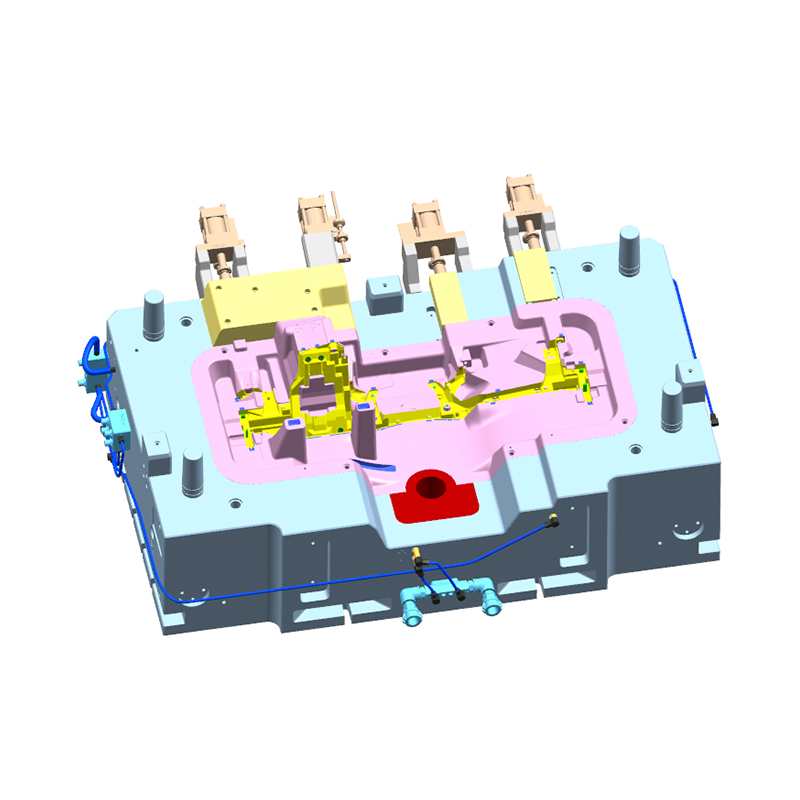



 Wangshan Road, Jiangbei District, Ningbo, Zhejiang, China
  86-135-64796935
 Login
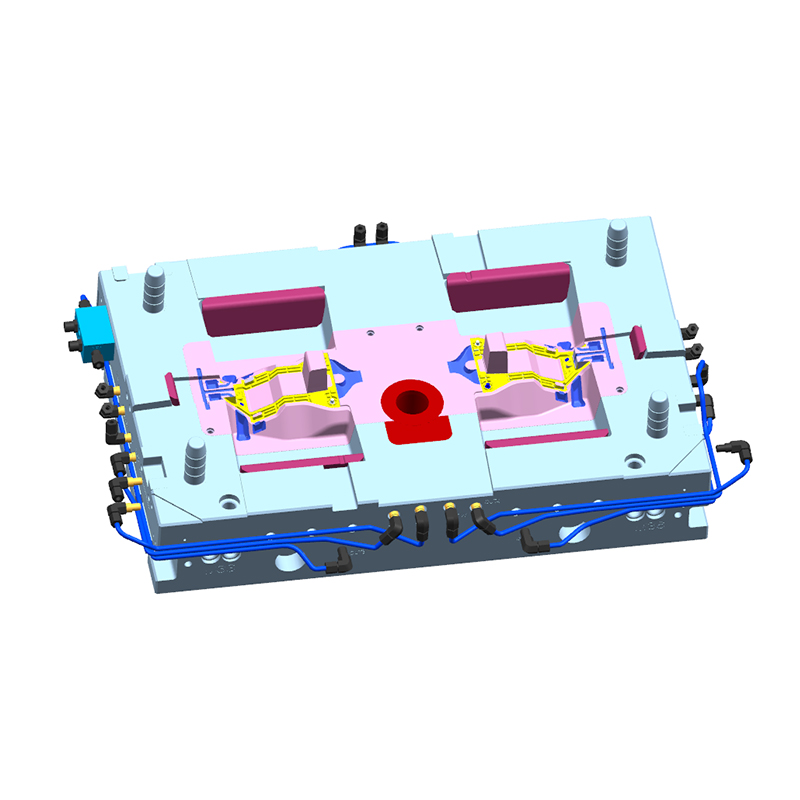
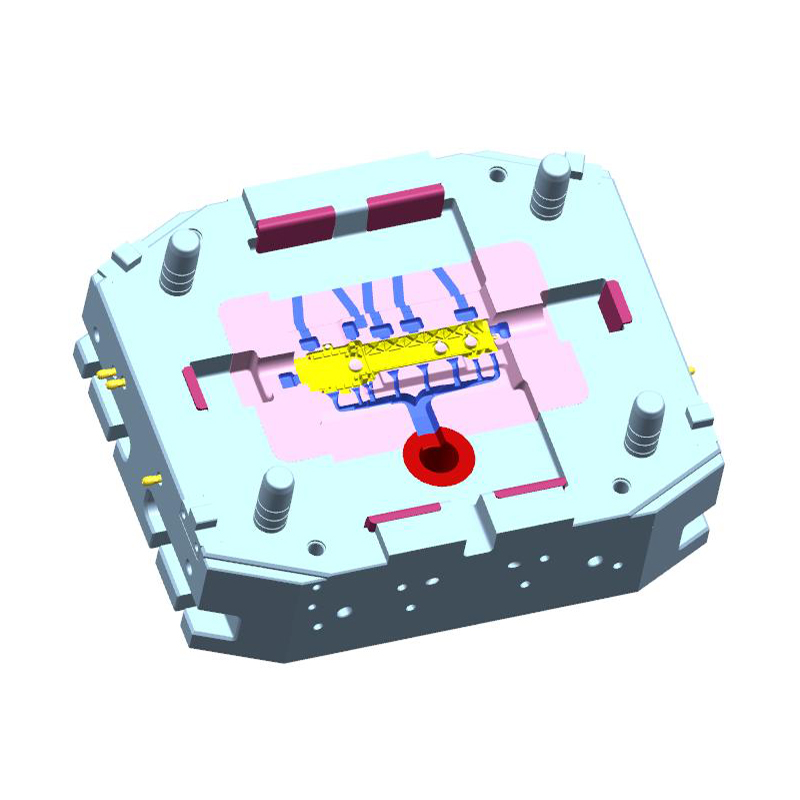
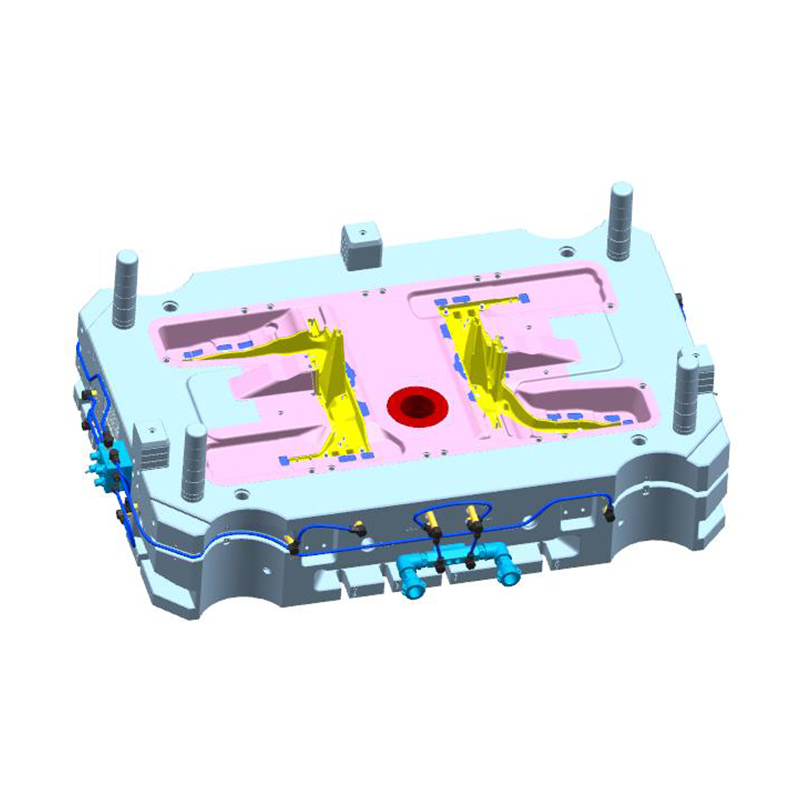
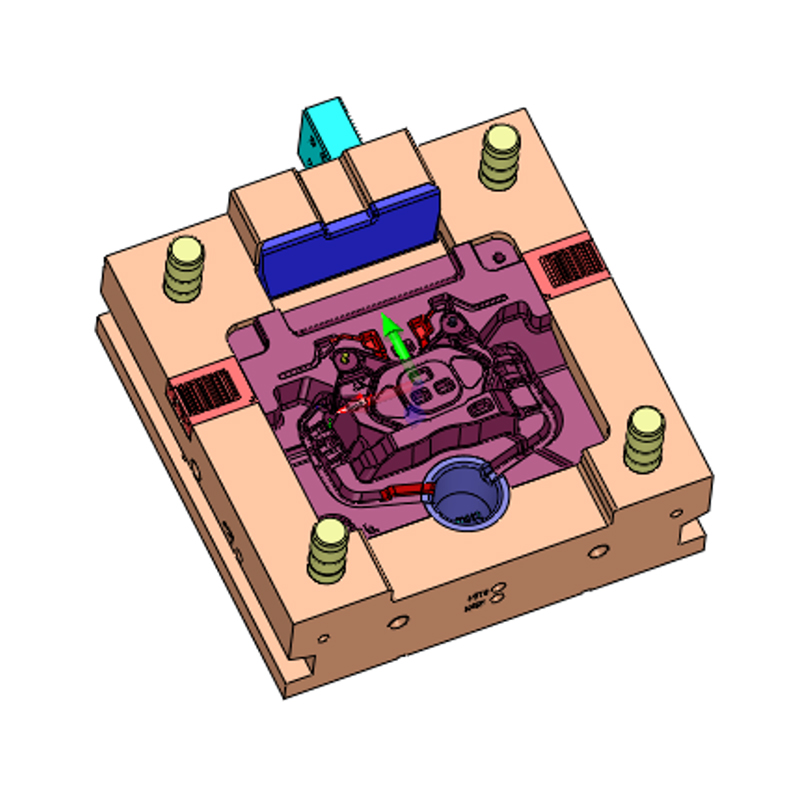
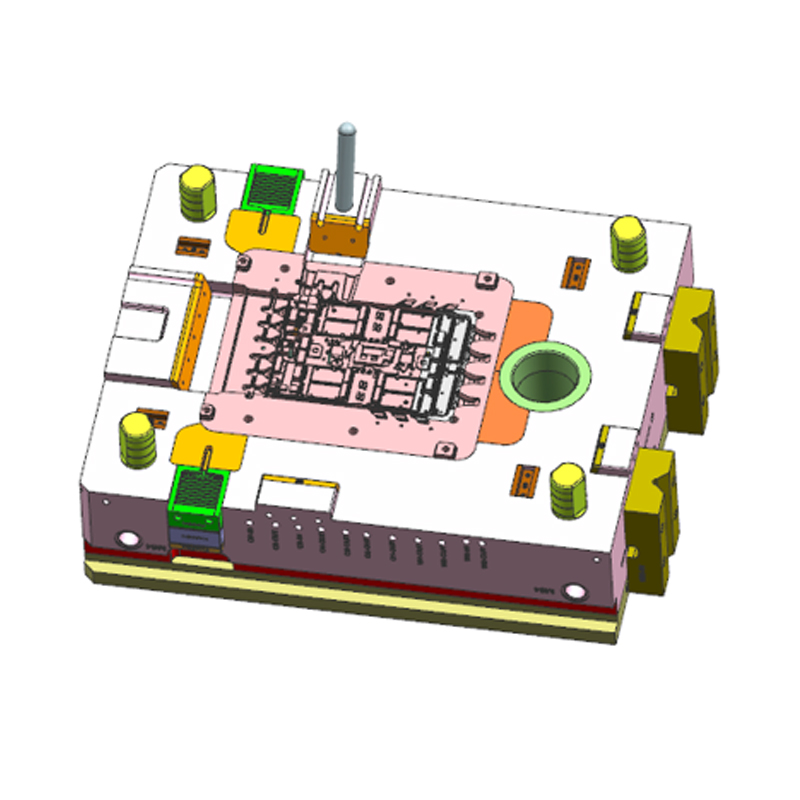
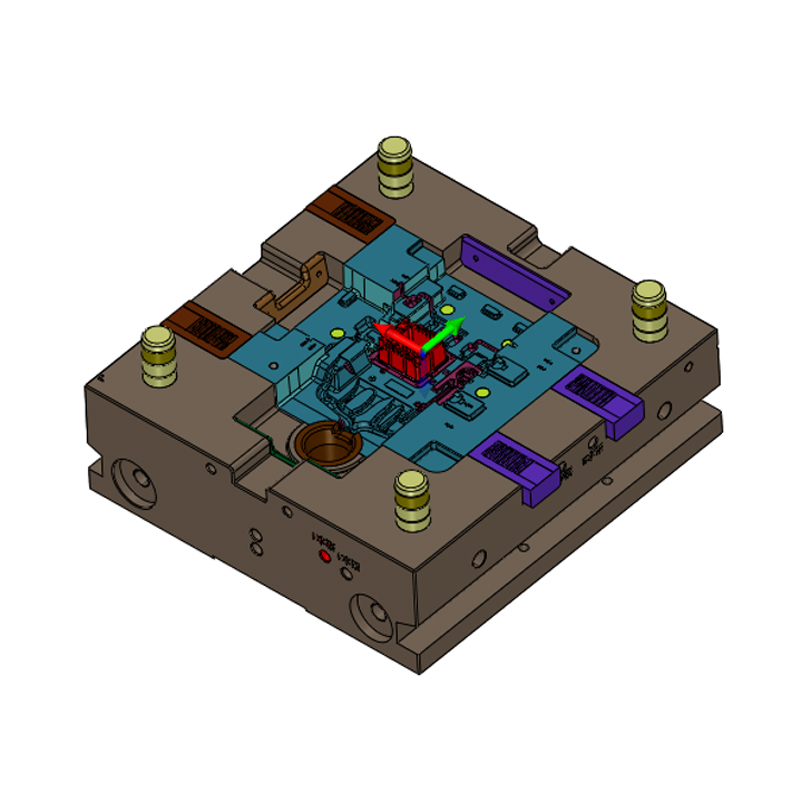
Custom Automotive Aluminum/Zinc Die Casting Molds Manufacturers
Login
Custom Automotive Aluminum/Zinc Die Casting Molds Manufacturers
